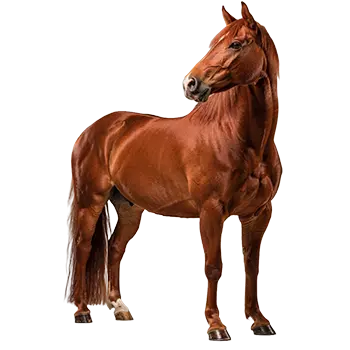

American Quarter Horse

American Quarter Horse
📸 Photo Gallery Coming Soon

Furry Critter Network Etsy Shop

Quick Facts

πŸ”¬ Scientific Name
Equus ferus caballus
🐴 Horse Type
Light Horse
πŸ“‹ Breed Registry
American Quarter Horse Association (AQHA)
πŸ“Š Care Level
Beginner
😊 Temperament
Calm
πŸ“ Height
14.2-16 hands
⏱️ Lifespan
25-35 years
βš–οΈ Weight
1,000-1,300 lbs
🎨 Coat Colors
Sorrel, Bay, Black, Brown, Buckskin, Dun, Palomino, Gray, Roan, Grullo
🍽️ Diet Type
Herbivore
🌍 Origin
United States
🏑 Min. Pasture Size
1-2 acres per horse
πŸ“ Size
Large

American Quarter Horse - Names & Recognition

The American Quarter Horse earned its distinctive name from its unmatched speed over quarter-mile distances, a talent first recognized in colonial America where short-distance match races tested local horses' explosive acceleration. While "Quarter Horse" remains the universal name, "American Quarter Horse" emphasizes the breed's United States origins, distinguishing it from quarter-type horses developed elsewhere.

The American Quarter Horse Association (AQHA), founded in 1940, maintains the world's largest equine breed registry with over six million horses registered since inception. AQHA registration requires parentage verification through DNA testing, ensuring accurate records that allow tracing bloodlines back to foundation sires. The association's breed standards define acceptable conformation, coat colors, and characteristics that maintain Quarter Horse type across generations.

Historically, various regional names described horses that would eventually become recognized as Quarter Horses. "Billy Horse" and "Steeldust" honored influential early bloodlines, while "Colonial Quarter-Path Running Horse" accurately described their racing origins. Some horsemen called them "Short Horses" in reference to their racing specialty, and "Celebrated American Running Horse" appeared in early writings describing the colonial type.

The term "Foundation Quarter Horse" describes horses bred to emphasize original working ranch horse characteristics rather than racing or halter show traits. These horses typically display stockier builds, heavier muscling, and calmer temperaments than performance-bred lines. Various organizations maintain separate registries emphasizing foundation bloodlines, though AQHA remains the primary registry for the breed.

Quarter Horses registered with AQHA may receive additional designations recognizing achievement, including Register of Merit (ROM) for competition success and Supreme Champion for accumulated points across multiple disciplines. Performance titles like AQHA World Champion identify the breed's top competitors in specific events, creating pedigrees documented with competition achievements alongside bloodline records.

American Quarter Horse Physical Description

The Quarter Horse presents a powerful, muscular appearance built for short-distance speed and athletic agility. Standing typically between 14.2 and 16 hands, these compact yet substantial horses weigh 1,000 to 1,300 pounds, with exceptional individuals exceeding these ranges. Their overall impression should convey strength, balance, and functional athleticism rather than excessive size or extreme features.

The ideal Quarter Horse head is short and refined, with a broad forehead tapering to a fine muzzle. Large, kind eyes set well apart convey the intelligence and gentle nature characteristic of the breed. Small, alert ears angle slightly forward, and the jaw provides adequate width for proper breathing. The profile is straight or slightly concave, never coarse or Roman-nosed.

Necks attach well to sloping shoulders, blending smoothly into prominent withers that hold saddles securely without pad slipping. The neck should be of adequate length for balance and collection, neither too long and weak nor short and thick. A clean throatlatch allows proper flexion without restricting airflow during exertion.

The body displays the substantial muscling that defines the breed, with a deep chest providing heart room and well-sprung ribs allowing lung capacity. The back is short and strong, coupling closely to powerful hindquarters that generate the explosive acceleration Quarter Horses are famous for. The croup slopes gently, and the tail sets naturally at a functional angle.

Hindquarters represent the Quarter Horse's defining feature, earning them the nickname "the breed with the bulldog build." Massive muscles in the gaskin, stifle, and hip create the rounded, powerful appearance instantly recognizable as Quarter Horse type. When viewed from behind, the hindquarters appear as wide or wider than the shoulders.

Legs are straight and correct with medium bone appropriate for carrying substantial muscling without appearing coarse. Short cannon bones, well-defined tendons, and hard, round hooves provide soundness for athletic work. Viewed from front and rear, legs should appear straight with proper alignment through all joints.

Quarter Horses appear in virtually every equine color, with sorrel (reddish-brown) being most common, followed by bay, black, brown, buckskin, palomino, gray, dun, roan, and grullo. AQHA does not register horses with excessive white markings or those with Paint, Appaloosa, or pinto coloring, though such horses may be registered with related color breed registries.

Riding Suitability

β˜… β˜… β˜… β˜… β˜…
Quarter Horses are exceptionally beginner-friendly with calm dispositions and intuitive responses to rider cues. They tolerate mistakes from novice riders gracefully, rarely spook at unfamiliar situations, and excel in western pleasure riding where steady, predictable behavior builds rider confidence. Their versatility allows progression through multiple disciplines.

Temperament

β˜… β˜… β˜… β˜… β˜…
Quarter Horses possess famously gentle, sensible temperaments that make them reliable partners for riders of all experience levels. They bond readily with handlers, remain calm under pressure, and display patience during training and handling. Their willing attitudes and forgiving natures create confidence in nervous or beginner riders.

Activity Level

β˜… β˜… β˜… β˜† β˜†
Quarter Horses display moderate activity levels, willing to work hard when asked but equally content with lighter riding schedules. They require regular exercise for health and mental wellbeing but won't become unmanageable after days off. This adaptability suits recreational owners with varying time availability.

Space Requirements

β˜… β˜… β˜… β˜† β˜†
Quarter Horses thrive with standard space allocations of 1-2 acres per horse when pasture management is appropriate. Their adaptable natures allow them to do well in various housing situations from full boarding facilities to home pastures. Daily turnout remains important regardless of specific acreage.

Grooming Requirements

β˜… β˜… β˜† β˜† β˜†
Quarter Horses have moderate grooming needs with their short coats requiring regular brushing but not extensive daily care. Standard grooming routines of pre-ride brushing, hoof picking, and periodic bathing maintain their appearance and health. They shed seasonally but lack the long manes requiring detangling.

Climate Adaptability

β˜… β˜… β˜… β˜… β˜…
Quarter Horses demonstrate excellent adaptability across climate zones from Texas heat to northern winters. They grow appropriate seasonal coats, handle humidity well, and tolerate temperature extremes with appropriate shelter and management. This versatility reflects their development across diverse American environments.

Health Hardiness

β˜… β˜… β˜… β˜… β˜†
Quarter Horses generally maintain robust health with sound constitutions developed through selective breeding for working ability. While genetic conditions like HYPP exist in certain bloodlines, health testing and informed breeding have reduced prevalence. Overall, the breed demonstrates good longevity and resistance to common ailments.

Feed Management

β˜… β˜… β˜† β˜† β˜†
Most Quarter Horses are easy to moderate keepers who maintain weight well on quality forage without excessive grain supplementation. Foundation-type horses particularly tend toward efficiency, while performance-bred individuals may require more calories. Standard feeding programs with appropriate hay and limited concentrates suit most.

Temperament

The Quarter Horse temperament represents one of the breed's greatest assets, combining intelligence with a cooperative, willing attitude that makes them suitable for riders ranging from complete beginners to seasoned professionals. Their calm, steady dispositions remain consistent across most bloodlines, making temperament a reliable characteristic rather than individual luck.

Quarter Horses bond readily with their handlers, seeking human interaction and responding positively to attention and praise. This people-oriented nature facilitates training and creates rewarding partnerships that develop over time. They remember kindness and fair treatment, building trust that makes future handling easier rather than more difficult.

Their famous "cow sense" represents instinctive behavior that can't be fully trained but can be refined through experience. Quarter Horses with strong cow sense anticipate cattle movements, positioning themselves appropriately without rider direction. This talent, developed over generations of selective breeding, distinguishes Quarter Horses in cutting, reining, and ranch work.

Despite their calm natures, Quarter Horses possess plenty of intelligence and athletic ability that can create challenges if not properly directed. They learn quicklyβ€”including learning evasions if handlers are inconsistentβ€”and benefit from regular mental engagement through training progression and varied activities. Boredom rarely creates dangerous behavior but can lead to undesirable habits.

The breed's forgiving nature particularly benefits beginner riders, as Quarter Horses typically tolerate mistakes without dramatic reactions. Poor balance, inconsistent cues, and nervous tension from inexperienced riders rarely produce dangerous responses, allowing beginners to develop skills in relative safety. This reliability makes Quarter Horses popular lesson horses and family mounts.

Socially, Quarter Horses generally integrate well into herd environments without excessive dominance behavior or dangerous aggression. While individual personalities vary, the breed tends toward amicable relationships with other horses. They adapt to various housing situations including individual turnout, though they generally prefer equine companionship.

Energy levels remain manageable even in horses receiving limited exercise. While regular work benefits physical and mental health, Quarter Horses typically don't become explosively fresh after time off. This predictability suits recreational owners who may not ride daily, though responsible ownership still requires consistent attention to exercise needs.

Facilities & Management

Housing Quarter Horses requires thoughtful facility planning that balances the breed's adaptable nature against fundamental equine needs for movement, socialization, and protection from weather extremes. Their manageable sizes and easygoing temperaments make them suitable for various situations from professional training facilities to modest home farms.

Pasture allocation of 1-2 acres per horse provides adequate grazing and exercise space when properly managed. Larger acreage allows better pasture rotation, reducing parasite loads and maintaining grass quality. Smaller properties can house Quarter Horses successfully if supplemented with dry lots for concentrated feeding and adequate exercise through riding or turnout in appropriate areas.

Fencing should be safe, visible, and appropriate for horses. Board fencing remains a gold standard for safety, though well-installed high-tensile wire with a visible top rail or properly maintained pipe fencing serves effectively at lower cost. Barbed wire should never be used for horses. Gates need secure latches that prevent escape while remaining operable by handlers carrying equipment.

Shelter requirements vary by climate but should always provide escape from wind, precipitation, and intense sun. Three-sided run-in sheds oriented away from prevailing winds allow horses to choose protection as needed. In more extreme climates, enclosed barns with proper ventilation provide additional protection. Stall sizes should be minimum 12x12 feet for Quarter Horse comfort.

Water access must be continuous, with automatic waterers or regularly filled tanks providing fresh, clean water. Adult Quarter Horses drink 5-10 gallons daily depending on conditions, with needs increasing during hot weather, lactation, or heavy work. Heated water sources prevent dehydration during freezing conditions when horses may avoid ice-cold water.

Feeding stations should allow adequate space per horse to prevent resource guarding and ensure dominant horses don't exclude subordinates. Slow feeders extend hay consumption time, mimicking natural grazing patterns and reducing waste while preventing gorging. Position feeders and hay racks at appropriate heights to avoid neck strain while feeding.

Safe storage for feed, medications, and equipment protects your investment and prevents dangerous access by curious horses. Feed rooms should be secured against equine break-ins, as Quarter Horses' intelligence includes problem-solving abilities that may defeat inadequate latches. Grain storage should be in horse-proof containers inside locked rooms.

Riding and training facilities enhance the ownership experience, though they're not strictly necessary for recreational horses. Even small riding areas with appropriate footing allow work regardless of pasture conditions. Round pens facilitate groundwork and young horse training, while arenas support more advanced work. Trail access provides valuable variety for both horse and rider.

Emergency preparedness planning should address natural disasters, fire prevention and response, and veterinary emergencies. Establish relationships with equine veterinarians before emergencies arise, maintain current Coggins tests for potential evacuation, and ensure all family members know emergency procedures. Keep first aid supplies stocked and accessible.

Feeding & Nutrition

Quarter Horse nutrition centers on quality forage as the dietary foundation, with concentrates and supplements added based on individual needs rather than arbitrary schedules. These efficient metabolizers generally maintain weight well, though performance demands, life stage, and individual variation require feeding programs tailored to specific horses.

Hay quality significantly impacts Quarter Horse health, with grass hays like timothy, orchard grass, or coastal Bermuda providing appropriate nutrition for most mature horses in light work. Testing hay for protein, energy, and mineral content allows precise ration balancing. Adult Quarter Horses typically need 1.5-2% of body weight in forage dailyβ€”approximately 15-25 pounds for a 1,100-pound horse.

Pasture provides excellent nutrition when available and properly managed. Spring and fall growth contains higher sugar levels that may concern metabolically sensitive horses, while summer pasture may require supplementation during drought conditions. Rotating pastures and avoiding overgrazing maintains forage quality throughout grazing season.

Grain and concentrate feeds supplement forage when additional calories or specific nutrients are needed. Working horses, growing youngsters, pregnant or lactating mares, and hard keepers may benefit from appropriate concentrates. Most recreational Quarter Horses in light to moderate work need minimal or no grain when receiving adequate quality hay.

Commercial feeds formulated for horses provide balanced nutrition when fed according to manufacturer recommendations. Mixing feeds or feeding below recommended amounts may create nutritional imbalances, as feeds are designed as complete rations at specified intake levels. If your horse needs fewer calories than recommended feeding amounts provide, choose a lower-calorie feed rather than underfeed a richer option.

Protein requirements vary by life stage and activity level. Mature horses in maintenance need approximately 8-10% crude protein in their total diet, while growing horses, lactating mares, and horses in intense work require higher levels. Quality protein sources include commercial feeds, alfalfa hay (in moderation), and specific supplements when indicated.

Fat supplementation benefits horses needing additional calories without the excitability sometimes associated with high-grain diets. Vegetable oils, stabilized rice bran, or commercial fat supplements add concentrated energy while supporting coat condition. Introduce fat gradually to allow digestive adaptation.

Vitamins and minerals may require supplementation depending on hay quality and regional soil deficiencies. Salt blocks or loose salt should be available at all times, as horses cannot store sodium and require daily intake. Mineral supplements should be chosen based on hay analysis and regional patterns rather than generic formulations.

Feeding schedules ideally provide forage continuously or in multiple daily portions rather than once or twice daily. Horses evolved to graze 16-18 hours daily, and extended periods without forage create digestive stress and behavioral issues. If continuous hay access isn't practical, divide daily rations into as many feedings as management allows.

Body condition scoring provides the best guide to feeding adequacy. Quarter Horses should maintain moderate flesh cover with ribs easily felt but not visible, level toplines, and no significant fat deposits along the crest, shoulders, or tailhead. Adjust feeding based on condition changes, remembering that weight management is easier than weight correction.

American Quarter Horse Health & Lifespan

Quarter Horses generally maintain robust health supported by sound constitutions developed through generations of breeding for working ability. However, certain genetic conditions affect specific bloodlines, and all horses face common health challenges requiring preventive care and prompt attention to emerging problems. Understanding breed-specific health considerations allows owners to provide appropriate monitoring and intervention.

Common Health Issues

  • Hyperkalemic Periodic Paralysis (HYPP) affects horses descended from the halter sire Impressive, causing muscle tremors and potentially fatal episodes due to abnormal potassium handling. Genetic testing identifies carriers, and affected horses require dietary management limiting potassium intake.
  • Glycogen Branching Enzyme Deficiency (GBED) is a fatal genetic condition affecting foals, causing weakness, respiratory failure, and death usually within weeks of birth. Carrier testing allows breeders to avoid producing affected foals through informed mating decisions.
  • Hereditary Equine Regional Dermal Asthenia (HERDA) causes skin fragility in affected horses, with wounds that fail to heal properly and scarring from normal contact. Testing identifies carriers, and affected horses cannot be ridden due to saddle trauma.
  • Polysaccharide Storage Myopathy (PSSM) causes muscle stiffness, pain, and reluctance to move due to abnormal glycogen storage. Dietary management emphasizing fat over starch and regular exercise helps manage affected horses, and genetic testing identifies carriers.
  • Navicular syndrome affects Quarter Horses frequently, causing forelimb lameness from degeneration of the navicular bone and associated structures. Early detection through routine lameness evaluation allows management through shoeing, medication, or reduced workload.
  • Equine Metabolic Syndrome (EMS) and insulin resistance affect some Quarter Horses, particularly easy keepers, increasing laminitis risk. Weight management, appropriate exercise, and dietary modification help control metabolic dysfunction.

Preventive Care & Health Monitoring

  • Vaccinations following AAEP guidelines protect against core diseases including tetanus, Eastern and Western encephalomyelitis, West Nile virus, and rabies. Risk-based vaccines address regional threats like strangles, influenza, or Potomac horse fever based on veterinary recommendation.
  • Deworming programs based on fecal egg counts rather than rotational schedules reduce parasite resistance while ensuring adequate protection. Most adult Quarter Horses require deworming 2-4 times annually depending on individual shedding patterns and environmental contamination.
  • Dental care through annual or bi-annual floating maintains proper chewing function and prevents weight loss, behavioral issues, and discomfort from sharp enamel points. Senior horses may require more frequent attention as dental problems progress.
  • Genetic testing before breeding allows informed decisions that prevent producing affected offspring for HYPP, GBED, HERDA, PSSM, and other hereditary conditions. Responsible breeders test breeding stock and share results with buyers.

Quarter Horse longevity often extends into the late twenties or thirties with appropriate care, rewarding owners with decades of partnership. Establishing veterinary relationships, maintaining preventive care schedules, and learning to recognize subtle changes in behavior or condition allows early intervention when problems develop. The breed's hardiness makes them generally rewarding to maintain, though no horse care is truly effortless.

Training & Handling

Training Quarter Horses builds on their natural intelligence, willingness, and desire to please, making them rewarding partners for handlers ranging from beginners to professionals. Their quick learning and excellent memories mean training progresses steadily when approached systematically, though these same traits require consistent handling to prevent learning unwanted behaviors.

Ground training establishes fundamental respect and communication that underlies all future work. Quarter Horses respond well to clear expectations and consistent correction, developing ground manners that make handling safe and pleasant. Leading, tying, grooming acceptance, and hoof handling should be established early and reinforced throughout the horse's life.

Their calm temperaments make Quarter Horses excellent candidates for various starting methods, from traditional approaches to more contemporary natural horsemanship techniques. They accept new experiences without excessive fear when introduced thoughtfully, and their forgiving natures allow handlers some margin for error during training development.

Under-saddle progression can be as slow or fast as the individual horse's development allows. Quarter Horses generally accept riders willingly once ground training establishes trust, and their balanced bodies carry riders comfortably from early stages. Beginning with basic walk-trot work allows development of balance and responsiveness before advancing to faster gaits or specific maneuvers.

The breed's natural cow sense makes specialized training for cutting, reining, and ranch work particularly rewarding. Horses with strong instincts need guidance to refine natural abilities rather than creation of talents from scratch. However, Quarter Horses without significant cow sense still excel in pleasure riding, trail, and other disciplines not requiring cattle-specific abilities.

Versatility allows Quarter Horses to succeed across disciplines, making them suitable for owners whose interests may evolve. The same horse can compete in western pleasure, develop as a trail horse, learn basic reining maneuvers, or transition to English disciplines. This adaptability creates options as rider skills and preferences develop.

Consistent handling from all family members prevents confusion and potential evasion development. Quarter Horses notice when different handlers apply different rules, and some will exploit inconsistencies. Establishing household handling standards ensures the horse receives consistent expectations regardless of who works with them.

Professional training support benefits many Quarter Horse owners, particularly those developing specific competitive skills. Trainers experienced with Quarter Horses understand breed characteristics and can advance training efficiently while teaching owners handling techniques that maintain progress. Many Quarter Horses return from professional training ready to teach their owners.

Suitability & Considerations

The Quarter Horse earns its status as the world's most popular breed through exceptional suitability for diverse ownership situations. From first-time owners seeking reliable mounts to professionals pursuing competitive excellence, Quarter Horses offer options across nearly every equestrian interest. However, successful ownership still requires honest assessment of resources and commitment.

First-time horse owners find Quarter Horses excellent choices, as their calm temperaments, forgiving natures, and manageable sizes create positive early experiences that build confidence rather than fear. The breed's wide availability means suitable individuals can be found across price ranges, and their popularity ensures ample resources for learning breed-specific care and training.

Families appreciate Quarter Horses' reliability with riders of varying skill levels. A single horse can often serve multiple family members safely, from experienced adults to children learning to ride. Their longevity means horses purchased for children often remain useful well into those children's adult years, creating decades-long partnerships.

Competitive riders find Quarter Horses across virtually every discipline, from breed-specific events through AQHA to open competitions in western and English sports. Racing Quarter Horses compete for substantial purses, while working cow horses demonstrate skills descended from ranch traditions. Even disciplines without Quarter Horse dominance often see competitive individuals.

Recreational riders seeking trail partners discover Quarter Horses' steady temperaments create enjoyable experiences across terrain types. Their endurance handles day rides comfortably, and their calm acceptance of trail obstacles makes them suitable for riders who want relaxation rather than excitement. Many Quarter Horses pack or drive in addition to riding.

Financial considerations range widely depending on training level, bloodlines, and competitive success. Purchase prices span from a few hundred dollars for untrained or senior horses to hundreds of thousands for elite competitors. Annual care costs typically run $3,000-$10,000 depending on housing situation, with show horses or those receiving professional training costing substantially more.

Time commitments for responsible ownership include daily feeding and checking (30-60 minutes minimum), regular grooming and hoof care, exercise or riding time, and facility maintenance. Boarding reduces daily tasks but requires monitoring care quality and maintaining relationships with horse. Even boarded horses benefit from owner visits several times weekly.

The breed's 25-35 year lifespan represents significant commitment, often spanning major life changes including relocations, career transitions, and family growth. Prospective owners should consider how horses fit long-term plans and ensure financial resources can sustain care through retirement years when horses no longer provide riding service but still require full maintenance.