Cotralian
Hybrid Breed Description
The Cotralian is a cross between the Cocker Spaniel and the Australian Shepherd. Because each hybrid inherits a unique combination of traits from both parents, we recommend thoroughly researching both breeds before choosing a Cotralian. Pay special attention to temperament, health issues, and care requirements, as your dog may express characteristics from either parent breed.
Cocker Spaniel
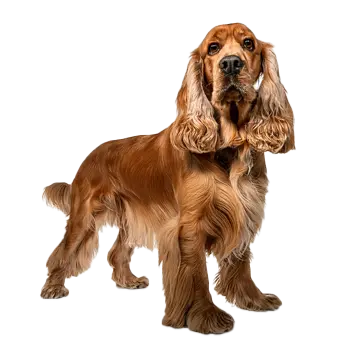
The Cocker Spaniel is the smallest member of the sporting group, standing between thirteen and a half to fifteen and a half inches tall at the withers and weighing twenty to thirty pounds, creating a compact yet substantial build. These dogs possess a well-balanced, sturdy body structure that enables both agility and endurance, characteristics essential for their original purpose as hunting companions. The American Cocker Spaniel typically appears slightly larger and more refined than its English counterpart, with a more pronounced head dome and shorter muzzle. Their body length creates a rectangular outline with good depth of chest extending to the elbows, providing adequate lung capacity for sustained activity. The strong, straight back and moderate tuck-up contribute to their athletic yet elegant appearance. The Cocker Spaniel's most distinctive features include their luxuriously long, silky coat and characteristically long, low-set ears that frame the face with abundant feathering. The coat is medium to long in length with a silky texture and may be straight or slightly wavy, featuring beautiful feathering on the ears, chest, abdomen, and legs that creates their signature elegant appearance. The breed comes in numerous color variations including solid black, brown, red, and liver, as well as parti-colors and tri-colors with various patterns and combinations. Their expressive, large round eyes are typically dark brown, conveying a gentle, soulful expression that has captivated dog lovers for generations. The head is refined and well-proportioned with a rounded skull, well-defined stop, and square muzzle of moderate length. The breed displays graceful, flowing movement with their ears swinging in rhythm with their gait. Their long, well-feathered ears hang close to the cheeks and can reach nearly to the nose when drawn forward, serving their original hunting purpose of sweeping scent particles toward the nose. The tail is typically docked to a moderate length in countries where the practice is permitted, carried in line with or slightly above the topline and wagging constantly. Their feet are compact and round with thick pads, and the legs are straight with good bone substance. The overall impression is one of beauty combined with athleticism, a dog that moves with elegant efficiency while maintaining a friendly, approachable demeanor. Their gorgeous coat requires dedicated grooming to prevent matting and maintain the breed's characteristic flowing appearance, with professional grooming typically needed every six to eight weeks.
Key Characteristics
The Cocker Spaniel temperament embodies a wonderful combination of affection, playfulness, and gentle devotion that has made them beloved family companions for generations. These intelligent, eager-to-please dogs form deep, loving bonds with their families and thrive on human interaction and companionship. Often described as merry dogs, Cockers display perpetually wagging tails and enthusiastic, joyful attitudes toward life. Their sweet, sensitive nature makes them particularly responsive to their owners' emotions, and they excel at providing comfort and companionship. While they can be independent thinkers, their strong desire to please generally makes training enjoyable and productive when positive reinforcement methods are employed. However, their sensitive temperament means they respond poorly to harsh corrections or punishment, potentially becoming withdrawn, anxious, or even developing defensive behaviors. Cocker Spaniels are naturally social and friendly toward people, making them excellent family dogs who typically get along well with children, other dogs, and household pets when properly socialized. Their hunting heritage remains evident in their enthusiastic, energetic nature and occasional prey drive, though this has been considerably softened through generations of breeding for companionship. They require substantial daily exercise and mental stimulation to channel their high energy appropriately. Without adequate activity, Cockers may develop problematic behaviors including excessive barking, destructive chewing, or hyperactivity. Their alertness and territorial instincts make them effective watchdogs who readily announce visitors, though they are generally too friendly to serve as guard dogs. Some individuals may display caution or reservation with strangers initially, particularly those from working lines, but typically warm quickly once properly introduced. A critical aspect of Cocker temperament is their absolute need for companionship and inclusion in family activities. These dogs suffer significantly when isolated or left alone for extended periods, potentially developing severe separation anxiety manifesting as destructive behaviors, excessive vocalization, or depression. They truly want to be involved in every aspect of their owners' lives and do best with families who can provide substantial time and attention. Early socialization exposing puppies to various people, animals, environments, and experiences is essential for developing confident, well-adjusted adults. Prospective owners should be aware that responsible breeding practices significantly impact temperament, as some poorly bred Cockers may display nervousness, timidity, or inappropriate aggression. When obtained from reputable breeders who prioritize temperament alongside health and conformation, Cockers typically exhibit the breed's characteristic gentle, loving, playful personality that makes them outstanding companions for active families committed to their care and companionship needs.
The Cocker Spaniel has a typical lifespan of ten to fourteen years and while generally healthy, the breed is predisposed to several conditions requiring awareness and proactive management. Their distinctive long, pendulous ears create one of the most common health concerns in the breed. The ear structure restricts air circulation within the ear canal, creating a warm, moist environment ideal for bacterial and yeast infections. Regular cleaning, inspection after swimming or bathing, and keeping the inner ear fur trimmed help prevent infections, though many Cockers still develop chronic ear problems requiring ongoing management. Severe, repeated infections can damage the ear canal leading to hearing loss or necessitating surgical intervention in extreme cases. Eye disorders affect Cockers more frequently than many breeds, including progressive retinal atrophy causing gradual vision loss and eventual blindness, cataracts that cloud the lens and impair vision, and glaucoma resulting in painful increased eye pressure. Responsible breeders conduct comprehensive eye examinations and obtain clearances from the Canine Eye Registry Foundation before breeding. Hip dysplasia, while more common in larger breeds, occurs in Cockers when the hip joint develops improperly, leading to arthritis, pain, and mobility issues. Luxating patella, where the kneecap slips from its normal position, causes lameness and discomfort, with severe cases requiring surgical correction. Epilepsy represents another significant concern, typically manifesting between six months and five years of age with seizures often requiring lifelong medication management. The breed shows predisposition to various systemic conditions including hypothyroidism, an endocrine disorder causing metabolic changes, weight gain, coat problems, and lethargy that responds well to thyroid hormone supplementation once diagnosed through blood testing. Autoimmune diseases including autoimmune hemolytic anemia and thrombocytopenia can affect Cockers, potentially becoming life-threatening without prompt treatment. Heart disease, liver disease, and pancreatitis occur with some frequency in the breed. Obesity represents a preventable concern given Cockers' hearty appetites and tendency to overeat if allowed, making portion control and regular exercise essential. Dental disease, skin infections secondary to allergies or inadequate grooming, and various allergies affecting skin and ears are common. Some coat colors, particularly golden Cockers, show higher incidences of aggression and behavioral issues, highlighting the importance of selecting puppies from lines bred for stable temperaments. Regular veterinary care, maintaining ideal body weight, proper grooming including ear care, and working with breeders who conduct comprehensive health testing help minimize these risks and support long, healthy lives.
Australian Shepherd

The Australian Shepherd is a medium-sized, athletic breed displaying remarkable balance and agility. Males typically stand between twenty and twenty-three inches at the withers and weigh fifty to sixty-five pounds, while females measure eighteen to twenty-one inches tall and weigh forty to fifty-five pounds. Despite the name suggesting Australian origins, the breed was actually developed in the western United States during the nineteenth century, refined from European herding dogs that arrived via Australia. These dogs possess a lean, muscular build with moderate bone and a low center of gravity that provides exceptional agility and quick directional changes essential for herding livestock. Their well-proportioned body is slightly longer than tall, creating a rectangular outline that suggests endurance and working ability rather than speed alone. The Australian Shepherd's most striking characteristic is their luxurious double coat of medium length that provides weather protection and comes in an extraordinary variety of colors and patterns. The moderately long, straight to slightly wavy outer coat features shorter hair on the face and front of the legs, with moderate feathering on the back of the legs and a generous mane and frill around the neck and chest. The dense undercoat varies in quantity depending on climate. Coat colors include blue merle, red merle, solid black, and solid red, all with or without white markings and copper points. The distinctive merle pattern creates a marbled appearance where lighter and darker shades blend. White markings commonly appear on the face, chest, legs, and underparts, while copper points accent the face, legs, and under the tail. Their expressive eyes may be brown, blue, amber, or any combination including heterochromia where each eye differs in color. The breed's head is clean-cut and proportionate to the body with a slightly rounded skull and moderate stop. The triangular ears are set high and carried semi-erect or folded, giving an alert, attentive expression. The muzzle is equal in length to the skull, tapering slightly from base to nose. Many Aussies are born with naturally bobbed tails of varying lengths, while others have full-length tails that may be docked in regions where the practice is permitted. Their gait is smooth, free, and easy with remarkable agility and balance, capable of sudden stops and direction changes. The overall impression is one of a tireless worker with keen intelligence, alert expression, and athletic build designed for demanding physical tasks. Their moderate size combined with substantial stamina makes them ideal for herding work while remaining manageable as family companions. The varied and often spectacular coat colors, particularly the merles, contribute significantly to the breed's popularity and striking appearance.
Key Characteristics
The Australian Shepherd temperament reflects their heritage as intelligent, versatile herding dogs bred for independent thinking and tireless work ethic. These highly intelligent dogs rank among the smartest breeds, capable of learning complex tasks quickly and problem-solving independently. Their eagerness to please combined with quick learning ability makes them highly trainable and responsive to positive reinforcement methods, excelling in obedience, agility, herding trials, and various dog sports. However, their intelligence demands substantial mental stimulation and purposeful activity to prevent boredom-driven destructive behaviors. Without adequate challenges, Aussies may create their own entertainment through digging, chewing, excessive barking, or other undesirable activities. Their working heritage instills strong protective instincts toward their family and territory, making them naturally alert watchdogs who announce visitors and unusual occurrences. Australian Shepherds form deep, loyal bonds with their families and thrive on being integral parts of household activities. They are naturally affectionate and gentle with their people, displaying remarkable sensitivity to human emotions and moods. While loving with their families, Aussies can be reserved or cautious with strangers, requiring early and ongoing socialization to develop appropriate social skills and prevent excessive wariness. Their herding instincts often manifest in attempts to herd children, other pets, or even vehicles, potentially involving nipping at heels to encourage movement. This behavior requires management through training and appropriate outlets for their herding drive. Aussies generally coexist well with other dogs and pets when properly introduced and socialized, viewing them as part of their flock to protect and manage. This breed's energy level ranks among the highest of all breeds, requiring extensive daily physical exercise far beyond simple walks. They need opportunities to run, play vigorously, and engage in activities that utilize their natural athleticism and working instincts. Ideal activities include hiking, running, fetching, swimming, herding, agility courses, and interactive games that provide both physical and mental challenges. Without sufficient exercise, Aussies become frustrated and may develop behavioral problems. Their intensity and drive make them unsuitable for sedentary households or owners unable to commit substantial time to exercise and training. Early socialization exposing puppies to various people, animals, environments, and experiences is crucial for developing confident, well-adjusted adults. Training should begin early using positive methods that engage their intelligence while establishing clear boundaries and expectations. Australian Shepherds need owners who appreciate their intensity, can provide the structured activity and mental stimulation they require, and want an involved companion who participates fully in family life rather than a passive house pet.
The Australian Shepherd typically enjoys a lifespan of twelve to fifteen years with a median of approximately thirteen point seven years. While generally healthy, the breed is predisposed to several hereditary conditions that responsible breeders screen for before breeding. Hip dysplasia and elbow dysplasia represent significant orthopedic concerns where the joints develop improperly, causing malalignment that leads to osteoarthritis, pain, and reduced mobility over time. These conditions are particularly problematic given the breed's high activity level and athletic demands. Breeding stock should receive hip and elbow evaluations from the Orthopedic Foundation for Animals or PennHip, with only dogs showing good or excellent ratings used in breeding programs. Eye disorders affect Australian Shepherds more frequently than many breeds, with various conditions potentially impacting vision. Progressive retinal atrophy causes gradual degeneration of the retina leading to night blindness progressing to complete vision loss. Cataracts cloud the lens impairing vision and may require surgical removal. Collie eye anomaly, a developmental disorder affecting the eye's structure, ranges from mild to severe vision impairment. Iris coloboma occurs when the iris fails to develop properly, causing light sensitivity and requiring affected dogs to avoid bright sunlight. Responsible breeders have breeding stock examined by board-certified veterinary ophthalmologists with results registered through the Canine Eye Registry Foundation. Dogs carrying genes for these conditions should not be bred. Epilepsy occurs more frequently in Australian Shepherds than many breeds, typically manifesting between six months and three years of age with seizures ranging from mild to severe. While medication often controls seizures, the condition requires lifelong management. The MDR1 gene mutation affects a significant percentage of Australian Shepherds, causing increased sensitivity to certain medications including ivermectin. Dogs carrying this mutation can experience severe, potentially fatal reactions to normally safe drug doses. Genetic testing identifies carriers, allowing veterinarians to avoid problematic medications. Aussies carrying two copies of the merle gene, produced when two merle-patterned dogs are bred together, are often born predominantly white and may be deaf, blind, or both, requiring specialized care and training. Responsible breeders never breed two merle dogs together. Hemolytic anemia and thrombocytopenia, rare blood disorders, occur more frequently in Australian Shepherds than most breeds. Hypothyroidism, affecting the thyroid gland's function, can develop as dogs age, causing metabolic changes, weight gain, and coat problems but responds well to hormone supplementation. The breed may develop various allergies affecting skin and causing ear infections. Cancer, particularly hemangiosarcoma and lymphoma, affects some Australian Shepherds. Maintaining ideal body weight through appropriate diet and exercise helps protect joint health crucial for this active breed. Purchasing puppies from breeders who conduct comprehensive health testing, provide documentation of clear results, and prioritize health alongside working ability helps minimize inherited disease risks and supports long, active lives.
Important to Remember
Each hybrid dog is unique and may inherit any combination of traits from either parent breed. The information above represents the characteristics of the purebred parent breeds. Your Cotralian may favor one parent over the other or display a blend of both. We strongly encourage you to read the complete breed profiles for both the Cocker Spaniel and Australian Shepherd to fully understand the range of possible temperaments, health concerns, and care requirements.