Cosheltie
Hybrid Breed Description
The Cosheltie is a cross between the Collie and the Shetland Sheepdog. Because each hybrid inherits a unique combination of traits from both parents, we recommend thoroughly researching both breeds before choosing a Cosheltie. Pay special attention to temperament, health issues, and care requirements, as your dog may express characteristics from either parent breed.
Collie

Collies are medium to large dogs with males standing twenty-four to twenty-six inches at the shoulder and weighing sixty to seventy-five pounds, while females measure twenty-two to twenty-four inches and weigh fifty to sixty-five pounds. These elegant dogs possess a slightly longer body than their height, creating a graceful silhouette with smooth, flowing lines. Their wedge-shaped heads are refined and well-proportioned, featuring long muzzles that taper smoothly toward the nose, creating the distinctive Collie expression. The breed comes in two coat varieties that share similar structure but differ in length. Rough Collies display abundant, long, harsh outer coats that flow as they move, with the hair particularly profuse around the neck forming a distinctive mane and frill. Smooth Collies possess shorter, dense coats of one to two inches with the same double-coat structure but without the flowing appearance. Both varieties feature thick, woolly undercoats that provide excellent insulation. Coat colors include sable and white, tricolor with black and tan markings, blue merle with gray and black marbling, and white with various color markings. Collies possess almond-shaped eyes that are typically dark brown, though blue or merle eyes appear in blue merle dogs, conveying an intelligent, gentle expression. Their medium-sized ears are tulip-shaped, standing mostly erect with tips folding forward, positioned proportionately on the skull. The long, feathered tail is carried low when relaxed and may lift during activity without curling over the back. Their overall appearance combines strength with elegance, reflecting their heritage as working herding dogs capable of covering rough terrain with endurance and grace.
Key Characteristics
Collies are distinguished by their gentle, friendly, and highly intelligent nature, making them exceptional family companions and working dogs. These dogs possess remarkable trainability and eagerness to please their owners, responding enthusiastically to positive reinforcement and demonstrating quick learning abilities that have made them successful in various roles from herding to assistance work. Their intuitive understanding of human emotions and behavior allows them to bond deeply with all family members, often learning individual personalities and adjusting their responses accordingly. These herding dogs maintain strong protective instincts without aggression, serving as vigilant watchdogs who alert their families to anything unusual while welcoming approved guests warmly. Collies are notably patient and gentle with children, though their herding background may manifest in attempting to keep youngsters together by circling or gentle nudging. They thrive on companionship and involvement in family activities, becoming unhappy when isolated or relegated to outdoor-only living, as they need the human interaction that is central to their temperament. While Collies possess high energy and require substantial daily exercise, they are less intense than Border Collies and will settle calmly indoors once their physical and mental needs are met. They need at least forty-five to sixty minutes of outdoor activity daily, enjoying long walks, play sessions, and activities that engage their intelligence. Without adequate stimulation, they may develop nuisance behaviors including excessive barking, which can be their most challenging trait when bored or under-exercised. Early socialization and consistent, gentle training are essential to develop their natural talents while managing their sensitive temperaments and preventing shyness.
Collies are generally healthy dogs with a lifespan of twelve to fourteen years, though they are predisposed to several inherited conditions requiring awareness and screening. Collie eye anomaly is the most significant breed-specific concern, an inherited developmental disorder affecting eye structure that can range from minor changes to severe vision loss or blindness. This condition is typically diagnosed in puppies as young as six to eight weeks old through ophthalmologic examination, and genetic testing can identify carriers to inform breeding decisions. Hip dysplasia and elbow dysplasia are common orthopedic concerns where abnormal joint development leads to arthritis, pain, and reduced mobility over time. These conditions can be managed with weight control, appropriate exercise, and medications in mild cases, though severe instances may require surgical intervention. The breed also shows sensitivity to certain medications due to the MDR1 gene mutation, making them vulnerable to adverse reactions from common drugs including ivermectin, making genetic testing important for safe treatment protocols. Additional health issues include progressive retinal atrophy causing gradual vision loss, cataracts that can develop with age, bloat in deep-chested individuals requiring emergency intervention, and dermatomyositis, an inflammatory skin and muscle condition seen in young Collies. The breed may also experience epilepsy with seizures typically beginning in young adulthood, and hypothyroidism affecting metabolism and coat quality. Regular veterinary care, maintaining healthy weight, proper dental hygiene, and working with breeders who conduct health screenings for eyes, hips, and genetic conditions can help manage these risks and promote longevity in this beloved breed.
Shetland Sheepdog
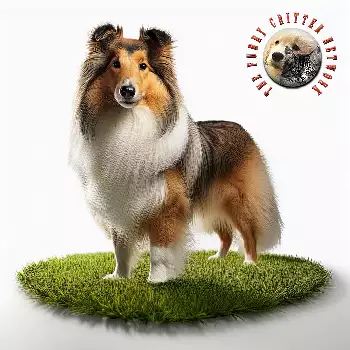
Shetland Sheepdogs, affectionately known as Shelties, are small to medium-sized dogs standing thirteen to sixteen inches tall at the shoulder and weighing fifteen to twenty-five pounds. While often mistaken for miniature Collies, Shelties are a distinct breed with their own characteristics, possessing compact, agile frames that are slightly longer than tall. Their bodies are sturdy yet refined, with well-muscled builds that belie their relatively small size and reflect their heritage as hardy working dogs. The breed's most striking feature is their abundant double coat consisting of a long, straight, harsh outer coat and a dense, soft undercoat that provides excellent weather protection. The coat forms a particularly luxurious mane and frill around the neck and chest, with profuse feathering on the legs and a plumed tail. Shelties come in several beautiful color combinations including sable ranging from golden to mahogany, black, tricolor with black, white, and tan, and blue merle featuring silvery blue with black marbling, all typically marked with white blazes, collars, and leg markings. Shelties possess wedge-shaped heads that are refined and elegant, though less elongated than show Collies, with intelligent almond-shaped eyes that can be dark brown or, in merle dogs, blue or merle. Their small, high-set ears are erect with tips naturally folding forward, creating an alert, attentive expression. The tail is long and carried low when relaxed, rising enthusiastically during activity. Their overall appearance combines grace with substance, creating dogs that are both beautiful and athletic, capable of remarkable agility and endurance despite their modest size.
Key Characteristics
Shetland Sheepdogs possess exceptional intelligence, sensitivity, and devotion to their families, making them outstanding companions for the right households. These dogs are remarkably intuitive and emotionally perceptive, reading their owners' moods and responding with empathy, which has made them excellent therapy dogs and deeply bonded family members. They are naturally reserved and cautious with strangers, taking time to assess new people before warming up, which reflects their heritage as farm guardians and differs from the more immediately outgoing Collie temperament. Shelties are highly trainable and excel in obedience, agility, and herding competitions due to their quick minds and eager-to-please attitudes. However, their sensitivity means they respond poorly to harsh corrections, requiring gentle, positive reinforcement methods and patient, consistent training. Their herding instincts remain strong, and they may attempt to keep family members together or react to fast-moving objects, requiring early training to manage these behaviors appropriately around children and other pets. These energetic dogs need substantial daily exercise and mental stimulation to remain happy and well-behaved, thriving on activities that engage both body and mind. Without adequate outlets, they can develop problem behaviors including excessive barking, which is their most notable trait as they tend to be quite vocal, alerting their families to any changes in their environment. Shelties form intensely loyal bonds with their families and can develop separation anxiety when left alone for extended periods. They are gentle with children when raised together and generally good with other pets through proper socialization, making them wonderful family dogs for active households who can provide the attention, exercise, and mental challenges they require.
Shetland Sheepdogs are generally healthy dogs with a lifespan of twelve to fourteen years, though they are predisposed to several inherited conditions common in herding breeds. Collie eye anomaly is the most significant genetic concern, an inherited developmental disorder affecting the retina and blood vessels of the eye that can range from minor changes to severe complications including retinal detachment and blindness. Early diagnosis through ophthalmologic examination and genetic testing allows breeders to make informed decisions, though no treatment exists for the condition itself. Hip dysplasia, while less common in Shelties than many breeds, still occurs when abnormal hip joint development leads to arthritis and mobility issues over time. The breed also shows predisposition to several other orthopedic and systemic conditions including patellar luxation where the kneecap slips out of position, von Willebrand's disease causing blood clotting problems and excessive bleeding, and hypothyroidism resulting in weight gain, lethargy, and coat changes requiring lifelong medication management. The MDR1 gene mutation affects many Shelties, creating dangerous sensitivity to common medications including ivermectin and other drugs, making genetic testing essential for safe veterinary treatment. Additional concerns include progressive retinal atrophy causing gradual vision loss, epilepsy with seizures typically beginning in young adulthood, and dermatomyositis, an inflammatory skin and muscle condition affecting young dogs. Transitional cell carcinoma, a bladder cancer, occurs at four times the rate in Shelties compared to other breeds. Regular veterinary care, genetic health screening, maintaining healthy weight through appropriate diet and exercise, and working with responsible breeders who test for inherited conditions can help manage these health risks and promote the longest, healthiest lives possible for these devoted companions.
Important to Remember
Each hybrid dog is unique and may inherit any combination of traits from either parent breed. The information above represents the characteristics of the purebred parent breeds. Your Cosheltie may favor one parent over the other or display a blend of both. We strongly encourage you to read the complete breed profiles for both the Collie and Shetland Sheepdog to fully understand the range of possible temperaments, health concerns, and care requirements.