Corgi Pug
Hybrid Breed Description
The Corgi Pug is a cross between the Welsh Corgi and the Pug. Because each hybrid inherits a unique combination of traits from both parents, we recommend thoroughly researching both breeds before choosing a Corgi Pug. Pay special attention to temperament, health issues, and care requirements, as your dog may express characteristics from either parent breed.
Welsh Corgi
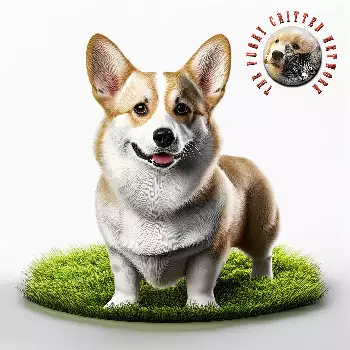
The Pembroke Welsh Corgi is a small but sturdy herding breed characterized by its distinctive low-set profile and powerful build. Standing between ten to twelve inches at the shoulder, these compact canines typically weigh between twenty-two to thirty pounds when fully grown, though females tend to be slightly smaller. Despite their diminutive stature, Corgis possess substantial muscle throughout their bodies with a deep chest and strong, thick limbs that belie their small size. Their body is slightly longer than tall, creating an elongated rectangular silhouette, though they maintain a straight back without being extreme in any area. The breed's most distinctive feature is its double coat, which is weatherproof and relatively short but remarkably dense. Colors range from rich red and fawn to sable and black, often accompanied by white markings. Tri-colored varieties showcase black with white and tan accents, while heads can vary from red to black coloring. The coat sheds heavily throughout the year with seasonal peaks in spring and autumn. Occasionally, fluffy Corgis appear with longer, softer coats, though these are considered undesirable for show purposes. Corgis have erect, triangular ears that are firm and medium-sized, positioned in proportion to their fox-like head shape. Their eyes are dark and expressive, conveying intelligence and alertness. The breed's chondrodysplastic nature, meaning they have slightly bowed limbs and shortened leg bones, contributes to their unique appearance. Many Pembroke Welsh Corgis have naturally bobbed tails or traditionally docked tails, distinguishing them from their Cardigan cousins who retain full tails. This compact herding dog maintains an athletic build designed for agility and endurance despite appearing low to the ground.
Key Characteristics
Corgis are exceptionally intelligent and energetic dogs with strong herding instincts deeply embedded in their genetic makeup. These alert canines possess sharp minds that make them quick learners, though this intelligence can sometimes manifest as a mischievous or manipulative streak if not properly channeled. Originally bred to herd cattle by nipping at their heels, Corgis maintain this instinct and may attempt to herd family members, children, or other pets. They are highly people-oriented dogs that thrive on working with their owners and genuinely enjoy training activities, though they require a firm yet kind hand to prevent them from taking charge themselves. Despite their small stature, Corgis carry themselves with remarkable confidence and self-assurance, often acting as though they're much larger dogs. They excel as watchdogs with keen hearing and a propensity for barking at unfamiliar sounds or people, though this alertness can sometimes lead to excessive alarm barking if not properly managed. These social dogs form strong bonds with their families and dislike being left alone for extended periods, potentially developing separation anxiety or engaging in destructive behaviors like digging and chewing when isolated or under-stimulated. Corgis display a playful, outgoing personality with an apparent sense of humor that endears them to their families. While generally friendly and loyal, they can be stubborn and independent-minded, preferring to make their own rules rather than follow commands. Early socialization and consistent training are essential to manage their dominant tendencies and herding behaviors, particularly around small children whom they may nip to redirect. With proper exercise, mental stimulation, and firm leadership, Corgis become devoted, affectionate companions that bring joy and entertainment to active households willing to meet their needs.
Corgis are generally hardy dogs with a lifespan of twelve to fifteen years, though their unique body structure predisposes them to certain health concerns. Their chondrodysplastic build, characterized by short legs and an elongated back, makes them particularly vulnerable to intervertebral disc disease and other back problems. Spinal issues can range from mild discomfort to serious conditions requiring surgical intervention, emphasizing the importance of preventing activities that strain their backs, such as jumping from heights or navigating steep stairs repeatedly. Hip dysplasia and elbow dysplasia are inherited orthopedic conditions that affect Corgis, occurring when the ball and socket joints don't align properly. This misalignment causes progressive arthritis, pain, and mobility issues. Responsible breeders screen for these conditions through radiographic evaluation. Degenerative myelopathy, a progressive neurological disease similar to ALS in humans, affects the spinal cord and eventually leads to paralysis of the hind legs. While genetic testing can identify carriers, there is currently no cure for this condition. Progressive retinal atrophy represents another hereditary concern, causing gradual vision deterioration that can lead to complete blindness. Other eye issues include cataracts and glaucoma. Corgis also face an increased risk of obesity due to their robust appetites and tendency toward food motivation. Excess weight exacerbates joint problems and back issues, making weight management crucial for their overall health. Regular veterinary checkups, appropriate exercise regimens, proper nutrition, and careful monitoring of their body condition can help Corgis live healthy, active lives while minimizing the impact of breed-specific health challenges.
Pug

The Pug is a compact, square-bodied toy breed distinguished by its wrinkled face, short muzzle, and curled tail. Standing ten to thirteen inches tall at the shoulder and weighing between fourteen to eighteen pounds, Pugs present a muscular, sturdy build despite their small size. Their body features well-developed muscles throughout with substantial limbs that give them surprising strength and solidity for members of the toy group. The head is notably large and round in proportion to the body, creating the breed's characteristic appearance that many find endearing. Pugs possess a distinctive flat face with a very short, blunt muzzle that creates their signature brachycephalic profile. Deep wrinkles cover the forehead, with the vertical wrinkle resembling the Chinese character for prince, traditionally called the prince mark. Their prominent, large, round eyes are dark and lustrous, protruding somewhat from the skull, which makes them vulnerable to injury. The small ears come in two varieties: rose ears that fold forward or button ears that fold over with the front edge against the side of the head, with button ears being preferred. The tail curls tightly over the hip in a single or highly prized double curl. The breed's coat is fine, smooth, soft, and short with a glossy appearance that lies close to the body. Coat colors include fawn, apricot, silver, and black, with fawn varieties displaying a distinctive black mask on the face and black ears. A trace of black often extends down the back from the head to the tail. Despite the short coat, Pugs shed considerably year-round with increased shedding during seasonal changes. Their compact square shape, combined with their unique facial features and curled tail, creates an instantly recognizable silhouette that has captivated dog lovers for centuries.
Key Characteristics
Pugs are charming, affectionate companion dogs known for their even-tempered disposition and sociable nature. These friendly canines thrive on human interaction and form deep bonds with their families, displaying remarkable devotion and a strong desire to remain close to their people at all times. Despite being classified as toy dogs, Pugs possess big personalities with a playful spirit and apparent sense of humor that entertains those around them. They approach life with dignity mixed with a clownish charm, living up to their breed motto multum in parvo, meaning much in little. Pugs are generally good-natured with children and other pets, making them excellent family companions. Their patient, gentle temperament allows them to tolerate the unpredictability of young children better than many small breeds. While not overly energetic, Pugs enjoy playtime and interactive games with moderate enthusiasm. They can be stubborn at times but typically want to please their owners, responding well to positive reinforcement training methods. Their intelligence allows them to learn commands and tricks, though training may require extra patience due to their occasional independent streak. These companion dogs are neither aggressive nor excessively shy, displaying confidence without being domineering. Pugs serve as adequate watchdogs, alerting to strangers or unusual sounds, though they are not prone to excessive barking like some toy breeds. They adapt well to various living situations, from apartments to houses, as long as they receive attention and companionship. Pugs dislike being left alone for extended periods and may develop separation anxiety if isolated too frequently. Their laid-back nature, combined with their affectionate personality and adaptability, makes them ideal companions for individuals and families seeking a devoted, entertaining, and loving small dog.
Pugs face numerous health challenges primarily related to their brachycephalic anatomy and genetic predispositions, with lifespans typically ranging from twelve to fifteen years. Brachycephalic obstructive airway syndrome represents the most significant health concern, encompassing stenotic nares, elongated soft palate, and tracheal hypoplasia. These anatomical abnormalities severely compromise breathing, causing labored respiration, snoring, heat intolerance, and exercise limitations. Affected Pugs may require surgical intervention to improve airway function, though complete correction is often impossible given the breed's fundamental structure. The breed's prominent eyes predispose them to numerous ocular problems including corneal ulcers, dry eye, progressive retinal atrophy, entropion, and pigmentary keratitis. Eye injuries occur frequently due to the eyes' protrusion and lack of protection. Pugs also suffer from skin fold dermatitis, where bacteria and yeast thrive in their numerous facial wrinkles and body folds, causing painful infections requiring diligent cleaning and care. Obesity represents another major concern, as Pugs have large appetites combined with limited exercise tolerance, and excess weight exacerbates all other health problems. Pug Dog Encephalitis is a devastating breed-specific neurological condition causing brain inflammation, typically affecting young to middle-aged dogs with no known cure. The disease manifests through seizures, disorientation, and progressive neurological decline, usually resulting in euthanasia. Orthopedic issues including luxating patella, hip dysplasia, and Legg-Calve-Perthes disease affect the breed due to their body structure. Hemivertebrae, a spinal malformation where vertebrae develop abnormally, can cause severe pain and paralysis. Dental overcrowding due to their shortened jaw requires meticulous oral care. The cumulative health burden means Pugs require substantial veterinary care and monitoring, with many dogs experiencing multiple concurrent health issues that significantly impact their quality of life.
Important to Remember
Each hybrid dog is unique and may inherit any combination of traits from either parent breed. The information above represents the characteristics of the purebred parent breeds. Your Corgi Pug may favor one parent over the other or display a blend of both. We strongly encourage you to read the complete breed profiles for both the Welsh Corgi and Pug to fully understand the range of possible temperaments, health concerns, and care requirements.