Border Point
Hybrid Breed Description
The Border Point is a cross between the Border Collie and the Pointer. Because each hybrid inherits a unique combination of traits from both parents, we recommend thoroughly researching both breeds before choosing a Border Point. Pay special attention to temperament, health issues, and care requirements, as your dog may express characteristics from either parent breed.
Border Collie

Border Collies present as medium-sized working dogs with remarkable athletic builds designed for endurance and agility. Males typically reach heights between nineteen and twenty-two inches at the shoulder, weighing thirty to forty-five pounds, while females stand slightly smaller at eighteen to twenty-one inches and weigh twenty-seven to forty-two pounds. Their bodies display a harmonious structure, slightly longer than tall, with muscular frames that convey both power and grace. The breed possesses strong, straight forelegs with good bone structure and slightly sloping pasterns, deep chests providing ample heart room, and powerful hindquarters that enable their characteristic herding movements. Their athletic build allows for remarkable agility and the endurance necessary for working long hours in challenging terrain, with every physical feature optimized for the demands of herding livestock across hills and valleys. The Border Collie's coat represents one of their most distinctive features, appearing in two primary varieties: smooth or rough. Both types feature weather-resistant double coats with soft, dense undercoats and outer coats that may be straight or slightly wavy. The rough-coated variety displays feathering on the legs, chest, and underside, while smooth-coated individuals maintain shorter hair throughout. While the classic black and white pattern remains most recognizable and iconic, Border Collies exhibit an impressive color spectrum including red and white, blue merle, red merle, tricolor combinations of black, tan, and white, sable, brindle, and even solid colors in black, red, or blue. Their coats often display striking patterns with white markings typically appearing on the chest, face creating blazes, legs, and tail tip, though some individuals show minimal white while others present predominantly white coloring. Distinctive facial characteristics include intelligent, alert eyes that may vary from brown to blue, with some individuals displaying heterochromia where each eye shows a different color. The breed's ears stand erect or semi-erect with tips that often fold over, contributing to their attentive, responsive expression that conveys constant awareness. Border Collies carry their moderately long, feathered tails low with an upward curve at the tip, particularly when alert or actively working. Their overall appearance radiates focused intensity and readiness for action, with every physical aspect reflecting their heritage as premier working sheepdogs bred specifically for stamina, speed, and performance across diverse terrain and weather conditions.
Key Characteristics
Border Collies rank among the most intelligent dog breeds in the world, possessing exceptional learning capabilities and problem-solving skills that enable them to master complex commands and tasks with remarkable speed. This superior intelligence translates into an eager-to-please personality and excellent trainability, though it also means they require constant mental stimulation to prevent boredom-related destructive behaviors. Their working heritage instills an intense drive and boundless energy that demands daily physical exercise and engaging activities. Without adequate outlets for their mental and physical needs, Border Collies may develop unwanted behaviors including excessive barking, digging, chewing, or attempting to herd household members and other pets. The breed demonstrates profound loyalty and forms deep bonds with their families, often selecting a favorite person while maintaining affection for all household members. Border Collies excel as watchdogs, remaining alert to their surroundings and protective of their territory, though they typically express concern through barking rather than aggression. Their herding instincts remain powerful throughout their lives, manifesting in tendencies to chase moving objects, nip at heels, and attempt to control the movement of children, other pets, and even vehicles. Early socialization proves essential, as Border Collies can display reservation or wariness around strangers without proper exposure to diverse people and situations during their formative months. These remarkable dogs thrive in environments where they receive consistent training, clear boundaries, and purposeful work or activities. They respond exceptionally well to positive reinforcement methods and demonstrate sensitivity to their handler's emotions and cues. Border Collies make outstanding companions for active families or individuals who can commit to their substantial exercise requirements and provide the mental challenges they crave, whether through herding trials, agility competitions, obedience training, or interactive play sessions that engage their sharp minds and athletic abilities.
Border Collies generally enjoy good health as a breed, with life expectancies typically ranging from twelve to fifteen years when provided with proper care and nutrition. However, certain genetic conditions appear with higher frequency in the breed and warrant awareness from prospective owners. Hip dysplasia represents a significant concern, characterized by abnormal development of the hip joint where the ball and socket fail to fit together properly, potentially leading to arthritis, pain, and mobility issues. Similarly, elbow dysplasia can affect the breed, causing joint problems and lameness in the forelegs. Collie Eye Anomaly ranks among the most prevalent inherited conditions affecting Border Collies, involving abnormal development of the eye's structures including the choroid, retina, and sclera. Severity ranges from mild cases with minimal vision impact to severe forms potentially causing blindness. Progressive Retinal Atrophy, though less common in modern Border Collie populations, causes gradual retinal degeneration that may progress to complete vision loss. Additional eye concerns include cataracts and lens luxation. Epilepsy affects some Border Collies, with idiopathic seizures typically appearing between six months and three years of age, though the condition can be managed with appropriate medication. Other health considerations include Trapped Neutrophil Syndrome, a genetic immune system disorder affecting puppies, and Neuronal Ceroid Lipofuscinosis, a rare but serious metabolic disease causing progressive neurological deterioration. The breed may experience Border Collie Collapse, an exercise-induced condition triggering disorientation and weakness during intense activity. Responsible breeders conduct health screenings including hip and elbow evaluations, eye examinations, and genetic testing for known hereditary conditions. Regular veterinary checkups, maintaining healthy weight, providing appropriate exercise without overexertion during growth periods, and dental care contribute significantly to Border Collie longevity and quality of life throughout their active years.
Pointer
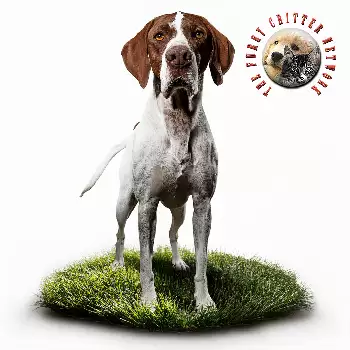
Pointers embody the ideal sporting dog physique, presenting as medium to large athletic dogs built for speed, endurance, and graceful movement. Males typically stand between twenty-three and twenty-eight inches at the shoulder, weighing fifty-five to seventy-five pounds, while females measure twenty-one to twenty-three inches in height and weigh forty-five to sixty-five pounds. Their bodies exhibit remarkable balance and symmetry, appearing slightly longer than tall, with lean, muscular frames that convey both power and agility. The breed displays deep chests providing substantial lung capacity, strong backs, and well-developed hindquarters that enable their characteristic sustained running ability. The Pointer's head creates their most distinctive feature, with a chiseled, aristocratic appearance characterized by a slightly dished or concave face profile. Their muzzles appear long and squared, with well-developed nostrils essential for their exceptional scenting abilities. Large, rounded eyes typically present in dark brown, conveying intelligence and alertness, with the color ideally contrasting against coat markings. Ears sit fairly high on the head, hanging close to the face with soft, velvety texture, reaching approximately to the lower jaw. The neck appears long and slightly arched, flowing smoothly into well-laid-back shoulders that contribute to their efficient, ground-covering gait. Pointers possess short, dense, smooth coats that lie flat against their bodies, feeling sleek to the touch and requiring minimal grooming maintenance. Color patterns prove highly variable and striking, with the breed appearing in numerous combinations including solid liver, lemon, orange, or black, though most commonly displaying white base coats with patches or ticking in these colors. Tricolor patterns also occur, featuring combinations of white, black, and tan markings. Their coats lack the undercoat found in many breeds, making them well-suited to warm climates but requiring protection in cold weather. Pointers carry moderate-length tails that taper to a point, traditionally held horizontally when pointing game, creating the straight line from nose to tail tip that epitomizes their working stance and gives the breed its name.
Key Characteristics
Pointers possess even-tempered, dignified personalities marked by intelligence, loyalty, and enthusiastic affection toward their families. Their temperaments typically display confidence without aggression, creating dogs that remain calm and composed in various situations while maintaining alert awareness of their surroundings. The breed demonstrates strong bonds with family members and shows particular tolerance and patience with children, making them excellent family companions when their exercise needs are adequately met. Pointers generally exhibit friendly, open dispositions toward strangers, rarely displaying the wariness or suspicion seen in some breeds, though they will alert their families to unusual occurrences. The hunting heritage deeply influences Pointer behavior and personality, manifesting in powerful prey drives and intense focus when they detect interesting scents or moving objects. This instinct means Pointers may chase small animals, birds, and even bicycles or joggers without proper training. Their pointing behavior often appears naturally, even in dogs never trained for hunting, with young puppies sometimes freezing in the characteristic stance when encountering birds or other game. This strong working drive translates into high energy levels requiring substantial daily exercise, typically one to two hours of vigorous activity. Without adequate physical and mental stimulation, Pointers may develop destructive behaviors, excessive barking, or hyperactivity. Intelligence marks another defining trait, with Pointers demonstrating quick learning abilities and responsiveness to training, particularly when positive reinforcement methods are employed. However, they can exhibit independent thinking and occasional stubbornness, sometimes becoming easily distracted by scents or movement. Their sensitive nature means they respond poorly to harsh corrections. Pointers thrive with patient, consistent guidance and enjoy participating in dog sports and field trials. They prefer active families who can provide outdoor adventures.
Pointers generally enjoy relatively good health as a breed, with life expectancies ranging from twelve to fifteen years when provided appropriate care and nutrition. However, several genetic and breed-specific health concerns warrant attention from prospective owners. Hip dysplasia affects Pointers with some frequency, occurring when the hip joint develops abnormally with the ball and socket failing to align properly, leading to pain, arthritis, and potential lameness. Elbow dysplasia similarly impacts some individuals, causing joint problems in the forelegs that may require medical management or surgical intervention. Responsible breeders screen their breeding stock for these orthopedic conditions. Gastric dilatation-volvulus, commonly known as bloat, poses a serious risk to Pointers due to their deep-chested conformation. This life-threatening emergency occurs when the stomach fills with gas and potentially twists, cutting off blood supply and preventing normal digestion. Risk factors include eating too rapidly, consuming large meals, and vigorous exercise immediately before or after eating. Preventive measures such as feeding smaller, frequent meals, using slow-feed bowls, and restricting activity around mealtimes prove essential. Hypothyroidism appears with some frequency in the breed, causing various symptoms including weight gain, lethargy, coat problems, and behavioral changes, though it responds well to thyroid hormone replacement therapy. Eye conditions including cataracts and entropion affect some Pointers, with entropion involving inward-rolling eyelids that cause irritation and potential corneal damage requiring surgical correction. Progressive Retinal Atrophy causes gradual vision loss. Hereditary sensory neuropathy represents a rare but serious genetic disorder affecting the nervous system and causing progressive loss of sensation in the limbs. Additionally, some Pointers may experience skin conditions, allergies, and dental problems requiring regular veterinary attention. Reputable breeders conduct health testing including hip and elbow evaluations, eye examinations, and thyroid screening.
Important to Remember
Each hybrid dog is unique and may inherit any combination of traits from either parent breed. The information above represents the characteristics of the purebred parent breeds. Your Border Point may favor one parent over the other or display a blend of both. We strongly encourage you to read the complete breed profiles for both the Border Collie and Pointer to fully understand the range of possible temperaments, health concerns, and care requirements.