Beauceroodle
Hybrid Breed Description
The Beauceroodle is a cross between the Beauceron and the Poodle. Because each hybrid inherits a unique combination of traits from both parents, we recommend thoroughly researching both breeds before choosing a Beauceroodle. Pay special attention to temperament, health issues, and care requirements, as your dog may express characteristics from either parent breed.
Beauceron
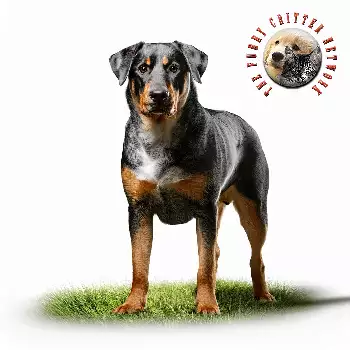
The Beauceron stands as an impressive and substantial working dog, with males reaching heights between twenty-five and twenty-seven inches at the shoulder and females measuring slightly smaller at twenty-four to twenty-six inches. These powerful canines typically weigh between sixty-five and one hundred pounds, presenting a solid and muscular build without appearing bulky or cumbersome. Their frame displays harmonious proportions with a square outline, featuring a long elegant neck that flows into a straight, powerful back. The breed possesses strong, well-balanced hindquarters and a distinctive long tail that curves slightly at the tip in a gentle hook shape. Their overall structure conveys both strength and agility, allowing them to perform demanding physical tasks while maintaining impressive grace and athleticism in movement. The coat represents one of the breed's most distinctive features, consisting of a double layer with a harsh, dense outer coat and a soft, woolly undercoat that thickens considerably in cold weather. The outer coat lies close to the body and measures short to medium in length, though slightly longer fringe appears around the neck and on the backs of the thighs and tail. Most commonly seen in black and tan coloring, the tan markings appear as distinctive dots above the eyes, along the sides of the muzzle, on the chest, legs, and under the tail. These tan accents earned the breed its French nickname of bas rouge, meaning red stockings, due to the characteristic markings on the lower legs. Less frequently, Beaucerons display a harlequin pattern combining black, gray, and tan. Another distinctive characteristic is the presence of double dewclaws on the hind legs, a traditional feature of French sheepdogs that remains an important breed identifier. The Beauceron's head showcases a flat or slightly rounded skull of medium length with dark brown, oval-shaped eyes that convey an alert and confident expression. The ears are set high and naturally droop alongside the head, though some are cropped to stand erect in certain regions. Their long muzzle balances proportionally with the skull, ending in a black nose. The breed's overall appearance combines rugged working dog heritage with noble bearing, creating a dog that commands attention and respect while demonstrating clear capability for both physical and mental challenges.
Key Characteristics
The Beauceron temperament reflects centuries of breeding for both herding and protection work, resulting in a dog that combines remarkable intelligence with strong loyalty and protective instincts. These dogs display exceptional confidence and self-assurance, approaching life with a frank and watchful demeanor that makes them outstanding natural guardians. While typically reserved and somewhat aloof with strangers, Beaucerons form deep bonds with their family members and demonstrate fierce devotion to those they know and trust. Their protective nature extends beyond simple territorial defense, as they possess an innate ability to assess situations and respond appropriately, making them excellent watchdogs who will alert to unusual activity while maintaining control. Despite their serious working heritage, properly socialized Beaucerons show a gentle and affectionate side with their families, enjoying close companionship and displaying sensitivity to human emotions and household dynamics. As working dogs bred for demanding tasks, Beaucerons possess high energy levels and require substantial daily physical and mental exercise to remain content and well-balanced. These intelligent animals excel at learning new skills and commands, demonstrating both eagerness to please and independent thinking abilities. However, their trainability comes with specific requirements, as they respond best to firm, fair, and consistent training methods using positive reinforcement. Harsh corrections or aggressive training techniques prove counterproductive with this sensitive breed. Beaucerons develop mentally and physically more slowly than many other large breeds, not reaching full maturity until approximately three years of age, which means training should progress patiently without rushing. Their herding instincts remain strong, often manifesting as a tendency to stay close to family members and even attempt to herd children or other pets, behaviors that require appropriate channeling through training and structured activities. When properly raised and socialized from an early age, Beaucerons make outstanding family companions who are particularly good with children due to their patient and tolerant nature. Early socialization proves essential for helping them develop appropriate responses to various people, animals, and situations. Without adequate exercise and mental stimulation, these active dogs can become destructive or develop unwanted behaviors like excessive barking or chewing. They thrive in environments where they receive a job or purpose, whether through obedience training, agility work, herding activities, or other canine sports. Their strong desire to work alongside humans and please their owners makes them highly trainable for various tasks, though their powerful build and energetic nature mean they generally suit experienced dog owners best who can provide the structure, activity, and leadership these impressive working dogs require.
The Beauceron generally stands as a relatively healthy and robust breed with fewer genetic issues than many other purebred dogs, largely due to their working dog heritage where only the fittest individuals historically survived and reproduced. However, like all large breeds, they face predisposition to certain health conditions that potential owners should understand. Hip dysplasia represents one of the most common concerns, affecting approximately fourteen percent of the breed according to screening data. This hereditary condition involves abnormal formation of the hip socket, where cartilage damage or improper joint development leads to arthritis, pain, and mobility issues over time. Elbow dysplasia similarly affects some individuals, causing front leg lameness and joint discomfort. Both conditions benefit from early screening after twelve months of age, with management options ranging from medication and weight control to surgical intervention in severe cases. Another significant concern is dilated cardiomyopathy, a serious heart condition where the heart muscle becomes enlarged and weakened, reducing its pumping efficiency. While the exact genetic factors remain unclear, the condition appears in some Beauceron lines and typically manifests later in life with symptoms including lethargy, coughing, difficulty breathing, and fainting. Gastric dilatation and volvulus, commonly called bloat, poses a life-threatening emergency situation that occurs when the stomach fills with gas and potentially twists on itself, cutting off blood supply. While not as prevalent in Beaucerons as in some other large deep-chested breeds, owners should recognize the signs and seek immediate veterinary intervention if symptoms appear. The breed can also experience allergies, both food-based and environmental, which may manifest through itchy skin, ear infections, or digestive upset. Common allergens include beef, dairy products, wheat, corn, soy, and eggs, with diagnosis requiring veterinary testing including elimination diets. Additionally, some Beaucerons may develop osteochondrosis dissecans, a developmental orthopedic condition affecting cartilage in joint areas, particularly in the shoulder and elbow regions of rapidly growing puppies. Proper nutrition during the growth phase and avoiding excessive exercise or jumping during the first year helps minimize risk. The average Beauceron lifespan ranges from ten to twelve years, with some individuals living up to fifteen years when provided with excellent genetics, proper care, and a healthy lifestyle. Maintaining optimal health requires regular veterinary checkups to monitor for potential issues, appropriate nutrition formulated for large active breeds, and consistent exercise without overexertion during the growth phase. Responsible breeders screen their breeding stock for hip dysplasia, cardiac issues, and eye problems, providing documentation of health clearances to puppy buyers. Prospective owners should request this health testing information and research the health history of both parents. Preventive care including maintaining a healthy weight, providing joint supplements as recommended, ensuring adequate but not excessive exercise, and monitoring for any changes in behavior or physical condition all contribute to maximizing the Beauceron's quality of life and longevity. Early detection of potential problems through annual wellness exams significantly improves treatment success and outcomes for this generally hardy and long-lived working breed.
Poodle

Poodles are distinguished by their elegant and athletic build, bred in multiple size varieties that share identical breed standards aside from height and weight requirements. The Standard Poodle, the largest variety, stands over fifteen inches at the shoulder with males typically reaching eighteen to twenty-four inches and weighing between forty-five and seventy pounds, while females measure slightly smaller. The Miniature Poodle falls between ten and fifteen inches in height, weighing twelve to twenty pounds, and the Toy Poodle measures under ten inches tall, weighing approximately five to seven pounds. Some registries also recognize the Medium Poodle, standing fourteen to eighteen inches. All varieties display a square outline with proportional balance, featuring a long, elegant neck flowing into a straight back, giving them a leggy appearance that emphasizes their athletic capabilities. The tail is traditionally docked but not short, carried high with a characteristic proud carriage that reflects their confident demeanor. The Poodle's most distinctive physical feature remains its remarkable coat, technically classified as hair rather than fur, which grows continuously and forms tight, dense curls throughout the body. This single-layer coat appears in a wide range of solid colors including black, white, silver, blue, gray, brown, apricot, cream, red, silver beige, and cafe au lait, with parti-colors existing though not accepted in most show rings. The coat's texture varies from tight curls to a corded appearance when left unmaintained, though it requires regular professional grooming every four to six weeks to prevent matting. Poodles shed minimally, which contributes to their reputation as a potentially suitable breed for allergy sufferers, though no dog is truly hypoallergenic. The traditional Poodle clip seen in show rings, with shaved areas contrasted against pom-poms of hair, originally served a practical purpose by protecting joints and vital organs in cold water while reducing weight and drag during their work as water retrievers. Pet owners often choose simpler clips like the puppy or kennel cut for easier maintenance. The Poodle head features a rounded skull with a long, straight muzzle of proportionate length, creating an intelligent and alert expression. Their oval-shaped eyes are set far apart and typically appear very dark brown, though dogs with lighter coat colors may display amber eyes. The ears hang close to the head, covered with long hair that frames the face. Their dark, pointed nose complements the muzzle, with slightly lighter coloring acceptable in brown or cafe au lait individuals. The breed's overall appearance communicates refinement, intelligence, and capability, with their proud carriage and graceful movement demonstrating the athletic heritage that lies beneath their sophisticated exterior. Their well-muscled shoulders and balanced hindquarters enable the agility and endurance that made them exceptional working dogs, while their distinctive grooming and elegant bearing have established them as symbols of canine beauty and aristocratic companionship throughout history.
Key Characteristics
Poodles consistently rank among the most intelligent dog breeds worldwide, typically placing in the top five for cognitive abilities and trainability, which reflects their heritage as hunting retrievers requiring complex problem-solving skills. This exceptional intelligence makes them quick learners capable of mastering commands and tricks with remarkable speed, excelling in obedience training, canine sports, and service work including roles as therapy dogs, guide dogs, and assistance animals. However, their mental capabilities also mean they require consistent cognitive stimulation to prevent boredom, which can lead to destructive behaviors or excessive barking if their minds remain underutilized. Poodles demonstrate strong eagerness to please their owners combined with sensitive natures, responding best to positive reinforcement training methods using praise, treats, and play as rewards. They pick up on human emotions with impressive accuracy and can become distressed by harsh tones or punitive training approaches, which may cause them to become fearful or anxious rather than well-behaved. Their intelligence also manifests as independent thinking, as they may develop creative solutions to problems or figure out ways to achieve their goals even when those differ from owner expectations. As water retrievers originally bred for demanding physical work, Poodles possess substantial energy levels requiring daily exercise and activity to maintain physical and mental health. All size varieties need regular walks, play sessions, and opportunities for activities like swimming, which they typically love given their water dog heritage. Standard Poodles generally require more extensive exercise than their smaller counterparts, but all varieties benefit from at least one to two hours of activity daily, including both physical exertion and mental challenges. Without adequate outlets for their energy and intelligence, Poodles can become hyperactive, neurotic, or develop anxiety-related behaviors including nuisance barking and destructive chewing. They excel at various dog sports including agility, obedience competitions, dock diving, tracking, and even activities like carting or musical freestyle, thriving when given structured activities that challenge both body and mind. Despite their energetic nature, properly exercised Poodles can settle down and relax at home, showing an ability to adjust their activity levels to match household routines when their needs are met. Poodles form deep, loyal bonds with their human family members and strongly prefer spending time with people rather than being left alone for extended periods. They demonstrate affectionate and playful personalities with those they trust, often described as velcro dogs who follow their owners throughout the house as a reflection of their instinct to work closely with humans. This devotion can make them prone to separation anxiety if left alone too frequently or for long durations, potentially leading to destructive behavior or excessive vocalization when experiencing distress. While naturally friendly and social, they can show reserve or caution with strangers initially, though proper early socialization helps them develop confidence in various situations. Some individuals, particularly Toy and Miniature varieties, may display sensitivity to loud noises or chaotic environments and can become snappy or aggressive when stressed without appropriate training and socialization. Poodles generally interact well with children when raised together and properly supervised, though the smaller varieties may be better suited for families with older, calmer children who can handle them gently. Their combination of intelligence, trainability, loyalty, sensitivity, and moderate exercise requirements makes them outstanding companions for owners who can dedicate time to their mental and physical enrichment, though they may prove challenging for first-time owners or those unable to provide consistent attention and structured activity.
While Poodles generally enjoy relatively good health and longevity compared to many purebred dogs, with lifespans ranging from ten to eighteen years depending on size, they face predisposition to several genetic health conditions that vary somewhat by variety. Hip dysplasia affects all sizes but appears more frequently in Standard Poodles due to their larger size and growth rate, with approximately twelve percent showing abnormal hip development according to screening registries. This inherited malformation causes the hip socket to develop improperly, leading to arthritis, pain, and mobility limitations over time. Standard Poodles also show increased risk for other orthopedic conditions including elbow dysplasia and osteochondritis dissecans. Progressive retinal atrophy represents a significant concern particularly in Miniature and Toy varieties, comprising a group of inherited degenerative eye diseases that gradually destroy photoreceptor cells in the retina, typically beginning with night blindness and potentially progressing to complete vision loss. The most common form in Poodles is progressive rod-cone degeneration, a late-onset variation that develops slowly over time. Additional eye conditions affecting the breed include cataracts, glaucoma, and various eyelash abnormalities that may cause irritation or excessive tearing. Sebaceous adenitis stands as one of the most significant health concerns in Standard Poodles specifically, with an estimated nine percent affected and forty-two percent carrying genes for this immune-mediated skin condition. This disease causes chronic inflammation and destruction of sebaceous glands, resulting in dry, scaly skin, dull brittle coat, and progressive hair loss typically beginning on the face and spreading along the neck and body. Diagnosis requires skin biopsy evaluation, and while no cure exists, the condition can often be managed with specialized oil baths and other topical treatments. Addison's disease, properly called hypoadrenocorticism, occurs with increased frequency in Standard Poodles, involving insufficient hormone production by the adrenal glands. This condition presents with variable symptoms including lethargy, vomiting, diarrhea, and poor appetite, sometimes mimicking other illnesses, making diagnosis challenging without specific blood testing. Hypothyroidism also affects Poodles, particularly as they age, resulting from inadequate thyroid hormone production and causing decreased metabolism, weight gain, and coat problems. Both endocrine disorders require lifelong medication but can be effectively managed with proper treatment and monitoring. Gastric dilatation and volvulus, known as bloat, presents life-threatening emergency situations particularly in Standard Poodles due to their deep chest conformation. This condition occurs when the stomach fills with gas and potentially twists, requiring immediate surgical intervention. Von Willebrand's disease, an inherited bleeding disorder affecting blood clotting, appears in some Poodle lines, though DNA testing now allows breeders to avoid producing affected offspring. Toy and Miniature Poodles face additional concerns including luxating patellas, where the kneecap slips out of position causing lameness, and tracheal collapse, where weakened cartilage in the windpipe creates breathing difficulties and characteristic coughing. Epilepsy, particularly idiopathic epilepsy with genetic components, affects Standard Poodles with some frequency, typically appearing between ages one and five. Responsible breeders conduct extensive health testing including hip and elbow evaluations, eye examinations, cardiac screening, and DNA tests for conditions like von Willebrand's disease and progressive retinal atrophy. Prospective owners should request documentation of parental health clearances and maintain preventive care through regular veterinary checkups, appropriate nutrition, dental care, and weight management to maximize their Poodle's health and quality of life throughout their potentially long lifespan.
Important to Remember
Each hybrid dog is unique and may inherit any combination of traits from either parent breed. The information above represents the characteristics of the purebred parent breeds. Your Beauceroodle may favor one parent over the other or display a blend of both. We strongly encourage you to read the complete breed profiles for both the Beauceron and Poodle to fully understand the range of possible temperaments, health concerns, and care requirements.