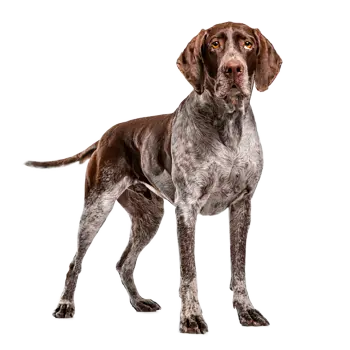

Old Danish Pointing Dog

Old Danish Pointing Dog
📸 No Gallery Available

Furry Critter Network Logo

Quick Facts

🛡️ Breed Organization
FCI, UKC
🌍 Native Country
Denmark
📏 Size & Weight
Medium: 55-75 lbs, 20-24 inches
⏱️ Life Expectancy
12-14 years
👶 Average Litter Size
5-8 puppies
🏷️ Breed Group
Sporting / Gun Dog

Other Names

The Old Danish Pointing Dog has been known by numerous names throughout its extensive history, reflecting both regional preferences and the evolution of breed terminology over three centuries. In its native Denmark, the breed is most commonly called Gammel Dansk Hønsehund, which literally translates to "Old Danish Fowl Dog." This Danish name accurately reflects the breed's original purpose of hunting fowl and other game birds.

Historical records show the breed was initially called Bakhound, honoring Morten Bak, the pioneering breeder credited with developing the breed in the early 1700s. As the breed spread and gained recognition, it acquired additional regional names including Old Danish Pointer, Old Danish Bird Dog, and Old Danish Chicken Dog. These English translations often created confusion among international dog enthusiasts unfamiliar with Danish hunting terminology.

In German-speaking regions, the breed became known as Altdanischer Vorstehhund or Altdanischer Hühnerhund, while French cynologists referred to it as Ancien Chien d'Arrêt Danois. Modern breed registries have largely standardized on "Old Danish Pointing Dog" to reflect the breed's primary function and eliminate the confusion that existed for nearly two centuries regarding proper breed identification and classification.

Old Danish Pointing Dog Description

The Old Danish Pointing Dog embodies the perfect synthesis of form and function, representing centuries of selective breeding focused specifically on creating the ideal versatile hunting companion. This impressive breed displays a distinctive rectangular silhouette that immediately communicates both substantial strength and athletic capability, characteristics that have made them invaluable partners in Denmark's diverse hunting landscapes for over three centuries.

Perhaps the most fascinating aspect of the Old Danish Pointing Dog is the pronounced sexual dimorphism that sets this breed apart from many other pointing breeds. Males exhibit a powerful, substantial presence with broad chests, muscular necks, and an overall impression of quiet strength and determination. In contrast, females present a notably lighter, more refined appearance combined with a spirited, often mischievous personality that adds charm to their working capabilities.

The breed's head structure reflects their specialized hunting heritage, featuring a characteristically short and broad skull that lacks the pronounced stop found in many other sporting breeds. This unique head shape, combined with their broad muzzle featuring deep, well-developed flews, creates a distinctive profile that experienced hunters immediately recognize as belonging to this exceptional Danish breed.

Their coat presents the classic piebald pattern of white with rich brown markings, with darker brown shades being particularly prized by breed enthusiasts. The coat itself is short and dense, providing excellent protection against harsh Danish weather while requiring minimal maintenance. This practical coat type allows the dogs to work comfortably in various conditions while remaining easy to care for in family situations.

The temperament of the Old Danish Pointing Dog represents one of their greatest assets as both hunting partners and family companions. These dogs possess an remarkable ability to assess situations and adapt their behavior accordingly, displaying intense focus and determination during hunting activities while maintaining a calm, steady presence in domestic settings. This behavioral flexibility makes them exceptional family dogs who can seamlessly transition between their roles as working partners and beloved household members.

Intelligence and trainability rank among the breed's most valued characteristics. Old Danish Pointing Dogs demonstrate exceptional problem-solving abilities and possess the mental flexibility needed for complex hunting scenarios. They respond enthusiastically to training that engages both their physical abilities and mental capabilities, forming strong working relationships with handlers who provide consistent, positive guidance.

Coat Type
Short, dense weather-resistant coat ideal for field work
Coat Length/Shedding
Low to moderate shedding with seasonal variations
Openness to Strangers
Cautiously friendly with proper introduction; naturally reserved but not aggressive
Playfulness Level
High playfulness with family members, especially during outdoor activities
Watchdog/Protective Nature
Naturally alert and protective; excellent early warning system without excessive aggression
Adaptability Level
Moderate to high adaptability with adequate space and exercise opportunities
Trainability Level
Exceptionally trainable with strong desire to work and please handlers
Energy Level
High energy when active, calm when relaxing; excellent activity level regulation
Barking Level
Minimal unnecessary barking; primarily alert-based vocalization
Affectionate with Family
Deeply affectionate and devoted; forms strong emotional bonds with all family members
Good with Young Children
Outstanding with children; naturally gentle and patient with young family members
Good with Other Pets
Generally excellent with other dogs; requires socialization with smaller pets

Old Danish Pointing Dog Standard By Organization

American Kennel Club (AKC)

The Old Danish Pointing Dog has not achieved recognition status with the American Kennel Club. Despite the AKC's extensive sporting group that includes numerous pointer breeds, the Old Danish Pointing Dog remains absent from their registry. This absence is primarily attributed to the breed's limited presence in North America and the lack of sufficient breeding populations needed to meet AKC recognition requirements. However, growing interest among American sporting dog enthusiasts and efforts by breed preservation groups suggest that future AKC consideration may be possible as the breed's presence expands in North America.

Fédération Cynologique Internationale (FCI)

The FCI recognizes the Old Danish Pointing Dog under FCI Standard No. 281, providing comprehensive breed specifications that serve as the international standard for the breed. According to FCI documentation, this breed should present as a medium-sized, rectangular dog with strong, substantial build. The standard emphasizes the marked sexual dimorphism, describing males as powerful and substantial while females should appear lighter and more spirited in temperament. The FCI standard specifies a calm, stable, determined, and courageous temperament. Physical characteristics include a short, wide head without pronounced stop, medium-length pendant ears with rounded tips, and a short, dense coat in white with brown markings. The FCI standard serves as the foundation for breed evaluation throughout Europe and other FCI-affiliated countries.

United Kennel Club (UKC)

The United Kennel Club granted official recognition to the Old Danish Pointing Dog on January 1, 2006, classifying the breed within their Gun Dog Group. The UKC standard describes the breed as resulting from crossbreeding between gypsy dogs, local farm dogs, and St. Hubert's Hounds, ultimately producing a pure breed of piebald white and brown dogs. The UKC emphasizes the breed's versatility as gun dogs suitable for various bird hunting applications. Size specifications call for males measuring 21-24 inches in height with females at 20-22 inches. The UKC standard particularly notes the breed's characteristic throatiness as a distinguishing feature and emphasizes the breed's suitability for both small and large hunting grounds. Weight ranges typically fall between 55-75 pounds for males and 40-65 pounds for females.

Other Organizations

In Denmark, the breed is overseen by the Danish Kennel Club in cooperation with specialized breed organizations established in 1947 specifically for breed preservation purposes. These organizations maintain detailed breeding records, health testing protocols, and breed standards that align closely with FCI requirements. Several European kennel clubs recognize the breed under various translations of the breed name, though breeding populations remain concentrated primarily in Denmark and neighboring Scandinavian countries. North American enthusiast groups work to promote breed awareness and maintain breeding records, though these organizations remain relatively small and focused on preservation rather than expansion. International breed organizations occasionally include the Old Danish Pointing Dog in their registries, particularly those focused on preserving rare and endangered breeds.

Old Danish Pointing Dog History

The compelling history of the Old Danish Pointing Dog begins in the rolling countryside of early 18th century Denmark, where social and political changes were creating new opportunities for ordinary citizens to participate in hunting activities previously reserved for the aristocracy. This democratization of hunting rights created a demand for versatile hunting dogs that could serve the practical needs of Danish farmers, tradesmen, and emerging middle-class hunters.

Central to the breed's origin story is Morten Bak, a determined individual living in Glenstrup, Denmark, near the towns of Randers and Hobro. Around 1710, Bak embarked on an ambitious breeding project that would span eight generations and ultimately create one of Denmark's most distinctive native dog breeds. His methodical approach to breeding demonstrated remarkable foresight and understanding of canine genetics, particularly considering the limited knowledge available during that era.

The foundation breeding stock for Bak's project consisted of carefully selected local farm dogs crossed with what historical records describe as "gypsy dogs." The local Danish dogs used in this breeding program were likely descendants of various scent hounds that had been present in the region for centuries. These included dogs related to bloodhound types and what researchers believe were Squire Scent Hounds, themselves descendants of the renowned St. Hubert Hounds that had been distributed throughout Europe centuries earlier.

The identity of the so-called "gypsy dogs" remains one of the more intriguing aspects of the breed's early history. Traditional breed histories suggest these were Spanish Pointing Dogs and related scent hounds with Iberian influence. However, modern historical analysis suggests these dogs may have arrived in Denmark through military connections rather than through traveling peoples. During Bak's lifetime, Denmark was actively involved in the War of Spanish Succession (1701-1714), with Danish auxiliary troops fighting alongside Austrian armies in campaigns throughout Spain and the Netherlands.

Through this military connection, it's plausible that Spanish hunting dogs found their way to Denmark with returning soldiers and officers who had acquired these dogs during their service abroad. Bak's location near important Danish ports would have provided access to such dogs, and his evident knowledge of breeding suggests he may have had connections to military or aristocratic circles that could provide access to foreign hunting stock.

The eight-generation breeding program that Bak conducted was remarkably systematic for its time. Through careful selection and breeding, he established a consistent type characterized by uniform white and brown piebald coloring and reliable hunting abilities. These early dogs became known locally as Bakhounds in honor of their creator, though they would eventually acquire numerous names as the breed gained recognition throughout Denmark and beyond.

Throughout the 18th and 19th centuries, the Old Danish Pointing Dog gained steadily in popularity among Danish hunters. The breed's versatility, reliable temperament, and adaptability to various hunting conditions made them increasingly valuable as hunting companions. However, the proliferation of regional names created significant confusion regarding breed identity and standards, with different areas maintaining slightly different breeding preferences and terminology.

The industrial and social changes of the 19th century brought both opportunities and challenges for the breed. Improved transportation allowed for greater distribution of breeding stock, but also introduced competition from imported hunting breeds from other European countries. The breed managed to maintain its position in Danish hunting culture through the dedication of hunter-breeders who appreciated the dogs' unique characteristics and strong working ability.

The 20th century brought the breed's closest brush with extinction. Both World Wars devastated European dog populations, and the Old Danish Pointing Dog suffered significant losses. Breeding programs were disrupted, bloodlines were lost, and by the mid-20th century, the breed's survival was seriously threatened. The situation became so critical that concerned Danish breed enthusiasts formed a specialized breed club in 1947 with the primary mission of preventing the breed's extinction.

This rescue effort involved locating surviving examples of the breed throughout Denmark and neighboring countries, establishing comprehensive breeding records, and creating breeding programs designed to preserve essential breed characteristics while rebuilding population numbers. The dedication of these preservationists during the challenging post-war years ensured the breed's survival during its most vulnerable period.

An unexpected boost to the breed's recovery came through popular media in the 1980s. A Danish nature television program called "En Naturlig Forklaring" featured an appealing Old Danish Pointing Dog named Balder, whose personality and working abilities captivated viewers throughout Denmark. This television exposure generated renewed interest in the breed among Danish families, providing crucial support for breeding programs and helping establish the breed's modern role as both hunting partner and family companion.

International recognition arrived gradually, with the United Kennel Club providing official recognition in 2006. This milestone marked the breed's formal entry into the international dog community, though populations outside Scandinavia remain limited. Today's Old Danish Pointing Dog represents over three centuries of careful breeding and selection, maintaining the essential characteristics that Morten Bak sought to establish while adapting to contemporary roles as versatile sporting dogs and devoted family companions.

Old Danish Pointing Dog Function

The primary function of the Old Danish Pointing Dog centers on their exceptional versatility as gun dogs, specifically bred to excel in Denmark's diverse hunting environments and challenging field conditions. Unlike many specialized hunting breeds developed for specific types of game or terrain, the Old Danish Pointing Dog was designed from its inception to serve as a complete hunting partner capable of handling multiple aspects of bird hunting with equal proficiency.

The breed's pointing ability represents their most distinctive and valued working characteristic. When hunting, these dogs demonstrate remarkable skill in detecting game birds through their highly developed olfactory system, then assuming the classic pointing stance that communicates the location of game to hunters without disturbing or prematurely flushing the birds. Their pointing style is characterized by intensity and reliability, with dogs maintaining their position until released by their handler.

Beyond their pointing abilities, Old Danish Pointing Dogs serve as excellent retrievers, capable of handling both upland game and waterfowl recovery. Their medium size and athletic build provide the perfect balance of power and agility needed for retrieval work in various terrain types, from dense woodlands to marshy wetlands. Their soft mouths and natural retrieving instincts ensure that downed game is delivered undamaged to hunters.

The breed's scenting capabilities rank among the finest in the sporting dog world. Old Danish Pointing Dogs can detect game birds at considerable distances and work effectively even under challenging scenting conditions caused by weather, wind, or difficult terrain. Their broad nostrils and well-developed scenting apparatus allow them to process complex scent information and track game efficiently through varied environments.

One of the breed's most valuable functional characteristics is their ability to work independently while maintaining communication with their hunting partner. These dogs possess the intelligence and judgment to make autonomous decisions in the field, covering ground efficiently and investigating promising areas without requiring constant direction. This independent working style was particularly important for Danish hunters who needed reliable partners capable of handling large hunting areas effectively.

The breed's stamina and endurance make them suitable for extended hunting sessions in challenging conditions. Old Danish Pointing Dogs can maintain their energy and focus throughout long hunting days, adapting their working pace to match the demands of different hunting situations. Their weather-resistant coat and robust constitution allow them to work comfortably in the variable Danish climate.

In contemporary applications, the Old Danish Pointing Dog's functional abilities have expanded beyond traditional hunting roles. Many dogs excel in competitive dog sports that utilize their natural abilities, including field trials, hunt tests, and pointing breed competitions. Their intelligence and trainability make them suitable candidates for various performance activities that challenge both their physical abilities and mental capabilities.

The breed's calm temperament and strong human bonds have led to their use as therapy dogs and emotional support animals. Their gentle nature with people of all ages, combined with their intuitive understanding of human emotions, allows them to provide comfort and companionship in therapeutic settings. Some Old Danish Pointing Dogs have been successfully trained for search and rescue work, utilizing their excellent scenting abilities and determined nature to locate missing persons.

As family companions, Old Danish Pointing Dogs serve multiple functional roles that extend beyond their hunting heritage. Their natural protective instincts make them effective watchdogs who alert families to potential threats without displaying excessive aggression. They serve as exercise partners for active family members, enthusiastically participating in various outdoor activities from hiking to swimming.

The breed's educational value should not be overlooked, as they serve as living representatives of Danish hunting traditions and responsible wildlife management practices. Their balanced approach to hunting, which emphasizes partnership between human and dog rather than domination over wildlife, aligns well with modern conservation ethics and sustainable hunting practices.

Working Old Danish Pointing Dogs require specific environmental conditions and management to function at their best. They need adequate space for exercise and mental stimulation, making them unsuitable for confined living situations. Their working heritage creates a need for jobs or activities that engage both their physical and mental capabilities, and owners who cannot provide adequate stimulation may find their dogs develop behavioral issues stemming from boredom and unfulfilled instincts.

Old Danish Pointing Dog Behavior

The behavioral profile of the Old Danish Pointing Dog reflects centuries of selective breeding aimed at creating the ideal balance between working capability and family compatibility. These dogs exhibit sophisticated behavioral adaptability that allows them to excel in multiple roles while maintaining consistent core personality traits that make them reliable and predictable companions in various situations.

In domestic settings, Old Danish Pointing Dogs demonstrate remarkable behavioral flexibility, transitioning seamlessly between periods of calm relaxation and active engagement based on environmental cues and family activities. Their indoor behavior is characterized by a quiet, observant presence that adds to household harmony rather than disrupting it. They possess an intuitive understanding of household routines and social dynamics, positioning themselves appropriately during different family activities.

The breed's social intelligence manifests in their ability to form differentiated relationships with individual family members while maintaining loyalty to the family unit as a whole. They often develop particularly close bonds with primary caretakers while remaining friendly and responsive to all family members. This behavioral characteristic makes them excellent family dogs who contribute to household cohesion rather than creating divisive loyalties.

Interaction patterns with strangers reveal the breed's naturally cautious but non-aggressive approach to unfamiliar people. Old Danish Pointing Dogs typically observe new individuals carefully before deciding how to engage, displaying neither excessive friendliness nor unwarranted suspicion. This measured response to strangers makes them excellent natural watchdogs who provide appropriate alerts without creating problematic territorial behaviors.

Their working heritage significantly influences daily behavioral patterns, even in non-hunting situations. These dogs display strong investigative behaviors, using their exceptional scenting abilities to thoroughly explore and understand their environment. This curiosity-driven behavior manifests as detailed investigation of new areas, careful assessment of interesting scents, and heightened awareness of wildlife activity. Such behaviors represent normal expressions of their breeding purpose and should be channeled constructively rather than suppressed.

Mental stimulation requirements play a crucial role in determining behavioral outcomes for this intelligent breed. Old Danish Pointing Dogs require regular intellectual challenges to maintain psychological well-being and prevent the development of problematic behaviors. Without adequate mental engagement, they may resort to destructive activities, excessive vocalization, or attention-seeking behaviors that can disrupt household harmony.

Exercise behaviors demonstrate the breed's remarkable ability to regulate their energy output based on available activities and environmental conditions. When engaged in vigorous outdoor activities, Old Danish Pointing Dogs display high energy levels and athletic enthusiasm. However, they possess an equally impressive ability to settle and relax during quiet periods, making them suitable companions for families with varied activity levels.

Training responses showcase the breed's intelligence, memory, and desire to work cooperatively with human partners. Old Danish Pointing Dogs typically form strong training relationships with consistent handlers and demonstrate excellent retention of learned behaviors. They respond best to positive training methods that engage their natural problem-solving abilities while building confidence and enthusiasm for learning new skills.

The breed's sensitivity to human emotions creates behavioral patterns that can be both rewarding and challenging for owners. These dogs often mirror the emotional states of their family members, providing comfort during difficult times but potentially becoming anxious or stressed in households experiencing ongoing tension or conflict. Understanding this emotional sensitivity helps owners create environments that promote positive behavioral outcomes.

Seasonal behavioral changes may occur in Old Danish Pointing Dogs, particularly during traditional hunting seasons when their ancestral instincts become more pronounced. Many dogs show increased alertness, higher energy levels, and stronger responses to bird activity during autumn months. Recognizing and accommodating these natural behavioral cycles helps maintain harmony between dogs and their families throughout the year.

Pack behavior and social hierarchy needs require careful consideration in multi-pet households. Old Danish Pointing Dogs generally display cooperative attitudes toward other dogs but may attempt to assume leadership roles if not provided with clear guidance from human family members. Proper socialization and consistent leadership from owners help ensure appropriate social behaviors with both human and canine family members.

Old Danish Pointing Dog Family Dynamics

The Old Danish Pointing Dog brings a unique combination of loyalty, intelligence, and emotional sensitivity to family life that creates rich, rewarding relationships with all household members. Their integration into family structures goes beyond simple pet ownership, as these dogs naturally assume roles that contribute to family well-being and strengthen interpersonal bonds among family members.

Within established family hierarchies, Old Danish Pointing Dogs demonstrate remarkable social intelligence by understanding and respecting family relationships while forming individual connections with each person. They often serve as emotional bridges during family conflicts, providing comfort to upset family members while maintaining their loyalty to the family unit as a whole. Their presence during family gatherings adds a calming influence that many families find invaluable during stressful periods.

The breed's relationship with children represents one of their most endearing qualities and demonstrates their exceptional suitability as family dogs. Old Danish Pointing Dogs display natural protective instincts toward children that manifest as gentle watchfulness rather than overt guarding behaviors. They seem to understand intuitively that children require different treatment than adults, moderating their energy levels and play styles to match the needs of young family members.

Their protective behaviors toward children are sophisticated and context-appropriate. Rather than displaying territorial aggression, Old Danish Pointing Dogs typically position themselves strategically to monitor children's activities and provide early warning to parents about potential hazards or unusual situations. Many families report that their dog serves as an excellent "early warning system" that helps parents keep track of children's whereabouts and activities.

The breed's energy levels and exercise requirements make them ideal companions for active families who enjoy outdoor recreation and physical activities. Old Danish Pointing Dogs eagerly participate in family hiking, camping, swimming, and sports activities, often serving as motivators that encourage family members to spend more time outdoors and engage in healthier lifestyles. Their enthusiasm for physical activities helps create positive family memories and shared experiences.

In households with multiple pets, Old Danish Pointing Dogs generally contribute to harmonious relationships through their cooperative nature and social adaptability. When properly introduced and socialized, they typically form positive relationships with other family dogs and can even develop friendships with cats. However, their hunting heritage may create challenges with smaller pets such as birds, rabbits, or rodents, requiring careful management and supervision to ensure all family pets remain safe.

The breed's integration into family routines becomes central to household operations over time. Old Danish Pointing Dogs thrive on consistent schedules and often become instrumental in maintaining family routines, naturally assuming responsibilities such as alerting family members to important times, participating in daily walks, and providing structure that benefits both the dog and the family.

Family training activities provide excellent opportunities for strengthening relationships while addressing the breed's need for mental stimulation. Old Danish Pointing Dogs excel at learning family rules and expectations, and they often enjoy training sessions that involve multiple family members. These shared training experiences can improve communication between the dog and different family members while ensuring consistent behavior expectations throughout the household.

The emotional support provided by Old Danish Pointing Dogs within family dynamics cannot be overstated. Their sensitivity to human emotions allows them to provide targeted comfort during difficult times, participate enthusiastically in celebrations, and offer steady companionship during everyday life. Many families report that their dog seems to possess an uncanny ability to know when emotional support is needed and appears without being called during times of sadness, stress, or illness.

Space and lifestyle requirements significantly impact family dynamics with this breed. Old Danish Pointing Dogs are not well-suited to apartment living or homes without adequate outdoor access. Families must be prepared to provide sufficient space for exercise and mental stimulation, as dogs living in confined conditions may develop behavioral issues that disrupt family harmony. Ideal family situations include homes with secure outdoor areas where dogs can exercise safely and families committed to providing daily vigorous exercise opportunities.

The breed's longevity and life span considerations create long-term family dynamics that extend over many years. With life expectancies of 12-14 years, Old Danish Pointing Dogs often grow up alongside children, witnessing and participating in major family milestones and changes. This extended family presence creates deep emotional bonds and memories that can last a lifetime, making the eventual loss of these dogs particularly significant for family members who have shared years of experiences with them.

Old Danish Pointing Dog Health

The Old Danish Pointing Dog enjoys a reputation as a relatively healthy and robust breed, benefiting from centuries of breeding practices that emphasized working ability and soundness over purely cosmetic characteristics. This functional breeding approach has helped maintain genetic diversity and reduce the incidence of inherited health problems that plague some more highly selected breeds. However, like all purebred dogs, they remain susceptible to certain genetic conditions that responsible breeders and owners should monitor and address proactively.

The breed's typical lifespan ranges from 12 to 14 years, which represents excellent longevity for a medium to large-sized sporting breed. This extended life expectancy reflects the breed's generally robust constitution and the careful breeding practices maintained by dedicated enthusiasts. Throughout their lives, Old Danish Pointing Dogs tend to remain active and engaged well into their senior years, though they may require modifications to their exercise routines and additional veterinary attention as they age.

Preventive healthcare forms the foundation of maintaining optimal health in Old Danish Pointing Dogs throughout their lifetime. Regular veterinary examinations, typically recommended every six to twelve months depending on the dog's age and health status, help identify potential problems before they develop into serious conditions. These comprehensive examinations should include physical assessments, dental evaluations, and discussions about appropriate vaccination protocols and parasite prevention strategies.

Nutritional management plays a critical role in maintaining health and preventing obesity-related complications in this active breed. Old Danish Pointing Dogs require high-quality diets formulated to meet their energy needs while providing appropriate nutrient balance for their life stage and activity level. Working dogs or those engaged in regular hunting activities may benefit from specialized nutrition designed for active or working breeds, while family companions may need carefully managed portions to prevent weight gain.

Weight management deserves special attention in Old Danish Pointing Dogs, as excess weight can exacerbate joint problems and reduce overall quality of life. These food-motivated dogs may be prone to weight gain if their diet and exercise are not carefully balanced. Regular body condition assessment and appropriate dietary adjustments help maintain optimal weight throughout their lives.

Exercise-related injuries represent common health concerns for this athletically active breed. Their enthusiasm for vigorous outdoor activities can occasionally lead to cuts, bruises, muscle strains, or more serious injuries if proper precautions are not observed. Owners should be prepared to provide basic first aid care and understand when injuries require professional veterinary attention. Proper conditioning programs and gradual increases in activity intensity help prevent many exercise-related problems.

Common Health Issues

  • Hip Dysplasia: A developmental condition affecting hip joint formation that can lead to arthritis and mobility problems. This hereditary condition varies in severity from mild to debilitating. Early detection through radiographic evaluation allows for better management through weight control, appropriate exercise modification, physical therapy, and potentially surgical intervention when necessary.
  • Elbow Dysplasia: A complex of conditions affecting elbow joint development that can cause forelimb lameness and pain. This condition involves multiple factors including genetics, nutrition during growth, and exercise patterns. Treatment approaches range from conservative medical management to surgical correction depending on the specific type and severity of the dysplasia.
  • Progressive Eye Conditions: Various hereditary eye problems may affect the breed, including entropion, ectropion, and distichiasis. These conditions can cause discomfort, irritation, and potential vision impairment if left untreated. Regular ophthalmologic examinations help identify these problems early when treatment options are most effective and outcomes are typically favorable.

Recommended Health Testing

  • Hip and Elbow Radiographs: Orthopedic Foundation for Animals (OFA) or PennHIP evaluations should be performed on all breeding dogs to assess joint conformation and identify dysplastic changes before they can be passed to offspring. These evaluations help breeders make informed decisions about breeding selections and help puppy buyers understand potential risks.
  • Annual Eye Examinations: Comprehensive ophthalmologic examinations by veterinary ophthalmologists help identify hereditary eye conditions and monitor for age-related changes. Canine Eye Registration Foundation (CERF) or OFA eye clearances should be obtained for all breeding dogs to help reduce the incidence of inherited eye problems.
  • Cardiac Screening: While specific cardiac conditions are not commonly reported in the breed, cardiac examinations can help identify congenital heart defects or acquired heart conditions. This screening is particularly important given the breed's athletic requirements and exercise demands throughout their working lives.

Ear health maintenance requires special attention in Old Danish Pointing Dogs due to their pendant ear conformation and active outdoor lifestyle. Their ear structure can trap moisture, dirt, and plant material, creating environments conducive to bacterial or fungal infections. Regular ear cleaning and inspection, particularly after outdoor activities or water exposure, help prevent infections and maintain optimal ear health. Signs of ear problems include unusual odor, discharge, excessive scratching, or head shaking.

Dental health significantly impacts overall health and quality of life in Old Danish Pointing Dogs. These dogs should receive regular dental care including daily home dental hygiene when possible and professional cleaning as recommended by veterinarians. Poor dental health can lead to pain, difficulty eating, and systemic health problems affecting the heart, liver, and kidneys. Providing appropriate chew toys and dental treats can help maintain dental health between professional cleanings.

Environmental health factors can significantly impact the wellbeing of Old Danish Pointing Dogs due to their active outdoor lifestyle. Their working nature means they may encounter various environmental hazards including toxic plants, chemicals, extreme weather conditions, and potentially dangerous wildlife. Owners should be aware of regional hazards and take appropriate precautions to protect their dogs during outdoor activities and hunting expeditions.

Reproductive health considerations are important for both breeding and companion dogs. Spaying and neutering decisions should be made in consultation with knowledgeable veterinarians, considering factors such as the dog's intended use, current health status, and owner preferences. For breeding dogs, comprehensive reproductive management includes pre-breeding health screenings, appropriate nutrition during pregnancy and lactation, and careful monitoring of whelping and puppy development.

Major Old Danish Pointing Dog Specific Rescues

If you're looking to adopt an Old Danish Pointing Dog, consider contacting these rescue organizations that work with pointing breeds and sporting dogs. Due to the breed's rarity outside of Denmark, dedicated Old Danish Pointing Dog rescues are extremely limited, but these established organizations work with similar sporting breeds and may occasionally have Old Danish Pointing Dogs available for adoption:

Petfinder - Old Danish Pointing Dog Search

Petfinder provides a comprehensive database where you can search specifically for Old Danish Pointing Dogs available for adoption across North America. Their search function allows filtering by breed, location, age, and size to help connect potential adopters with available dogs. Many rescue organizations and shelters list their available dogs on Petfinder, making it an excellent starting point for finding this rare breed.

Visit Website
National German Wirehaired Pointer Rescue

While specialized for German Wirehaired Pointers, this rescue network occasionally works with other rare European pointing breeds including Old Danish Pointing Dogs. They have experienced volunteers throughout the United States who understand the unique needs of European pointing breeds and provide comprehensive rehabilitation and placement services for dogs in need of homes.

Visit Website
Southeast German Shorthaired Pointer Rescue

This established rescue organization serving the southeastern United States occasionally works with related pointing breeds beyond German Shorthaired Pointers. Their network of experienced volunteers understands the training and care requirements of European sporting breeds and provides comprehensive support for both rescue dogs and adopting families throughout the rehoming process.

Visit Website

"Don't Shop... Please Adopt" - There are many wonderful Old Danish Pointing Dogs and similar sporting breeds waiting for their forever homes. Due to the changing nature of rescue organizations, please verify website functionality before contacting.