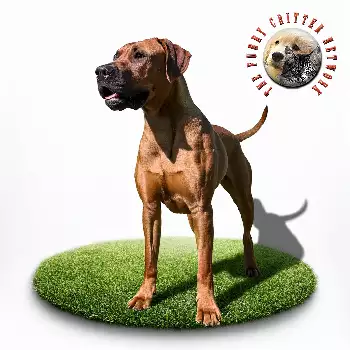
French Mastiff

Dogue de Bordeaux
Gallery coming soon

Furry Critter Network Etsy Shop

Quick Facts

🐕 Breed Group
Working
📏 Size Category
Large
📏 Height
23-27 inches
⚖️ Weight
99-150+ pounds
⏱️ Life Expectancy
5-8 years
🧥 Coat Type
Short, soft
🎨 Coat Colors
Mahogany, Fawn, Red
😀 Temperament
Loyal, protective, calm
🏃 Exercise Needs
Moderate
🎓 Training Difficulty
Moderate
👶 Good with Children
Yes, when properly socialized
🐾 Good with Other Pets
Moderate, needs socialization

Other Names & Breed Recognition

The French Mastiff is most commonly known internationally by its French breed name, Dogue de Bordeaux, which directly translates to Bordeaux Dog, referencing the French region where the breed gained prominence. This designation appears in official breed standards maintained by kennel clubs worldwide, reflecting the breed's geographic and cultural origins in southwestern France. The term emphasizes the breed's deep historical connection to Bordeaux and surrounding regions.

Historically, these massive dogs were called Dogues de Bordeaux in their plural form or simply Bordeaux Mastiff in some English-speaking regions. The name variations reflect linguistic adaptations across countries while maintaining recognition of the breed's French heritage. Some older texts reference them as Bordeaux Bulldogs, though this terminology has fallen from modern use as breed standards became more precisely defined and distinguished from actual bulldog breeds.

Within France, regional variations of the breed were historically known by different local names before standardization unified them under the Dogue de Bordeaux designation. These regional types included the Dogues de Toulouse and Dogues de Paris, each exhibiting slight variations adapted to local preferences and functions. Eventually, the Bordeaux type prevailed as the standard, absorbing or replacing regional variants as breed clubs formalized characteristics.

The English translation French Mastiff gained popularity particularly in American usage, providing an immediately understandable descriptor for English speakers unfamiliar with French terminology. While not the official breed name recognized by major kennel clubs, French Mastiff effectively communicates the breed's origin and type. This common name helps potential owners quickly understand they're encountering a French guardian breed with mastiff characteristics rather than a sporting or herding breed.

International kennel club recognition solidified under the Dogue de Bordeaux designation across most major organizations. The Fédération Cynologique Internationale recognizes the breed under this official French name, placing it in Group 2, Pinscher and Schnauzer types, Molossian breeds, and Swiss Mountain and Cattle Dogs. The American Kennel Club granted full recognition in 2008, also using Dogue de Bordeaux as the official breed name. Similarly, The Kennel Club of the United Kingdom and other national organizations maintain Dogue de Bordeaux in their official registries.

The breed achieved wider international recognition following the 1989 film "Turner & Hooch," starring Tom Hanks alongside a Dogue de Bordeaux named Hooch. This popular movie introduced millions of viewers to the breed's distinctive appearance and personality, sparking increased interest in French Mastiffs beyond traditional breeding strongholds. The film's impact on breed awareness cannot be overstated, as it brought a relatively obscure European breed into mainstream American consciousness almost overnight.

French Mastiff Organizations & Standards

The Fédération Cynologique Internationale serves as the primary international authority for Dogue de Bordeaux standards, classifying the breed in Group 2, Section 2.1, Molossian type Mastiffs. The FCI standard, developed in cooperation with French breed experts, defines the ideal French Mastiff as a massive, powerful dog with distinctive wrinkled head and muscular body. This standard emphasizes balanced construction, proper proportions, and characteristic mahogany or fawn coloring that defines breed type.

In France, the Société Centrale Canine works directly with the French Dogue de Bordeaux Club to maintain breed standards and oversee breeding programs. French breed enthusiasts maintain meticulous attention to preserving the breed's historical working character alongside correct physical type. The French standard describes ideal temperament as calm, balanced, and loyal with natural guarding instincts, while physical requirements specify massive bone structure, pronounced musculature, and the breed's signature wrinkled, broad head.

The American Kennel Club granted full breed recognition to the Dogue de Bordeaux in 2008 after years in the Foundation Stock Service. The AKC classifies French Mastiffs in the Working Group, acknowledging their historical roles as guardians and draft animals. American standards closely follow FCI guidelines while providing measurements and descriptions suited to American breeders and judges. The breed standard emphasizes soundness, proper proportion, and distinctive breed characteristics including the massive head and powerful build.

The United Kennel Club also recognizes the Dogue de Bordeaux in its Guardian Dog Group, maintaining standards that prioritize working ability alongside physical conformation. UKC standards stress the breed's guarding heritage and the importance of sound temperament suitable for protection work. Height and weight specifications allow for substantial variation reflecting the breed's diverse working history, with males typically weighing over one hundred pounds and standing twenty-three to twenty-seven inches tall.

Breed standards across organizations share common elements defining the French Mastiff's distinctive appearance. The head must appear massive with pronounced wrinkles, a short muzzle, and undershot jaw creating the characteristic Dogue de Bordeaux expression. The body shows powerful, muscular construction with broad chest, strong back, and substantial bone throughout. Coat color ranges from mahogany to light fawn, with darker coloring on the muzzle creating a mask. Small white markings on chest and toes are permissible but excessive white disqualifies dogs from showing.

Temperament standards emphasize the French Mastiff's calm, confident nature combined with natural guarding instincts. Dogs should display affection toward family while maintaining appropriate wariness toward strangers. Standards explicitly discourage aggression or excessive shyness, as proper temperament allows the breed to function as reliable family guardians. The ideal French Mastiff possesses courage without unnecessary aggression and shows stability in various situations.

Breeding programs within organized breed clubs focus on health testing alongside conformation to standard. Responsible breeders screen for hip dysplasia, heart conditions, and other genetic health concerns before breeding. Many breed organizations require health clearances for breeding stock, helping reduce the incidence of hereditary problems. This emphasis on health combined with adherence to physical and temperament standards helps preserve the French Mastiff as a viable, healthy breed despite its relatively short lifespan compared to other breeds.

Kennel Club Recognition

  • American Kennel Club (AKC): Recognized 2008 - Working Group
  • United Kennel Club (UKC): Recognized January 1, 1995 - Guardian Dog Group
  • Canadian Kennel Club (CKC): Recognized - Working Group
  • Fédération Cynologique Internationale (FCI): Recognized - Group 2, Section 2.1 (Mastiff type)
  • The Kennel Club (UK): Championship status 2016 - Working Group

French Mastiff Physical Description

The French Mastiff's most striking feature is its massive, wrinkled head that appears almost sculptural in its powerful proportions. The skull is exceptionally broad and slightly rounded, with pronounced wrinkles forming symmetrical patterns across the forehead and face. These wrinkles deepen with age, creating the breed's characteristic worried or thoughtful expression. The muzzle remains short and broad, measuring approximately one-third of the total head length, with a pronounced stop between skull and muzzle.

Facial features include a pronounced underbite where lower teeth project beyond upper teeth, creating the distinctive Dogue de Bordeaux jaw structure. The lips are thick and pendulous, with the upper lip hanging over the lower jaw while remaining firm enough to define jaw structure. The nose is broad with well-opened nostrils, colored in harmony with the mask which ranges from black to brown depending on coat color. Small, dark eyes set relatively far apart convey intelligence and gentleness despite the intimidating overall appearance.

Ears are relatively small compared to head size, set high on the skull and hanging close to cheeks. When alert, the front edge of the ear rises slightly while the rest remains pendant. Ear leather is slightly rounded at tips, with fine texture and darker coloring than body coat. The ears frame the massive head without detracting from its impressive proportions.

The neck is extremely powerful and slightly arched, with pronounced dewlap creating loose skin under the throat and chest area. This loose skin allowed historical working dogs to move freely during guard work and protection tasks. The neck flows smoothly into substantial shoulders and a broad, muscular chest. The body appears rectangular rather than square, slightly longer than tall, with powerful back and loin supporting the massive frame.

Chest depth extends to elbow level, providing ample room for heart and lung development necessary for sustained physical effort. The ribcage is well-sprung, creating rounded sides while the underline shows slight tuck-up toward the rear. This body construction combines power with surprising agility for the breed's size. The back remains level with strong, broad loin and slightly sloping croup leading to the tail.

Legs display massive bone structure with well-developed musculature throughout. Front legs appear straight when viewed from front, with strong, slightly sloping pasterns. Rear legs show pronounced angulation with powerful thighs and well-defined muscling. Feet are large and rounded with thick pads and strong, dark nails. The overall leg construction supports the massive body weight while allowing relatively free movement.

The tail is thick at the base, tapering toward the tip which should reach the hocks. The tail hangs naturally when relaxed, rising to horizontal or slightly higher during activity without curling over the back. Some French Mastiffs are born with naturally short tails, though longer tails are more common and preferred in show rings.

Coat texture is fine, short, and soft to the touch, lying flat against the skin. Despite its minimal length, the coat provides adequate protection from weather elements. Coat color ranges from rich mahogany to light fawn, with all shades acceptable. Darker masking on the muzzle is highly desirable, ranging from black to brown depending on overall coat color. Small white markings on chest and toe tips are permissible, though excessive white or white on the head disqualifies dogs from conformation competition.

French Mastiffs move with surprising ease given their massive size. The gait appears powerful and free, with good reach in front and strong drive from behind. Movement should be coordinated and balanced, reflecting sound construction. While not built for speed or endurance, properly constructed French Mastiffs move efficiently without wasted motion or obvious effort.

Affectionate
French Mastiffs form intensely devoted bonds with their families, displaying remarkable gentleness toward household members. They seek physical closeness and enjoy being near loved ones, often attempting to sit on laps despite their massive size. This affectionate nature creates deeply loyal companions who thrive on family interaction.
Good with Kids
When properly socialized, French Mastiffs display exceptional patience with children in their family. Their calm temperament and protective instincts make them natural guardians of young family members. However, their size requires supervision around small children to prevent accidental knocking during movement or play.
Good with Pets
French Mastiffs can coexist with other pets when raised together and properly socialized. Males may show dominance with other male dogs, while females typically display more tolerance. Early socialization and careful introductions improve success with household pets, though their guarding instincts require ongoing management.
Playful
While not excessively playful, French Mastiffs enjoy moderate interaction with family members. They engage in play sessions more readily during youth, becoming more sedate with maturity. Their play style remains gentle and controlled, reflecting their calm, stable temperaments rather than boundless energy.
Energetic
French Mastiffs possess moderate energy levels, preferring calm companionship over constant activity. They require daily exercise but tire more quickly than athletic breeds. Overexertion particularly in hot weather can cause breathing difficulties, so owners must monitor activity levels carefully and provide rest periods.
Trainable
Training French Mastiffs requires patience and understanding of their independent, sometimes stubborn nature. They respond best to consistent, fair methods emphasizing positive reinforcement. Early training establishes good behavior patterns, though their guardian instincts and strong will require experienced handling for optimal results.
Protective
French Mastiffs possess powerful protective instincts deeply ingrained through centuries of guarding work. They naturally monitor their territory and family members, responding to perceived threats with intimidating presence and deep barks. This protective nature requires proper socialization and training to ensure appropriate discrimination between genuine threats and normal situations.
Intelligent
These mastiffs demonstrate keen intelligence in reading situations and people, making independent decisions about potential threats. They learn commands effectively but may evaluate whether compliance serves their guarding purpose. Their intelligence requires mental stimulation to prevent boredom and challenges trainers to maintain engagement during sessions.
Vocal
French Mastiffs bark selectively, typically vocalizing to alert families of unusual activity or perceived threats. Their deep, resonant barks carry considerable volume and authority. While not excessive barkers under normal circumstances, they readily use their impressive voices when their protective instincts activate.
Grooming Needs
The breed's short coat requires minimal grooming beyond weekly brushing and occasional baths. However, facial wrinkles need regular cleaning to prevent infection from trapped moisture and debris. Overall grooming maintenance remains manageable, making French Mastiffs relatively low-maintenance despite their impressive size.
Exercise Needs
French Mastiffs require moderate daily exercise including walks and play sessions. Their exercise needs remain lower than many large breeds, with overexertion potentially causing health problems. Brief activity periods work better than marathon sessions, particularly given their brachycephalic facial structure affecting breathing.
Health Issues
French Mastiffs face several breed-specific health concerns including hip dysplasia, heart problems, and breathing difficulties related to their facial structure. Their relatively short lifespan reflects genetic predispositions to serious conditions. Responsible breeding and preventive care help maximize health, though owners should prepare for potential medical expenses.

French Mastiff History & Development

The French Mastiff's origins trace back to ancient Molossian dogs that accompanied Roman legions into Gaul, the region now comprising modern France. These massive war dogs crossed with local French dogs over centuries, creating the foundation stock for several French mastiff types. Archaeological evidence and historical records suggest large, powerful dogs existed in southern France for at least six hundred years, though precise breed development remains challenging to document before modern record-keeping.

During the Middle Ages, French nobility maintained various mastiff types for different purposes including hunting large game, guarding estates, and controlling livestock. The dogs that would become French Mastiffs excelled at protecting property and people, developing the calm temperament and powerful guarding instincts still characteristic of the breed today. Regional variations emerged as different areas bred for specific traits valued locally, creating the Dogues de Bordeaux, Dogues de Toulouse, and Dogues de Paris.

The Bordeaux region in southwestern France became most associated with the breed that eventually bore its name. Bordeaux's bustling port and agricultural economy required dogs capable of guarding warehouses, protecting travelers, and managing livestock. The local mastiff type proved ideally suited to these roles, gaining recognition for reliability and impressive physical presence. By the seventeenth century, references to Bordeaux dogs appeared in literature and official documents, indicating established breed recognition.

The French Revolution nearly destroyed French Mastiff populations as many breeding programs ceased when aristocratic estates were confiscated and noble families fled or faced execution. Many fine dogs were lost during this turbulent period, severely reducing breeding stock quality and quantity. Following the revolution, breed enthusiasts slowly rebuilt populations using surviving dogs, though some historical bloodlines were lost permanently. This population bottleneck contributed to genetic challenges the breed faces today.

Nineteenth century breed reconstruction focused on preserving distinctive French Mastiff characteristics while improving consistency. Dog shows emerged during this period, providing venues for breeders to compare stock and define ideal type. The first official French Mastiff exhibition occurred in 1863, marking important progress toward breed standardization. However, disagreements about ideal type created conflicts between factions preferring different regional variations.

By the late nineteenth century, the Bordeaux type gained predominance over other regional varieties. Breed enthusiasts agreed on key characteristics including the massive wrinkled head, powerful body, and mahogany coloring. The first written breed standard appeared in 1896, authored by French veterinarian Pierre Megnin, describing the ideal Dogue de Bordeaux and establishing judging criteria. This standard provided the foundation for subsequent refinements and international recognition.

Both World Wars devastated French Mastiff populations as breeding virtually ceased during wartime hardships. Food shortages made maintaining large dogs nearly impossible, and many breeding programs ended permanently. By 1945, French Mastiff numbers had reached critically low levels, with only a handful of quality dogs surviving. Post-war reconstruction required dedication from committed breeders who carefully rebuilt populations using limited genetic material.

Modern breed revival gained momentum in the 1960s and 1970s as French breeders systematically worked to increase populations while maintaining breed type. Careful outcrossing to related mastiff breeds occasionally occurred to broaden genetic diversity, though purists objected to any non-French blood. By the 1980s, the breed achieved more stable numbers within France, though international distribution remained limited.

International awareness exploded following the 1989 American film "Turner & Hooch," which featured a Dogue de Bordeaux named Hooch alongside Tom Hanks. This movie introduced millions of viewers worldwide to the breed's distinctive appearance and personality. American interest surged dramatically, leading to importation of French Mastiffs and establishment of breeding programs outside Europe. The American Kennel Club granted full recognition in 2008, validating the breed's established presence in North America.

Contemporary French Mastiffs balance their working heritage with companion dog roles in modern society. While still capable guardians, most French Mastiffs live as family companions rather than working protection dogs. Breeders emphasize sound temperament suitable for family life while preserving the breed's natural guarding instincts. Health concerns including relatively short lifespans remain challenges breeders address through genetic testing and careful selection.

French Mastiff Temperament & Personality

French Mastiffs possess remarkably gentle, affectionate temperaments toward family members despite their intimidating physical presence. These massive dogs display extraordinary devotion to their families, forming deep bonds characterized by loyal companionship and genuine attachment. They seek proximity to loved ones, often attempting to sit on laps or lean against family members despite their substantial size. This affectionate nature creates devoted companions who thrive on family interaction and suffer when isolated from their people.

Calm stability characterizes the typical French Mastiff personality, with mature dogs displaying serene, dignified demeanors in familiar environments. They move deliberately rather than frantically, observe situations thoughtfully before reacting, and generally maintain composed attitudes. This natural calmness makes them suitable for families seeking gentle giants rather than high-energy playmates. However, puppies and young adults display more exuberance before maturing into the breed's characteristic serenity.

Guarding instincts run deep in French Mastiff bloodlines, creating naturally protective dogs that take their family security responsibilities seriously. They monitor their territories constantly, noting unusual activity and assessing potential threats. When perceiving danger, they position themselves between threats and family members, using their imposing presence as their primary deterrent. Most French Mastiffs rarely need to display aggression, as their size and deep bark alone discourage problems. Proper socialization ensures they discriminate appropriately between normal situations and genuine threats.

With strangers, French Mastiffs display natural wariness that requires proper management through early socialization. They observe newcomers carefully, assessing intentions before warming to unfamiliar people. This cautiousness stems from protective instincts rather than fear or aggression. Well-socialized French Mastiffs accept strangers whom their families welcome, though they maintain observant vigilance. Their acceptance comes gradually rather than immediately, reflecting thoughtful assessment of new situations.

Intelligence characterizes the breed, with French Mastiffs demonstrating keen awareness of their environments and the emotional states of family members. They read human body language expertly, responding to subtle cues and anticipating family routines. This intelligence also manifests as independence, with French Mastiffs evaluating commands rather than obeying blindly. They may question requests that seem unnecessary to their guarding mission, requiring patient, consistent training from confident handlers.

Stubbornness challenges trainers working with French Mastiffs, as these dogs possess strong wills developed through centuries of independent guard work. They respond poorly to harsh corrections or forceful training methods, which may trigger defensive reactions or complete shutdown. Patient, positive reinforcement techniques emphasizing fairness and consistency achieve best results. French Mastiffs need to understand the purpose behind commands, responding more readily when training makes logical sense to their protective mindset.

Sensitivity surprises many people discovering French Mastiff personalities, as these massive dogs possess emotional awareness and react strongly to family tensions or harsh treatment. They sense family moods and respond with gentle concern when loved ones feel upset. This sensitivity requires patient, gentle handling, as French Mastiffs subjected to harsh corrections may become anxious or lose confidence. Their physical power combined with emotional sensitivity requires thoughtful, balanced training approaches.

With children, French Mastiffs typically display remarkable patience and gentleness, seeming to understand their size advantage over small family members. They tolerate toddler antics that might irritate less patient breeds, moving slowly and carefully around young children. Their protective instincts extend especially strongly toward family children, whom they guard with devoted vigilance. However, supervision remains essential given their size, as even playful movements can accidentally knock over small children.

French Mastiff Family Life & Living Requirements

French Mastiffs adapt to family life best when owners understand their specific needs regarding space, socialization, and gentle handling. These massive dogs require sufficient room to move comfortably, making adequate living space essential for their wellbeing. While they can technically adapt to apartments with dedicated owners, houses with yards better accommodate their size and exercise needs. Urban living presents challenges given their bulk, protective instincts, and potential reactions to constant stimuli.

Space considerations extend beyond basic living areas to doorways, vehicles, and furniture. French Mastiffs occupy substantial room wherever they rest, preferring to be near family rather than isolated in separate areas. Owners should expect these dogs to claim significant portions of sofas, beds, or floor space wherever families gather. Their massive size requires planning around home layouts to ensure comfortable movement through living spaces without constant obstacle navigation.

Fencing must be secure and substantial to contain French Mastiffs safely. While not excessive climbers or jumpers, their strength allows them to push through or break inadequate barriers when motivated. Minimum fence heights of five to six feet prevent escape attempts while clearly defining property boundaries these territorial dogs naturally patrol. Fencing also protects visitors and neighbors from intimidating encounters with loose French Mastiffs whose appearance alone frightens many people.

Daily routines should incorporate moderate exercise through walks and play sessions appropriate to the breed's energy levels and physical limitations. French Mastiffs need regular activity to maintain fitness without overexertion, which can cause breathing difficulties or joint stress. Two or three walks totaling thirty to sixty minutes daily typically suffices, with additional brief play sessions providing mental stimulation. Hot weather requires particular caution, as their brachycephalic facial structure limits cooling efficiency.

Integration with children typically succeeds when dogs receive proper socialization from puppyhood. French Mastiffs naturally gravitate toward gentle interaction with family children, often appointing themselves as vigilant guardians. However, their size necessitates supervision around small children to prevent accidental injuries during normal movement or play. Teaching children appropriate interaction with dogs creates harmonious relationships benefiting both parties.

Multi-pet households require careful management, particularly regarding other dogs. French Mastiffs may show dominance tendencies with same-sex dogs, especially males with other males. Introducing puppies to other pets during critical socialization periods improves success rates significantly. Households with established pets should carefully introduce French Mastiff puppies using structured methods preventing conflicts. Cats and small pets may trigger chase instincts unless dogs learn appropriate behavior through early socialization.

Socialization represents perhaps the most critical aspect of raising well-adjusted French Mastiffs. Exposure to various people, animals, environments, and situations during puppyhood creates confident adults capable of distinguishing normal activity from genuine threats. Under-socialized French Mastiffs may become overly reactive, fearful, or inappropriately aggressive. Ongoing socialization throughout life maintains appropriate responses to changing situations.

Leaving French Mastiffs alone requires gradual conditioning, as these devoted dogs strongly prefer family company. Separation anxiety can develop when dogs lack proper conditioning to alone time or experience inadequate daily interaction. Well-adjusted French Mastiffs tolerate reasonable alone periods when properly exercised and mentally stimulated before departures. Extended isolation causes frustration and may trigger destructive behaviors or excessive vocalization.

Travel with French Mastiffs demands advance planning given their size and special needs. Large vehicles with adequate space for comfortable positioning help make travel tolerable. However, their brachycephalic structure creates heat sensitivity requiring air conditioning and frequent rest stops. Hotels and vacation destinations must accommodate large dogs, with many establishments imposing size or breed restrictions affecting French Mastiff travel options.

Visitors to homes with French Mastiffs should follow proper introduction protocols respecting the breed's guarding instincts. Owners should control initial meetings, allowing dogs to observe and assess newcomers while maintaining calm leadership. Most French Mastiffs accept visitors whom families welcome once proper introductions occur, though they maintain observant awareness throughout visits. Never allowing visitors to approach suddenly or behave threateningly prevents protective responses.

French Mastiff Training & Exercise Needs

Training French Mastiffs requires understanding their independent nature, guarding heritage, and sensitive personalities that respond poorly to harsh methods. These intelligent dogs evaluate commands rather than obeying automatically, sometimes questioning requests that seem purposeless to their protective mindset. Successful training employs consistent, patient, positive reinforcement methods that respect their intelligence while establishing clear leadership. Starting training during puppyhood capitalizes on their natural desire to please before stubbornness fully develops.

Basic obedience forms the essential foundation for French Mastiff training, with particular emphasis on reliable response to commands regardless of distractions. Given their size and strength, teaching loose-leash walking, sit, down, stay, and recall commands prevents dangerous situations caused by uncontrolled movement. Training sessions should remain relatively brief to maintain attention, as French Mastiffs lose focus during extended repetition. Multiple short sessions throughout days prove more effective than single lengthy training periods.

Socialization training represents perhaps the most critical aspect of raising well-balanced French Mastiffs. Extensive positive exposure to various people, animals, environments, and situations during puppyhood creates confident adults capable of appropriate reactions. Under-socialized French Mastiffs may become reactive, fearful, or inappropriately aggressive toward normal stimuli. Socialization continues throughout life, maintaining skills and confidence as dogs mature.

Guarding instinct management requires thoughtful training approaches acknowledging natural protective behaviors while teaching appropriate responses. French Mastiffs naturally alert families to unusual activity, requiring training that channels this instinct appropriately rather than attempting to eliminate it entirely. Teaching specific alert behaviors followed by quiet commands allows dogs to fulfill guarding roles without excessive barking or threatening displays. Proper training ensures French Mastiffs protect families effectively without creating liability concerns.

Crate training benefits French Mastiffs by providing secure den spaces where they can rest comfortably when unsupervised. Despite their size, most French Mastiffs readily accept properly introduced crates as personal spaces. Crates must be appropriately sized to accommodate their bulk while preventing use as extended confinement. Brief crate periods support housetraining and provide safe spaces during times when supervision isn't possible.

Housetraining typically proceeds smoothly with French Mastiffs, as these intelligent dogs quickly understand appropriate elimination locations. Consistent schedules, frequent outdoor opportunities, especially after meals and naps, and enthusiastic praise for correct behavior establish reliable house manners. Their size makes indoor accidents particularly problematic, motivating dedicated training efforts. Most French Mastiff puppies achieve reliable housetraining by four to six months with consistent management.

Advanced training including therapy dog work, draft work, or obedience competition provides mental stimulation while strengthening human-dog bonds. While not the most common choice for competitive obedience given their independent nature, French Mastiffs can excel when properly motivated. Their size and calm temperaments suit them well for therapy dog work, bringing smiles to people meeting these gentle giants. Draft work appeals to their historical heritage as working dogs.

Exercise requirements for French Mastiffs remain moderate compared to many large breeds, reflecting their guarding heritage rather than athletic working backgrounds. Daily walks totaling thirty to sixty minutes combined with brief play sessions typically satisfy their physical needs. Overexercising French Mastiffs, particularly in heat, causes breathing difficulties due to their brachycephalic facial structure. Owners must monitor for signs of respiratory distress including excessive panting, difficulty breathing, or reluctance to continue activity.

Heat sensitivity severely limits French Mastiff exercise during warm weather, as their short muzzles compromise cooling efficiency. Exercise should occur during cooler morning or evening hours, with ready access to shade and water. Air-conditioned indoor exercise may be necessary during hot seasons. Never leaving French Mastiffs in hot vehicles prevents potentially fatal heat stroke, as their facial structure makes them extremely vulnerable to temperature extremes.

Swimming offers excellent low-impact exercise for French Mastiffs, though their large heads and massive bodies create swimming challenges. Many enjoy wading in shallow water during hot weather, finding relief from heat. Deep water swimming requires supervision and often flotation devices, as their body proportions make efficient swimming difficult. Always introduce water gradually and never force reluctant dogs into swimming situations.

French Mastiff Health Concerns

French Mastiffs face significant health challenges that contribute to their relatively short average lifespan of five to eight years, substantially less than many other breeds. Prospective owners must understand the health challenges and potential medical expenses associated with French Mastiff ownership before acquiring these dogs.

Common Health Issues

  • Hip dysplasia affects French Mastiffs at high rates, causing abnormal hip joint development leading to arthritis, pain, and mobility problems.
  • Elbow dysplasia represents another orthopedic concern in French Mastiffs, involving abnormal elbow joint development causing lameness and degenerative changes.
  • Multiple genetic factors influence elbow dysplasia expression, making breeding selection complex.
  • Heart disease including dilated cardiomyopathy and aortic stenosis affects some French Mastiffs, causing potentially fatal cardiac problems.
  • Cardiac screening through echocardiography identifies affected dogs before breeding.
  • Bloat or gastric dilatation-volvulus poses life-threatening risks for deep-chested breeds including French Mastiffs.

Preventive Care & Health Monitoring

  • Responsible breeding focusing on health testing and genetic diversity helps maximize health and longevity, though inherent breed characteristics create predispositions to serious conditions.
  • Regular veterinary examinations enable early detection when treatment options remain most effective.
  • Regular veterinary check-ups at least twice yearly enable early detection of developing health problems before they become critical.
  • Blood work monitoring organ function, cardiac examinations, and physical assessments identify issues requiring intervention.

Heart disease can affect Dogues de Bordeaux, including dilated cardiomyopathy and other cardiac conditions requiring monitoring. Cancer affects Dogues de Bordeaux as they age, with various forms requiring regular veterinary monitoring for early detection.

French Mastiff Grooming & Maintenance

French Mastiff grooming requirements remain relatively minimal regarding coat care, though their distinctive facial wrinkles require regular attention to prevent health problems. The short, fine coat benefits from weekly brushing using soft bristle brushes or rubber curry tools that remove loose hair and distribute natural oils. Shedding occurs year-round at moderate levels, with seasonal increases during spring and fall requiring more frequent brushing to manage loose hair accumulation.

Bathing French Mastiffs typically becomes necessary every six to eight weeks or when dogs become noticeably dirty or develop typical doggy odor. Their size makes bathing challenging, requiring large tubs or professional grooming facilities equipped for giant breeds. Using gentle dog-specific shampoos prevents skin irritation while thoroughly rinsing removes all product residue. Many owners find professional groomers worth the expense for managing bath time logistics.

Facial wrinkle care represents the most critical grooming aspect for French Mastiff health and comfort. Deep wrinkles trap moisture, food particles, and debris, creating ideal conditions for bacterial and yeast infections causing odor, irritation, and discomfort. Daily wrinkle cleaning using soft, damp cloths removes accumulations, followed by thorough drying to eliminate moisture. Some owners apply cornstarch or specialized wrinkle products to keep folds dry between cleanings. Neglecting wrinkle care leads to painful infections requiring veterinary treatment.

Ear cleaning deserves regular attention given the breed's pendant ears that limit air circulation. Weekly inspections identify early signs of infection including redness, discharge, or unpleasant odor. Gentle cleaning with veterinarian-recommended solutions removes excess wax and debris without damaging ear structures. French Mastiffs showing head shaking, ear scratching, or sensitivity to ear touching require veterinary examination for potential infections.

Dental hygiene significantly impacts French Mastiff overall health, with regular teeth brushing preventing periodontal disease affecting many dogs. Daily brushing provides optimal protection, though even several times weekly offers substantial benefits. Dog-specific toothpaste and appropriately sized brushes accommodate their large mouths. French Mastiffs accepting dental care from puppyhood tolerate brushing more readily than dogs introduced to the process as adults. Professional dental cleanings supplement home care when plaque and tartar accumulate despite regular brushing.

Nail trimming maintains proper foot health and comfortable movement, with nails requiring attention every few weeks. French Mastiff nails grow quickly and their weight makes overgrown nails particularly problematic, affecting gait and potentially causing joint stress. Learning to trim nails at home or establishing regular grooming appointments prevents problems. Some owners prefer grinding nails using rotary tools rather than clippers, finding the gradual filing less stressful.

Drool management represents an inescapable aspect of French Mastiff ownership given their loose lips and jowls that produce and spread copious saliva. Keeping towels readily available for wiping mouths helps manage drool before it spreads throughout homes. Water intake, excitement, and anticipation of meals increase drooling. Owners must accept substantial drool as inherent to the breed rather than something training or management can eliminate.