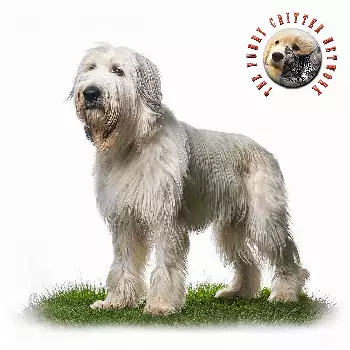
Caucasian Mountain Dog

Caucasian Shepherd Dog
Gallery coming soon

Furry Critter Network Etsy Shop

Quick Facts

🐕 Breed Group
Working
📏 Size Category
Giant
📏 Height
23-30 inches
⚖️ Weight
99-170 pounds
⏱️ Life Expectancy
10-12 years
🧥 Coat Type
Dense double coat with long outer coat
🎨 Coat Colors
Gray, fawn, red, brindle, white, or combinations
😀 Temperament
Protective, loyal, independent, fearless
🏃 Exercise Needs
Moderate
🎓 Training Difficulty
Challenging - requires experienced handler
👶 Good with Children
Yes, with proper socialization
🐾 Good with Other Pets
Selective - requires early socialization

Other Names & Breed Recognition

The Caucasian Mountain Dog is one of several names used to identify this ancient and formidable guardian breed originating from the Caucasus Mountain region spanning parts of Russia, Georgia, Armenia, and Azerbaijan. This naming variation reflects the breed's widespread distribution across mountainous territories and the diverse linguistic traditions of the regions where these dogs have served as livestock guardians for centuries.

The most commonly recognized official name in international kennel clubs is the Caucasian Shepherd Dog, which emphasizes the breed's historical role as a shepherd's companion and livestock protector. However, the Caucasian Mountain Dog designation has gained substantial popularity, particularly in regions where the breed's mountain heritage and adaptation to harsh alpine conditions are emphasized. Both names accurately describe the same breed and are used interchangeably by breeders, owners, and enthusiasts worldwide.

Additionally, this breed is known by several other regional names that reflect local languages and cultural traditions. The Caucasian Ovcharka is another widely used alternate name, derived from the Russian word "ovcharka" meaning sheepdog. In various regions of the Caucasus, the breed may be called Kavkazskaïa Ovtcharka, Kaukasische Schaferhund in German-speaking countries, or simply Caucasian. These naming variations all refer to the same impressive guardian breed developed to protect flocks from predators including wolves, bears, and jackals in one of the world's most challenging mountain environments.

The breed has been recognized by major kennel organizations worldwide, though recognition occurred relatively recently compared to many European breeds. The Fédération Cynologique Internationale (FCI) officially recognized the Caucasian Shepherd Dog in 1984, establishing the breed standard that most international organizations follow. The United Kennel Club (UKC) accepted the breed into its Guardian Dog Group, while the American Kennel Club added the Caucasian Shepherd Dog to its Foundation Stock Service in 1996, eventually granting full recognition to the Working Group in July 2020.

Despite these various names and recent formal recognition, the Caucasian Mountain Dog remains primarily a working guardian breed rather than a show dog or companion animal in most regions. The emphasis on function over form has preserved the breed's working abilities and protective instincts, making it one of the most capable and impressive livestock guardian dogs in existence today.

Caucasian Mountain Dog Organizations & Standards

The Caucasian Mountain Dog has achieved recognition from several major kennel clubs and breed organizations, each maintaining specific standards that define the ideal characteristics, temperament, and physical attributes of the breed. The Fédération Cynologique Internationale (FCI), the world's largest international federation of kennel clubs, officially recognized the breed in 1984 and classifies it under Group 2, Section 2.2 (Molossian breeds, Mountain type). The FCI standard serves as the foundation for breed standards in most countries outside North America and provides detailed specifications for height, weight, coat type, color, temperament, and structural requirements.

In the United States, the American Kennel Club granted full recognition to the Caucasian Shepherd Dog in July 2020, placing it within the Working Group. Prior to full recognition, the breed spent many years in the AKC's Foundation Stock Service, which serves as a record-keeping system for rare breeds working toward full recognition. The AKC standard emphasizes the breed's role as a guardian dog, requiring a dog that is bold, fearless, and self-confident while remaining even-tempered and controllable. The standard describes a large, muscular dog with a bear-like appearance, powerful bone structure, and a characteristic thick double coat adapted for harsh mountain climates.

The United Kennel Club (UKC) recognizes the breed within its Guardian Dog Group and maintains its own breed standard. The UKC standard shares many similarities with the FCI standard but includes some variations in acceptable height ranges and emphasizes working ability alongside conformation. UKC shows often attract working Caucasian Mountain Dog owners who value performance and temperament as much as physical appearance, reflecting the organization's traditional emphasis on preserving working dog breeds.

The Caucasian Shepherd Dog Club of America serves as the national breed club for the United States and works closely with the AKC to promote responsible breeding, education, and preservation of breed type and temperament. The club maintains a code of ethics for breeders, organizes breed-specific events, and provides resources for owners and prospective owners. Similar breed clubs exist in Russia, Germany, France, and other countries where the Caucasian Mountain Dog has established a presence, each working to preserve the breed's guardian heritage while adapting to modern companion dog roles.

Breed standards across organizations consistently emphasize the Caucasian Mountain Dog's substantial size, with males standing 27.5 to 30 inches at the shoulder and females measuring 25.5 to 28 inches. Weight ranges typically fall between 99 to 170 pounds, with males considerably larger and heavier than females. All standards describe a powerful, muscular build with strong bone, a massive head, and a characteristic thick double coat that comes in gray, fawn, red, brindle, piebald, or white colors. The temperament section of all breed standards stresses the importance of stable nerves, confidence, and protective instincts balanced with trainability and appropriate response to threats. These standards ensure that breeding programs worldwide maintain the essential characteristics that define the Caucasian Mountain Dog as one of the world's premier guardian breeds.

Kennel Club Recognition

  • American Kennel Club (AKC): Recognized in Working Group (July 2020)
  • United Kennel Club (UKC): Recognized in Guardian Dog Group
  • Canadian Kennel Club (CKC): Not currently recognized
  • Fédération Cynologique Internationale (FCI): Recognized in Group 2, Section 2.2 - Molossian breeds, Mountain type (1984)
  • The Kennel Club (UK): Not currently recognized

Caucasian Mountain Dog Physical Description

The Caucasian Mountain Dog presents an imposing and powerful physical presence, immediately commanding respect through sheer size and substantial build. This giant breed exhibits pronounced sexual dimorphism, with males significantly larger and more massive than females. Males typically stand 27.5 to 30 inches at the shoulder, though some individuals exceed these heights, while females measure 25.5 to 28 inches. Weight ranges dramatically based on sex, build, and individual variation, with males weighing 110 to 170 pounds and females ranging from 99 to 130 pounds. The overall impression is one of strength, power, and athletic capability despite the dog's substantial size.

The head is one of the breed's most distinctive features, appearing massive, broad, and bear-like in proportion to the body. The skull is broad and flat on top with well-developed cheekbones and a pronounced occiput. The stop (the transition from forehead to muzzle) is not abrupt but clearly defined. The muzzle is shorter than the skull length, broad and deep, tapering slightly toward the nose. The nose is large, black, and fully pigmented, with wide nostrils suitable for work in cold mountain climates. The jaws are extremely powerful with a complete dentition and either a scissor or level bite, reflecting the breed's ability to defend against large predators.

The eyes are medium-sized, oval-shaped, and set moderately deep with a keen, attentive expression that reflects the breed's vigilant nature. Eye color ranges from dark brown to lighter hazel shades, with darker pigmentation preferred. The eyelids fit tightly and are well-pigmented. The ears are set high and wide apart, triangular in shape, and traditionally cropped short in the breed's countries of origin, though natural ears are increasingly common in countries where cropping is prohibited. Natural ears hang close to the head and are covered with short, dense hair.

The Caucasian Mountain Dog possesses a robust, slightly rectangular body profile with the length exceeding the height by approximately 3 to 8 percent. The neck is short, powerful, and muscular, set at approximately 30 to 40 degrees to the backline, with a slight dewlap acceptable but not excessive. The chest is deep, broad, and well-developed, reaching to or below the elbows with well-sprung ribs that provide ample lung capacity. The back is straight, broad, and muscular, leading to a broad, muscular loin and a slightly sloping croup. The tail is set high, reaching at least to the hock when down, and is thickly covered with dense coat. At rest, the tail hangs in a sickle or hook shape; when alert or moving, the tail rises to or above the backline in a sickle curve.

The limbs demonstrate substantial bone and powerful musculature essential for the breed's guardian work in mountainous terrain. The forequarters feature long, well-angulated shoulder blades, straight and parallel forelegs, and large, compact feet with well-arched toes. The hindquarters are powerful and well-angulated with broad, muscular thighs, strong hocks, and parallel rear pasterns when viewed from behind. The breed's movement is free, balanced, and powerful, covering ground efficiently with a typical pace being a short trot that can quickly transition to a heavy gallop when circumstances require speed.

The Caucasian Mountain Dog's coat is one of its most impressive features, consisting of a thick double coat evolved for survival in extreme mountain weather. The undercoat is soft, dense, and well-developed, providing insulation against cold temperatures. The outer coat is straight, coarse, and stands off from the body, with considerable variation in length among individuals. Three coat types are recognized: long coat (most common) with feathering on ears, neck, tail, and rear of legs; medium coat with moderate feathering; and short coat (less common) with minimal feathering. All coat types display a magnificent mane around the neck and shoulders, particularly pronounced in males, giving the breed its characteristic lion-like appearance. Coat colors include various shades of gray, fawn, tan, red, brindle, piebald, and white, with most combinations acceptable except solid black, dilute colors, or liver brown.

Affectionate with Family
The Caucasian Mountain Dog forms deep, protective bonds with family members and shows remarkable devotion to those within their pack. While not overly demonstrative with strangers, they display genuine affection and loyalty toward their household, often positioning themselves as vigilant guardians while maintaining close proximity to loved ones.
Good with Young Children
With proper socialization from puppyhood, the Caucasian Mountain Dog can be gentle and protective with children in their family. Their massive size requires careful supervision around small children, and they naturally assume a guardian role. Early exposure to children and ongoing training ensures appropriate interactions and prevents accidental knocking over during play.
Good with Other Dogs
The Caucasian Mountain Dog possesses strong territorial instincts and can be dominant with unfamiliar dogs, particularly those of the same sex. Early and extensive socialization is crucial for managing dog-to-dog interactions. They may coexist peacefully with dogs raised alongside them but often maintain a reserved or assertive demeanor toward strange dogs encountered in public spaces.
Shedding Level
The Caucasian Mountain Dog sheds heavily year-round with dramatic seasonal coat blows occurring twice annually during spring and fall transitions. Their dense double coat releases substantial amounts of fur requiring daily brushing during peak shedding periods. Owners should expect regular vacuuming and grooming maintenance to manage the abundant coat loss characteristic of this mountain-adapted breed.
Coat Grooming Frequency
The Caucasian Mountain Dog requires consistent grooming attention with thorough brushing sessions needed three to four times weekly under normal conditions. During seasonal shedding periods, daily brushing becomes essential to remove loose undercoat and prevent matting. Professional grooming every few months helps maintain coat health, though many owners successfully manage grooming needs at home with proper tools and techniques.
Drooling Level
The Caucasian Mountain Dog exhibits moderate drooling tendencies, particularly after drinking water, during hot weather, or when anticipating meals. While not as excessive as some giant breeds, owners should keep towels accessible and may notice moisture around feeding areas. The drooling increases during stressful situations or when the dog becomes excited or anxious.
Coat Type
The Caucasian Mountain Dog possesses a magnificent double coat specifically evolved for harsh mountain climates. The dense, woolly undercoat provides insulation while the longer, coarse outer coat repels moisture and protects against extreme elements. Coat length varies between individuals, with some displaying a shorter working coat and others featuring longer, more profuse furnishing around the neck, chest, and legs.
Openness to Strangers
The Caucasian Mountain Dog naturally exhibits suspicion and wariness toward unfamiliar people, a trait deliberately preserved through centuries of guardian breeding. They remain aloof and watchful around strangers, rarely showing immediate friendliness. This protective instinct makes them exceptional guard dogs but requires owners to manage introductions carefully and establish clear boundaries for acceptable behavior toward visitors.
Playfulness Level
The Caucasian Mountain Dog demonstrates a more serious, work-oriented temperament compared to many companion breeds. While they may engage in play with trusted family members, particularly during youth, their natural inclination leans toward vigilance and territory monitoring. Play sessions tend to be brief and purposeful rather than extended or frivolous, reflecting their guardian heritage and independent nature.
Watchdog/Protective Nature
The Caucasian Mountain Dog ranks among the most formidable guardian breeds, displaying unparalleled protective instincts and territorial awareness. They naturally monitor their environment with keen attention, alerting to any perceived threats with intimidating presence and powerful vocalizations. This breed requires no training to protect property and family, though proper training ensures controlled, appropriate responses to genuine threats versus normal situations.
Adaptability Level
The Caucasian Mountain Dog demonstrates limited adaptability to new environments, schedules, or living situations compared to more versatile breeds. They thrive with consistency and established routines, often showing stress when faced with frequent changes. Apartment living proves challenging due to their size and territorial nature, while they excel in rural settings with ample space and defined boundaries to patrol and protect.
Trainability Level
The Caucasian Mountain Dog presents significant training challenges due to their independent thinking, strong will, and centuries of breeding for autonomous decision-making. They require patient, experienced handlers who understand dominant breed psychology and establish clear leadership through respect rather than force. While intelligent, they question commands and may selectively comply based on their assessment of necessity, making obedience training a long-term commitment requiring consistency.

Caucasian Mountain Dog History & Development

The Caucasian Mountain Dog is among the most ancient dog breeds in existence, with a lineage stretching back at least two thousand years and possibly much further into antiquity. The breed originated in the Caucasus Mountain region, a vast and diverse area spanning approximately 750 miles between the Black Sea and Caspian Sea, encompassing parts of modern-day Russia, Georgia, Armenia, Azerbaijan, and surrounding territories. This challenging geographic region, characterized by rugged mountains, harsh weather extremes, and isolated valleys, shaped the development of these remarkable guardian dogs through centuries of natural and selective breeding.

Archaeological evidence and historical records suggest that Molosser-type dogs existed in the Caucasus region during ancient times, serving nomadic shepherds and settled agricultural communities as guardians against predators and thieves. The earliest dogs of this type likely descended from ancient Tibetan dogs that migrated westward with nomadic peoples, eventually reaching the Caucasus Mountains where they adapted to local conditions and developed distinctive characteristics. The isolation of various Caucasus valleys and the different needs of shepherds across diverse terrain resulted in several regional variations of the breed, each adapted to specific environmental conditions and specific types of predatory threats.

Throughout the medieval period and into the early modern era, Caucasian Mountain Dogs served primarily as livestock guardian dogs, protecting flocks of sheep and herds of cattle from formidable predators including wolves, bears, and jackals. The dogs worked independently of human direction for extended periods, making autonomous decisions about when to investigate threats, when to intimidate intruders through barking and displays of aggression, and when to engage in physical combat to defend their charges. This independent working style necessitated dogs with courage, intelligence, powerful physical capabilities, and an intense territorial instinct—traits that breeders deliberately selected for over countless generations.

The breed also found employment as guard dogs for homes, villages, and military installations throughout the Caucasus region. Their intimidating size, protective instincts, and loyalty to their territory and people made them ideal sentries in areas where security was paramount. Some Caucasian Mountain Dogs served with armies during various conflicts in the region, and Russian military kennels maintained breeding programs specifically to produce dogs for border patrol and guard duties, particularly along the Russian borders with Turkey and Iran during the late 19th and early 20th centuries.

The Soviet era brought significant changes to the breed's development and distribution. Soviet dog breeding programs, particularly those operated by the Red Star Kennel and other state-run facilities, began systematic breeding programs aimed at standardizing type and temperament while maintaining the breed's working abilities. These programs collected outstanding specimens from various regions of the Caucasus and selectively bred them to create a more uniform type suitable for state security and military work. The Soviet breeding programs also introduced the breed to regions far beyond its ancestral homeland, establishing populations in various parts of Russia, Eastern Europe, and Central Asia.

During the Soviet period, the breed became known outside the Caucasus region primarily through its role in state security operations. Dogs were used to patrol borders, guard prisons and government facilities, and protect sensitive military installations. This utilitarian breeding focus preserved the breed's guardian instincts and working ability but also meant that the Caucasian Mountain Dog remained largely unknown in Western countries until the late 20th century. The breed was rarely seen in dog shows or companion animal roles during this time, existing primarily as a serious working dog rather than a pet or show animal.

The dissolution of the Soviet Union in 1991 led to dramatic changes in the breed's status and distribution. With reduced state control over dog breeding and increased international travel and communication, the Caucasian Mountain Dog began appearing in Western Europe and North America during the 1990s. Early imports came primarily from Russia and former Soviet republics, bringing different bloodlines and regional types to international audiences. Some fanciers were drawn to the breed's impressive size and guardian capabilities, while others appreciated the breed's ancient heritage and connection to traditional pastoral lifestyles.

International recognition by major kennel clubs beginning in the 1980s and continuing through 2020 helped establish the Caucasian Mountain Dog as a legitimate purebred dog rather than simply a regional landrace. The FCI's recognition in 1984 provided the first international standard for the breed, while the American Kennel Club's full recognition in 2020 marked a significant milestone in the breed's journey from obscure working dog to internationally recognized purebred. However, the breed remains relatively rare outside its homeland, with most specimens still serving working roles as livestock guardians or property protection dogs rather than primarily as companion animals.

Today's Caucasian Mountain Dog represents a breed at a crossroads between its ancient working heritage and adaptation to modern society. In the Caucasus region and rural areas of Russia and neighboring countries, the breed continues its traditional role protecting livestock and property much as it has for centuries. In urban areas and Western countries, breeders and owners work to preserve the breed's essential characteristics while adapting it for life as a family guardian and companion dog. This transition requires careful attention to temperament, socialization, and training to ensure that these powerful dogs can function successfully in contemporary society while retaining the courage, loyalty, and protective instincts that define the breed.

Caucasian Mountain Dog Temperament & Personality

The Caucasian Mountain Dog possesses a temperament molded by centuries of selective breeding for guardian work in one of the world's most challenging environments. The breed's personality is fundamentally characterized by fearlessness, independence, and an intense devotion to protecting territory and family. These dogs are not casual pets but serious working guardians whose instincts and behaviors reflect their historical purpose. Prospective owners must thoroughly understand and respect these ingrained traits, as the Caucasian Mountain Dog cannot be transformed into a typical companion breed through training or socialization alone.

Protective instinct represents the core of the Caucasian Mountain Dog's temperament. From puppyhood, these dogs display natural wariness toward unfamiliar people, animals, and situations. This suspicion is not fear or insecurity but rather a deliberate vigilance developed through generations of breeding for livestock protection. The dogs assess potential threats continuously, monitoring their environment with keen attention and responding assertively when they perceive danger to their territory or family. This protective drive requires no training or encouragement and, in fact, must be carefully managed and channeled through extensive socialization and obedience work to prevent inappropriate expressions of guardian behavior in non-threatening situations.

Independence is another defining characteristic that distinguishes the Caucasian Mountain Dog from more biddable working breeds. These dogs were bred to make autonomous decisions when guarding livestock far from human supervision, often working alone or in pairs to assess threats and take appropriate action without commands from a handler. This independent thinking translates into a dog that questions instructions, evaluates whether compliance serves a purpose, and may choose to ignore commands deemed unnecessary or unreasonable. While intelligent and capable of learning, the Caucasian Mountain Dog does not possess the eager-to-please temperament of breeds developed for close cooperation with handlers. Training requires patience, consistency, and an understanding that respect and trust must be earned rather than automatically granted.

With family members, the Caucasian Mountain Dog displays deep loyalty and affection, though expressions of devotion may be more subtle than those of more demonstrative breeds. These dogs bond intensely with their people, often following family members from room to room and positioning themselves strategically to monitor both the family and potential approaches to the home. They are gentle and protective with children they consider part of their pack, though their massive size necessitates careful supervision during interactions with small children. The breed's tolerance and patience with family members extend to calm acceptance of handling and grooming, though they may become more reserved and vigilant when strangers are present.

The Caucasian Mountain Dog's relationship with other animals varies considerably based on early socialization, individual temperament, and the specific situation. These dogs possess strong prey drive and territorial instincts that can lead to aggression toward unfamiliar dogs, particularly those of the same sex. However, when raised with other pets from puppyhood, many Caucasian Mountain Dogs learn to accept household animals as part of their protected flock. The key lies in early, extensive, and continuous socialization during the critical developmental periods of puppyhood. Even well-socialized individuals may display dominance or aggression toward strange dogs encountered in public, requiring owners to maintain control and awareness during all interactions.

Potential owners must recognize that the Caucasian Mountain Dog is not a breed for everyone. These dogs require experienced handlers who understand dominant breed psychology, can establish and maintain clear leadership through respect rather than force, and possess the physical strength to control a powerful animal when necessary. The breed is unsuitable for first-time dog owners, those seeking a highly trainable and biddable companion, or families unable to provide secure containment, consistent training, and extensive socialization. When placed with appropriate owners who respect their heritage and work within the parameters of their instincts, Caucasian Mountain Dogs become devoted family guardians and impressive working dogs that excel in their traditional role.

Caucasian Mountain Dog Family Life & Living Requirements

Living with a Caucasian Mountain Dog demands significant commitment, proper facilities, and thorough understanding of the breed's needs and behavioral characteristics. These giant guardians are not apartment dogs and require substantial space to patrol and monitor. Ideal living situations include rural properties, large suburban homes with securely fenced yards, or farms where the dog can fulfill its natural guardian instincts while having adequate exercise areas. The minimum recommended yard size is a half-acre, though more space is preferable, with secure fencing at least six feet high constructed of sturdy materials that cannot be climbed, jumped, or pushed over by a determined, powerful dog.

The Caucasian Mountain Dog's territorial nature means they take their property boundaries seriously, patrolling perimeters and investigating any unusual sounds, sights, or smells within their domain. This vigilance occurs continuously, day and night, as guardian instincts do not deactivate when the sun sets. Prospective owners must consider how the dog's protective barking will impact neighbors and ensure adequate distance or sound barriers exist to prevent nuisance complaints. These dogs bark to alert, intimidate, and defend, producing deep, powerful vocalizations that carry considerable distances and may disturb neighbors in close proximity.

Inside the home, Caucasian Mountain Dogs typically display calm, relatively inactive behavior when properly exercised and mentally satisfied. They are not hyperactive house dogs but instead position themselves strategically to monitor entrances, hallways, and family activities while resting. Despite their size, they move through homes with surprising grace once mature, though puppies and adolescents may bump into furniture or knock over items with enthusiastic tails. Providing a designated resting area with a large, comfortable bed allows the dog to relax while maintaining visual surveillance of important areas. Many owners report their Caucasian Mountain Dogs prefer lying in locations that offer good sight lines to multiple rooms and exits.

Family routines benefit from consistency and structure when living with this breed. Caucasian Mountain Dogs thrive on predictable schedules for feeding, exercise, and activities, becoming unsettled or anxious when routines change dramatically. They adapt best to families where someone is home regularly, as extended periods of isolation may increase territorial behavior or lead to destructive activities. While capable of remaining alone for work hours, these dogs bond closely with their families and prefer human presence. Establishing consistent household rules from puppyhood prevents behavioral problems, as changing expectations confuse these intelligent dogs and may result in testing behaviors or refusal to comply.

Socialization with visitors presents ongoing management requirements for Caucasian Mountain Dog owners. The breed's natural suspicion of strangers means that all guests, including regular visitors, service providers, and delivery people, must be properly introduced and accepted by the dog. Many owners establish protocols where visitors wait at the property entrance until the dog is secured or formally introduced with the owner's clear indication that the person is welcome. Once properly introduced and accepted, the Caucasian Mountain Dog typically tolerates known visitors, though they continue monitoring guest activities and may position themselves between visitors and vulnerable family members, particularly children.

Integrating a Caucasian Mountain Dog into family life with children requires careful supervision and clear boundaries. These dogs often bond especially closely with children in their family, demonstrating protective behavior and patience during interactions. However, their size alone poses accidental injury risks to small children, and their protective instincts may cause them to misinterpret rough play between children and friends as threats requiring intervention. Teaching children appropriate behavior around the dog—no roughhousing, respecting the dog's space during meals and rest, and involving children in training and care activities—helps establish positive relationships. Parents must supervise all interactions until children are old enough to handle the dog responsibly and the dog has demonstrated reliable, appropriate behavior around children.

The Caucasian Mountain Dog's needs extend beyond physical space to include mental stimulation, regular exercise, and engagement with their guardian work. While not as high-energy as some working breeds, they require daily walks or exercise sessions totaling at least an hour, along with opportunities to patrol their territory and observe their environment. Many owners find that giving their Caucasian Mountain Dog specific jobs—such as announcing visitors, checking perimeters during evening walks, or accompanying them during property maintenance—satisfies the dog's need for purposeful work and strengthens the human-dog bond.

Caucasian Mountain Dog Training & Exercise Needs

Training a Caucasian Mountain Dog represents one of the most challenging undertakings in the canine world, requiring experienced handlers with deep understanding of dominant breed psychology, unwavering consistency, and realistic expectations about what can and cannot be achieved through training. Unlike biddable working breeds that eagerly comply with human direction, the Caucasian Mountain Dog was developed to work independently, make autonomous decisions, and question whether following commands serves a legitimate purpose. This fundamental temperament means that training must focus on establishing respect-based leadership, teaching essential manners and safety behaviors, and channeling natural guardian instincts into appropriate expressions rather than attempting to create an obedient dog in the traditional sense.

Early socialization stands as the single most critical training priority for Caucasian Mountain Dog puppies. The critical socialization window between 8 and 16 weeks of age offers the best opportunity to expose puppies to diverse people, animals, environments, sounds, and experiences in positive, controlled contexts. During this period, puppies should meet men, women, children, and people of diverse appearances while learning that unfamiliar humans are not automatically threats. Controlled introductions to other dogs, exposure to various surfaces, equipment, and locations, and gradual habituation to normal environmental stimuli like traffic, crowds, and household appliances help prevent fearful or aggressive responses later in life. However, socialization must be carefully managed to avoid overwhelming the puppy or creating negative associations, as traumatic experiences during this sensitive period can have lasting impacts on temperament.

Basic obedience training should begin immediately upon bringing a Caucasian Mountain Dog puppy home, focusing on fundamental behaviors like coming when called, sitting, staying, walking politely on leash, and accepting handling for grooming and veterinary care. Training sessions should be brief, positive, and varied to maintain the dog's interest, as these intelligent animals quickly become bored with repetitive exercises. Positive reinforcement using food rewards, praise, and play works more effectively than punishment-based methods, which can damage the trust relationship and provoke resistance or aggression in this strong-willed breed. However, trainers must also establish clear boundaries and consequences for unacceptable behaviors, as inconsistency or permissiveness allows the dog to assume a leadership role that creates dangerous situations.

Leash training requires particular attention, as an adult Caucasian Mountain Dog can easily overpower most handlers if determined to reach a perceived threat or interesting stimulus. Puppies should learn from the earliest age that pulling on the leash results in stopped progress while polite walking earns forward movement and positive reinforcement. Using properly fitted harnesses or collars and high-quality leashes designed for large, powerful dogs ensures handler safety and control. Many Caucasian Mountain Dog owners find that training loose-leash walking in low-distraction environments first, then gradually increasing challenge levels as the dog masters the skill, produces better results than attempting to correct pulling behavior in stimulating public settings where the dog's guardian instincts trigger heightened arousal.

Recall training presents significant challenges with the breed due to their independent nature and guardian instincts. While Caucasian Mountain Dogs can learn to come when called in familiar, controlled environments, their responsiveness decreases dramatically when they perceive potential threats or become engaged in guardian behavior. Most experienced owners consider reliable off-leash recall unrealistic in unfenced areas and instead focus on teaching a solid recall within their secured property while maintaining leash control in all public settings. This practical approach acknowledges the breed's fundamental nature rather than attempting to override centuries of breeding for independent decision-making.

Exercise needs for the Caucasian Mountain Dog are moderate compared to many large working breeds, as they were developed for sustained vigilance and periodic intense activity rather than continuous high-energy work. Adult dogs typically require 60 to 90 minutes of daily exercise divided into multiple sessions, including leashed walks for mental stimulation and physical conditioning, playtime in secured yards, and opportunities to patrol their territory. Walking routes should be varied to provide novel stimuli and prevent boredom, though owners must remain vigilant during walks as the dog's protective instincts may trigger defensive behavior toward approaching people or dogs.

Mental stimulation proves equally important as physical exercise for maintaining a well-adjusted Caucasian Mountain Dog. These intelligent dogs require engagement and problem-solving opportunities to prevent boredom and associated behavioral problems. Interactive feeding toys, scent work games, basic obedience practice, and giving the dog specific tasks like checking the property perimeter during walks or announcing visitors satisfy their need for purposeful work. Owners who treat their Caucasian Mountain Dog as a working partner with genuine responsibilities rather than simply a pet report more successful relationships and fewer behavioral issues.

Professional training assistance should be sought from instructors experienced specifically with guardian breeds, livestock guardian dogs, or large, dominant working dogs. Traditional obedience instructors accustomed to sporting or herding breeds often lack understanding of guardian breed temperament and may suggest training methods inappropriate or counterproductive for the Caucasian Mountain Dog. Working with breed-knowledgeable trainers who respect the dog's nature while teaching essential skills produces better outcomes than attempting to follow generic training protocols designed for more biddable breeds.

Caucasian Mountain Dog Health Concerns

The Caucasian Mountain Dog generally enjoys robust health when obtained from responsible breeders who screen for genetic conditions and maintain sound breeding practices. The breed typically lives 10 to 12 years, which represents a respectable lifespan for a giant breed dog. As with all large and giant breeds, certain health conditions occur with greater frequency in the Caucasian Mountain Dog, and prospective owners should understand these potential issues, their symptoms, and appropriate preve

Common Health Issues

  • The Caucasian Mountain Dog generally enjoys robust health when obtained from responsible breeders who screen for genetic conditions and maintain sound breeding practices.
  • Hip dysplasia affects many large and giant breed dogs, including the Caucasian Mountain Dog, causing abnormal development of the hip joint that leads to arthritis, pain, and mobility problems over time.
  • Elbow dysplasia is another common orthopedic condition in the breed, involving abnormal development of the elbow joint that results in lameness, pain, and degenerative joint disease.
  • Bloat, also known as gastric dilatation-volvulus (GDV), poses a life-threatening emergency risk for deep-chested large breeds like the Caucasian Mountain Dog, occurring when the stomach fills with gas and potentially twists on itself.
  • Heart disease, including dilated cardiomyopathy, can affect some Caucasian Mountain Dogs, causing reduced heart function, exercise intolerance, and potentially sudden death if undetected.
  • Hypothyroidism may develop in some Caucasian Mountain Dogs, causing weight gain, lethargy, coat changes, and other metabolic disturbances when the thyroid gland produces insufficient hormones.

Preventive Care & Health Monitoring

  • Regular veterinary examinations at least twice yearly allow early detection of developing health problems and provide opportunities for preventive care discussions with veterinarians familiar with giant breed needs.
  • Vaccinations according to appropriate protocols protect against serious infectious diseases, though veterinarians may recommend adjusted schedules for large breed dogs based on current research and individual circumstances.
  • Weight management through proper nutrition and exercise prevents obesity-related complications including increased joint stress, heart disease, and diabetes that disproportionately affect overweight dogs.
  • Health screening including hip and elbow radiographs, cardiac evaluations, and thyroid testing helps identify potential problems before they cause clinical symptoms, allowing early intervention and management.

Prospective owners should seek puppies from breeders who perform health testing on breeding stock, provide health guarantees, and demonstrate commitment to improving breed health through selective breeding practices. Maintaining relationships with veterinarians experienced with giant breed dogs, feeding appropriate diets, providing regular exercise without overexertion during growth periods, and remaining vigilant for symptoms of health problems all contribute to maximizing the Caucasian Mountain Dog's health and longevity.

Caucasian Mountain Dog Grooming & Maintenance

The Caucasian Mountain Dog's magnificent double coat requires significant grooming commitment throughout the year, with maintenance needs intensifying dramatically during seasonal shedding periods. Understanding the coat structure and appropriate grooming techniques ensures the dog's comfort, health, and presentation while managing the substantial amount of hair these giants produce. The breed's coat consists of a dense, soft undercoat that provides insulation and a longer, coarser outer coat that repels moisture and protects against extreme weather. This double coat evolved for survival in harsh mountain climates and sheds according to seasonal changes, with two major coat blows occurring each spring and fall.

Regular brushing forms the foundation of proper coat maintenance, with most Caucasian Mountain Dogs requiring thorough brushing sessions three to four times per week during normal periods. Using appropriate tools including slicker brushes, undercoat rakes, and metal combs allows handlers to work through the coat's layers, removing loose hair, preventing mat formation, and distributing natural skin oils. During seasonal shedding periods, daily brushing becomes essential as the dog releases massive amounts of undercoat. These coat blows can last three to six weeks, during which owners can expect to remove grocery bags full of loose fur through regular grooming sessions. Neglecting brushing during heavy shedding allows loose undercoat to become trapped, forming mats that pull on the skin and create discomfort.

Bathing the Caucasian Mountain Dog should be approached thoughtfully, as excessive bathing strips natural oils that protect the coat and skin. Most dogs require bathing only three to four times per year unless they become particularly dirty or develop odors. The dense double coat makes thorough wetting and rinsing challenging, requiring multiple applications of water and shampoo to penetrate to the skin. Using high-quality dog shampoos formulated for double coats and following with conditioner on the outer coat helps maintain coat health and texture. Complete drying is essential, as trapped moisture in the undercoat can lead to skin problems. Professional grooming facilities with high-velocity dryers prove helpful, though many owners successfully bathe and dry their dogs at home using multiple towels and extended drying time.

Nail trimming presents a necessary but sometimes challenging aspect of maintenance for these large, powerful dogs. The Caucasian Mountain Dog's nails grow continuously and require trimming every four to six weeks to prevent discomfort, splaying of toes, and difficulty walking. Dogs accustomed to nail trimming from puppyhood generally tolerate the procedure well, though adult dogs unaccustomed to handling may resist. Using sharp, high-quality nail clippers or grinding tools designed for large breeds, along with positive reinforcement and patience, helps make nail care manageable. Some owners opt for professional grooming or veterinary assistance with nail trimming rather than struggling with resistant dogs, preventing injury to handler or dog.

Ear care requires regular attention, particularly for dogs with natural, uncropped ears that hang close to the head and create warm, moist environments conducive to bacterial or yeast infections. Weekly ear inspections allow early detection of redness, odor, or excessive discharge indicating problems. Cleaning with appropriate ear cleaning solutions and cotton balls (never inserting anything into the ear canal) removes debris and helps maintain ear health. Dogs that swim or live in humid climates may require more frequent ear cleaning than those in dry environments.

Dental care often receives insufficient attention from large dog owners but significantly impacts overall health and longevity. Establishing a routine of daily teeth brushing with dog-specific toothpaste and brushes prevents tartar buildup, gum disease, and associated health problems. Dogs unaccustomed to teeth brushing require gradual introduction to the process, starting with brief sessions and building duration as tolerance increases. Professional dental cleanings performed under anesthesia by veterinarians may be necessary periodically, particularly for dogs whose owners cannot maintain consistent home dental care. The investment in dental health prevention saves considerable expense and discomfort compared to treating advanced periodontal disease later in life.