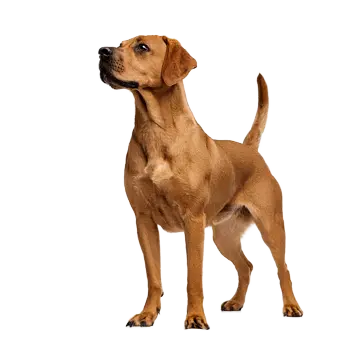
Broholmer

Broholmer
Gallery coming soon

Furry Critter Network Etsy Shop

Quick Facts

🐕 Breed Group
Working
📏 Size Category
Large
📏 Height
Males: 29.5 inches, Females: 27.5 inches
⚖️ Weight
Males: 110-150 pounds, Females: 90-130 pounds
⏱️ Life Expectancy
7-12 years
🧥 Coat Type
Short, close-lying with thick undercoat
🎨 Coat Colors
Yellow with black mask, golden red, black
😀 Temperament
Calm, friendly, watchful, confident, good-natured
🏃 Exercise Needs
Moderate
🎓 Training Difficulty
Moderate - can be stubborn
👶 Good with Children
Good with older children
🐾 Good with Other Pets
Moderate - requires socialization

Other Names & Breed Recognition

The Broholmer is known by several names that reflect its Danish heritage and characteristics. The breed's official name, Broholmer, derives from Broholm Castle (Slot Broholm), the estate of Count Niels Frederik Sehested, who played a pivotal role in standardizing and preserving the breed during the 19th century. Prior to receiving this specific designation, dogs of this type were called Old Danish Dogs (Gamle Danske Hund), a general term for the large mastiff-type dogs that existed in Denmark for centuries. This earlier name reflects the breed's long presence in Danish history without reference to a specific individual or location.

The breed is also known as the Danish Mastiff, a name that emphasizes both the geographic origin and the breed's classification within the mastiff family of large, powerful guardian dogs. This designation helps international fanciers understand the breed's type and purpose, connecting it to the broader molosser family that includes various mastiff breeds worldwide. Some sources also reference the Danish Broholmer, adding the nationality to the breed name for clarity in international contexts. In Denmark itself, the breed may simply be called Broholmer among those familiar with native dog breeds.

An interesting historical nickname for the Broholmer is "the butcher's dog," referring to the breed's frequent presence lying on doorsteps of butcher shops throughout Denmark. This association likely developed because butchers appreciated having large, impressive dogs that served both as guardians of their premises and as status symbols. The nickname captures a slice of Danish cultural history and the breed's integration into everyday commercial life in centuries past.

Recognition of the Broholmer by international kennel organizations has been gradual, reflecting the breed's near-extinction following World War II and its subsequent revival. The breed was first formally recognized in Denmark with the establishment of standards in the 19th century, though precise documentation from this early period is limited. After the breed's revival began in the 1970s, modern recognition followed. The Fédération Cynologique Internationale (FCI) recognized the Broholmer and assigned it breed number 315, placing it in Group 2 (Pinscher and Schnauzer - Molossoid breeds - Swiss Mountain and Cattle Dogs), Section 2.1 (Molossoid breeds, Mastiff type). This FCI recognition came in 2000 when the official valid breed standard was published, marking the breed's acceptance into the international dog fancy.

The United Kennel Club in the United States recognized the Danish Broholmer in 2006, making the breed eligible for UKC registration and participation in UKC conformation and performance events. This recognition represented an important milestone for the breed's presence in North America. The American Kennel Club has not granted full recognition to the Broholmer but admitted the breed to the Foundation Stock Service in 2013. The Foundation Stock Service represents the first step toward full AKC recognition and allows rare breeds to maintain reliable records while building their populations and establishing breed clubs in the United States. Dogs in the Foundation Stock Service can participate in certain AKC companion events but cannot compete in regular conformation shows until achieving full recognition.

The Kennel Club in the United Kingdom has not yet granted recognition to the Broholmer, and the Canadian Kennel Club likewise does not currently recognize the breed. These absences reflect the breed's rarity outside Denmark and the limited breeding populations in countries beyond Scandinavia. Recognition by major kennel clubs typically requires sufficient numbers of dogs, established breed clubs, and demonstrated breed stability before acceptance occurs, all of which take time for rare breeds to develop in new countries.

Broholmer Organizations & Standards

The Broholmer's breed standards and organizational oversight center primarily in Denmark, the breed's country of origin, with international recognition following Danish leadership. The Danish Kennel Club (Dansk Kennel Klub, DKK) serves as the primary authority for the breed and maintains the foundational breed standard. This standard, developed in cooperation with breed specialists, describes the ideal Broholmer in detail and serves as the reference document for breeders and judges worldwide. The Danish Kennel Club's stewardship of the breed is particularly significant given the Broholmer's history and the club's central role in the breed's revival from near-extinction.

The most critical organization in Broholmer history is the Society for Reconstruction of the Broholmer Breed (Selskabet for Rekonstruktion af Broholmer Racen), formed in 1975 by a group of dedicated Danish cynologists and breed enthusiasts. When the Broholmer faced extinction following World War II, with only a handful of dogs remaining, this society organized the systematic effort to locate surviving dogs, establish breeding programs, and rebuild the breed's population. The society worked closely with the Danish Kennel Club to identify suitable foundation stock, create breeding guidelines, and monitor the revival program's progress. Their painstaking work over decades succeeded in saving the Broholmer from disappearance and restoring the breed to viable numbers.

The Fédération Cynologique Internationale standard for the Broholmer (FCI Standard N° 315, dated 26.06.2000, with revisions as recent as 16.05.2025) provides international guidelines based on the Danish original. The FCI standard describes the Broholmer as a mastiff-type dog of large size, rectangular and strongly built, with composed and powerful movement. The standard emphasizes that appearance is dominated by powerful forequarters, with a massive, wide head, sturdy neck with some loose skin, and broad, deep chest. Males must be distinctly masculine and females distinctly feminine, showing clear sexual dimorphism. The FCI classifies the breed in Group 2, Section 2.1 (Molossoid breeds, Mastiff type).

According to FCI specifications, males should measure approximately 75 cm (29.5 inches) at the withers, while females measure approximately 70 cm (27.5 inches). The standard notes that the body is rectangular in proportion and that at rest, the head is carried rather low and stooping with the tail hanging down sabre-like. When moving, the tail is carried higher but not over the topline. When the dog is attentive or aroused, the head is carried higher and the tail is raised. The FCI standard specifies acceptable colors as yellow with black mask, golden red, and black. White markings on chest, feet, and tail tip are permitted. The coat must be short and close-lying with a thick undercoat. Dogs with distinctly long coats face disqualification.

The United Kennel Club adopted the Broholmer standard when recognizing the breed in 2006, creating specifications aligned with FCI guidelines but adapted for the UKC's format and terminology. The UKC standard describes the breed as good-tempered, friendly, and calm yet ever watchful. The standard emphasizes that it is important for the breed to show great self-confidence. The UKC standard provides detailed descriptions of physical characteristics including head structure, body proportions, coat texture, and movement. Disqualifications in the UKC standard include overshot or undershot bite, tail curled over the back, and distinctly long coat.

The American Kennel Club does not maintain a full breed standard for the Broholmer as the breed remains in the Foundation Stock Service rather than receiving full recognition. However, the AKC's brief description characterizes the Broholmer as calm, good-natured, yet watchful and confident, making a great family companion. As the breed's population grows in the United States and an official breed club forms, a complete AKC standard will be developed, likely incorporating elements from existing FCI and UKC standards while potentially making minor adjustments for the American context.

Breed clubs dedicated to the Broholmer exist primarily in Scandinavia, where the breed has its strongest presence. These clubs organize conformation shows, working trials, breed surveys, and educational programs for breeders and owners. They maintain breeding databases, coordinate health testing initiatives, and work to preserve the breed's working abilities and stable temperament. As the breed's international presence grows, additional breed clubs have formed in countries where Broholmer populations are developing, providing support for owners and breeders while promoting the breed to prospective families.

All breed standards agree on fundamental temperament requirements. The Broholmer must be calm, friendly, and good-natured while remaining watchful and alert to its surroundings. The breed should demonstrate self-confidence without arrogance or aggression. Shyness, timidity, or excessive nervousness are considered serious faults. The standards emphasize that the Broholmer's imposing appearance should be balanced by stable, reliable temperament suitable for family companionship. The breed's historical role as a guardian should be evident in alertness and protective instinct without inappropriate reactivity or hostility toward people or other animals.

Kennel Club Recognition

  • American Kennel Club (AKC): Foundation Stock Service (since 2013)
  • United Kennel Club (UKC): Recognized 2006 - Guardian Dog Group
  • Canadian Kennel Club (CKC): Not recognized
  • Fédération Cynologique Internationale (FCI): Recognized 2000 - Group 2, Section 2.1, Breed #315
  • The Kennel Club (UK): Not recognized

Broholmer Physical Description

The Broholmer is a large, powerful mastiff-type dog whose impressive physical presence immediately commands attention and respect. Males stand approximately 29.5 inches (75 cm) at the withers, while females measure approximately 27.5 inches (70 cm), making this a substantially sized breed. Weight ranges from 110 to 150 pounds for males and 90 to 130 pounds for females, though some individuals exceed these ranges. The breed's rectangular body proportion, where length exceeds height, creates a substantial, ground-covering silhouette that conveys both power and surprising agility for such a large dog.

The head is one of the Broholmer's most distinctive and defining features. The head is large, broad, and massive, giving an impression of great strength and substance. The skull is broad and rather flat on top, with the topline of the skull parallel to the topline of the muzzle. The stop is moderate, neither too pronounced nor absent. The muzzle itself is massive and approximately equal in length to the skull, though it may appear shorter due to the overall heaviness and bulk of the head. The bridge of the nose is straight and broad. The lips are pendulous but not excessively so—they show typical mastiff flews but without the extreme looseness seen in some molosser breeds. The jaws are very powerful, capable of significant bite force, with teeth meeting in scissors or level bite.

The nose is large and well-developed with open nostrils, always black regardless of coat color. The eyes are medium-sized, round, and set moderately apart, ranging from amber to dark brown in color. The expression should convey intelligence, confidence, and friendliness without hardness or aggression. The ears are set fairly high on the head, of medium size and triangular in shape, hanging close to the cheeks when at rest. When the dog is attentive, the ears may lift slightly at the base.

The neck is strong, muscular, and moderately long, set at an angle that allows the head to be carried proudly when the dog is alert. Some loose skin is present on the neck, forming a moderate dewlap, but this should not be excessive or exaggerated. The neck flows smoothly into well-defined withers and a strong, level topline. The back is rather long, straight, and muscular. The croup is broad and slightly sloping, providing power for forward drive during movement. The chest is deep, reaching at least to the elbows, and moderately wide with well-sprung ribs that provide adequate lung capacity without creating a barrel-chested appearance. The forechest is well-developed, contributing to the impression of powerful forequarters that dominate the breed's overall appearance.

The forequarters show substantial bone and muscle. Shoulders are long and sloping, providing efficient reach and allowing the breed's characteristic composed, powerful movement. The front legs are straight and parallel when viewed from the front, set wide apart due to the chest width. The elbows lie close to the body without turning in or out. The pasterns are short and strong, showing slight slope that provides shock absorption during movement. The feet are rounded and compact with well-arched toes and thick, hard pads.

Hindquarters are well-muscled and powerful, providing the driving force for the breed's movement. The angulation of the hindquarter should match that of the forequarter to produce balanced, efficient gait and length of stride. Upper thighs are very muscular and broad. The stifles show good angulation without being excessively bent. Hocks are well let down and strong. The rear pasterns are not too long, positioned perpendicular to the ground. When viewed from behind, the rear legs are straight and parallel.

The tail is an important breed characteristic. Set on rather low, it is thick at the base and tapers toward the tip. The tail reaches approximately to the hock joint. At rest, the tail hangs straight down in a sabre-like curve. When the dog is in motion, the tail is raised to horizontal or slightly above horizontal, but never carried curled over the back. A tail curled over the back is considered a serious fault and is a disqualification in some standards. The tail should be free of feathering, maintaining the smooth outline typical of short-coated mastiff breeds.

The Broholmer's coat is short, close-lying, and fairly thick, with a dense undercoat that provides insulation against cold Danish weather. The overall coat texture is smooth and somewhat harsh to the touch, lying flat against the body. The coat should present a sleek, clean outline that emphasizes the breed's muscular structure. Dogs with distinctly long coats face disqualification as this characteristic contradicts the proper breed type. The thick undercoat sheds seasonally, particularly in spring, requiring more frequent brushing during these periods.

Coat colors in the Broholmer include three acceptable variations. Yellow with black mask is common and striking, with the base color ranging from pale cream to deep golden tones. The black mask covers the muzzle and may extend over the face, creating dramatic contrast. Golden red describes dogs with rich reddish-golden coloring without the black mask, presenting a warm, uniform appearance. Solid black is also acceptable, creating an imposing, dramatic appearance. White markings are permitted on the chest, feet, and tip of the tail, though extensive white is not desired. The pigmentation should be rich and solid, never appearing faded, washed out, or showing freckling or ticking.

The Broholmer's movement is powerful, composed, and efficient, reflecting the breed's structure and purpose. The gait should be smooth and balanced, with strong drive from the hindquarters and good reach from the forequarters. As speed increases, the legs converge toward a center line under the body (single tracking), which is normal for large breeds. The movement should convey strength and endurance without appearing labored, clumsy, or restricted. The breed's rectangular build and powerful quarters allow sustained movement across varied terrain, befitting their historical role as estate guardians that patrolled large properties.

Affectionate With Family
The Broholmer forms exceptionally strong bonds with family members and displays remarkable devotion and loyalty. This gentle giant seeks physical closeness with loved ones, often attempting to be a lap dog despite their impressive size. Their calm, patient nature and desire to be near family make them devoted companions who thrive on human interaction.
Good With Young Children
The Broholmer can be patient with older children who understand how to interact appropriately with large dogs. However, their substantial size poses accidental injury risks for small children. They are generally not recommended for families with very young children, as their bulk and enthusiasm can overwhelm toddlers, though they show no aggressive tendencies.
Good With Other Dogs
The Broholmer can coexist peacefully with other dogs when properly socialized from puppyhood. However, they may display dominance toward dogs of the same sex and their large size means supervision is essential. Early, consistent socialization with various dogs helps develop appropriate canine social skills and prevents potential conflicts.
Shedding Level
The Broholmer sheds moderately year-round with heavier shedding during seasonal coat changes in spring and fall. Their thick undercoat produces a steady amount of loose hair that requires regular brushing to control. While not the heaviest shedder, prospective owners should expect consistent grooming maintenance and accept some dog hair around the home.
Coat Grooming Frequency
The Broholmer requires minimal grooming thanks to their short, close-lying coat. Weekly brushing with a firm bristle brush removes loose hair and distributes natural oils. More frequent brushing during seasonal sheds helps control hair loss. Bathing is needed only occasionally when the dog becomes dirty, making this a relatively low-maintenance breed from a grooming perspective.
Drooling Level
The Broholmer produces moderate amounts of drool due to their mastiff-type jowls and loose skin around the mouth. Drooling increases after drinking water, eating, during warm weather, or when anticipating food. Owners should keep towels handy and be prepared for some slobber, though the Broholmer drools less than some other mastiff breeds.
Coat Type
The Broholmer has a short, close-lying coat with a thick undercoat providing insulation. The coat is relatively smooth and dense, designed for the Danish climate. This practical, low-maintenance coat requires minimal grooming while providing adequate protection against weather. Dogs with distinctly long coats are considered faults in the breed standard.
Openness To Strangers
The Broholmer is naturally wary and watchful around strangers, befitting their heritage as estate guardians. While not aggressive, they remain reserved with unfamiliar people and observe newcomers carefully. This cautious nature makes them effective watchdogs, though they warm up gradually to people their family accepts. Proper socialization helps balance their protective instincts with appropriate behavior.
Playfulness Level
The Broholmer displays moderate playfulness, enjoying interactive games with family members in measured doses. While not as exuberant as many breeds, they appreciate fetch, gentle tug-of-war, and other activities that engage them mentally and physically. Their calm demeanor means play sessions are typically relaxed rather than frantic, matching their overall dignified temperament.
Watchdog/Protective Nature
The Broholmer possesses outstanding watchdog instincts developed through centuries of guarding Danish estates. They are naturally vigilant about their property and family, alerting owners to unusual activity with their deep bark. Their imposing size and confident presence provide excellent deterrence, while their calm temperament prevents inappropriate aggression. They take their guardian role seriously without training.
Adaptability Level
The Broholmer has limited adaptability to varying living situations due to their large size and space requirements. They are not well-suited to apartment living and thrive in homes with adequate indoor and outdoor space. Their calm nature helps them adjust to routine changes better than some breeds, but their size and exercise needs constrain lifestyle flexibility.
Trainability Level
The Broholmer is moderately trainable, being intelligent and capable of learning but sometimes displaying independent thinking and stubbornness. They require a confident handler who can establish clear leadership without harsh methods. Consistency, patience, and positive reinforcement produce best results. Their willingness to please varies, and training requires more persistence than with highly biddable breeds.

Broholmer History & Development

The Broholmer's history stretches deep into Denmark's past, with the breed's ancestors serving Danish nobility and landowners for centuries. The exact origins of the breed remain somewhat unclear due to limited written records from the Middle Ages, but the Broholmer is believed to have ancient roots that connect it to large mastiff-type dogs used throughout Europe for guarding, hunting, and war. Understanding the Broholmer's development requires examining both the documented history and the legends that surround this distinctly Danish breed.

The breed type known today as the Broholmer has been present in Denmark since at least the Middle Ages, when large, powerful dogs served multiple functions for the ruling classes. These dogs were used for hunting large and dangerous game including stags, boars, and even bears in the extensive forests that covered much of Denmark and Scandinavia. Their size, strength, and courage made them valuable hunting companions for nobility who pursued game as both sport and necessity. Beyond hunting, these dogs served as guardians of castles, estates, and manor houses, protecting property and inhabitants from human intruders and animal predators. Some historical accounts suggest these dogs were also used as war dogs, accompanying soldiers into battle and serving various military functions.

One of the most intriguing origin stories involves the marriage in the late 1500s between the daughter of Danish King Frederick II and Scottish King James VI. According to tradition, King James VI gave King Frederick II several large mastiff-type dogs as gifts during the wedding festivities. These Scottish dogs allegedly crossed with existing Danish mastiff-type dogs, contributing to the development of what would eventually become the Broholmer. While this story is widely repeated in breed literature, concrete documentation is scarce, and the tale may be partially apocryphal. However, it's certainly plausible that dogs were exchanged between royal families during this period, as such gifts were common diplomatic gestures.

Another theory about the breed's origins suggests connections to the Danish Vikings, who traveled extensively throughout Europe and the British Isles between the 8th and 11th centuries. Historical accounts indicate Vikings brought home mastiff-type dogs from their raids and trading expeditions, particularly from England where large guardian and war dogs existed. These imported dogs likely crossed with native Danish dogs, gradually developing into the distinct type that would become the Broholmer. The Viking connection, while difficult to prove definitively, is consistent with what is known about Viking culture and their interest in powerful, impressive dogs.

Regardless of precise ancient origins, what is certain is that by the late 1700s and early 1800s, a distinct type of large Danish dog had emerged, referred to as the Old Danish Dog (Gamle Danske Hund). These dogs served primarily as guardians of large farms, estates, and manor houses belonging to Danish aristocracy and wealthy landowners. Their imposing size and natural protective instincts made them excellent deterrents against intruders and thieves. The dogs patrolled properties, alerted owners to unusual activity, and physically confronted threats when necessary. Their calm, stable temperaments allowed them to live closely with families and staff while maintaining alertness to genuine threats.

The modern Broholmer's specific development and naming comes from the work of Count Niels Frederik Sehested of Broholm Castle (Slot Broholm) in the late 18th century. Count Sehested, who served as royal game keeper, took particular interest in these large Danish dogs and began a systematic breeding program to standardize and improve the type. He set strict breed standards, defining the physical and temperamental characteristics he deemed ideal for the breed. Importantly, Count Sehested only allowed others to breed his dogs if they agreed to follow his established breed standard, ensuring consistency as the breeding program expanded. His dedication to quality and standardization helped transform a general type into a recognizable breed. The dogs became known as Broholmers after his estate, honoring his contributions to the breed's development.

During the 19th century, the Broholmer achieved considerable popularity among Danish nobility and wealthy families. King Frederick VII kept Broholmers and is depicted with them in family portraits, lending royal prestige to the breed. The dogs became status symbols, with ownership indicating wealth and social standing. Their presence at noble estates throughout Denmark made them a familiar sight in Danish society. The breed's numbers increased substantially during this period of popularity.

However, the Broholmer's fortunes declined dramatically in the early 20th century. Several factors contributed to this decline. Changes in hunting practices reduced demand for large hunting dogs. The industrial revolution and urbanization decreased the number of large rural estates where such dogs naturally fit. Most significantly, World War I and especially World War II devastated the breed. The economic hardships of wartime made it difficult to maintain large dogs, and many breeding programs were abandoned. Food shortages meant families could not afford to feed substantial dogs. By the end of World War II, the Broholmer had nearly disappeared, with only a handful of dogs remaining scattered across Denmark and neighboring regions.

The breed faced likely extinction until 1975, when a group of dedicated Danish dog enthusiasts organized to save the Broholmer. This group, calling themselves the Society for Reconstruction of the Broholmer Breed (Selskabet for Rekonstruktion af Broholmer Racen), received support from the Danish Kennel Club and began the painstaking work of locating surviving dogs that matched the old breed type. They searched rural areas of Denmark, identifying dogs on isolated farms that had been bred for working purposes without incorporation of foreign breeds. These dogs, products of generations of functional breeding for farm work, retained the characteristics of the original Broholmers.

The reconstruction effort was methodical and careful. The society evaluated potential foundation dogs for both physical conformation to the historical standard and appropriate temperament. Dogs that met the criteria were registered and incorporated into breeding programs. The goal was not simply to create large mastiff-type dogs, but specifically to recreate the authentic Broholmer with its unique combination of size, type, and gentle yet watchful temperament. This revival program succeeded remarkably well. From a population that could be counted in single digits in the 1970s, the breed grew steadily over subsequent decades. Today, while still relatively rare outside Scandinavia, the Broholmer has a stable, growing population with breeding programs in several countries. The first Broholmers were imported to the United States in the early 2000s by Joe and Kathy Kimmeth, establishing the breed's presence in North America.

Broholmer Temperament & Personality

The Broholmer possesses a temperament that beautifully balances impressive physical presence with gentle, stable character. This breed is calm, good-natured, friendly, and confident, yet remains watchful and protective—a combination of traits that makes them excellent family companions and natural guardians. Understanding the Broholmer's temperament requires recognizing that centuries of selective breeding created a dog capable of serving as both imposing estate guardian and gentle household companion, roles that demanded very specific personality characteristics.

The most defining aspect of the Broholmer's temperament is their remarkable calmness and stable disposition. These dogs are not hyperactive, overly excitable, or prone to nervousness. Instead, they approach life with composed dignity and measured responses to stimuli. This calm nature makes them pleasant house dogs despite their large size. A well-bred, properly socialized Broholmer spends much of their time relaxed and content, observing their surroundings with quiet alertness rather than constant activity. This doesn't mean the breed is lethargic or unresponsive; rather, they conserve energy and react appropriately to situations without unnecessary excitement.

Confidence represents another essential temperament characteristic emphasized in breed standards. The Broholmer should demonstrate great self-confidence, approaching situations and challenges with assurance rather than timidity or fear. This confidence stems from generations of breeding dogs that needed to confront threats to property and livestock without backing down. A confident Broholmer calmly assesses new situations, people, and animals without anxiety or overreaction. Lack of confidence, manifesting as shyness, fear, or excessive wariness, is considered a serious temperament fault. Breeders work carefully to maintain the bold, self-assured nature that characterizes the properly bred Broholmer.

With family members, the Broholmer displays deep affection and loyalty. These dogs form extraordinarily strong bonds with their people and genuinely enjoy spending time with family members. Despite their large size and sometimes imposing appearance, Broholmers are often described as wanting to be lap dogs, seeking physical closeness and contact with loved ones. Many Broholmers lean against family members, rest their head on laps, or position themselves touching someone whenever possible. This need for connection means they do not adapt well to isolation from family. A Broholmer that is excluded from family activities, relegated to outdoor-only life, or left alone for long periods regularly will be unhappy and may develop behavioral problems.

The breed's relationship with children depends largely on the children's ages and behavior. Broholmers can be wonderful with older, respectful children who understand how to interact appropriately with large dogs. The breed's patience, stability, and protective instincts combine to create a devoted guardian for youngsters in the family. Many Broholmers seem to understand their size and temper their movements around children they know and love. However, the breed is generally not recommended for families with very young children or toddlers. The Broholmer's substantial bulk means they can accidentally knock down or step on small children, causing injury despite the dog's gentle intentions. Their enthusiasm when greeting family members, while controlled compared to many breeds, can still overwhelm a toddler. Most breeders suggest waiting until children are at least school-aged before adding a Broholmer to the family.

Toward strangers, the Broholmer displays the watchful, naturally wary temperament expected of guardian breeds. They are not immediately friendly with unfamiliar people, instead remaining reserved and observant, assessing strangers carefully before deciding whether to accept them. This natural suspicion serves the breed's historical guardian role well, as estate dogs needed to distinguish between welcome visitors and potential threats. A Broholmer will not typically rush to greet strangers enthusiastically or seek attention from people they don't know. However, proper socialization ensures that wariness does not become fear or inappropriate aggression. The well-socialized Broholmer accepts strangers their family accepts, relaxing once they understand a visitor is welcome, though they may never be as effusive with strangers as with family.

The breed's watchdog instinct is powerful and reliable. Broholmers naturally monitor their property and alert owners to unusual activity or the approach of strangers. Their deep, powerful bark provides excellent deterrence, and their size and impressive presence convince most potential intruders to reconsider. However, the breed is not naturally aggressive and should not display unprovoked hostility toward people or animals. The ideal Broholmer is protective without being reactive, confident without being combative, and capable of distinguishing between normal activity and genuine threats. Inappropriate aggression, excessive fear, or instability represents serious temperament faults.

With other dogs, the Broholmer's temperament varies depending on individual personality, socialization history, and the other dogs involved. Many Broholmers coexist peacefully with other dogs in the household, particularly when raised together from puppyhood. However, some individuals display dominance toward dogs of the same sex, and their large size means even play can appear intimidating to smaller dogs. Careful socialization with various dogs during puppyhood helps develop appropriate canine social skills. Due to their size and strength, supervision during interactions with other dogs remains important throughout the Broholmer's life.

Intelligence is notable in the Broholmer, though the breed sometimes displays independent thinking that can be mistaken for stubbornness. These dogs are capable of learning complex tasks and remembering training, but they think for themselves and may question commands they don't understand or see as unnecessary. This independent streak made them valuable as estate guardians working without constant human direction, but it requires owners to establish clear leadership and provide consistent training. The Broholmer responds best to patient, positive training methods with a confident handler who can provide direction without harsh corrections.

The breed's watchfulness represents a fundamental temperament trait. Broholmers are naturally observant, monitoring their environment continuously even when appearing relaxed. They notice changes, unusual sounds, and the approach of people or animals, remaining alert to their surroundings while maintaining their characteristic calm demeanor. This watchfulness, combined with their protective instinct, means they naturally assume guardian responsibilities without specific training. However, this trait also means they need secure fencing and appropriate management to prevent territorial behavior toward passersby or visitors.

Broholmer Family Life & Living Requirements

Living with a Broholmer requires careful consideration of space requirements, exercise needs, and lifestyle compatibility with this large, watchful breed. While the Broholmer's calm temperament and devotion to family make them wonderful companions, their size, strength, and guardian instincts create specific obligations that owners must understand and accept before bringing one of these gentle giants into their home.

Housing considerations are paramount for the Broholmer. This large breed is not suitable for apartment living, despite their relatively calm indoor demeanor. Broholmers need space—both indoors and outdoors—to accommodate their substantial size comfortably. A house with at least moderate square footage provides necessary room for a 150-pound dog to move around without creating constant crowding or chaos. More importantly, the Broholmer needs a securely fenced yard where they can patrol, monitor their territory, and receive adequate exercise. The fencing must be sturdy and at least six feet high, as these powerful dogs can push through or jump over inadequate barriers if motivated. Secure latches on gates are essential, as the Broholmer's watchful nature means they pay attention to property boundaries and access points.

Despite their size, Broholmers should live indoors as part of the family rather than being relegated to outdoor-only life. Their strong bonds with family members and need for companionship make isolation intolerable for this breed. A Broholmer kept primarily outdoors, in a kennel, or otherwise separated from family activities will be miserable and may develop behavioral problems including excessive barking, destructive behavior, or depression. These dogs want to be wherever their people are, participating in family life even if that simply means lying on the floor while family members watch television or prepare meals. Many Broholmer owners find that their dogs attempt to be lap dogs despite weighing more than 100 pounds, and accepting this behavior often proves easier than fighting the breed's need for physical closeness.

Exercise requirements for the Broholmer are moderate compared to many large working breeds, which surprises some people given the dog's size. This is not a high-energy breed requiring hours of intense activity daily. However, they do need regular exercise to maintain proper weight, muscle tone, and mental health. Most adult Broholmers require approximately one hour of exercise daily, which can be divided into multiple sessions. Long walks, moderate hikes, games of fetch, swimming, or play sessions in a securely fenced yard provide appropriate activity. The breed's calm nature means they're content with moderate, sustainable exercise rather than intense, prolonged activity.

Importantly, exercise for Broholmer puppies requires careful management. Large and giant breed puppies have developing bones and joints that can be damaged by excessive, high-impact exercise. Forced running, jumping from heights, or prolonged exercise on hard surfaces should be avoided until the dog reaches physical maturity around 18-24 months. Puppies need play and moderate activity but should not be pushed into strenuous exercise routines. Short, frequent play sessions and age-appropriate walks provide sufficient activity for healthy development.

Mental stimulation is important for the intelligent Broholmer. While not as demanding mentally as some working breeds, Broholmers benefit from training sessions, puzzle toys, scent work, and other activities that engage their minds. Basic obedience training should continue throughout the dog's life to maintain skills and provide mental challenge. Many Broholmers enjoy learning tricks, participating in nose work activities, or engaging in other mentally stimulating pursuits that utilize their intelligence and working heritage.

The Broholmer's watchful, protective nature significantly impacts family life and requires thoughtful management. These dogs naturally monitor their property and alert to unusual activity or approaching strangers. While this makes them excellent watchdogs, it means owners must manage situations involving visitors, delivery people, maintenance workers, and others who legitimately need access to the property. Most Broholmers can learn to accept regular visitors and service people, particularly if properly introduced and socialized to understand these individuals are welcome. However, management may still be necessary, and some families choose to confine their Broholmer when workers are on the property to prevent confrontations or complications.

Families considering a Broholmer should honestly assess their lifestyle regarding visitors and social activities. A household that frequently hosts parties, has constant streams of visitors, or regularly welcomes numerous guests may find the Broholmer's natural reserve toward strangers challenging. The breed will not enthusiastically greet guests or behave like a social butterfly. They remain watchful and somewhat aloof with unfamiliar people, which some guests may find intimidating given the dog's size. Families should be prepared to manage their Broholmer during social events and help guests understand the dog's temperament and proper interaction protocols.

The breed's relationship with other household pets varies based on individual temperament, early socialization, and the specific animals involved. Broholmers raised with other dogs from puppyhood often coexist peacefully with those specific dogs throughout their lives. However, adding a new dog to a home with an adult Broholmer requires careful introduction and assessment of compatibility. Some Broholmers display same-sex aggression, making it difficult to keep two males or two females together. With cats and other small animals, outcomes depend heavily on early exposure and individual prey drive. Broholmers raised with cats from puppyhood typically accept them as family members, though supervision may still be necessary. Small pets like rabbits, guinea pigs, or birds may trigger prey instinct, and extreme caution is required.

Children in the household require special consideration. The Broholmer can be wonderful with older, respectful children who understand appropriate dog interaction. However, the breed's size alone creates risks for toddlers and young children who can be accidentally knocked down, stepped on, or overwhelmed by the dog's bulk and enthusiasm. Most breeders recommend the Broholmer for families with children at least school-aged who can follow safety rules and treat the dog respectfully. Constant supervision remains essential whenever the dog and children are together, and children should be taught never to disturb a sleeping or eating dog, to respect the dog's space, and to interact gently.

The Broholmer's tendency toward stubbornness and independent thinking means the breed requires an owner who can provide confident, consistent leadership without resorting to harsh methods. First-time dog owners may find this breed challenging, as the Broholmer's size and strength mean training and management mistakes have more serious consequences than with smaller dogs. Experienced dog owners who understand pack dynamics, can establish clear rules, and will invest time in proper training generally have the best success with this breed. The owner must be physically capable of controlling a powerful, 150-pound dog on leash and psychologically capable of establishing themselves as a fair but firm leader the dog respects.

Broholmer Training & Exercise Needs

Training a Broholmer presents unique challenges stemming from the breed's intelligence combined with independent thinking, substantial size, and powerful build. While capable of learning and generally eager to please their family, Broholmers require consistent, patient training from a confident handler who can establish clear leadership without resorting to harsh methods. Understanding how to train this breed effectively makes the difference between a well-mannered companion and a large, unruly dog that is difficult to manage.

The Broholmer's intelligence is considerable, and they are quite capable of learning complex commands and remembering training over long periods. However, their working heritage as independent estate guardians created dogs that think for themselves and assess situations before deciding whether to comply with commands. This characteristic can be mistaken for stubbornness or defiance, but it actually represents the breed doing what it was developed to do—make independent decisions about appropriate responses to situations. Handlers must recognize this trait and work with it rather than against it, establishing themselves as trustworthy leaders whose direction the dog respects and follows willingly.

Training methods must be adapted to the Broholmer's temperament and size. Harsh corrections, physical punishment, or overly stern discipline are counterproductive with this breed. While Broholmers need firm, consistent leadership, they respond poorly to heavy-handed training. Positive reinforcement methods using treats, praise, and play as rewards produce the best results. The handler must project calm confidence and clear expectations, teaching the Broholmer through patience and consistency rather than intimidation or force. A Broholmer that perceives training as unfair or excessively harsh may become stubborn, resistant, or lose respect for the handler.

Early training should begin the moment a Broholmer puppy enters the home. Basic house training, crate training if desired, and preliminary socialization start immediately. Puppies should learn their names, simple commands like sit and down, and appropriate behavior expectations. Formal puppy kindergarten classes should begin as soon as vaccination schedules permit, typically around 10-12 weeks of age. These classes provide crucial socialization with other puppies and people while establishing training foundations. Given the Broholmer's eventual large size, teaching appropriate behavior while the puppy is small enough to manage easily is essential.

Socialization represents a critical component of raising a well-adjusted Broholmer. While the breed is naturally wary of strangers and watchful by nature, proper socialization helps ensure these traits remain balanced and appropriate rather than developing into fearfulness or inappropriate aggression. Puppies should meet many different people in various contexts—friendly neighbors, children of different ages, delivery people, veterinary staff, and others. Exposure to different environments, sounds, surfaces, and experiences helps build confidence and adaptability. Well-socialized Broholmers can distinguish between normal activity and genuine threats, remaining calm and confident in various situations.

Leash training deserves particular emphasis given the breed's size and strength. An adult Broholmer that pulls on leash can easily overpower most handlers, creating safety issues and making walks unpleasant. Leash training should begin early, teaching the puppy to walk calmly on a loose leash beside the handler. Consistency is essential—allowing the dog to pull sometimes but not others creates confusion and undermines training. Many Broholmer owners use head collars or front-clip harnesses to help manage pulling during the training process, though proper leash manners eliminate the need for special equipment eventually.

Recall training—teaching the dog to come reliably when called—is important for safety, though Broholmers should never be off-leash in unfenced areas regardless of recall reliability. Their size, strength, and protective instincts create potential problems if the dog decides to confront a perceived threat or pursue an interesting scent. Recall training should use high-value rewards and begin in low-distraction environments, gradually increasing difficulty as the dog's reliability improves. Practice should continue throughout the dog's life to maintain the behavior.

Boundary training helps manage the Broholmer's natural territorial behavior. These dogs naturally patrol property lines and monitor boundaries, which can lead to fence-running, excessive barking at passersby, or territorial aggression if not properly managed. Teaching the dog appropriate responses to people and animals near property boundaries prevents problems. Some owners teach their Broholmers specific commands for when the dog should bark (alert mode) versus when they should remain quiet (stand down), giving them control over the dog's guardian behavior.

Continued training throughout the Broholmer's adult life is essential. This breed can become pushy or attempt to take leadership roles if allowed to believe they outrank family members in the household hierarchy. Regular training sessions reinforce the handler's authority and keep the dog mentally engaged. Even practicing basic obedience commands for a few minutes daily maintains respect and responsiveness. Many Broholmer owners find that their dogs try periodically to test boundaries, particularly during adolescence and young adulthood, and consistent training prevents these tests from becoming established behavioral problems.

Exercise requirements for the adult Broholmer are moderate and manageable. These are not marathon runners or dogs requiring hours of intense activity daily. Instead, they need regular, moderate exercise to maintain proper weight, muscle tone, and mental health. Approximately one hour of exercise daily suffices for most adults, which can include one or two walks, yard play sessions, or other moderate activities. Broholmers enjoy walking, hiking on moderate trails, swimming, and gentle games of fetch or tug. Their calm nature means they are content with sustainable, regular exercise rather than demanding high-intensity activity.

The breed's rectangular build and powerful quarters provide good endurance for sustained moderate activity. They can accompany owners on longer hikes or walks without difficulty, though they are not appropriate companions for joggers seeking running partners. Their size and mastiff build mean they are better suited to walking and moderate activity than intense, prolonged running. In hot weather, exercise should be limited to cooler parts of the day, as the breed's bulk makes them susceptible to overheating. Access to water during and after exercise is essential.

Mental stimulation is as important as physical exercise for the intelligent Broholmer. Training sessions, puzzle toys, scent work, hide-and-seek games, and other mentally challenging activities help keep the breed satisfied and well-behaved. Many Broholmer owners find that their dogs are calmer and more settled after training sessions that challenged them mentally, even if physical exercise was limited. A bored Broholmer may develop behavioral problems including excessive barking, destructive chewing, or other unwanted behaviors as they attempt to create their own entertainment.

Broholmer Health Concerns

The Broholmer has a lifespan of 7 to 12 years, which is typical for large and giant breed dogs. While generally healthy, Broholmers are predisposed to certain health conditions that prospective owners should understand. Like all large breeds, Broholmers face specific health challenges related to their size and structure. Awareness of breed-specific health concerns enables owners to make informed decisions, monitor for early warning signs, and work with veterinarians to provide comprehensive care throughout the dog's life.

Common Health Issues

  • Hip dysplasia represents one of the most common orthopedic problems affecting Broholmers, occurring when the hip joint develops abnormally so the ball and socket do not fit together properly.
  • Elbow dysplasia also affects this breed, causing abnormal development of the elbow joint that leads to pain, lameness, and arthritis in the front legs.
  • Bloat, technically called gastric dilatation-volvulus, is a life-threatening emergency where the stomach fills with gas and potentially twists, cutting off blood supply and requiring immediate veterinary intervention.
  • Dental care including daily tooth brushing and professional cleanings as needed prevents periodontal disease that can lead to systemic health problems.
  • Health screening of breeding stock including hip and elbow evaluations through organizations like the Orthopedic Foundation for Animals, cardiac examinations, and genetic testing for known conditions helps reduce the incidence of inherited diseases.
  • Feeding management requires particular attention in this breed due to bloat risk.

Preventive Care & Health Monitoring

  • Regular veterinary check-ups at least annually, and preferably twice yearly as the dog ages, allow early detection of developing health problems before they become serious.
  • Vaccinations following your veterinarian's recommended schedule protect against preventable infectious diseases throughout the dog's life.
  • Dental care including daily tooth brushing and professional cleanings as needed prevents periodontal disease that can lead to systemic health problems.
  • Weight management through appropriate diet and regular exercise prevents obesity-related complications that significantly impact health and longevity in large breeds.

Responsible breeders provide documentation of health clearances, discuss the health history of the puppy's parents and relatives transparently, and stand behind their breeding program with appropriate health guarantees. With proper preventive care, attention to breed-specific health concerns, appropriate nutrition and exercise, and prompt treatment of any issues that arise, Broholmers can live full, active lives as devoted family guardians and gentle companions.

Broholmer Grooming & Maintenance

The Broholmer's grooming and maintenance requirements are relatively straightforward thanks to the breed's short, close-lying coat. However, their large size means routine care takes more time and effort than with smaller breeds, and certain health maintenance considerations require attention throughout the dog's life. Understanding what grooming and care the Broholmer needs helps owners keep their dogs comfortable, healthy, and pleasant to live with.

Coat care for the Broholmer is simple and uncomplicated. The short, dense coat requires weekly brushing using a firm bristle brush, rubber curry comb, or grooming mitt to remove loose hair and distribute natural oils. This weekly brushing session typically takes 10-15 minutes depending on the dog's size and coat condition. During seasonal shedding periods in spring and fall, when the thick undercoat releases, more frequent brushing becomes necessary. Daily or every-other-day brushing during heavy shed periods helps control the substantial amount of loose hair produced and prevents it from covering furniture, floors, and clothing. The Broholmer is a moderate shedder overall, producing a steady supply of hair year-round with increased shedding seasonally.

Bathing requirements are minimal for most Broholmers. The short coat doesn't trap dirt easily, and most dogs remain relatively clean under normal circumstances. Bathing is necessary only when the dog becomes visibly dirty, develops an unpleasant odor, or has been in water or mud. Over-bathing strips natural oils from skin and coat, potentially causing dryness and irritation. Most Broholmers need bathing perhaps every two to three months, though frequency depends on individual lifestyle and activity level. When bathing, use a dog-specific shampoo formulated for short coats, ensure thorough rinsing to remove all soap residue, and dry the dog completely, paying attention to skin folds where moisture can accumulate.

Skin care deserves attention in Broholmers due to the loose skin and moderate dewlap present in the breed. Skin folds around the neck and head can trap moisture, debris, and bacteria, leading to infections and unpleasant odors if not properly maintained. Owners should check these areas regularly, wiping them clean with a damp cloth and drying thoroughly afterward. Dogs with particularly heavy dewlaps or prominent skin folds may benefit from daily cleaning, while others need attention only weekly. Any redness, irritation, or foul odor indicates potential infection requiring veterinary attention.

Ear care is essential for the Broholmer's health. The medium-sized pendant ears create somewhat enclosed environments where moisture can accumulate, potentially leading to infections if neglected. Weekly ear checks and cleaning prevent most problems. Healthy ears are light pink, smell neutral, and contain minimal ear wax. Clean ears using a veterinarian-recommended ear cleaning solution applied to cotton balls or gauze pads, wiping out visible areas of the ear flap and outer ear canal without inserting anything into the canal itself. Dogs who swim or become wet need ear cleaning after each exposure to water. Signs of ear infection include redness, swelling, discharge, unpleasant odor, head shaking, or scratching at ears, all of which warrant veterinary examination.

Dental care is crucial for the Broholmer's long-term health and wellbeing. Periodontal disease affects many dogs, leading to tooth loss, pain, and potentially systemic health problems as bacteria from infected gums enter the bloodstream and affect organs. Daily tooth brushing using dog-specific toothpaste provides optimal dental health. Many owners establish tooth brushing as part of the daily routine from puppyhood, making it a normal, expected activity. Dogs not accepting daily brushing benefit from brushing at least three to four times weekly. Dental chews and toys marketed for dental health provide supplementary benefits but cannot replace brushing. Professional dental cleanings by a veterinarian become necessary periodically, with frequency depending on home care quality and individual susceptibility to dental disease.

Nail trimming is essential every two to four weeks, keeping nails short enough that they don't touch the ground when the dog stands in a normal position. Long nails cause discomfort, alter gait and weight distribution, and can lead to orthopedic problems over time. They also make clicking sounds on hard floors, which some owners find annoying. Trimming a large dog's nails can be challenging, as Broholmers have substantial nails that require either heavy-duty clippers or rotary grinding tools. Many owners find nail grinding less stressful than clipping, as grinding gradually shortens the nail rather than creating the sudden pressure and potential pain of clippers. The quick—the blood vessel and nerve inside the nail—must be avoided during trimming. In light-colored nails, the quick appears as a pink area, but in dark nails it's invisible, requiring careful trimming of small amounts to avoid cutting too deeply.

Eye care for Broholmers is straightforward. Eyes should be clear and bright with no excessive discharge, redness, cloudiness, or squinting. Small amounts of clear discharge in the corners are normal and can be wiped away with a damp cloth. Any change in eye appearance or evidence of discomfort warrants veterinary examination, as eye problems can deteriorate rapidly if untreated.

General health monitoring should occur regularly during grooming sessions. As owners brush and handle their dogs, they should check for lumps, bumps, cuts, scrapes, parasites, or other abnormalities. Running hands over the dog's body detects changes early when they're most treatable. Pay attention to the dog's body condition, ensuring ribs can be easily felt under slight fat covering without being visible. Weight management is important for this large breed, as excess weight strains joints and contributes to numerous health problems. The Broholmer's calm nature and moderate exercise needs make them prone to weight gain if overfed or under-exercised.

Drool management represents a reality of living with a Broholmer. The breed's mastiff-type jowls and moderate loose lips mean they produce some drool, particularly after drinking water, eating, or during warm weather. Keeping towels handy near water bowls and in commonly used rooms allows quick cleanup. Some owners tie bandanas around their dog's neck to catch drool, changing them as needed. Accepting a certain level of drool and slobber is part of owning a molosser-type breed.