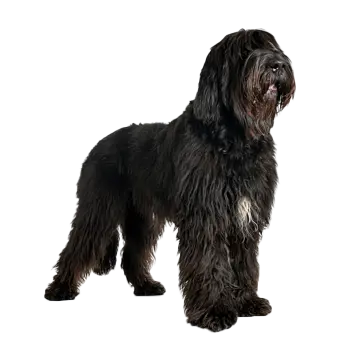
Bergamasco

Bergamasco Sheepdog
Gallery coming soon

Furry Critter Network Etsy Shop

Quick Facts

🐕 Breed Group
Herding
📏 Size Category
Large
📏 Height
21-24 inches
⚖️ Weight
57-84 pounds
⏱️ Life Expectancy
13-15 years
🧥 Coat Type
Unique flocked triple coat
🎨 Coat Colors
Gray, Silver-gray, Coal, Black with gray
😀 Temperament
Intelligent, Patient, Independent, Devoted
🏃 Exercise Needs
Moderate to High
🎓 Training Difficulty
Good, independent thinker
👶 Good with Children
Excellent
🐾 Good with Other Pets
Good with proper socialization

Other Names & Breed Recognition

The Bergamasco serves as one of several alternate names for the breed officially registered as the Bergamasco Sheepdog by major kennel clubs worldwide. This Italian singular form represents the most commonly used shortened version of the breed's full name, employed extensively in casual conversation, breed literature, and informal contexts. The name Bergamasco directly references the breed's origins in the Bergamo region of northern Italy, where these distinctive flocked-coat herding dogs developed over centuries of practical selection for mountain shepherding work.

The breed's nomenclature reflects its deep geographic and cultural connection to the Italian Alps and specifically the valleys surrounding Bergamo, a province in Lombardy. Historical records and pastoral traditions indicate that shepherds in this mountainous region developed a distinctive type of herding dog superbly adapted to harsh alpine conditions, steep rocky terrain, and independent work managing flocks far from direct human supervision. These working dogs needed exceptional intelligence, stamina, weather resistance, and problem-solving abilities to succeed in demanding mountain pastures where they often worked autonomously for hours. The name Bergamasco honors this geographic heritage and the breed's centuries-long association with Bergamo's pastoral landscape and agricultural traditions.

In English-speaking countries, Bergamasco appears frequently as a convenient shortened form of the full registered name Bergamasco Sheepdog. Dog fanciers, breeders, and owners use Bergamasco interchangeably with the longer official designation, much as people might say "Aussie" instead of Australian Shepherd or "Lab" instead of Labrador Retriever. This shortening maintains recognition of the breed's Italian heritage while providing a more concise reference point. The singular form proves particularly useful in written communication and conversation where repeated use of the full three-word name might seem unnecessarily formal or cumbersome.

The breed also goes by several other variations depending on language and context. In Italy, the full Italian designation Cane da Pastore Bergamasco translates literally as Bergamasco Shepherd Dog, with Bergamaschi serving as the plural form when discussing multiple dogs or the breed collectively. Some English speakers use Bergamese Shepherd as an anglicized variation, though this appears less frequently in official contexts. These various names all refer to the same remarkable breed, differentiated primarily by language conventions, singular versus plural usage, and whether speakers prefer the full formal name or shortened versions.

The Bergamasco's most distinctive feature, its unique flocked coat, sometimes leads to descriptive informal references like "flocked dog" or mentions of the breed's unusual woolly appearance. However, knowledgeable breed enthusiasts and serious fanciers prefer proper designations that honor the breed's Italian heritage and geographic origins. The coat develops through a natural process where three different hair types interweave and felt together, creating flat, loose flocks that provide extraordinary weather protection. This coat characteristic proved essential for dogs working long hours exposed to alpine weather, providing insulation against cold, rain, and snow while allowing freedom of movement across rough mountainous terrain.

Some breed advocates specifically prefer using Bergamasco because it represents the authentic singular Italian form and maintains direct linguistic connection to the breed's homeland. Italian dog breeds carry particular significance within the international dog fancy due to Italy's long, rich history of developing specialized working dogs for specific regional purposes and environments. Using the Italian name demonstrates respect for this cultural heritage and acknowledges the breed's origins among Italian mountain shepherds who developed these remarkable dogs through practical, functional selection over many generations. The name also helps distinguish this breed from other shepherd or sheepdog breeds worldwide, emphasizing its unique Italian character and distinctly unusual appearance that sets the Bergamasco apart from all other herding dogs.

Bergamasco Organizations & Standards

The Bergamasco holds recognition from major international kennel clubs, though the breed remains relatively uncommon outside its Italian homeland even today. The American Kennel Club (AKC) recognized the Bergamasco Sheepdog in 2015, classifying it within the Herding Group as one of the more recently accepted breeds in modern times. This relatively late recognition reflects the breed's historical rarity in North America and the substantial time required for building sufficient breeding stock, establishing a dedicated national breed club, and demonstrating breed stability and sustained interest. The AKC breed standard emphasizes the Bergamasco's unique coat structure, rustic working appearance, and sound functional conformation appropriate for demanding mountain herding work in challenging conditions. Standards stress explicitly that the flocked coat should appear completely natural and untrimmed, maintaining the breed's traditional pastoral appearance.

The AKC standard describes a medium to large dog exhibiting substantial bone structure and strong, well-developed musculature suitable for sustained work in mountainous terrain. Height specifications call for males measuring approximately 23.5 inches at the withers and females around 22 inches, with weight proportional to height and bone structure rather than specified by exact numbers. The standard emphasizes square to slightly rectangular proportions when viewed from the side, allowing efficient movement across varied terrain including steep slopes. Temperament descriptions stress the breed's notable intelligence, independence, and devoted nature, noting that Bergamasco dogs should appear vigilant but never aggressive, confident but never reckless. The standard explicitly identifies the unique three-layer flocked coat as an essential breed characteristic that must be carefully preserved through responsible breeding.

The United Kennel Club (UKC) also recognizes the Bergamasco Sheepdog, classifying it in their Herding Dog Group alongside other pastoral breeds. UKC standards align generally with AKC requirements while placing particular emphasis on working ability and functional soundness suitable for actual herding work. The UKC has long championed versatility in working breeds and their Bergamasco standard reflects this practical philosophy by prioritizing correct structure and sound temperament over purely aesthetic considerations. UKC breed events provide valuable opportunities for Bergamasco dogs to demonstrate both conformation quality and working capability, helping maintain the breed's dual-purpose heritage.

The Canadian Kennel Club (CKC) recognized the Bergamasco Sheepdog, following classification systems quite similar to the AKC approach. Canadian breed standards mirror AKC requirements very closely regarding correct structure, essential coat characteristics, and appropriate temperament expectations. The CKC has fostered steady growth of the Bergamasco community in Canada, though the breed remains considerably less common than popular herding breeds. Canadian breeders maintain close working relationships with international colleagues to ensure genetic diversity and preserve authentic breed type.

The Fédération Cynologique Internationale (FCI), which governs breed standards throughout much of Europe and numerous countries worldwide, recognizes the Bergamasco Shepherd Dog under breed number 194 in Group 1, which encompasses Sheepdogs and Cattle Dogs, specifically Section 1 covering Sheepdogs. The FCI standard represents the original Italian breed standard, as Italy serves as the breed's country of origin and therefore holds responsibility for maintaining the official international standard. FCI standards emphasize strongly the breed's ancient heritage and practical working purpose, requiring dogs to demonstrate sound structure and appropriate temperament for independent herding work in challenging mountain conditions. The Italian breed club, SABC (Società Amatori del Bergamasco e del Cane da Pastore), maintains careful oversight of the official standard and works diligently to preserve breed authenticity in the homeland.

The Kennel Club (UK) also recognizes the Bergamasco Shepherd Dog, classifying it appropriately in their Pastoral Group alongside other herding breeds developed for livestock management. British breed standards align closely with FCI requirements, emphasizing working heritage and functional soundness suitable for the breed's original purpose. The UK system particularly values breeds maintained close to their original working type, and the Bergamasco fits well within this practical philosophy as a breed still fully capable of performing its original herding and guarding functions.

Breed standards across all major kennel clubs emphasize several consistent core qualities considered absolutely essential to authentic Bergamasco type. All standards call for the unique three-layer coat that forms distinctive natural flocks, specifying explicitly that the coat should never be brushed, combed, or trimmed but rather allowed to develop completely naturally. The flocks should hang in loose, flat formations covering the entire body, providing essential weather protection without restricting free movement. Standards universally describe a strong, rustic dog with substantial bone and well-developed musculature, fully capable of sustained work in demanding mountain conditions. Movement should appear effortless and efficient, with good reach and drive appropriate for covering rough terrain hour after hour. Temperament descriptions consistently emphasize keen intelligence, working independence, remarkable patience, and devoted loyalty to family, noting that the breed should demonstrate natural watchfulness without inappropriate aggression or nervousness. Standards stress emphatically that Bergamasco dogs should retain full working ability and sound pastoral temperament rather than becoming merely ornamental show dogs valued only for their highly unusual appearance.

Kennel Club Recognition

  • American Kennel Club (AKC): Recognized by the American Kennel Club in the Herding Group since 2015
  • United Kennel Club (UKC): Recognized by the United Kennel Club in the Herding Dog Group
  • Fédération Cynologique Internationale (FCI): Recognized by the Fédération Cynologique Internationale in Group 1, Sheepdogs and Cattledogs, Section 1, Sheepdogs
  • The Kennel Club (UK): Recognized by The Kennel Club (UK) in the Pastoral Group

Bergamasco Physical Description

The Bergamasco Sheepdog presents a distinctive, rustic appearance dominated entirely by its remarkable flocked coat that creates an unmistakable silhouette unlike any other breed. This medium-large dog exhibits substantial bone structure and strong, well-developed musculature appropriate for demanding mountain herding work, combining significant power with surprising agility in a balanced, functional package. The overall impression is decidedly one of a supremely capable working dog perfectly adapted to harsh alpine conditions, with every aspect of structure contributing directly to functional soundness rather than mere aesthetic refinement. The breed's unique coat creates an immediately recognizable appearance, with flat, loose flocks covering the body completely from head to foot.

Males typically stand approximately 23 to 24 inches at the shoulder, while females measure around 21 to 23 inches, with weight always proportional to height and bone structure rather than specified by exact numbers. Males generally weigh between 70 and 84 pounds, while females range from 57 to 71 pounds. These dogs should appear decidedly substantial and strong without any hint of excessive bulk, exhibiting the moderate bone and solid muscling entirely appropriate for sustained mountain work requiring endurance. The breed's sturdy frame easily supports many hours of herding activity across steep, rough terrain, successfully combining remarkable endurance with necessary agility and sure-footedness on challenging ground.

The head is large and proportionate to body size, clearly conveying the breed's considerable strength and working capability. The skull is broad and slightly rounded between the well-set ears, approximately equal in length to the gradually tapering muzzle. A moderate stop clearly separates skull from muzzle, which maintains adequate depth and substantial width for strong, secure bite power while carefully avoiding any hint of coarseness. Lips are tight and black-pigmented throughout, creating clean, precise lines. The jaws are notably powerful with a complete scissors bite entirely suitable for gripping and confidently holding livestock when necessary.

Eyes are large, oval-shaped, and dark brown regardless of coat color, conveying the breed's characteristic intelligent, attentive expression. Eye color should appear as dark as possible in all individuals, creating proper, authentic expression. The eyes peer out alertly from beneath the coat's substantial face furnishings, giving the Bergamasco Sheepdog its distinctively thoughtful, observant gaze. Lighter eye colors are considered significant faults as they substantially detract from proper breed expression and may indicate problematic color dilution affecting overall pigmentation.

Ears are triangular, set high on the skull, and carried semi-erect with the tips naturally dropping forward. Ear leather is relatively thin, and ears hang close to the head rather than standing conspicuously away. The ears are covered thoroughly with soft, wavy hair that blends seamlessly into the facial coat. Ear carriage contributes significantly to the breed's gentle, approachable expression while still allowing adequate hearing necessary for effective working purposes.

The Bergamasco Sheepdog's most distinctive and truly remarkable feature is its absolutely unique coat structure unlike any other breed. The breed possesses three completely distinct hair types that naturally interweave to form flat, loose flocks covering the entire body comprehensively. The undercoat is notably dense, somewhat oily, and fine-textured, providing essential insulation and excellent water resistance. A harsh, goat-like outer coat called "goat hair" forms the flocks' protective outer surface. Long, fine woolly hair forms the crucial middle layer binding everything together. These three fundamentally different coat types begin growing and gradually interweaving during the puppy's first year, with distinctive flocks forming progressively over the first two to three years of life.

The fully mature adult coat hangs impressively in flocks that typically reach the ground, creating a decidedly rustic, almost sheep-like appearance. Flocks are emphatically not uniform cords like those characterizing some other breeds but rather distinctly flat, irregular formations varying considerably in width and length across different body areas. The flocks provide outstanding protection from severe weather and rough terrain while simultaneously allowing complete freedom of movement and effectively preventing dangerous overheating. Coat color ranges through various attractive shades of gray, including striking silver-gray, to coal black, often displaying patches creating pleasingly variegated appearance. Some individual dogs show merle-like coloring or distinctive patching in multiple gray shades.

The neck is strong, slightly arched, and of good moderate length, widening gradually into well-laid shoulders positioned at appropriate working angles. This excellent structure provides necessary strength for working activities while simultaneously allowing proud, alert head carriage. The topline remains consistently firm and level from prominent withers to muscular croup, clearly indicating proper structural integrity. The chest is notably deep and well-developed, reaching fully to the elbows, providing more than adequate lung capacity without excessive width that would restrict efficient movement. Ribs are well-sprung throughout, creating an efficient oval rather than round cross-section.

The forequarters feature well-muscled shoulders laid back at entirely appropriate working angles, connecting smoothly to straight, strong forelegs positioned correctly. Bone is decidedly substantial without any hint of coarseness, easily supporting the dog's considerable weight and demanding work requirements. Pasterns show slight slope, providing essential shock absorption during sustained movement over rough, uneven ground. The hindquarters are powerfully muscled throughout with moderate angulation creating effective driving power. Stifles are well-bent, and hocks are set low, providing excellent leverage for climbing steep terrain. The Bergamasco Sheepdog's feet are large, round, and tightly knit with well-arched toes and thick, resilient pads entirely suitable for rocky mountain paths. The presence of dewclaws is fully acceptable and traditionally maintained in the breed. The tail is thick at the base, tapering gradually toward the tip, carried in a slight attractive curve over the back when alert or actively moving, hanging relaxed naturally when at rest.

Affectionate with Family
The Bergamasco forms exceptionally strong bonds with family members, displaying deep devotion and gentle affection. This breed thrives on close companionship with their people, showing calm, steady attachment rather than overwhelming exuberance, making them wonderfully balanced family members.
Good with Young Children
Bergamasco dogs excel with children of all ages, demonstrating remarkable patience and gentle protectiveness. Their calm, stable temperament combined with natural watchfulness makes them outstanding companions for families with kids, showing tolerance for typical childhood behaviors while remaining vigilant guardians.
Good with Other Dogs
This breed generally interacts well with other dogs when properly socialized, displaying calm, accepting behavior toward canine companions. Bergamasco dogs typically show little aggression or competitiveness, preferring peaceful coexistence though they may be reserved with unfamiliar dogs initially.
Shedding Level
Bergamasco dogs shed minimally once their coat has fully flocked, making them among the lowest-shedding breeds despite their abundant coat. The felted flocks trap loose hair within the coat structure rather than releasing it throughout the home, creating surprisingly low maintenance for such a heavily coated breed.
Coat Grooming Frequency
Once the Bergamasco's coat has matured and flocked properly, grooming requirements become surprisingly minimal. The flocks maintain themselves naturally and should not be brushed or combed, requiring only occasional separation of flocks and bathing several times yearly, making maintenance easier than many assume.
Drooling Level
Bergamasco dogs are exceptionally clean with virtually no drooling tendency. Their tight lips and efficient mouths produce minimal saliva, maintaining cleanliness and making them ideal for owners who prefer a tidy companion despite the breed's substantial size.
Openness to Strangers
This breed displays moderate reserve around unfamiliar people, taking time to assess strangers before warming up. Bergamasco dogs are neither overly suspicious nor immediately friendly with newcomers, showing the balanced caution appropriate for their herding and guarding heritage while remaining approachable.
Playfulness Level
Bergamasco dogs show moderate playfulness, engaging happily in activities with family members while maintaining their characteristically calm demeanor. They enjoy interactive games and outdoor activities but approach play with measured enthusiasm rather than frantic energy, reflecting their stable, balanced temperament.
Watchdog/Protective Nature
As natural guardians of flocks and family, Bergamasco dogs possess strong protective instincts combined with excellent judgment. They remain aware of their surroundings and alert families to unusual activity without excessive barking, demonstrating the discriminating watchfulness that made them valuable livestock guardians.
Adaptability Level
Bergamasco dogs adapt well to various living situations when provided adequate exercise and companionship. Their calm, stable temperament allows them to adjust to lifestyle changes and different environments, though they thrive with access to outdoor space and consistent family interaction.
Trainability Level
This breed demonstrates good trainability combined with independent thinking developed through centuries of autonomous herding work. Bergamasco dogs learn readily and respond well to positive training methods, though their intelligence means they may question repetitive commands or decide when compliance seems unnecessary.
Energy Level
Bergamasco dogs possess moderate energy levels, requiring regular exercise without demanding extreme daily exertion. They appreciate outdoor activities and purposeful exercise but remain calm and settled in the home, making them suitable for families seeking an active but not hyperactive companion.

Bergamasco History & Development

The Bergamasco Sheepdog's history extends deep into remote antiquity, establishing it as one of Europe's oldest herding breeds with origins largely shrouded in ancient legend and practical pastoral necessity. While precise dates remain frustratingly uncertain due to limited historical documentation, substantial evidence strongly suggests that dogs closely resembling modern Bergamasco Sheepdog worked throughout the Italian Alps for at least two thousand years, quite possibly considerably longer. Ancient pastoral peoples who inhabited the challenging Alpine regions needed supremely capable herding dogs perfectly adapted to harsh mountain conditions, extremely steep terrain, and genuinely independent work managing flocks far from any direct human oversight. These early working dogs formed the essential foundation stock from which the distinctive Bergamasco Sheepdog eventually developed through many centuries of intensely practical selection.

Some dedicated breed historians trace Bergamasco Sheepdog ancestry to dogs brought to the Italian peninsula by Asian nomadic tribes during ancient migrations and various invasions throughout history. These intriguing theories suggest that heavy-coated guardian and herding dogs traveled westward with pastoral peoples, eventually settling permanently in the Alps where exceptionally harsh conditions strongly favored dogs with highly protective coats and remarkable independent working ability. Whether this romantic origin story accurately reflects verifiable historical fact or represents largely romantic speculation remains genuinely debatable among scholars, but the Bergamasco Sheepdog's distinctive coat structure and characteristically independent working style do suggest ancient pastoral dog ancestry specifically adapted to demanding mountain herding over countless generations.

More reliably documented history clearly places Bergamasco Sheepdog development in the valleys and mountains surrounding Bergamo, a province in Lombardy in northern Italy. This region's unique geography created nearly ideal conditions for specialized herding dog development over extended time. Extensive alpine pastures provided excellent summer grazing for large flocks of sheep and goats, while shepherds desperately needed capable dogs to manage livestock effectively across steep, rocky terrain often located far from permanent settlements. The notoriously harsh climate featuring bitterly cold winters, heavy persistent snow, frequent rain, and strong mountain winds absolutely required dogs with exceptional weather-resistant coats and remarkably robust constitution to survive and work effectively.

Shepherds throughout the Bergamo region selected breeding dogs based purely on functional working characteristics rather than any aesthetic preferences whatsoever. Dogs absolutely needed keen intelligence to make sound independent decisions when working far from handlers, effectively managing flock movement across difficult terrain, and protecting valuable sheep from dangerous predators including wolves that still inhabited Italian mountains. They required exceptional stamina for long working days covering extremely rough terrain at considerable altitude. Weather-resistant coats proved absolutely essential for dogs working in all severe conditions without any shelter whatsoever. Patient, calm temperaments allowed highly effective livestock management without causing panic or dangerous stress in flocks. Over many successive generations, these intense selection pressures created a distinctive, recognizable type: medium-large, strongly built dogs with unique flocked coats, remarkable practical intelligence, and independent yet devoted temperaments.

The Bergamasco Sheepdog's highly unusual coat developed as a supremely practical adaptation to demanding mountain conditions encountered daily. The unique three-layer structure providing excellent insulation, reliable water resistance, and substantial protection from rough vegetation and harsh terrain proved vastly superior to either short coats or conventional long coats for this work. The natural felting process that creates distinctive flocks effectively prevents problematic matting close to sensitive skin while maintaining essential protective layers. Flocks shed water and accumulated snow remarkably effectively, allowing dogs to work comfortably in persistently wet conditions without becoming thoroughly soaked and dangerously chilled. The substantial coat also provided valuable protection from predator attacks, making it considerably harder for wolves or other threats to bite through successfully to the dog's vulnerable body.

By the late 19th century, when organized dog fancy first emerged throughout Europe, the Bergamasco Sheepdog had become a clearly recognizable, well-established type throughout its home region. However, the breed remained relatively unknown outside northern Italy, used almost exclusively by working shepherds rather than participating meaningfully in the developing dog show world spreading across Europe. Italian dog fanciers began systematically documenting and actively preserving distinctive native breeds during this pivotal period, recognizing the Bergamasco Sheepdog as a unique national treasure worthy of serious protection and active promotion beyond pastoral communities.

The Società Amatori del Bergamasco Sheepdog e del Cane da Pastore (Society of Amateurs of the Bergamasco Sheepdog and Shepherd Dog) formed in Italy specifically to preserve and actively promote the breed, establishing the first comprehensive written breed standards and organizing the first formal breed exhibitions. This dedicated club worked tirelessly to increase breed awareness nationally and internationally while carefully maintaining essential working qualities and traditional type. Early breed standards emphasized strongly that Bergamasco Sheepdog dogs should remain fully capable working dogs rather than becoming merely ornamental show specimens valued only for highly unusual appearance.

The early to mid-20th century proved extremely challenging for the Bergamasco Sheepdog, as devastating World Wars severely disrupted breeding programs and caused significant population declines across Europe. Additionally, rapidly changing agricultural practices substantially reduced demand for traditional herding dogs as mechanization and dramatically different livestock management approaches steadily replaced traditional shepherding with working dogs. The breed's total population declined precipitously, raising serious concerns about long-term survival. However, dedicated Italian breeders courageously maintained small but viable breeding programs, successfully preserving the breed through extremely difficult times.

The latter half of the 20th century witnessed gradual breed recovery and slowly increasing international awareness and appreciation. Italian breeders began cautiously exporting Bergamasco Sheepdog dogs to other European countries and eventually to North America, establishing essential foundation stock for breeding programs outside Italy. The breed's truly unique appearance and notably gentle temperament attracted fanciers actively seeking unusual breeds, while its substantial herding heritage appealed strongly to working dog enthusiasts. However, the Bergamasco Sheepdog remained and continues to be a relatively rare breed worldwide even today.

The Bergamasco Sheepdog first arrived in the United States in small numbers beginning during the 1990s, with dedicated breeders working diligently to establish the breed firmly and ultimately gain full AKC recognition. This lengthy, demanding process required building sufficient quality breeding stock, establishing a viable national breed club, and clearly demonstrating breed stability and sustained interest over time. The breed entered the AKC's Miscellaneous Class in 2011 and finally achieved full recognition in 2015, allowing Bergamasco Sheepdog dogs to compete in all AKC events. Recognition represented a significant milestone for the breed's growing presence in North America, though populations remain quite small compared to popular herding breeds.

Modern Bergamasco Sheepdog dogs serve primarily as devoted family companions and show dogs rather than working shepherds, as relatively few owners maintain sheep flocks requiring traditional herding work. However, the breed retains notably strong herding instincts and full working capability, with some individual dogs participating successfully in herding trials and public demonstrations. Breed enthusiasts emphasize preserving working ability alongside the unique coat and gentle temperament that fundamentally characterize the Bergamasco Sheepdog. Contemporary breeders face ongoing challenges maintaining adequate genetic diversity in a rare breed while simultaneously preserving authentic type and essential working characteristics. International cooperation among dedicated breeders helps address these challenges effectively, with dogs occasionally imported to strengthen breeding programs.

Today's Bergamasco Sheepdog represents the remarkable culmination of many centuries of careful development, successfully maintaining the rustic appearance, distinctive flocked coat, keen intelligence, and devoted temperament that characterized the mountain shepherds' dogs of ancient Bergamo. The breed serves as a living, breathing connection to pastoral traditions and a powerful reminder of how working dogs fundamentally shaped agricultural society throughout Europe's challenging mountain regions.

Bergamasco Temperament & Personality

The Bergamasco Sheepdog possesses a balanced, intelligent temperament fundamentally characterized by independence, devotion, and remarkable patience with people and animals. This breed thinks independently for itself, directly reflecting many centuries of working autonomously while managing flocks far from any direct human supervision in remote mountain pastures. Bergamasco Sheepdog dogs assess situations carefully and make appropriate decisions rather than waiting passively for human commands, displaying the sophisticated cognitive abilities absolutely necessary for autonomous herding work in challenging conditions. This intelligence makes them fascinating, engaging companions but also means they may reasonably question unnecessary repetition or blind compliance when they judge situations entirely safe. Owners must earn genuine respect through fair, consistent leadership rather than demanding unthinking obedience.

Devotion to family ranks among the Bergamasco Sheepdog's most prominent and endearing characteristics. These dogs form exceptionally strong emotional bonds with their people, displaying loyalty that manifests through constant companionship and gentle, understated affection. Bergamasco Sheepdog dogs strongly prefer remaining near family members throughout the day, following quietly from room to room and positioning themselves strategically where they can observe household activities. Unlike some breeds that demonstrate attachment through overwhelming exuberance and constant activity, Bergamasco Sheepdog dogs show love through calm, steady presence and attentive watchfulness. They truly want to be integral parts of family life, participating naturally in activities and sharing living spaces rather than remaining separate or isolated.

Patience defines the breed's interactions particularly with children of all ages. Bergamasco Sheepdog dogs show truly extraordinary tolerance for typical childhood behaviors, accepting noise, commotion, and sometimes inappropriate handling with calm, gracious acceptance. They naturally understand intuitively that children require especially gentle treatment, adjusting their behavior accordingly without training. This remarkable patience extends well beyond kids to include elderly family members, other household pets, and generally anything requiring careful, considerate response. The breed's stable, essentially unflappable nature makes Bergamasco Sheepdog dogs outstanding family companions in households with varying ages and diverse needs.

Watchfulness characterizes the Bergamasco Sheepdog's approach to their environment and family protection responsibilities. These dogs remain constantly aware of their surroundings, carefully noting changes and thoughtfully assessing potential concerns without obsessive vigilance. They alert families to unusual activity through barking or strategic physical positioning but don't become nuisance barkers reacting to every routine event. Bergamasco Sheepdog dogs effectively distinguish between genuine concerns requiring attention and normal neighborhood activity, displaying the discrimination that made them valuable flock guardians. Their protective instincts remain notably strong but well-balanced, neither absent nor overwhelming in expression.

The breed shows moderate reserve around strangers, taking appropriate time to assess unfamiliar people carefully before accepting them. Bergamasco Sheepdog dogs don't greet strangers with immediate enthusiasm but rather observe carefully and patiently, gradually warming up once they judge newcomers safe and family-approved. This naturally cautious approach reflects appropriate guardian instincts rather than fearfulness or excessive suspicion. Well-socialized Bergamasco Sheepdog dogs eventually welcome approved visitors warmly while maintaining awareness, demonstrating the balanced temperament ideal for family guardians. Their reserve means introductions require patience and respect, but the breed's fundamental stability prevents aggressive or fearful responses to normal social situations.

Calm steadiness permeates the Bergamasco Sheepdog's entire personality and approach to life. These dogs rarely become overly excited about anything, maintaining emotional equilibrium through various challenging situations. They handle stress remarkably well, recovering quickly from startling events or changes in routine. This stability proves particularly valuable in busy households with children, other pets, or frequent activity and visitors. Bergamasco Sheepdog dogs provide a genuinely calming presence, remaining unflustered when chaos erupts around them. Their emotional balance also contributes significantly to trainability, as they can focus and work effectively even in distracting environments.

The breed's herding heritage manifests clearly through vigilant observation and gentle management behaviors with family and other pets. Bergamasco Sheepdog dogs may position themselves strategically between family members and perceived threats, use their bodies to guide or block movement, or gently herd children or other pets through nudging and careful positioning. These behaviors reflect deep instinct rather than aggression, though owners should redirect inappropriate herding attempts. Many Bergamasco Sheepdog dogs show impressive natural herding ability when exposed to livestock, demonstrating the working instincts carefully preserved through many generations.

Despite their considerable size and substantial working background, Bergamasco Sheepdog dogs adapt well to various living situations when provided adequate exercise and companionship. They don't require constant intense activity, instead genuinely appreciating regular moderate exercise and meaningful family interaction. These dogs enjoy outdoor activities but remain calm and settled indoors, making them more adaptable than many herding breeds. Their moderate energy level and notably stable temperament suit families seeking an active but decidedly not hyperactive companion.

Sensitivity to family dynamics characterizes the Bergamasco Sheepdog's emotional intelligence and awareness. These dogs read human moods accurately and respond appropriately to various emotional states. They provide comfort when family members feel distressed, maintaining close, supportive presence during difficult times. This empathy makes Bergamasco Sheepdog dogs wonderful emotional support animals, though their size and coat may limit formal service dog applications. Their intuitive understanding of human emotions strengthens the human-dog bond and makes them particularly attuned companions.

Bergamasco Family Life & Living Requirements

Bergamasco Sheepdog dogs adapt well to family life, thriving in homes where they can participate meaningfully in daily routines and receive regular companionship. These dogs strongly prefer spending time with family members rather than being left alone for extended periods, making them better suited to homes where someone is present most of the day or where they can accompany family members to various locations. Bergamasco Sheepdog dogs that receive adequate attention and inclusion become wonderful family companions, displaying the patience, devotion, and gentle protectiveness that characterizes the breed at its best.

Housing requirements for Bergamasco Sheepdog dogs are flexible, as these adaptable dogs adjust successfully to various living situations when their needs are met. While their size might suggest rural living, they adjust well to suburban homes with adequate yard space for exercise and outdoor time. Some Bergamasco Sheepdog dogs even adapt to apartment living if owners commit to providing sufficient daily exercise through walks and outings. The key factor is not property size but rather owner dedication to meeting exercise needs and providing companionship. A securely fenced yard provides valuable space for play and relaxation but doesn't substitute for walks, training, and family interaction.

The breed's moderate exercise requirements make them more manageable than high-drive herding breeds. Bergamasco Sheepdog dogs need daily exercise totaling one to two hours, which can include walks, playtime, training sessions, and free running in secure areas. Morning and evening walks work well for working families, with additional play or training during the day. These dogs enjoy hiking, swimming, and various outdoor activities, though they don't demand extreme exertion. Mental stimulation through training, puzzle toys, and new experiences proves equally important as physical exercise, keeping the intelligent Bergamasco Sheepdog engaged and content.

Bergamasco Sheepdog dogs generally interact well with other family pets when properly socialized from puppyhood. Their patient, calm temperament extends to household cats, smaller dogs, and other animals, though supervision during initial introductions establishes positive relationships. Some Bergamasco Sheepdog dogs may attempt to herd other pets through gentle nudging or positioning, reflecting their herding heritage. Early socialization and training help manage these instincts while teaching appropriate pet interactions. Many Bergamasco Sheepdog dogs live successfully in multi-pet households, particularly when raised together from young ages.

The breed's watchful nature makes them naturally vigilant guardians who alert families to unusual activity without excessive barking. Bergamasco Sheepdog dogs distinguish between routine events and genuine concerns, barking discriminately rather than constantly. Their size, presence, and alert nature provide excellent home security combined with stable temperament that prevents inappropriate aggression. Proper socialization ensures they remain confident and accepting of normal activity while maintaining protective awareness. These dogs typically welcome regular visitors once family members provide appropriate introduction and approval.

Bergamasco Sheepdog dogs excel with children of all ages, demonstrating remarkable patience and gentle protectiveness. Their calm, stable temperament makes them wonderful companions for families with kids, as they tolerate typical childhood noise, activity, and sometimes inappropriate handling with good grace. Bergamasco Sheepdog dogs often position themselves near children during play, watching protectively without interfering unnecessarily. They seem to understand naturally that children require gentle treatment, adjusting behavior appropriately. Teaching children to respect the dog's space, avoid disturbing during meals or rest, and interact gently creates positive relationships, though Bergamasco Sheepdog dogs typically prove more tolerant than many breeds.

These dogs travel reasonably well when properly trained and accustomed to vehicle rides. Bergamasco Sheepdog dogs enjoy accompanying families on adventures, adapting to camping trips, beach visits, and outdoor activities with calm acceptance. Their moderate energy and stable temperament make them pleasant travel companions, though their size and coat require consideration for accommodations and climate. Public access training proves straightforward for this intelligent breed, and well-socialized Bergamasco Sheepdog dogs behave appropriately in various public settings, making them suitable companions for errands and outings.

The Bergamasco Sheepdog's unique coat requires consideration in family planning. While grooming needs are not excessive once the coat has flocked, the unusual appearance may elicit attention and questions in public. Families should be comfortable with the breed's rustic, unconventional look and prepared to educate others about the coat's nature and care. The coat can track in dirt and debris from outdoors, requiring regular paw and coat checks after outdoor time. However, the minimal shedding once flocked makes Bergamasco Sheepdog dogs surprisingly clean house dogs despite their abundant coat.

These dogs thrive with consistency and routine, though they adapt reasonably well to schedule changes when necessary. Bergamasco Sheepdog dogs appreciate knowing what to expect from daily life, finding security in predictable patterns. However, their intelligence and stable temperament allow them to handle variations without stress. Families should establish clear boundaries and expectations early, as Bergamasco Sheepdog dogs respond best to consistent rules fairly enforced. Their independent thinking means they may test boundaries occasionally, requiring patient but firm correction when they make poor choices.

Bergamasco Training & Exercise Needs

Bergamasco Sheepdog dogs demonstrate good trainability combined with independent thinking that requires understanding from handlers. These dogs learn readily, mastering commands and behaviors efficiently when training methods respect their intelligence and working heritage. However, their history of autonomous decision-making while herding means they may question repetitive or seemingly pointless exercises. Bergamasco Sheepdog dogs respond best to positive reinforcement training that rewards desired behaviors rather than punishing mistakes. Their sensitivity to handler mood and fair treatment makes harsh corrections counterproductive, potentially damaging the trust-based relationship essential for successful training.

Basic obedience training should begin early in puppyhood, establishing foundation behaviors and clear communication between dog and handler. Commands including sit, down, stay, come, and heel prove essential for control and safety in daily life. Bergamasco Sheepdog dogs typically learn basic commands quickly, often within several training sessions, though maintaining reliability requires consistent practice and reinforcement. Training sessions should be kept interesting and purposeful, as these intelligent dogs can become bored with excessive repetition. Varying locations, introducing distractions gradually, and making training feel like problem-solving rather than rote drilling maintains engagement and enthusiasm.

Socialization represents a critical component of Bergamasco Sheepdog development, requiring exposure to diverse people, animals, environments, and experiences throughout the puppy period. Well-socialized Bergamasco Sheepdog dogs develop confidence and appropriate responses to novel situations rather than excessive caution or fearfulness. Puppy classes provide valuable socialization opportunities while teaching basic manners in distracting environments. Regular outings to pet-friendly stores, parks, and other public spaces continue socialization throughout the first year. Careful, positive introductions to various stimuli prevent development of reactivity or excessive wariness while maintaining the breed's natural watchfulness.

Advanced training activities suit the Bergamasco Sheepdog's intelligence and herding heritage well. Herding trials allow dogs to demonstrate instinctive livestock-working abilities, with many Bergamasco Sheepdog dogs showing natural talent requiring minimal formal training. The breed's patient, methodical approach to herding differs from some high-drive breeds, reflecting centuries of autonomous work managing flocks calmly. Rally obedience provides another outlet combining obedience with navigation challenges that engage problem-solving abilities. Nose work and tracking harness the breed's scenting capabilities, offering mental challenges that tire dogs as effectively as physical exercise.

Agility training showcases the Bergamasco Sheepdog's athleticism despite their substantial size and unusual coat. These dogs navigate obstacle courses with surprising grace and enthusiasm when properly conditioned. The physical and mental demands of agility training provide excellent outlets for the breed's energy while strengthening handler-dog communication. Therapy dog work appeals to the Bergamasco Sheepdog's gentle, patient temperament, allowing them to bring comfort to people in hospitals, schools, and care facilities. Their calm presence and tolerance for handling make them natural therapy dogs, though coat maintenance and size require consideration for facility access.

Exercise requirements for Bergamasco Sheepdog dogs are moderate, demanding regular daily activity without extreme exertion. These dogs need approximately one to two hours of exercise daily, which can include walks, play, training, and free running in secure areas. Structured exercise like walking, hiking, or swimming provides physical conditioning while satisfying the breed's need for outdoor time and activity. Off-leash running in safely enclosed areas allows Bergamasco Sheepdog dogs to stretch their legs and engage in natural movement at their own pace, though their independent thinking requires solid recall training before allowing freedom.

Mental stimulation proves equally important as physical exercise for maintaining a well-adjusted Bergamasco Sheepdog. Puzzle toys, food-dispensing games, and hide-and-seek activities engage problem-solving abilities developed through centuries of independent herding work. Training sessions introducing new commands or tricks keep minds sharp and engaged. Rotating toys and activities prevents boredom while maintaining novelty and interest. Bergamasco Sheepdog dogs that receive adequate mental stimulation alongside physical exercise remain calmer and better behaved in the home, though their baseline energy remains moderate rather than high.

Under-exercised or under-stimulated Bergamasco Sheepdog dogs may develop behavioral problems including excessive barking, mild destructiveness, or attention-seeking behaviors. However, this breed generally proves less problematic than high-drive herding breeds when exercise falls short of ideal, as their moderate energy and stable temperament provides some buffer. Still, owners should commit to meeting exercise needs consistently, as prevention proves easier than correcting problems that develop from boredom or insufficient activity.

The breed's independent thinking requires patience and creativity from trainers. Bergamasco Sheepdog dogs may not see the point in performing repetitive behaviors or following commands that seem unnecessary given the situation. Handlers must make training relevant and rewarding, helping dogs understand why cooperation benefits them and strengthens the partnership. This approach respects the breed's intelligence while establishing cooperation and communication. Force-based training typically backfires with Bergamasco Sheepdog dogs, creating resistance or shutdown rather than willing compliance. Instead, positive methods that make the dog want to cooperate produce outstanding results with this thoughtful breed.

Bergamasco Health Concerns

Bergamasco Sheepdog dogs are generally healthy, robust animals with an impressive typical lifespan of 13 to 15 years, which exceeds that of many large breeds.

Common Health Issues

  • This longevity reflects the breed's relatively natural development through practical selection for working ability and soundness rather than extreme physical characteristics.
  • Hip dysplasia occurs in Bergamasco Sheepdog dogs with low to moderate frequency, involving abnormal hip joint development that can lead to arthritis, discomfort, and reduced mobility in affected dogs over time.
  • Elbow dysplasia represents another orthopedic concern in the breed, affecting proper elbow joint formation and potentially causing lameness and degenerative changes requiring management throughout the dog's life.
  • Progressive retinal atrophy (PRA) is an inherited eye disease that has been identified in Bergamasco Sheepdog dogs, causing gradual retinal degeneration that eventually leads to blindness in affected dogs.
  • Thyroid issues including hypothyroidism can develop in Bergamasco Sheepdog dogs when the thyroid gland produces insufficient hormone, causing symptoms including weight gain, lethargy, skin problems, and coat quality deterioration.
  • Heart disease including dilated cardiomyopathy has been occasionally reported in Bergamasco Sheepdog dogs, affecting the heart's ability to pump blood effectively and requiring veterinary monitoring and management.

Preventive Care & Health Monitoring

  • Regular veterinary check-ups at least annually allow early detection of developing health problems and ensure appropriate preventive care throughout the Bergamasco Sheepdog's life, supporting longevity and quality of life.
  • Dental care including professional cleanings and home tooth brushing prevents periodontal disease, which can affect overall health beyond oral problems and proves particularly important for maintaining wellbeing throughout the breed's long lifespan.
  • Weight management through appropriate diet and exercise prevents obesity-related health complications, though most Bergamasco Sheepdog dogs maintain reasonable body condition naturally when provided adequate activity and proper feeding.
  • Health screening of breeding stock including hip and elbow evaluations, eye examinations, and genetic testing helps responsible breeders produce healthier puppies and reduce inherited disease prevalence in future generations.

Understanding breed-specific health concerns allows owners to make informed decisions about preventive care and recognize warning signs requiring veterinary attention. The Bergamasco Sheepdog's relatively robust health and impressive longevity contribute to their appeal as family companions, with proper care allowing these gentle, devoted dogs to share many years with their families.

Bergamasco Grooming & Maintenance

Bergamasco Sheepdog grooming requirements differ dramatically from typical breeds due to their unique flocked coat structure. Understanding the coat's development and proper care proves essential for maintaining health and proper appearance. Contrary to assumptions many people make upon seeing the breed, the mature flocked coat actually requires less maintenance than many long-coated breeds, though the initial flocking process and ongoing care do require specific knowledge and techniques that differ from conventional grooming approaches.

During the puppy stage up to approximately one year of age, the Bergamasco Sheepdog coat appears relatively normal, consisting of soft puppy fuzz that requires regular brushing to prevent matting. Puppies should be brushed several times weekly using a pin brush or slicker to keep the coat neat and accustom the puppy to handling. This early grooming establishes good habits and allows monitoring of skin condition. However, owners must understand that this brushing phase is temporary, ending when the adult coat begins developing and the flocking process starts.

Between approximately one and three years of age, the Bergamasco Sheepdog's three hair types begin growing and naturally interweaving to form flocks. During this crucial period, owners must stop brushing and instead manually separate the developing coat into flocks of appropriate size and shape. This process, called ripping or tearing, involves gently pulling apart sections of coat from the skin outward, creating individual flocks that will continue developing throughout the dog's life. The separation process typically occurs several times during the coat's development as new hair growth continues.

Owners must learn to separate flocks properly, as this skill proves essential for correct coat development. Working from the skin outward, gently grasp sections of coat and pull apart, creating flat flocks approximately one to three inches wide. The flocks should hang loose and flat rather than forming tight cords or ropes. Natural felting occurs as the three coat types interweave, but human guidance ensures even distribution and prevents massive mats from forming. This separation process requires several hours spread across multiple sessions but becomes less necessary once the coat fully matures.

Once the adult coat has fully flocked, typically by three years of age, grooming becomes surprisingly minimal. The mature flocked coat should never be brushed or combed, as this would destroy the carefully developed flocks and create massive matting problems. Instead, owners simply check flocks periodically to ensure they remain separated and haven't begun joining together. Occasionally pulling apart flocks that start merging maintains proper coat structure. This maintenance takes far less time than brushing conventional long coats, making mature Bergamasco Sheepdog dogs relatively low-maintenance despite their abundant hair.

Bathing Bergamasco Sheepdog dogs requires planning and patience due to the coat's density and water-absorbent nature. The coat takes considerable time to wet thoroughly, requiring patient application of water and shampoo to penetrate through flocks to the skin. Use quality dog shampoo appropriate for long coats, working it through the flocks systematically. Rinsing proves even more time-consuming than washing, as soap residue trapped in flocks can cause skin irritation if not removed completely. Most owners bathe their Bergamasco Sheepdog dogs two to four times yearly unless the dog becomes exceptionally dirty.

Drying the Bergamasco Sheepdog coat after bathing presents significant challenges. The dense flocks hold enormous amounts of water, taking many hours or even days to dry completely without assistance. Many owners use high-velocity dryers designed for professional grooming to speed the drying process, working systematically through the coat while separating flocks to allow air circulation. Even with mechanical drying assistance, complete drying may take several hours. Owners must ensure dogs dry completely before allowing them outside in cold weather, as damp flocks can cause chilling.

Nail trimming proves essential for foot health, requiring attention every three to four weeks. The Bergamasco Sheepdog's large feet and substantial weight demand proper nail length for comfort and correct movement. Dogs unaccustomed to nail care may resist initially, making early training important for establishing cooperation. Nail grinders provide an alternative to clippers, allowing gradual nail shortening. The abundant coat around the feet sometimes obscures nail visibility, requiring careful handling during trimming.

Dental care requires consistent attention throughout the Bergamasco Sheepdog's life to prevent periodontal disease. Daily tooth brushing using dog-specific toothpaste provides optimal dental hygiene, though three to four times weekly offers good results when daily brushing proves impractical. Dental chews and toys supplement brushing, though they don't substitute for actual tooth brushing. Regular veterinary dental examinations identify problems early, with professional cleanings maintaining oral health as needed.

Ear care involves weekly inspection and cleaning as needed. The Bergamasco Sheepdog's drop ears with forward-hanging tips can restrict air circulation somewhat, creating conditions favorable for infections if ears remain dirty or moist. Clean ears using veterinarian-recommended ear cleaner and cotton balls, checking for redness, odor, or excessive wax. The hair covering and inside the ears requires attention during bathing and drying to prevent moisture-related problems.