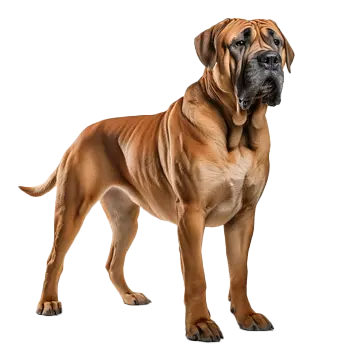

Argentinian Mastiff

Dogo Argentino
Gallery coming soon

Furry Critter Network Etsy Shop

Quick Facts

🐕 Breed Group
Working
📏 Size Category
Large
📏 Height
24-27 inches
⚖️ Weight
80-100 pounds
⏱️ Life Expectancy
9-15 years
🧥 Coat Type
Short, smooth, single coat
🎨 Coat Colors
Pure white (small dark patch on head permitted)
😀 Temperament
Loyal, protective, courageous, affectionate
🏃 Exercise Needs
High - 1-2 hours daily
🎓 Training Difficulty
Moderate to high - needs experienced handler
👶 Good with Children
Good with proper socialization and supervision
🐾 Good with Other Pets
Can be aggressive with other dogs without proper socialization

Other Names & Breed Recognition

The Argentinian Mastiff is officially registered as the Dogo Argentino with major kennel organizations worldwide, though various alternate names reflect the breed's Argentine heritage and mastiff characteristics. The name "Dogo Argentino" combines the Spanish word "dogo" meaning mastiff-type dog with "Argentino" identifying the breed's country of origin, creating a designation that honors both the breed's development location and its powerful, mastiff-like build.

In Argentina and throughout South America, the breed is universally known as the Dogo Argentino, a name that carries pride in the breed's Argentine development and recognition of Dr. Antonio Nores Martínez's achievement in creating this unique hunting dog. Argentine breed enthusiasts maintain strong connections to the original purpose and characteristics established by Dr. Martínez, viewing the breed as a symbol of Argentine ingenuity and sporting heritage.

English-speaking countries often use "Argentinian Mastiff" as a descriptive alternate name that helps people unfamiliar with Spanish terminology understand the breed's characteristics and origin. This translation makes the breed more accessible to English speakers while maintaining reference to both the geographic origin and the mastiff-type build. Some breed enthusiasts prefer this English translation for practical communication purposes, particularly when discussing the breed with people unfamiliar with Spanish dog terminology.

The term "Argentine Dogo" appears occasionally, particularly in European countries, representing a direct translation that maintains the Spanish "Dogo" while using the English adjective form "Argentine." This hybrid naming convention appears in some breed literature and registration documents, though it remains less common than either the full Spanish "Dogo Argentino" or the English "Argentinian Mastiff."

Historically, during the breed's development in the 1920s and 1930s, Dr. Martínez and early breeders sometimes referred to these dogs as "Cordoba Fighting Dogs" in reference to their foundation stock from the Perro de Pelea Cordobés, a now-extinct fighting breed. This designation emphasized the early dogs' courage and tenacity, though it fell out of favor as Dr. Martínez worked to develop the breed beyond its fighting heritage toward big game hunting and companionship capabilities.

Some hunting communities in Argentina and neighboring countries use descriptive names like "Argentine Hunting Dog" or "White Hunting Dog" that emphasize the breed's primary purpose rather than its mastiff classification. These functional names reflect the breed's continued use in wild boar and puma hunting throughout South America, where working ability remains paramount to many breeders and owners.

International kennel organizations recognize the breed under standardized names to ensure consistent identification. The Fédération Cynologique Internationale (FCI), which sets standards for most countries outside the United States and United Kingdom, officially designates the breed as "Dogo Argentino." The American Kennel Club granted full recognition in 2020 under the same name, placing the breed in the Working Group alongside other powerful working breeds.

The breed's color-based description "Argentine White Dog" appears occasionally in historical literature and some international breed references, highlighting the breed standard's requirement for pure white coloring. This distinctive white coat, selected by Dr. Martínez to make the dogs visible during hunting and to reduce target confusion, became such a defining characteristic that some descriptive names specifically reference it.

Regional variations in pronunciation and spelling occur across Spanish-speaking countries, with some areas preferring "Dogo Argentino" while others say "Dogo Argentina," though the former represents the official designation. These minor variations reflect normal linguistic differences across the Spanish-speaking world but don't indicate different breed types or varieties.

Contrary to some misconceptions, the Argentinian Mastiff should not be confused with the Argentine Mastiff, which some people mistakenly use to refer to entirely different breeds. The Dogo Argentino stands as a distinct breed with specific characteristics, development history, and purpose separate from European mastiff breeds despite sharing some physical similarities and the mastiff-type classification that led to the Argentinian Mastiff alternate name.

Argentinian Mastiff Organizations & Standards

The Argentinian Mastiff gained official recognition from major kennel organizations relatively recently compared to many established breeds, reflecting both the breed's 20th-century development and initial regional concentration in Argentina. International recognition efforts accelerated in the late 20th century as breeders worked to establish consistent type and demonstrate the breed's value beyond its South American homeland, ultimately achieving recognition from all major kennel clubs.

The Fédération Cynologique Internationale (FCI) provided the first major international recognition in 1973, accepting the Dogo Argentino into Group 2 (Pinscher and Schnauzer - Molossoid breeds - Swiss Mountain and Cattle Dogs), Section 2.1 (Molossoid breeds, Mastiff type). This recognition established international breed standards based on Dr. Antonio Nores Martínez's original vision, specifying characteristics including the required pure white coloration, athletic build, and balanced temperament combining hunting ability with family companionship.

The FCI standard emphasizes the breed's development for big game hunting in Argentina's challenging terrain, requiring dogs capable of tracking, finding, and holding dangerous prey including wild boar and puma. The standard specifies a powerful yet agile dog standing 24-27 inches at the shoulder, with males typically larger and more substantial than females. Weight should be proportionate to height, generally ranging from 80-100 pounds, creating an athletic rather than massive appearance.

United Kennel Club recognition came in 1996, placing the Argentinian Mastiff in the Guardian Dog Group where it remains today. The UKC standard closely aligns with FCI requirements while adding specific clarifications for American breeders and judges. UKC documentation emphasizes that despite the breed's fighting dog heritage through the Perro de Pelea Cordobés, modern Argentinian Mastiffs should display stable temperament with family-oriented behavior balanced against natural protective instincts.

The American Kennel Club granted the Dogo Argentino full recognition in January 2020 after years in the Foundation Stock Service program that began in 1996. This recognition placed the breed in the Working Group alongside other large, powerful working breeds. The AKC standard requires that dogs display courage and willingness to protect territory while remaining friendly with family, creating balanced individuals suitable for both working and companion roles.

AKC breed standards specifically address temperament requirements, noting that Argentinian Mastiffs should be cheerful, friendly, and demonstrative with family members while remaining naturally cautious with strangers. The standard explicitly states that aggressive behavior toward humans is a serious fault, though natural wariness should not be confused with aggression. This distinction recognizes the breed's protective heritage while emphasizing the importance of stable, predictable temperament.

The Kennel Club in the United Kingdom does not currently recognize the Dogo Argentino due to the breed's inclusion on the Dangerous Dogs Act list since 1991. This legislation prohibits ownership of Dogo Argentinos in the UK regardless of individual temperament, making official kennel club recognition impossible. The legislation reflects concerns about fighting dog heritage rather than objective assessment of modern breed characteristics and proper breeding practices.

The Canadian Kennel Club recognizes the Dogo Argentino in the Working Group with standards aligned to FCI and AKC requirements. Canadian breed clubs work to promote responsible breeding and ownership while educating the public about the breed's true nature as a family-oriented hunting and guardian dog rather than a dangerous fighting breed.

All recognized kennel organizations maintain similar physical standards requiring pure white coloration with only a small dark patch permitted on the head. This distinctive appearance reflects Dr. Martínez's intentional selection for visibility during hunting and ease of identification in the field. The short, smooth coat should lie close to the body, creating a sleek appearance that emphasizes the breed's powerful musculature.

Breed organizations worldwide emphasize the importance of health testing including hearing evaluations, as deafness occurs in some white-coated breeds. Responsible breeders conduct Brainstem Auditory Evoked Response (BAER) testing to ensure breeding dogs have normal hearing, working to reduce deafness incidence in the breed population.

International breed clubs and organizations work to preserve the Argentinian Mastiff's original characteristics as established by Dr. Martínez while adapting the breed to modern companion roles. These organizations sponsor events including conformation shows, working trials, and weight pull competitions that allow dogs to demonstrate both physical correctness and working ability, ensuring the breed remains true to its heritage as a versatile, capable working dog.

Kennel Club Recognition

  • American Kennel Club (AKC): Recognized in Working Group since 2020
  • United Kennel Club (UKC): Recognized in Guardian Dog Group since 1996
  • Canadian Kennel Club (CKC): Recognized in Working Group
  • Fédération Cynologique Internationale (FCI): Recognized in Group 2, Section 2.1 - Molossoid breeds, Mastiff type, since 1973
  • The Kennel Club (UK): Not recognized - breed banned under Dangerous Dogs Act 1991

Argentinian Mastiff Physical Description

The Argentinian Mastiff presents an impressive, athletic appearance that reflects its development for hunting dangerous game in challenging Argentine terrain. This large, powerful dog displays balanced proportions combining strength with agility, creating a physique capable of sustained running, sudden bursts of speed, and the physical power needed to hold large prey. Males typically stand 24-27 inches at the shoulder and weigh 80-100 pounds, while females measure slightly smaller, maintaining the same balanced, athletic build.

The head is large and powerful without appearing disproportionate to body size, displaying the massive skull and strong jaw structure characteristic of mastiff-type breeds. The skull is convex in profile with a pronounced median furrow, creating distinct head planes that contribute to the breed's impressive appearance. The stop is defined but not abrupt, transitioning smoothly from skull to muzzle. The muzzle itself is strong and slightly concave in profile, with a slight upturn that prevents the nose from touching prey during the hold.

Jaws are extremely powerful with complete dentition forming a scissors bite, essential for the breed's hunting function. The wide, strong underjaw provides gripping power, while the broad muzzle accommodates large teeth and powerful chewing muscles. Lips fit tightly against the jaw without excessive flews or pendulous skin, creating a clean profile and minimizing vulnerability during hunting encounters with dangerous game.

The nose is black with large, open nostrils providing excellent scenting ability essential for tracking and locating game. Pigmentation should be solid and complete, with the black nose contrasting dramatically against the pure white face. Eye rims, lips, and visible skin should also display black pigmentation, creating the distinctive facial markings that enhance the breed's striking appearance.

Eyes are dark brown or hazel, set wide apart and protected by heavily pigmented eye rims that reduce glare in bright hunting conditions. The almond shape and medium size create an alert, intelligent expression combining wariness and intensity. The eyes should never be light colored, as pale eyes detract from the desired expression and may indicate insufficient pigmentation.

Ears are set high on the skull, traditionally cropped to triangular shape standing erect, or left natural in a semi-drop position. Natural ears hang close to the cheeks, covering the ear opening while creating a softer appearance than cropped ears. In countries where ear cropping is prohibited, natural ears are standard and do not affect show potential. The ears are thick and covered with short hair, slightly shorter than body coat.

The neck is thick and muscular with slightly arched topline, creating powerful appearance while allowing the head mobility necessary for hunting work. Moderate skin at the throat allows flexibility without creating excessive dewlap, maintaining the clean lines characteristic of athletic working dogs. The neck transitions smoothly into well-laid shoulders, creating fluid lines from head to body.

The body displays balanced proportions with length from point of shoulder to point of buttock equaling or slightly exceeding height at the withers, creating a rectangular profile. The topline remains level with slight rise over the loin, demonstrating the strong back and muscular loin necessary for powerful movement. The chest is deep and broad with well-sprung ribs providing ample heart and lung capacity for sustained exertion.

The forequarters show strong bone and well-developed muscle, with straight, parallel legs when viewed from front. Shoulders are well laid back, allowing free movement and good reach. Pasterns show slight spring providing shock absorption during running, while feet are compact with well-arched toes and thick pads designed for rough terrain.

Hindquarters are extremely powerful with broad, muscular thighs and well-bent stifles allowing explosive acceleration and jumping ability. The rear legs show parallel placement when viewed from behind, with well-let-down hocks providing leverage for powerful drive. Angulation balances with forequarter angulation, creating efficient, ground-covering movement.

The tail is thick at the base, tapering to a point, and hangs naturally to the hocks when relaxed. During movement or excitement, the tail lifts to horizontal or slightly above, creating a saber-like curve without curling over the back. The tail should never be docked, as natural tail carriage and movement contribute to the breed's balanced appearance and serve as communication tool.

The coat is uniformly short, smooth, and glossy, lying close to the body to create a sleek appearance emphasizing muscular development. The texture is somewhat harsh to the touch, providing protection from brush and thorns during hunting. Coat length averages less than one inch, creating minimal grooming requirements while allowing the dog to remain comfortable in Argentina's moderate climate.

Color is pure white, a defining characteristic that Dr. Martínez specifically selected to make dogs visible during hunting and distinguish them from prey animals. A single small dark patch is permitted on the head, covering not more than 10% of head area, though completely white heads are preferred. Any other dark markings or patches constitute serious faults, as uniform white coloration is fundamental to breed identity and original function.

Affectionate with Family
Argentinian Mastiffs form intensely loyal bonds with their families, displaying devotion and affection that contrasts with their powerful working heritage. These dogs seek physical closeness with their people, often leaning against family members or following them throughout the home, demonstrating their desire for connection and companionship.
Good with Young Children
With proper socialization and supervision, Argentinian Mastiffs can be excellent with children in their own family, displaying patience and gentleness despite their size and strength. Their protective instincts extend to family children, though their power requires supervision during play to prevent accidental knocking down of small children.
Good with Other Dogs
Argentinian Mastiffs often display dog-aggressive tendencies, particularly with same-sex dogs, stemming from their hunting heritage and dominant temperament. Early and ongoing socialization can improve dog-to-dog interactions, but many individuals remain selective about canine companions and require careful management around unfamiliar dogs.
Shedding Level
The Argentinian Mastiff's short, single coat produces minimal shedding compared to double-coated breeds. While these dogs do shed year-round, the amount remains manageable with regular brushing, and their white coat makes shed hair more visible on dark surfaces though less noticeable on light-colored furniture.
Coat Grooming Frequency
Grooming requirements are minimal for Argentinian Mastiffs, with weekly brushing typically sufficient to remove dead hair and maintain coat health. Their short coat doesn't mat or tangle, making grooming sessions quick and straightforward while still providing bonding opportunities and allowing skin inspection for any health concerns.
Drooling Level
Argentinian Mastiffs produce moderate drooling, particularly after drinking water, during hot weather, or when anticipating food. While not as prolific as some mastiff breeds, these dogs do drool enough that owners should keep towels handy and be prepared for occasional slobber during everyday activities.
Coat Type
The Argentinian Mastiff possesses a short, smooth single coat that lies close to the body without undercoat. This practical coat requires minimal maintenance while providing adequate protection in moderate climates, though the breed may need protection in extremely cold weather due to lack of insulating undercoat.
Openness to Strangers
Argentinian Mastiffs typically display reserved, watchful behavior toward strangers, assessing new people carefully before accepting them. This natural wariness, combined with protective instincts, makes early socialization critical for developing dogs that can distinguish between genuine threats and normal social interactions without inappropriate aggression.
Playfulness Level
These dogs maintain enthusiasm for play throughout their lives, particularly enjoying games that engage their strength and hunting instincts. Tug-of-war, fetch with sturdy toys, and interactive play sessions with their owners provide both physical exercise and mental stimulation while strengthening the bond between dog and family.
Watchdog/Protective Nature
The Argentinian Mastiff excels as a watchdog and protector, displaying natural territorial instincts and strong protective drives toward family and property. These dogs remain alert to their environment, responding quickly to perceived threats while requiring training to ensure protective behavior remains appropriate and controlled rather than reactive or excessive.
Adaptability Level
Argentinian Mastiffs show moderate adaptability to new situations and environments when changes are introduced gradually with positive reinforcement. While capable of adjusting to different living situations, these dogs thrive best with consistency and clear expectations, preferring established routines and familiar surroundings to constant change.
Trainability Level
These intelligent, strong-willed dogs respond well to confident, consistent training from experienced handlers who understand working breed mentality. Their desire to please family combined with problem-solving abilities makes them capable learners, though their independence and strength require firm but fair leadership throughout their lives.

Argentinian Mastiff History & Development

The Argentinian Mastiff's history begins in 1920s Argentina with Dr. Antonio Nores Martínez, a young surgeon from Córdoba who envisioned creating the ideal big game hunting dog. Dr. Martínez grew up surrounded by hunting dogs and developed clear ideas about the characteristics needed for hunting Argentina's dangerous game, including wild boar and mountain lions that inhabited the country's diverse terrain. He recognized that existing breeds either lacked the courage and power needed to confront large predators or possessed aggressive temperaments unsuitable for pack hunting and family companionship.

Dr. Martínez began his breeding program using the Perro de Pelea Cordobés (Cordoba Fighting Dog) as foundation stock, a now-extinct breed known for tremendous courage, pain tolerance, and tenacity. These white fighting dogs possessed the fearlessness needed for confronting dangerous prey but exhibited dog-aggressive temperaments that made pack work impossible and family life impractical. Dr. Martínez recognized the Fighting Dog's potential as a foundation but understood that extensive crossbreeding would be necessary to modify temperament while maintaining courage.

The systematic breeding program incorporated at least nine different breeds, each contributing specific characteristics to create the balanced hunting dog Dr. Martínez envisioned. The Great Dane added size, strength, and athleticism while improving temperament toward other dogs. The Pointer contributed keen scenting ability, stamina, and hunting drive essential for locating and pursuing game across vast distances. The Bull Terrier reinforced courage and bite strength, important qualities for holding powerful prey.

Boxers in the breeding program improved agility, energy, and temperament, creating dogs with both power and athleticism. The Bulldog strengthened head and jaw structure while reinforcing tenacity and grip strength. Great Pyrenees contributed white coloration that became the breed's defining characteristic while adding size and a calmer temperament. The Irish Wolfhound influenced speed and coursing ability, enabling dogs to run down fleeing game.

Spanish Mastiffs contributed protective instincts and guardian abilities, while Bordeaux Dogues added power and substance. This complex combination of breeds, carefully managed over multiple generations, gradually produced dogs displaying the desired characteristics: pure white coloration, powerful build, hunting ability, pack cooperation, family-oriented temperament, and sufficient courage to confront dangerous prey.

Dr. Martínez established rigorous selection criteria for his breeding program, culling any dogs displaying excessive aggression toward humans or other dogs. He specifically sought animals that could hunt cooperatively in packs, living and working together without constant conflict. This selection for pack compatibility created dogs that could hunt together, share sleeping spaces, and interact peacefully between hunting expeditions, a revolutionary concept for breeds derived from fighting stock.

The breed standard was written in 1928, establishing guidelines for physical characteristics, temperament, and working ability that remain largely unchanged today. Dr. Martínez documented his breeding program meticulously, creating records that preserved the development process and established clear standards for future breeders. His brother Agustín assisted with the project, helping manage the growing kennel and promoting the breed among Argentine hunters and sportsmen.

During the 1930s and 1940s, the Dogo Argentino gradually gained recognition among Argentine hunters who appreciated the breed's unique combination of tracking ability, courage, and pack compatibility. These early dogs proved themselves hunting wild boar in the pampas and pumas in the mountainous regions, demonstrating the versatility Dr. Martínez had worked to develop. Success in the hunting field increased demand for puppies, spreading the breed beyond Córdoba to other Argentine provinces.

Dr. Martínez continued refining the breed until his death in 1956 during a hunting accident, ironically killed by one of the wild boars his dogs were bred to hunt. His brother Agustín assumed leadership of the breeding program, working to preserve Antonio's vision while promoting international recognition. Agustín traveled extensively, introducing the Dogo Argentino to breeders and hunters in other countries, demonstrating the breed's abilities and advocating for official recognition.

International expansion began in the 1960s and accelerated during the 1970s as European and North American breeders discovered the Argentinian Mastiff. The breed's striking appearance, hunting ability, and family-oriented temperament appealed to sportsmen seeking capable hunting companions and to families wanting protective yet affectionate guardians. Fédération Cynologique Internationale recognition in 1973 provided international legitimacy, establishing breed standards and enabling participation in FCI dog shows.

North American interest grew during the 1980s and 1990s as immigrants from Argentina and other South American countries brought their dogs to the United States and Canada. These early imports established foundation lines for North American breeding programs, though inconsistent quality and temperament created initial challenges. Responsible breeders worked to import quality dogs from proven Argentine lines, gradually improving breed type and temperament in North American populations.

The breed faced significant setbacks in some countries due to legislation targeting "dangerous dogs." The United Kingdom banned Dogo Argentino ownership in 1991 under the Dangerous Dogs Act, legislation based on the breed's fighting dog heritage rather than objective assessment of properly bred modern dogs. Similar restrictions appeared in other countries, creating ongoing challenges for breed advocates working to educate legislators and the public about responsible breeding and ownership.

United Kennel Club recognition in 1996 provided official status in the United States, though American Kennel Club recognition took longer to achieve. The breed entered the AKC Foundation Stock Service in 1996, beginning the long process toward full recognition. Breeders worked to increase population numbers, improve consistency, and demonstrate the breed's value as both working dog and family companion. Full AKC recognition finally came in January 2020, placing the Dogo Argentino in the Working Group.

Contemporary Argentinian Mastiffs maintain the characteristics Dr. Martínez worked to develop while adapting to roles beyond hunting. Many dogs still hunt wild boar and other game in Argentina and other countries where big game hunting remains popular. Others serve as protection dogs, livestock guardians, or simply family companions. Breed enthusiasts work to preserve working ability alongside family temperament, ensuring modern dogs remain true to the founder's original vision.

The breed's future depends on responsible breeding programs that maintain genetic health, stable temperament, and working ability while combating negative stereotypes stemming from fighting dog heritage and dangerous dog legislation. Educational efforts help the public understand that properly bred, socialized, and trained Argentinian Mastiffs make excellent family companions despite their power and protective instincts. Dedicated breeders continue Dr. Antonio Nores Martínez's legacy, producing dogs that honor his vision of the perfect hunting companion with the courage to face dangerous prey and the temperament to sleep peacefully beside children.

Argentinian Mastiff Temperament & Personality

The Argentinian Mastiff's temperament reflects Dr. Antonio Nores Martínez's specific selection for dogs capable of both dangerous game hunting and family companionship. This unique combination creates a breed displaying fierce courage when confronting threats while maintaining gentle, affectionate behavior with family members. Understanding this duality is essential for anyone considering the breed, as Argentinian Mastiffs require owners capable of managing both their protective instincts and their social needs.

Loyalty defines the Argentinian Mastiff's relationship with family, creating bonds of remarkable intensity and devotion. These dogs form deep attachments to their people, often following family members from room to room and seeking physical contact through leaning, sitting on feet, or resting against their person. This loyalty translates into protective behavior, with Argentinian Mastiffs naturally monitoring their environment for potential threats to family safety. Proper socialization and training channels this protectiveness into appropriate behavior rather than reactive aggression.

Affection within the family comes naturally to well-bred Argentinian Mastiffs despite their imposing appearance and hunting heritage. These dogs enjoy physical contact, playtime, and quiet companionship with their people. Many individuals display surprisingly gentle behavior with family children, adjusting their play style to accommodate smaller, more fragile family members. The breed's affectionate nature requires close family integration rather than isolated yard living, as these dogs suffer emotionally when separated from their people.

Courage represents a defining breed characteristic, deliberately developed through Dr. Martínez's breeding program for confronting dangerous game. Argentinian Mastiffs display remarkable bravery when protecting family or territory, facing threats without hesitation or backing down. This courage makes them excellent guardians but requires responsible ownership to prevent inappropriate protective responses. The breed's fearlessness extends to new situations and environments, creating confident dogs that adapt readily to change when properly socialized.

Intelligence manifests in problem-solving ability and quick learning when properly motivated. Argentinian Mastiffs understand cause and effect relationships, learning both desired behaviors and unwanted ones with equal facility. This intelligence creates dogs that benefit from mental challenges including training sessions, puzzle toys, and learning new skills. However, their intelligence also means they quickly learn to manipulate inconsistent owners or exploit household rules that aren't consistently enforced.

Independence balances the breed's loyalty and affection, reflecting heritage as a hunting dog capable of making decisions while pursuing game. Argentinian Mastiffs think for themselves and don't display the eager-to-please obedience of retriever breeds. Training these dogs requires respect for their independent thinking combined with firm, consistent leadership that establishes clear expectations. Owners must earn respect through fair treatment and competent handling rather than expecting automatic compliance.

The prey drive varies among individuals but typically runs strong due to hunting heritage. Many Argentinian Mastiffs display intense interest in chasing small animals, a characteristic that creates management challenges in homes with cats or small pets. Early socialization with small animals can help, but the prey drive never disappears completely. Secure fencing and leash management prevent these dogs from pursuing wildlife, neighborhood cats, or other small animals.

Sociability with strangers ranges from reserved watchfulness to overt suspicion depending on individual temperament and socialization. Well-socialized Argentinian Mastiffs accept strangers when properly introduced by family members but rarely display the indiscriminate friendliness of some breeds. This natural wariness serves the breed's guardian function but requires early, extensive socialization to develop dogs that can distinguish genuine threats from normal social interactions.

Dog-to-dog relationships present challenges for many Argentinian Mastiffs, particularly with same-sex dogs. The breed's fighting dog heritage created predisposition toward dog aggression that persists despite generations of selection against it. Early socialization improves dog-to-dog interactions, and many individuals live peacefully with other household dogs, but careful management and supervision remain necessary. Dog parks and off-leash play with unfamiliar dogs pose risks that responsible owners avoid.

Playfulness emerges in appropriate contexts, particularly during interactive games with family members. Argentinian Mastiffs enjoy tug-of-war, fetch with sturdy toys, and other activities that engage their strength and hunting instincts. Play provides both physical exercise and bonding opportunities, strengthening the relationship between dog and owner while burning energy that might otherwise manifest in destructive behavior. These dogs appreciate having a job or activity, thriving when given purpose beyond simply existing.

The protective instinct requires careful management through socialization and training to develop appropriate responses rather than reactive behavior. Argentinian Mastiffs naturally monitor their environment and respond to perceived threats, characteristics that make them excellent property guardians. However, this protectiveness must be channeled appropriately to prevent excessive territorial behavior or inappropriate aggression toward visitors, delivery people, or passersby. Training helps these intelligent dogs understand when protective responses are appropriate and when they should remain calm.

Argentinian Mastiff Family Life & Living Requirements

Argentinian Mastiffs adapt well to family life when placed with experienced owners capable of providing proper training, socialization, exercise, and leadership. These powerful dogs require more than casual pet ownership, thriving in households that understand working breed needs and can accommodate both the breed's protective instincts and social requirements. Families committed to appropriate management and training find Argentinian Mastiffs to be loyal, affectionate companions combining guardian capabilities with gentle family interaction.

Housing for Argentinian Mastiffs should include secure fencing and adequate space for exercise and mental stimulation. While these dogs can adapt to various living situations including suburban homes with yards or rural properties, their size and energy level make apartments challenging. Fencing must be at least six feet tall and maintained in excellent condition, as these athletic dogs can jump, climb, or dig under inadequate barriers. The fence should be checked regularly for weak points that clever dogs might exploit.

Indoor living arrangements should accommodate a large dog that wants to be near family. Argentinian Mastiffs do best when allowed inside the home rather than relegated to outdoor kennels or yards. These social dogs suffer emotionally when isolated from their people, potentially developing behavioral problems including excessive barking, destructive behavior, or increased aggression. A dog bed in the main family room allows the dog to rest near family activities while maintaining its own space.

Family integration requires including the Argentinian Mastiff in daily activities while teaching children appropriate interaction. These dogs typically bond strongly with all family members including children when raised together from puppyhood. Supervision during interaction between dogs and young children prevents accidental injury from the dog's size and strength, as even playful behavior can knock down small children. Teaching children to respect the dog's space and avoid disturbing it during meals or rest prevents conflicts.

Childhood supervision becomes particularly important during adolescence when young dogs test boundaries and may display pushiness or rowdy behavior. Argentinian Mastiffs go through an extended adolescent period during which they require consistent training and management to develop into well-behaved adults. Families with very young children might consider waiting until children are older before adding an Argentinian Mastiff puppy, or alternatively acquiring an adult dog with demonstrated child-friendly temperament.

Multiple dog households can work successfully when dogs are carefully matched by sex and temperament. Many experienced owners keep one Argentinian Mastiff with dogs of other breeds, selecting opposite-sex pairings to minimize conflict. Introducing a puppy to an established adult dog generally succeeds better than adding an adult to a household with resident dogs. Same-sex pairings, particularly two males, create higher conflict potential and require experienced management.

Visitor management requires training the Argentinian Mastiff to accept guests without excessive suspicion or protective behavior. Early socialization that includes positive experiences with visitors helps develop dogs that remain calm when people come to the home. Many owners establish protocols for greeting visitors that include controlled introductions, teaching the dog to go to a designated spot while the door is answered, or crating the dog until guests are settled and ready for proper introduction.

Exercise provision must include daily opportunities for vigorous physical activity and mental stimulation. Argentinian Mastiffs need 60-90 minutes of exercise daily through activities like long walks, jogging, hiking, or play sessions. These athletic dogs appreciate having jobs or activities that engage their working heritage, including obedience training, weight pulling, or nose work. Exercise requirements remain high throughout adulthood, decreasing only in senior years.

Routine establishment helps Argentinian Mastiffs understand expectations and reduces anxiety. Regular feeding times, exercise schedules, training sessions, and rest periods create structure that these intelligent dogs appreciate. Consistency across all family members prevents the dog from learning different rules apply with different people, as Argentinian Mastiffs quickly identify and exploit inconsistencies.

Socialization must begin during puppyhood and continue throughout the dog's life. Exposure to various people, places, sounds, and experiences during the critical socialization period creates confident, well-adjusted adults. Ongoing socialization through training classes, controlled outings, and positive experiences with strangers maintains social skills and prevents fear or aggression toward novel stimuli. Puppy classes provide essential early socialization alongside basic training.

Boundary setting requires confident, consistent leadership from all family members. Argentinian Mastiffs need clear rules about acceptable behavior including where they can go in the home, whether they're allowed on furniture, and how they should behave around food. These strong-willed dogs test boundaries periodically throughout their lives, requiring owners to maintain consistent expectations rather than allowing gradual erosion of rules.

Financial considerations for Argentinian Mastiff ownership include quality food appropriate for large, active dogs, routine veterinary care, and potential costs for training classes or professional behavior consultation. These dogs eat substantially more than small breeds, creating ongoing food expenses. Health care costs can be significant given the breed's size and potential health issues. Prospective owners should budget for both routine expenses and emergency veterinary care that may arise during the dog's lifetime.

Argentinian Mastiff Training & Exercise Needs

Training Argentinian Mastiffs requires experience, confidence, and understanding of working breed mentality. These intelligent, strong-willed dogs respond best to handlers who establish clear leadership through fair, consistent training rather than harsh corrections or permissive approaches that fail to set boundaries. The breed's combination of intelligence, independence, and power creates both opportunities and challenges, rewarding dedicated owners with loyal, well-behaved companions while punishing inconsistent training with dogs that become difficult to manage.

Early training must begin immediately upon bringing home a puppy or adult dog, establishing household rules and basic obedience before unwanted behaviors become established. Puppy kindergarten classes provide essential socialization alongside basic command training, helping young dogs learn to focus in distracting environments while building positive associations with training. Commands including sit, down, stay, come, and leave it form the foundation for more advanced training and household management.

Positive reinforcement training methods work effectively with Argentinian Mastiffs when properly implemented. These dogs respond well to praise, play, and food rewards when motivated to work, though their independent nature means they don't offer the automatic compliance of more biddable breeds. Training sessions should be short, engaging, and varied to maintain the dog's interest, ending on positive notes that encourage future participation.

Consistency across all family members and situations proves absolutely essential. Argentinian Mastiffs quickly learn which people enforce rules and which ones don't, which situations require obedience and which allow freedom. If sit is required before meals but optional at other times, these intelligent dogs comply only when it benefits them. Every family member must enforce the same expectations consistently to prevent the dog from learning to manipulate different people differently.

Socialization forms the cornerstone of raising a well-adjusted Argentinian Mastiff, preventing fear-based aggression and helping dogs distinguish normal social interactions from genuine threats. Puppies should experience various people including men, women, children, and individuals of different ethnicities, ages, and appearances. Exposure to different environments, sounds, surfaces, and experiences during the critical socialization period creates confident adults capable of handling novel situations calmly.

Leash training requires patience and consistency, as these powerful dogs can pull strongly when they want to investigate something. Teaching loose-leash walking prevents the dog from dragging owners down the street while creating more pleasant walking experiences. Many trainers recommend front-clip harnesses or head halters for large, strong dogs during training, providing mechanical advantage while teaching appropriate leash behavior.

Recall training faces challenges with Argentinian Mastiffs due to their independence and prey drive. While these dogs can learn to come when called in controlled environments, their tendency to chase prey or investigate interesting scents makes off-leash reliability difficult to achieve. Responsible owners accept that Argentinian Mastiffs should remain on leash in unfenced areas regardless of training level, as even perfectly trained dogs may ignore recall commands when pursuing interesting quarry.

Protection training requires careful consideration and should only be attempted by experienced professionals working with stable, well-socialized adult dogs. Argentinian Mastiffs possess natural protective instincts that don't require enhancement through formal protection training. In fact, protection training can create liability issues and increase aggression problems in dogs with unstable temperaments. Most family companions need household obedience training rather than formal protection work.

Exercise requirements remain high throughout the Argentinian Mastiff's adult years, requiring dedicated daily commitment from owners. These athletic dogs need 60-90 minutes of vigorous exercise daily through activities including long walks, jogging, hiking, swimming, or structured play. Exercise burns physical energy while providing mental stimulation, preventing boredom-related destructive behavior and excessive energy that manifests in rowdiness or hyperactivity.

Structured activities channel the Argentinian Mastiff's working heritage into appropriate outlets. Weight pulling competitions allow these powerful dogs to demonstrate strength while working cooperatively with handlers. Nose work and scent detection games engage natural hunting instincts in acceptable ways. Obedience competitions showcase training achievements while providing goals that motivate continued training. These activities strengthen the dog-owner bond while meeting the breed's need for purpose and challenge.

Mental stimulation complements physical exercise, preventing boredom in these intelligent dogs. Puzzle toys, training sessions teaching new skills, and problem-solving games provide cognitive challenges that tire dogs mentally. Rotating toys maintains interest, as Argentinian Mastiffs quickly become bored with the same items. Hide-and-seek games, treasure hunts with treats hidden around the yard, and interactive play sessions all provide mental exercise alongside physical activity.

Adolescent management proves challenging as young Argentinian Mastiffs test boundaries and may display pushiness or defiant behavior. The period between six months and two years requires consistent training and firm but fair leadership to guide dogs through this difficult developmental stage. Maintaining training routines, enforcing household rules, and providing adequate exercise and mental stimulation help adolescent dogs mature into well-behaved adults.

Argentinian Mastiff Health Concerns

Argentinian Mastiffs generally enjoy good health with proper care, typically living 9-15 years depending on genetics, lifestyle, and healthcare quality. The breed benefits from Dr. Antonio Nores Martínez's selection for working ability and soundness rather than extreme physical features, creating generally robust dogs when bred responsibly. However, like all breeds, Argentinian Mastiffs have predispositions to certain health conditions that owners and breeders should understand and monitor throughout the dog's life.

Common Health Issues

  • Hip dysplasia occurs in Argentinian Mastiffs with moderate frequency, as in many large breed dogs.
  • Deafness represents a significant concern in white-coated breeds including the Argentinian Mastiff, occurring in puppies born without hearing in one or both ears.
  • Congenital deafness results from genetic factors associated with white coloration and pigmentation.
  • Hypothyroidism can develop in Argentinian Mastiffs, causing decreased thyroid hormone production that results in weight gain, lethargy, coat quality deterioration, and skin problems.
  • Regular blood testing monitors thyroid function, allowing early detection and treatment with daily medication that replaces missing hormones.
  • Glaucoma occurs in some Argentinian Mastiff lines, causing increased intraocular pressure that damages the optic nerve and can lead to blindness if untreated.

Preventive Care & Health Monitoring

  • Annual eye examinations by veterinary ophthalmologists help detect early glaucoma development before vision loss occurs.
  • This progressive condition may require surgical intervention in severe cases, though some dogs manage well with conservative treatment including weight management and avoiding heat stress that exacerbates breathing problems.
  • Regular veterinary examinations at least annually allow early detection of developing health issues before they become serious problems.
  • Senior dogs benefit from twice-yearly examinations with blood work monitoring organ function.

With proper preventive care, genetic health screening of breeding stock, and attention to breed-specific health considerations, Argentinian Mastiffs can live long, healthy lives as valued family members. Selecting puppies from health-tested parents, providing appropriate healthcare, maintaining healthy weight, and monitoring for breed-specific conditions all contribute to maximizing both lifespan and quality of life for these impressive working dogs.

Argentinian Mastiff Grooming & Maintenance

Argentinian Mastiffs require minimal grooming compared to long-coated or double-coated breeds, making them relatively low-maintenance in terms of coat care. The short, smooth coat lies close to the body and doesn't mat, tangle, or require professional grooming under normal circumstances. However, regular grooming sessions provide opportunities for bonding, health monitoring, and maintaining the dog's overall appearance and hygiene.

Weekly brushing using a rubber curry brush or grooming glove removes dead hair and distributes natural skin oils throughout the coat. Brushing stimulates blood flow to the skin while creating bonding time between dog and owner. During the session, running hands over the dog's body allows detection of any lumps, cuts, or abnormalities that might require veterinary attention. The white coat makes skin conditions and external parasites more visible than on dark-coated breeds.

Shedding occurs year-round at moderate levels, with white hair potentially showing more noticeably on dark furniture and clothing. Regular brushing reduces the amount of loose hair shed around the house, though Argentinian Mastiff owners should accept that some shedding is inevitable. The single coat without undercoat produces less overall shedding than double-coated breeds, making management relatively straightforward.

Bathing requirements depend on the dog's activities and living conditions, with most Argentinian Mastiffs needing baths every 6-8 weeks or when they become dirty or smelly. Over-bathing strips natural oils from the skin and can cause dryness or irritation. Using a high-quality dog shampoo designed for white coats helps maintain the coat's brilliant appearance while cleaning effectively. Thorough rinsing removes all shampoo residue that could irritate skin if left behind.

White coat maintenance presents unique challenges as dirt, stains, and discoloration show prominently. The coat around the eyes may develop tear staining requiring regular cleaning with appropriate eye wipes or solutions. Feet and legs may accumulate dirt from outdoor activities, benefiting from spot cleaning between full baths. Some owners use whitening shampoos for show dogs, though these aren't necessary for pet companions.

Nail trimming should occur every 2-4 weeks depending on the dog's activity level and natural wear. Active dogs exercised on concrete or pavement may naturally wear nails to appropriate lengths, while less active dogs or those exercised primarily on soft surfaces require more frequent trimming. Overgrown nails can cause discomfort, affect gait, and potentially lead to injury. Many dogs tolerate nail grinding better than clipping, making rotary nail grinders popular alternatives to traditional clippers.

Dental care requires regular attention throughout the dog's life. Daily tooth brushing using dog-specific toothpaste prevents tartar buildup, gingivitis, and periodontal disease that can affect overall health beyond oral hygiene. Starting dental care during puppyhood helps dogs accept the routine, making lifetime maintenance easier. Dental chews and appropriate chew toys supplement brushing but cannot replace it completely.

Ear cleaning should be performed weekly or as needed, checking for dirt, wax buildup, redness, or odor that might indicate infection. The Argentinian Mastiff's semi-drop or cropped ears allow reasonable air circulation, reducing infection risk compared to fully drop-eared breeds. Gentle cleaning with veterinarian-approved ear cleaner removes debris while allowing monitoring for potential problems requiring veterinary attention.

Skin care deserves attention in this white-coated breed, as sunburn can occur with prolonged exposure to intense sun. Dogs spending significant time outdoors during peak sun hours may benefit from dog-safe sunscreen applied to exposed areas including ear tips, nose, and any areas with thin coat or pink skin. Monitoring for dry, flaky skin allows early intervention through dietary adjustments or topical treatments as recommended by a veterinarian.

Paw care includes regular inspection of pads for cuts, cracks, or foreign objects caught between toes. Active dogs may develop calluses or rough pads that benefit from application of paw balm or moisturizer. Trimming hair between toes prevents debris accumulation and reduces risk of ice ball formation in cold climates. Checking paws after outdoor activities allows prompt removal of thorns, burrs, or other irritants before they cause problems.