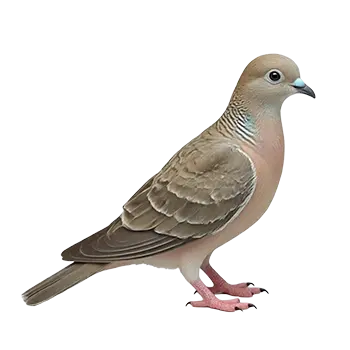

Zebra Dove

Zebra Dove
📸 Photo Gallery Coming Soon

Furry Critter Network Etsy Shop

Quick Facts

🔬 Scientific Name
Geopelia striata
🦜 Bird Type
Dove
📊 Care Level
Beginner
😊 Temperament
Gentle, Peaceful, Calm
📏 Adult Size
8-9 inches
⏱️ Lifespan
8-12 years
🔊 Noise Level
Low
🗣️ Talking Ability
None
🍽️ Diet Type
Seed-based (granivorous)
🌍 Origin
Southeast Asia
🏠 Min Cage Size
30x24x30 inches (minimum)
📐 Size
Small

Zebra Dove - Names & Recognition

The Zebra Dove, scientifically classified as Geopelia striata, derives its common name from the distinctive zebra-like black and white barring pattern on the sides of the neck, breast, and flanks, creating striped appearance reminiscent of zebra stripes. This species is also known by several alternate names including Barred Ground Dove emphasizing both the barring pattern and ground-dwelling foraging behavior, Peaceful Dove particularly in Australia where introduced populations have established, reflecting the species' gentle, non-aggressive temperament, and Barred Dove or Striped Dove in some literature. In various parts of its native and introduced range, additional local names exist though Zebra Dove remains the most widely recognized common name in aviculture and ornithology.

Taxonomically, Zebra Doves belong to the family Columbidae, which includes all doves and pigeons worldwide. Within this large diverse family, the genus Geopelia contains several small Australian and Southeast Asian dove species characterized by delicate build, barred plumage patterns, and ground-foraging behaviors. Geopelia striata is the type species of the genus. Other Geopelia species include the Diamond Dove (Geopelia cuneata), one of the smallest and most popular cage doves, and several other species less commonly kept in aviculture. The order is Columbiformes, containing the single family Columbidae.

The scientific name Geopelia striata has straightforward etymology. "Geopelia" derives from Greek "geo" meaning earth or ground and "peleia" meaning dove or pigeon, referencing the species' ground-dwelling foraging ecology - these are ground doves spending substantial time walking on substrate searching for fallen seeds. "Striata" is Latin meaning striped or striated, directly referencing the distinctive barred or striped plumage pattern that characterizes the species. The species was formally described by Linnaeus in 1766 as Columba striata before being reassigned to genus Geopelia.

Within Geopelia striata, subspecies taxonomy is complex with various authorities recognizing different numbers of subspecies based on geographic distribution and morphological variation across the species' extensive Southeast Asian range. Generally recognized subspecies include G. s. striata (the nominate subspecies from Java and surrounding regions), G. s. maugeus (from mainland Southeast Asia including Thailand, Myanmar, Cambodia, Vietnam), G. s. placida (sometimes considered a separate species, the Peaceful Dove, from Australia), and several others described from various islands and regions. These subspecies show subtle differences in overall size, exact tone and intensity of plumage coloration, extent of barring, and minor proportional variations. Taxonomic treatments vary, with some authorities recognizing additional subspecies while others consolidate them. The Australian population (placida) is sometimes treated as a full species separate from Asian Zebra Doves, though most current treatments consider them conspecific.

Zebra Doves are among the most popular and commonly kept small doves in aviculture worldwide, prized for their small size allowing maintenance in cages acceptable for canaries or finches rather than requiring extensive aviaries, attractive barred plumage creating visual interest, gentle peaceful temperament making them ideal for beginners and mixed-species aviaries, hardy adaptable nature tolerating varied conditions, pleasant soft cooing providing auditory enjoyment without noise problems, and relatively easy breeding in captivity for those interested in reproduction. The combination of these characteristics has made Zebra Doves staples in bird keeping, with substantial captive-bred populations ensuring availability without requiring wild capture.

Historically, Zebra Doves have been kept as cage birds throughout their native Southeast Asian range for centuries, with traditional bird keeping in countries like Indonesia, Thailand, and Malaysia including these gentle doves among favored species. European and Western aviculture encountered Zebra Doves in the 19th century through Southeast Asian trade, with birds being exported to Europe and eventually worldwide. By the 20th century, Zebra Doves had become well-established in international aviculture, bred successfully by numerous keepers. Today, the species is one of the most readily available and successfully maintained small doves globally.

The introduction of Zebra Doves to various locations outside their native range has created established feral populations in several regions including Hawaiian Islands (where they are now common and considered naturalized), parts of Australia (where the subspecies or closely related Peaceful Dove occurs naturally in some regions while introduced populations exist elsewhere), various Pacific islands, and other tropical and subtropical locations. These introduced populations demonstrate the species' adaptability and hardiness, thriving in diverse environments when released or escaped. However, their impact on native ecosystems varies, with concerns about competition with native species, potential disease transmission, and other ecological effects in some locations.

The name confusion between Zebra Doves and Peaceful Doves creates some taxonomic uncertainty, particularly regarding the Australian populations. Some authorities consider the Peaceful Dove (Geopelia placida or G. striata placida) as a separate species from Southeast Asian Zebra Doves based on subtle plumage differences and geographic separation, while others treat them as subspecies of a single widespread species. For avicultural purposes, both forms are kept under similar conditions and show similar characteristics, with the taxonomic debate having minimal practical implications for bird keeping.

Zebra Dove Physical Description

The Zebra Dove is a small, delicate, graceful dove measuring approximately 8 to 9 inches in length from beak to tail tip, making it one of the smaller commonly kept dove species - similar in size to large finches or small canaries. Adults typically weigh between 40 to 60 grams (approximately 1.4 to 2.1 ounces), placing them among the lightweight doves. The body structure is compact and slender with relatively small, rounded head, thin neck, streamlined body with less pronounced keel than larger doves, long graduated tail tapering to a point, and delicate overall proportions creating elegant appearance. The small size combined with graceful movements and attractive plumage makes Zebra Doves particularly appealing.

The most distinctive and immediately recognizable feature of Zebra Doves is the beautiful barring pattern on the sides of the neck, upper breast, and flanks. This barring consists of fine black or dark brown lines alternating with pale gray-white or buffy-white ground color, creating a zebra-striped appearance that gives the species its common name. The barring is most prominent and closely spaced on the sides of the neck and upper breast, becoming more widely spaced and less distinct toward the flanks and lower body. This pattern is unique among commonly kept doves and serves as the primary field mark for identification.

The head shows soft blue-gray to gray coloration on the crown and face. The forehead may show slightly paler tones. Around the eyes, narrow pale blue eye-rings are visible on close inspection. The face shows gentle, soft expression typical of doves. The throat and center of the upper breast lack barring, showing plain pale gray or whitish coloration creating contrast with the barred sides.

The back, wings, and rump display soft brown to gray-brown coloration creating the base color of the upperparts. The exact tone varies between individuals and subspecies, with some showing warmer brownish tones while others are grayer. The wing coverts show similar coloration with subtle darker markings. The flight feathers (primaries and secondaries) are darker brown to blackish-brown, visible when wings are spread. The wings are proportionally long and pointed for the bird's small size, adapted for swift maneuvering flight.

The underparts below the barred breast show pale gray to whitish coloration, gradually transitioning to the barred pattern above. The undertail coverts are pale. The overall impression of the underparts is clean and pale with the barring restricted to the upper portions creating attractive pattern distribution.

The tail is long, graduated, and pointed, typical of Geopelia doves. The tail is predominantly brown to gray-brown on the upper surface with darker subterminal bands and white tips on the outer tail feathers creating white corners visible particularly in flight. The white tail tips contrast with the darker tail center, serving as a field mark visible during flight and landing. The tail is frequently fanned and flicked during ground foraging, serving in balance and communication.

The eyes are brown to dark brown with subtle red orbital skin around the eyes in adults. The narrow pale blue eye-ring mentioned earlier surrounds the eye. The bill is relatively short, slender, slightly downward curved, and dark gray to blackish, adapted for picking up small seeds from the ground. The gape (corner of mouth) extends only slightly beyond the eye, reflecting the small bill size.

The legs are relatively short and typically reddish-pink to purplish-pink in color. The feet show four toes in the anisodactyl arrangement (three forward, one back) typical of most perching birds though Zebra Doves spend extensive time walking on the ground. The legs and feet are delicate, proportionate to the small body size. The toes have sharp claws providing grip on branches when perching.

Sexual dimorphism in Zebra Doves is minimal, with males and females appearing very similar. Males may show slightly more extensive or bolder barring, slightly larger overall size, and possibly more intense coloration, though these differences are subtle and inconsistent making visual sexing unreliable. Behavioral differences are more distinctive - males perform cooing vocalizations and courtship displays including bowing and tail spreading, while females show receptive postures but do not coo persistently. In pairs, observing behavioral interactions during breeding season provides the most reliable sexing method.

Juvenile Zebra Doves show distinctly duller appearance than adults, appearing overall paler and less crisply marked. Young birds display less distinct barring with brownish rather than black bars on paler background, duller overall coloration lacking the subtle iridescence of adults, slightly shorter tail not yet reaching full adult length, and overall less refined appearance. These juvenile characteristics gradually disappear through the first molt over several months, with birds achieving full adult plumage by approximately 3-4 months of age.

Age-related variations can help estimate bird age to some extent. First-year birds before completing their first full annual molt may show mixed juvenile and adult characteristics. After the first complete molt, birds achieve adult plumage essentially indistinguishable between age classes without close examination.

Color variations in Zebra Doves are minimal, with the species showing relatively consistent plumage patterns. Occasional leucistic individuals with reduced pigmentation showing paler overall coloration or scattered white feathers have been reported, though these are rare. Color mutations have not been established in captive populations unlike some other dove species. The barred pattern remains remarkably consistent across individuals, making Zebra Doves easily identifiable.

The overall impression of Zebra Doves is delicate, graceful small doves with distinctive attractive barring creating elegant patterned appearance. Their small size, gentle demeanor, and beautiful plumage make them appealing aviary subjects. When in good condition with proper care, they display neat, clean plumage and the characteristic barring shows crisp contrast creating the attractive zebra-striped effect that makes them so recognizable and popular.

Affection Level
Zebra Doves show low to moderate affection levels, being gentle birds that tolerate and even enjoy human presence when properly socialized but do not seek extensive physical contact. Hand-raised birds can become quite tame and comfortable, readily approaching owners for food, perching nearby during interaction, and showing minimal fear. They may show recognition of their keepers and preference for familiar people. However, they are not cuddly or demonstrative like parrots, expressing comfort through calm presence and proximity rather than seeking handling or petting.
Sociability
Zebra Doves are highly social birds that greatly benefit from companionship, naturally living in pairs or small flocks in the wild. They form strong pair bonds showing gentle affiliative behaviors including sitting in close contact, mutual preening, synchronized movements, and coordinated activities. Pairs are strongly recommended over single birds, with bonded pairs providing each other constant companionship and displaying natural behaviors. Small compatible groups can coexist peacefully in appropriate housing. Their high sociability makes them excellent for community aviaries and creates engaging, naturalistic displays.
Vocalization
Zebra Doves are low to moderately vocal birds producing soft, pleasant, repetitive cooing calls that are gentle and melodious rather than harsh or loud. Males coo frequently with a distinctive rising and falling 'coo-coo-coo' pattern, particularly during breeding season. The calls are quiet, audible in the same room but not carrying far or disturbing neighbors, making them ideal for apartments and close-neighbor situations. Most people find the cooing pleasant, soothing, and unobtrusive, creating peaceful background sounds. They cannot talk or mimic speech, producing only their natural gentle cooing.
Intelligence
Zebra Doves demonstrate basic intelligence typical of small doves, showing ability to learn locations, recognize routines, remember favorable environments, and display simple problem-solving for accessing food. They can recognize their keepers and distinguish safe from threatening situations. However, they lack complex cognitive abilities of parrots or corvids and show minimal trainability beyond habituation. Their intelligence is sufficient for their ecology as ground-foraging seed specialists but does not extend to complex interactions, making them straightforward, uncomplicated birds requiring minimal mental enrichment.
Exercise Needs
Zebra Doves have moderate exercise needs requiring adequate space for walking, hopping, and short flights but being less intensely active than larger doves or many other bird species. They spend considerable time foraging on the ground with a distinctive waddling walk, fly short distances between perches and ground, and engage in moderate activity throughout the day. Adequate cage or aviary space allowing horizontal movement, ground foraging opportunities, and some flight maintains health. They are less demanding of extensive flight space than Mourning Doves, making them suitable for large flight cages or smaller aviaries.
Maintenance Level
Zebra Doves require low to moderate maintenance, being hardy birds with straightforward seed-based diets, simple care routines, and minimal special requirements. Daily tasks include providing fresh seeds and water, while weekly maintenance includes cleaning cages or aviaries. They are neat compared to parrots or softbills, producing small, well-formed droppings requiring daily but not constant cleaning. They lack complex dietary, social, or enrichment needs of demanding species. Their hardiness, simple requirements, and forgiving nature make them excellent for beginners seeking low-maintenance birds with attractive appearance and pleasant demeanor.
Trainability
Zebra Doves show minimal to low trainability, being more responsive than Mourning Doves but still lacking capacity for complex training. They can be habituated to human presence becoming remarkably tame, hand-raised birds readily taking treats from hands, and they may learn to recognize feeding times and safe people. However, they cannot learn tricks, commands, or complex behaviors. Some individuals may learn to come when called for food rewards. They cannot learn speech or vocal mimicry. They are meant primarily for observation and gentle interaction rather than extensive training or performance.
Independence
Zebra Doves have high independence from humans requiring minimal social interaction beyond basic care. Paired or grouped doves entertain each other through natural social behaviors and require little human attention beyond maintenance. Single birds may seek more human interaction but are generally content with simple presence rather than demanding engagement. They occupy themselves through foraging, preening, dust bathing, and resting without needing constant stimulation. This high independence makes them ideal for people wanting peaceful, attractive birds for observation without intensive daily interactive demands.

Natural Habitat & Range

Zebra Doves are native to Southeast Asia, inhabiting a broad range extending from Myanmar, Thailand, Cambodia, Laos, and Vietnam through peninsular Malaysia to Singapore, and across the Indonesian archipelago including Java, Sumatra, Bali, Borneo, and numerous other islands. This extensive distribution covers diverse geographic regions within the tropical and subtropical zones of Southeast Asia. The species shows strong habitat associations with open and semi-open habitats rather than dense forest, thriving in areas modified by human activity. Different subspecies occupy specific regions within the overall range, with morphological variation reflecting geographic isolation though differences are subtle.

Within their native range, Zebra Doves show strong preferences for open to semi-open habitats, particularly those modified by human activity. Preferred habitats include cultivated areas including rice paddies, agricultural fields, and plantations where ground foraging for seeds is productive, suburban and urban areas with parks, gardens, and residential neighborhoods offering abundant feeding and nesting opportunities, scrublands and grasslands with scattered trees or shrubs, secondary growth forests and forest edges where openness allows ground access, roadside areas and disturbed habitats, and open woodlands with sparse understory. They avoid dense primary rainforests lacking open ground for foraging, heavily urbanized areas without vegetation, and completely treeless open areas without perching sites. Their ecology requires combination of open ground for foraging and trees, shrubs, or structures for nesting and roosting.

Zebra Doves are primarily ground foragers, spending most of their active time walking on the ground searching for seeds with a characteristic waddling gait. They prefer areas with bare ground, short grass, or sparse vegetation allowing easy movement and visibility while foraging. They select foraging areas near cover allowing quick escape to low vegetation or shrubs if threatened. Unlike some larger doves, they rarely venture far from cover, preferring to forage in areas adjacent to protective vegetation.

The climate throughout the Zebra Dove's native range is predominantly tropical to subtropical, characterized by warm to hot temperatures year-round typically averaging 75-90°F with minimal seasonal variation, high humidity generally 70-90% typical of tropical lowland environments, substantial rainfall with annual precipitation often exceeding 60-100+ inches depending on specific location and season, and relatively stable conditions year-round with monsoon patterns bringing wet and dry seasons in many areas. These consistently warm, humid, wet conditions support the lush vegetation and abundant seed production Zebra Doves exploit.

In their natural habitat, Zebra Doves are social birds typically found in pairs or small flocks numbering 3-10 individuals. Pairs form strong monogamous bonds, remaining together year-round rather than separating between breeding seasons. Pairs forage together, roost in proximity, and show affiliative behaviors including sitting in contact and mutual preening. Small flocks often consist of multiple pairs plus unpaired individuals, coexisting peacefully and benefiting from shared vigilance for predators. Unlike highly territorial species, Zebra Doves tolerate conspecifics at moderate distances during foraging, showing relaxed social structure.

The daily activity pattern begins at dawn when pairs emerge from roosting sites in dense shrubs or low trees with soft cooing and initial foraging. Morning hours are spent actively walking on the ground searching for seeds, their primary and almost exclusive food source. Zebra Doves are almost entirely granivorous (seed-eating), consuming seeds from numerous plant species including grass seeds (particularly small Gramineae species), weed seeds from various herbaceous plants, cultivated grain spillage in agricultural areas (rice, millet, and other small grains), and various other small seeds typically 1-3mm in diameter. They select seeds by size, preferring very small seeds they can swallow whole. Seeds are swallowed and stored temporarily in the crop before passing to the gizzard for grinding.

Water is essential for Zebra Doves, requiring daily drinking. Like all pigeons and doves, they drink by immersing their bills and sucking water continuously rather than the scooping method most birds use. They visit water sources daily, typically during morning and late afternoon, traveling to streams, ponds, puddles, or water features in gardens. Midday hours during peak heat are often spent resting in shaded vegetation, preening, dust bathing if appropriate substrate is available, and conserving energy. Preening maintains feather condition. Dust bathing, where birds squat in fine dust or sand while fluffing feathers and rubbing dust into plumage, is important for feather maintenance and parasite control. Late afternoon brings renewed foraging before pairs return to traditional roosting sites at dusk.

Male vocalizations occur throughout the day but peak during dawn and late afternoon, particularly during breeding season. The characteristic cooing is soft, pleasant, and repetitive, consisting of rising and falling coo phrases repeated numerous times. Males coo from perches, the ground, or while slowly walking, serving territorial and mate attraction functions. The calls are quieter than many dove species, creating gentle background sounds rather than prominent vocalizations.

Breeding behavior in Zebra Doves can occur year-round in favorable conditions though peaks often correspond with periods following rainy seasons when seed abundance increases. Pairs maintain territories around nest sites though territories are small and multiple pairs may nest in relatively close proximity. Males court females through cooing, bowing displays where the head is lowered while tail is raised and fanned showing the white tips, strutting with puffed chest, and courtship flights. Pairs strengthen bonds through mutual preening and synchronized movements.

Nest construction follows typical dove patterns with simple, flimsy platform nests built from twigs, grass stems, and roots placed in shrubs, low trees, or occasionally on human structures 3-10 feet above ground. Both sexes gather materials, though the female arranges them into the loose platform. The typical clutch is two white eggs. Both parents incubate for approximately 13-14 days. Both parents feed chicks through regurgitation of crop milk. Young fledge at approximately 11-14 days but remain dependent on parents for additional 1-2 weeks while developing full flying and foraging competence. Pairs may produce multiple broods per year in favorable conditions.

The conservation status of wild Zebra Doves is currently Least Concern according to the IUCN Red List, with stable or possibly increasing populations across much of their range. The species has adapted well to human-modified landscapes, often thriving in agricultural and suburban environments. Their tolerance for human activity and ability to exploit disturbed habitats has likely increased their overall population and range. Threats are minimal and include habitat loss from intensive urbanization eliminating all vegetation, pesticide exposure from treated seeds in agricultural areas, predation by introduced predators in some island populations, and nest predation by cats and other animals in urban/suburban areas. However, these threats do not currently threaten the overall species.

Introduced populations of Zebra Doves have established successfully in various locations outside the native range including Hawaiian Islands (where they are now abundant and considered naturalized, likely originating from escaped cage birds), various Pacific islands, and potentially other tropical and subtropical regions. These introduced populations demonstrate the species' adaptability and reproductive success in novel environments. While concerns exist about potential competition with native species or disease transmission, the impacts vary by location and are generally considered moderate compared to more aggressive introduced species.

Temperament

Zebra Doves possess gentle, peaceful, calm, non-aggressive temperaments that make them ideal companions for bird enthusiasts seeking hardy, attractive, low-maintenance doves for cages or aviaries. These adaptable, tolerant birds combine simple care requirements with beautiful appearance, pleasant soft cooing, and a remarkable tameness potential when hand-raised or patiently habituated, making them excellent choices for beginners while providing peaceful subjects for experienced aviculturists creating naturalistic displays or mixed-species collections. Understanding Zebra Dove temperament helps owners provide appropriate care and develop realistic expectations about these characteristically docile, easy-going birds.

The activity level in Zebra Doves is moderate, characterized by periods of active ground foraging interspersed with resting and preening. Much of their waking time is spent walking on the ground with their distinctive waddling gait, slowly moving forward while pecking at seeds. They fly when moving between foraging areas and perches or when startled, showing swift, direct flight despite their small size. When not foraging or flying, they spend considerable time perched quietly, preening, resting, dust bathing if appropriate substrate is available, and engaging in social interactions with mates or companions. This moderate activity level makes them calming to observe, with their gentle movements and unhurried pace creating peaceful atmosphere.

The independence from humans in Zebra Doves is high though somewhat less extreme than Mourning Doves, as hand-raised Zebra Doves can become remarkably tame and comfortable around people. Well-socialized birds may show recognition of their keepers, approach readily for favorite treats, perch near owners during maintenance, and display minimal fear of gentle human presence. However, they do not seek extensive interaction, handling, or attention in ways parrots do. They tolerate and even appear to enjoy calm human companionship but are content with simple presence rather than demanding engagement. Paired or grouped doves entertain each other through natural social behaviors, requiring minimal human attention beyond basic care and occasional gentle interaction.

Bonding in paired Zebra Doves is strong and enduring, with pairs forming monogamous attachments lasting throughout their lives in captivity. Pairs show beautiful gentle affiliative behaviors including sitting pressed closely together for extended periods, mutual preening (allopreening) where they gently preen each other's head and neck feathers, coordinated movements where they walk, feed, and rest synchronously, soft contact calls maintaining communication, and obvious preference for their partner's proximity. These pair bonds create engaging, naturalistic displays showing the species' social nature. Observing bonded pairs provides insight into dove social behavior and is more rewarding than maintaining single isolated birds.

Social tolerance extends beyond pair bonds, with Zebra Doves generally coexisting peacefully with conspecifics in appropriate numbers given adequate space. Multiple pairs can be housed in aviaries, showing relatively low territorial aggression compared to many species. Males may display mildly during breeding season, defending immediate nest areas, but serious aggression is uncommon. This peaceful nature makes Zebra Doves excellent subjects for community aviaries housing multiple pairs or mixed species, provided adequate space prevents crowding stress.

Compatibility with other bird species is generally excellent, with Zebra Doves showing peaceful coexistence with many species in properly designed mixed aviaries. Their small size, ground-foraging ecology occupying different space than perching birds, gentle temperament, and quiet vocalizations make them non-disruptive companions. They coexist well with finches, canaries, small softbills, other peaceful doves, and various other species. Their presence often adds ground-level activity and interest to aviaries where other species occupy higher strata.

Vocalization in Zebra Doves is one of their most appealing characteristics. Males produce soft, pleasant, repetitive cooing consisting of distinctive rising and falling 'coo-coo-coo' patterns, sometimes described as melodious or musical. The cooing is quiet, gentle, and unobtrusive, clearly audible in the same room but not carrying far or disturbing neighbors. The volume is substantially lower than larger doves like Mourning Doves, making Zebra Doves ideal for apartments, condominiums, or close-neighbor situations where louder birds would be problematic. Most people find the cooing soothing, pleasant background sound adding peaceful ambiance rather than noise. Cooing frequency increases during breeding season when males call more persistently, though even peak calling is not annoying or excessive. Females do not produce persistent cooing, remaining relatively quiet and producing only soft contact calls.

Curiosity in Zebra Doves is minimal compared to parrots or intelligent species. They show limited interest in novel objects beyond investigating potential food sources. They prefer familiar, predictable environments over constant novelty. This lack of curiosity simplifies enrichment - providing appropriate foraging substrates, perching areas, and bathing opportunities satisfies their needs without requiring complex toys or frequent environmental changes.

Messiness in Zebra Doves is low, being among the tidier commonly kept birds. Their droppings are very small, well-formed, and relatively dry compared to softbills or parrots, creating minimal waste requiring daily cleaning but not constant intensive maintenance. They scatter some seed hulls during ground foraging but are generally neat compared to many species. Their small size means waste production is minimal. Most keepers find maintenance straightforward and acceptable, with daily spot cleaning and weekly thorough cleaning being sufficient.

Hardiness is notable in Zebra Doves, with these adaptable small doves showing robust health and tolerance of varied conditions within appropriate ranges. They are relatively stress-resistant compared to many small birds, adapt readily to cage or aviary life, tolerate temperature fluctuations within reasonable limits (though preferring warmth reflecting tropical origins), and generally show good health with basic care. This hardiness combined with their forgiving nature makes them excellent for beginners, tolerating minor husbandry variations that might cause problems in delicate species. However, appropriate care remains essential - hardiness should not encourage neglect.

Fear responses in Zebra Doves are moderate, less extreme than Mourning Doves but more cautious than completely domesticated species. They startle from sudden movements or loud noises, responding with quick flights to perches or cover. However, well-habituated birds show minimal fear of calm, predictable human presence, often continuing to forage with people nearby. Consistent gentle routines reduce fear, with patient keepers developing trust allowing close approach. Hand-raised birds can become remarkably tame, readily taking mealworms or treats from hands and showing little fear.

Playfulness exists minimally in Zebra Doves, with their activities centering on natural behaviors - foraging, preening, dust bathing, social interactions - rather than play with objects. However, they show obvious enjoyment during dust bathing, spreading wings and fluffing feathers while squirming in fine sand or dust in ways suggesting pleasure beyond mere hygiene.

Zebra Doves require owners who appreciate peaceful, gentle, attractive birds for observation and light interaction rather than intensive engagement, can provide seed-based diet and fresh water daily, maintain appropriate caging allowing ground foraging and some flight or provide aviaries, want low-maintenance, hardy birds with simple straightforward requirements, prefer soft pleasant cooing rather than silence or loud vocalizations, and ideally can provide pairs rather than single birds for optimal welfare. They are appropriate for beginners seeking first birds, experienced aviculturists adding to mixed collections, apartment dwellers needing quiet birds, people wanting elegant additions to garden aviaries, those seeking hardy, forgiving species, and anyone desiring beautiful, peaceful companions without demanding care. However, they are inappropriate for people seeking interactive, affectionate pets bonding intensely with humans, those wanting talking or extensively trainable birds, anyone unable to provide minimum adequate housing, those expecting parrot-like behaviors, and anyone wanting silent birds (though cooing is very soft). For owners with appropriate expectations - Zebra Doves provide years of peaceful, elegant, melodious presence with minimal demands, straightforward care, and considerable charm in their gentle demeanor and beautiful barred plumage.

Care Requirements

Zebra Doves require appropriately sized housing providing adequate space for their moderate activity level including ground foraging and short flights, though their small size means they are less demanding of extensive space than larger doves, making them suitable for large flight cages in addition to aviaries. The minimum cage dimensions for a pair of Zebra Doves are approximately 30 inches long by 24 inches wide by 30 inches tall, though significantly larger is strongly preferred - ideally 48+ inches long by 30+ inches wide by 36+ inches tall allowing better quality of life and more natural behaviors. For small groups of 3-6 birds, provide proportionally larger housing with adequate space preventing overcrowding. Unlike Mourning Doves requiring extensive aviaries, Zebra Doves adapt successfully to large well-designed flight cages making them more flexible regarding housing options.

Cage construction should use appropriate bar spacing of 1/2 inch maximum to prevent escape or head entrapment, typical of cages marketed for finches and small birds. Both horizontal and vertical bars are acceptable as Zebra Doves do not climb extensively. Powder-coated steel cages provide adequate durability and ease of cleaning at reasonable cost, while stainless steel offers maximum durability and easy sanitization though at higher price. Avoid zinc-coated or galvanized materials as zinc toxicity affects birds. Cage doors should feature secure closures preventing accidental escapes.

Cage location should provide safe, appropriate environment. Position cages in rooms where family activity occurs but avoiding extremely high-traffic areas causing stress. Provide natural light or full-spectrum lighting supporting health and showcasing the beautiful barred plumage, but avoid direct intense sunlight that could overheat birds. Avoid drafty locations near windows, doors, or HVAC vents. Keep cages away from kitchens where toxic fumes pose risks. Place cages at comfortable height for observation and maintenance, typically eye level.

Aviaries provide optimal housing for Zebra Doves, particularly for pairs or groups. Outdoor or indoor aviaries measuring 6+ feet long by 3+ feet wide by 6+ feet tall with both ground area for foraging and flight space provide excellent environments. Aviary construction using welded wire mesh with 1/2 to 3/4 inch spacing prevents escape and excludes predators. Partially covered sections provide weather protection. Solid flooring (sand, pea gravel, or bare earth) facilitates ground foraging behaviors. Multiple entrances using double-door safety porches prevent escapes during keeper entry. Outdoor aviaries require protection from extreme weather, predators, and excessive sun or rain.

Perches should be natural branches of varying diameters (1/4 to 1/2 inch) from safe tree species, providing textured surfaces supporting foot health. Position perches at various heights including some low perches allowing easy transitions between ground and elevated areas. Horizontal branches are most important. Avoid overcrowding with excessive perches limiting flight paths or ground space. Clean or replace soiled perches weekly.

Ground substrate is critically important for Zebra Doves who spend most time foraging on substrates. Appropriate options include sand or fine pea gravel allowing natural foraging behaviors while providing good drainage and dust bathing opportunities, bare concrete or pavers that can be cleaned easily (though less naturalistic), soil or earth in aviaries creating naturalistic substrate (requires more maintenance), or combinations providing variety. Refresh or clean substrate regularly preventing accumulation of droppings creating unsanitary conditions. Many keepers use fine sand which Zebra Doves particularly enjoy for both foraging and dust bathing.

Enrichment for Zebra Doves emphasizes natural behaviors rather than toys. Scatter feeding where seeds are broadcast across clean substrates encourages natural foraging and walking behaviors, varied perch arrangements at different heights and locations, shallow water dishes for bathing (doves bathe enthusiastically), dust bathing areas with fine dry sand or dust, and live or artificial plants providing visual interest and sense of cover. Avoid hanging toys as doves show minimal interest and may be startled by moving objects. Simplicity and naturalism work best.

Bathing facilities are important as Zebra Doves enjoy bathing. Provide shallow dishes (1 inch deep) with fresh water daily, positioned in secure areas. Many birds bathe vigorously, splashing enthusiastically. Some also enjoy gentle misting. Separate bathing water from drinking water.

Dust bathing areas provide important maintenance behavior opportunity. A shallow tray or section of substrate filled with fine dry sand allows birds to squat and rub dust into feathers, helping maintain plumage condition and control parasites. Observing dust bathing is entertaining as birds show obvious enjoyment.

Feeding stations accommodate ground-foraging behavior. Scatter seed on clean substrate allowing natural pecking while walking, or provide shallow wide dishes placed on ground or very low platforms. Provide separate dishes or areas for grit and calcium. Offer greens in clips or shallow dishes. Position multiple feeding areas if housing groups.

Water sources provide fresh, clean water changed daily minimum. Use shallow, wide, stable dishes doves can easily access. Position 1+ inch depth allowing doves to immerse bills for drinking while preventing drowning risks. Place multiple water sources if housing groups. Clean and disinfect dishes regularly preventing disease transmission.

Nest boxes or platforms should only be provided if breeding is specifically intended. For non-breeding situations, avoid providing materials stimulating breeding behaviors. If breeding, offer shallow platforms, baskets, or open boxes positioned 3-6 feet high in secure locations. Provide twigs, dried grasses, and rootlets as nesting materials.

Cleaning routines maintain health. Daily tasks include removing droppings from perches and heavily used areas, spot cleaning heavily soiled substrate, replenishing food and fresh water, removing uneaten perishable foods. Weekly, thoroughly clean cages or aviaries including washing floors or refreshing substrate, disinfecting dishes, cleaning perches, and inspecting for damage. Monthly perform comprehensive deep cleaning. The neat nature of Zebra Doves makes cleaning less intensive than many species.

Environmental conditions should provide appropriate temperature (Zebra Doves tolerate 65-90°F comfortably if acclimated, preferring warmth reflecting tropical origins, provide shelter and heating if temperatures drop below 60°F), adequate ventilation preventing respiratory problems while avoiding drafts, protection from direct sun during peak heat with accessible shade, shelter from rain and wind in outdoor aviaries, and appropriate lighting (natural day length is fine, or 12-14 hours light daily using timers). Indoor housing requires attention to lighting, air quality, and temperature control.

Safety considerations include predator-proof construction if housing outdoors preventing access by cats, raccoons, hawks, rats, snakes, and other predators, protection from domestic pets particularly cats who must never access dove housing, preventing escapes through secure construction and careful door management, and bird-proofing any areas if allowing supervised flight time though most Zebra Doves remain housed rather than receiving free flight.

Feeding & Nutrition

Proper nutrition for Zebra Doves follows seed-based granivorous principles, reflecting their natural ecology as ground-foraging seed specialists consuming almost exclusively very small grass and weed seeds with supplemental plant materials. Understanding and implementing appropriate diets is essential for maintaining health, proper body condition, and longevity. Zebra Doves are among the easiest birds to feed given their simple seed-based dietary requirements, though attention to seed size is important given their small bills.

High-quality small bird seed mix should comprise 70-80% of the diet, serving as the nutritional foundation. Appropriate commercial mixes contain predominantly very small seeds including white proso millet (often the largest component, readily consumed and highly nutritious), red millet providing variety, canary seed adding nutrition and being appropriately sized, rape seed (canola) providing oils and protein, maw seed (blue poppy seed) offering variety, niger seed occasionally, and possibly other small seeds. The key consideration for Zebra Doves is seed size - they have small delicate bills requiring very small seeds typically 1-3mm in diameter. Avoid mixes containing large seeds like sunflower, safflower, large corn, or peas that are too big for these small doves to manage. Commercial mixes labeled for finches, canaries, budgerigars, or specifically for small doves work well. Some dove and pigeon mixes designed for larger species contain seeds too large, requiring modification. Purchase seed from reputable suppliers ensuring freshness. Store in sealed containers in cool, dry conditions preventing mold, rancidity, and pest infestation. Discard old seed showing musty odors, discoloration, or evidence of pests immediately.

Seeds should be offered in ways accommodating natural ground-foraging behaviors central to Zebra Dove ecology. Scatter seed on clean cage floors or aviary substrates allowing doves to walk slowly while pecking at seeds, replicating their natural foraging method. This scatter-feeding provides exercise, mental stimulation, and natural behavior expression. Alternatively or additionally, provide seed in very shallow, wide dishes positioned on the ground or very low platforms. Zebra Doves are reluctant to eat from elevated feeders, strongly preferring ground-level access. Monitor seed consumption ensuring adequate availability while avoiding excessive waste. Remove uneaten seed regularly particularly in humid conditions where mold develops quickly on small seeds.

Fresh greens and leafy vegetables comprising 10-20% of diet provide essential vitamins, minerals, and variety. Appropriate greens include romaine lettuce, leaf lettuce, spinach in moderation, kale, Swiss chard, dandelion greens (a favorite), chickweed (readily accepted if available), fresh pesticide-free grass, and other safe leafy greens. Offer greens fresh daily in clips attaching to cage sides, placed on the ground, or in shallow dishes. Wash thoroughly removing pesticides or choose organic options. Remove uneaten greens within several hours preventing wilting and spoilage. Many Zebra Doves readily accept greens, particularly if introduced early. Finely chopping greens sometimes improves acceptance with reluctant birds.

Fresh vegetables in very small amounts can supplement nutrition though many Zebra Doves show minimal interest. Grated or finely chopped carrot, finely chopped bell peppers, peas (shelled and halved), and other vegetables can be offered. Acceptance varies widely between individuals. Persistence may gradually increase vegetable consumption though many birds never readily accept vegetables beyond leafy greens.

Fresh fruits are not typically major components of Zebra Dove diets though tiny amounts of berries or finely chopped apple (seeds removed) can be offered occasionally for variety. However, fruits are optional rather than essential for these seed specialists.

Grit and calcium sources are important dietary components. Very fine grit including fine granite grit or coarse sand aids in grinding small seeds in the muscular gizzard. Provide grit free-choice in separate small dishes allowing self-regulation. Zebra Doves require finer grit than larger doves due to their small size and seed size. Calcium sources including very finely crushed oyster shell, finely ground cuttlebone, or crushed egg shells support bone health and egg production in laying females. Offer calcium free-choice, with laying females consuming more during egg production.

Clean, fresh water must be constantly available and changed daily minimum, ideally multiple times daily in warm conditions or if droppings contaminate water. Water quality is critical for preventing canker and other diseases spread through contaminated water. Use shallow, stable dishes (1+ inches deep minimum) that doves can easily access for their distinctive sucking drinking method. Clean and disinfect dishes daily. Position multiple water sources if housing groups, ensuring all birds access water without excessive competition.

Treats for Zebra Doves are limited as their diet is already seed-based. Favorite seeds like millet spray can be offered occasionally. Small amounts of very fine cracked corn if birds can manage the size. Avoid high-fat seeds if obesity is a concern though this is rarely problematic in active ground-foraging doves.

Vitamin and mineral supplementation can support health particularly for birds not reliably consuming greens. Water-soluble avian vitamins designed for seed-eating birds can be added to drinking water 2-3 times weekly following product directions, though vitamins in water require frequent changes as vitamins degrade and solutions promote bacterial growth. Alternatively, vitamin powders can be lightly dusted on moistened seeds or greens. Use products formulated for finches, canaries, or seed-eating birds. Avoid over-supplementation which can cause toxicities.

Commercial pellets designed for small birds can supplement diets comprising 10-20% of intake if birds accept them. However, most Zebra Doves resist pellets, strongly preferring natural seeds. Gradual introduction mixing tiny pellets with seeds sometimes succeeds. Pellets are not essential if birds consume varied seed mixes with greens and calcium supplementation.

Foods to avoid include avocado (extremely toxic to all birds), chocolate, caffeine, alcohol, excessive salt, onions, garlic, apple seeds and stone fruit pits, and any moldy or spoiled foods. Never feed wild bird seed mixes treated with chemicals.

Foraging enrichment encourages natural behaviors and provides mental stimulation. Scatter seed across clean substrates requiring birds to walk and search rather than eating only from concentrated areas. Hide small amounts of seed in various ground locations. Mix seed into appropriate substrate requiring more intensive searching. Use shallow trays with substrate concealing some seed. These simple activities provide beneficial exercise and behavioral enrichment.

Monitor body condition regularly by observing body shape and gently palpating the keel and pectoral muscles if birds tolerate brief handling. Healthy Zebra Doves show well-muscled breasts with keel palpable but not sharply prominent. Very prominent keel indicates underweight requiring increased food or veterinary evaluation. Inability to feel keel or rounded heavy body suggests obesity requiring reduced portions though this is uncommon in active foraging doves. Normal adult weights range 40-60 grams with females averaging slightly lighter than males. Individual birds typically consume 1-2 teaspoons of seed daily though requirements vary based on activity, temperature, breeding status, and individual metabolism.

Zebra Dove Health & Lifespan

Zebra Doves are generally hardy, robust small doves capable of living 8 to 12 years in captivity with proper care, occasionally reaching 15+ years in exceptional cases with optimal conditions, making them reasonably long-lived for their small size. Their basic hardiness and adaptability mean they are forgiving of minor husbandry variations compared to delicate species, though proper care remains essential for health and longevity. Common health issues affecting Zebra Doves include canker (trichomoniasis), a protozoal disease caused by Trichomonas gallinae affecting the upper digestive tract particularly the mouth, throat, and crop, causing yellowish cheesy lesions, difficulty swallowing, regurgitation, weight loss, and potentially death without treatment using antiprotozoal medications like metronidazole or carnidazole, with prevention through clean water sources and strict hygiene preventing fecal contamination. Coccidiosis, a protozoal infection particularly affecting young birds or those in crowded unsanitary conditions, causes diarrhea, weight loss, lethargy, fluffed feathers, and mortality without treatment requiring anticoccidial medications and improved hygiene. Intestinal worms including roundworms and tapeworms can affect doves particularly those housed outdoors or exposed to contaminated substrates, causing weight loss, poor condition, and general ill health requiring fecal testing and appropriate deworming medications. External parasites including lice, mites, and feather mites can affect doves causing feather damage, irritation, and general poor condition requiring antiparasitic treatment. Respiratory infections from bacteria or fungi affect doves kept in cold, damp, or poorly ventilated conditions, causing nasal discharge, breathing difficulties, wheezing, and lethargy requiring antibiotic or antifungal treatment and improved environmental conditions. Avian pox, a viral disease transmitted by mosquitoes or direct contact, creates wart-like lesions on featherless areas requiring supportive care as no specific treatment exists. Obesity rarely affects active ground-foraging doves but can occur in birds confined without adequate exercise or fed excessive treats, leading to fatty liver disease and shortened lifespan requiring dietary management and increased activity opportunities. Egg binding affects female doves laying eggs without adequate calcium, appropriate conditions, or optimal health, creating life-threatening emergencies requiring immediate veterinary intervention including calcium injections and supportive care. Trauma from flying into aviary wire or walls, predator attacks if housing is inadequate, or handling injuries can cause fractures, head trauma, or soft tissue damage requiring veterinary assessment. Bumblefoot (pododermatitis) can develop in birds kept exclusively on inappropriate perching without access to varied substrates, causing painful foot lesions requiring treatment and improved perch variety. Feather damage from overcrowding, excessive preening, or rough handling impairs flight requiring proper molt to replace damaged feathers. Regular health monitoring by owners is important as small birds instinctively mask illness until advanced stages. Establishing relationships with avian veterinarians or experienced wildlife veterinarians before emergencies occur ensures access to appropriate care. Annual wellness examinations are recommended for valuable breeding birds. During health checks, veterinarians perform physical examinations including weight assessment (Zebra Doves typically weigh 40-60 grams with individual variation), body condition evaluation, examination for external parasites, crop palpation, and may recommend fecal testing for internal parasites and protozoal diseases, throat examination for canker lesions if suspected, blood testing if indicated, and other diagnostics. Proper diet and nutrition for Zebra Doves follows seed-based granivorous principles. High-quality small bird seed mix comprising 70-80% of diet should contain predominantly very small seeds appropriate for these delicate doves including white proso millet, red millet, canary seed, rape seed, maw seed, and other small seeds typically 1-3mm in diameter. Avoid large seeds like sunflower or safflower that are too big for Zebra Doves to swallow easily - they have smaller bills than larger doves requiring appropriately sized seeds. Commercial mixes labeled for finches, canaries, or small doves work well. Scatter seed on clean cage floors or provide in low shallow dishes accommodating ground-foraging behavior. Fresh greens comprising 10-20% of diet including lettuce, spinach, chickweed, dandelion greens, and other leafy greens provide vitamins, offered finely chopped or as whole leaves. Many Zebra Doves readily accept greens. Fresh vegetables in small amounts can be offered though acceptance varies - grated carrot, leafy greens, and other vegetables provide variety. Grit including fine granite grit and calcium sources like crushed oyster shell or finely ground cuttlebone should be available free-choice, supporting seed grinding and providing calcium particularly important for laying females. Clean fresh water must be constantly available in shallow clean dishes changed daily minimum, as doves drink frequently and contaminated water spreads disease particularly canker. Zebra Doves drink by immersing bills and sucking, requiring adequate water depth (1+ inch minimum). Environmental cleanliness prevents disease requiring daily droppings removal from frequently used areas, weekly thorough cage or aviary cleaning, disinfection of water and food dishes, maintaining dry conditions preventing mold and bacterial growth, and providing clean substrate for ground foraging. Appropriate housing providing adequate space for ground foraging and short flights, proper ventilation without drafts, and protection from temperature extremes maintains health. Zebra Doves tolerate temperatures 65-90°F comfortably if acclimated, preferring warmth reflecting tropical origins. Provide shelter and potentially supplemental heating if temperatures drop below 60°F. UV lighting or natural sunlight exposure supports vitamin D synthesis and calcium metabolism.

Common Health Issues

  • Respiratory infections from bacteria or fungi affect doves kept in cold, damp, or poorly ventilated conditions, causing nasal discharge, breathing difficulties, wheezing, and lethargy requiring antibiotic or antifungal treatment and improved environmental conditions.
  • Obesity rarely affects active ground-foraging doves but can occur in birds confined without adequate exercise or fed excessive treats, leading to fatty liver disease and shortened lifespan requiring dietary management and increased activity opportunities.
  • Egg binding affects female doves laying eggs without adequate calcium, appropriate conditions, or optimal health, creating life-threatening emergencies requiring immediate veterinary intervention including calcium injections and supportive care.

Preventive Care & Health Monitoring

  • Egg binding affects female doves laying eggs without adequate calcium, appropriate conditions, or optimal health, creating life-threatening emergencies requiring immediate veterinary intervention including calcium injections and supportive care.
  • Annual wellness examinations are recommended for valuable breeding birds.
  • Proper diet and nutrition for Zebra Doves follows seed-based granivorous principles.
  • Fresh greens comprising 10-20% of diet including lettuce, spinach, chickweed, dandelion greens, and other leafy greens provide vitamins, offered finely chopped or as whole leaves.
  • Grit including fine granite grit and calcium sources like crushed oyster shell or finely ground cuttlebone should be available free-choice, supporting seed grinding and providing calcium particularly important for laying females.
  • UV lighting or natural sunlight exposure supports vitamin D synthesis and calcium metabolism.\n\nOwners must recognize illness signs including lethargy or sitting fluffed for extended periods, loss of appetite or difficulty swallowing, yellowish lesions in mouth or throat indicating canker, nasal discharge or breathing difficulties, diarrhea or abnormal droppings, weight loss or prominent keel bone, wounds or limping, inability to fly or favoring one wing, reduced or absent cooing in males who previously called regularly, and sudden behavior changes.

Regular health monitoring by owners is important as small birds instinctively mask illness until advanced stages. Establishing relationships with avian veterinarians or experienced wildlife veterinarians before emergencies occur ensures access to appropriate care. Annual wellness examinations are recommended for valuable breeding birds. During health checks, veterinarians perform physical examinations including weight assessment (Zebra Doves typically weigh 40-60 grams with individual variation), body condition evaluation, examination for external parasites, crop palpation, and may recommend fecal testing for internal parasites and protozoal diseases, throat examination for canker lesions if suspected, blood testing if indicated, and other diagnostics. Proper diet and nutrition for Zebra Doves follows seed-based granivorous principles. High-quality small bird seed mix comprising 70-80% of diet should contain predominantly very small seeds appropriate for these delicate doves including white proso millet, red millet, canary seed, rape seed, maw seed, and other small seeds typically 1-3mm in diameter. Avoid large seeds like sunflower or safflower that are too big for Zebra Doves to swallow easily - they have smaller bills than larger doves requiring appropriately sized seeds. Commercial mixes labeled for finches, canaries, or small doves work well. Scatter seed on clean cage floors or provide in low shallow dishes accommodating ground-foraging behavior. Fresh greens comprising 10-20% of diet including lettuce, spinach, chickweed, dandelion greens, and other leafy greens provide vitamins, offered finely chopped or as whole leaves. Many Zebra Doves readily accept greens. Fresh vegetables in small amounts can be offered though acceptance varies - grated carrot, leafy greens, and other vegetables provide variety. Grit including fine granite grit and calcium sources like crushed oyster shell or finely ground cuttlebone should be available free-choice, supporting seed grinding and providing calcium particularly important for laying females. Clean fresh water must be constantly available in shallow clean dishes changed daily minimum, as doves drink frequently and contaminated water spreads disease particularly canker. Zebra Doves drink by immersing bills and sucking, requiring adequate water depth (1+ inch minimum). Environmental cleanliness prevents disease requiring daily droppings removal from frequently used areas, weekly thorough cage or aviary cleaning, disinfection of water and food dishes, maintaining dry conditions preventing mold and bacterial growth, and providing clean substrate for ground foraging. Appropriate housing providing adequate space for ground foraging and short flights, proper ventilation without drafts, and protection from temperature extremes maintains health. Zebra Doves tolerate temperatures 65-90°F comfortably if acclimated, preferring warmth reflecting tropical origins. Provide shelter and potentially supplemental heating if temperatures drop below 60°F. UV lighting or natural sunlight exposure supports vitamin D synthesis and calcium metabolism. Owners must recognize illness signs including lethargy or sitting fluffed for extended periods, loss of appetite or difficulty swallowing, yellowish lesions in mouth or throat indicating canker, nasal discharge or breathing difficulties, diarrhea or abnormal droppings, weight loss or prominent keel bone, wounds or limping, inability to fly or favoring one wing, reduced or absent cooing in males who previously called regularly, and sudden behavior changes. Small birds deteriorate rapidly once symptoms appear, making prompt attention important. With appropriate seed-based diet emphasizing very small seeds, clean water preventing disease transmission, adequate housing allowing ground foraging and flight, protection from temperature extremes, and attentive monitoring, Zebra Doves can live their full 8-12+ year lifespan as delightful, peaceful companions bringing gentle cooing, beautiful barred plumage, and elegant presence to homes and aviaries with straightforward manageable care ideal for beginners while remaining rewarding for experienced keepers appreciating their understated charm and reliable hardy nature.

Training & Vocalization

Zebra Doves show minimal to low trainability, being more responsive to human interaction than Mourning Doves but still lacking capacity for complex training that parrots demonstrate. Understanding realistic training goals prevents frustration while allowing owners to develop trust and achieve simple habituation making these gentle birds more enjoyable to maintain. Training with Zebra Doves focuses primarily on habituation and trust-building rather than trick training or complex behaviors.

Habituation represents the primary achievable training with Zebra Doves - gradually acclimating birds to human presence so they remain calm during routine care and may even show trust approaching for treats. This process requires patience, consistency, and gentle techniques including spending time near cages without threatening birds, talking softly creating positive auditory associations, moving slowly and predictably during feeding and maintenance, offering favorite treats through cage bars or in open hands, gradually increasing proximity and interaction as trust develops, and respecting birds' comfort zones never forcing contact. Hand-raised Zebra Doves habituate more readily and can become remarkably tame, readily taking treats from hands, perching on offered fingers, and showing minimal fear. Parent-raised birds require more patience but can still achieve good habituation with consistent gentle handling.

Hand-feeding treats particularly mealworms (though not dietary staples, occasionally accepted) or favorite seeds can create positive associations with human hands. Some Zebra Doves become confident enough to eat from open palms or perch on fingers, though individual variation is substantial with some birds remaining more cautious regardless of effort.

Step-up training teaching birds to step onto offered fingers or perches is more achievable with Zebra Doves than Mourning Doves, particularly with hand-raised individuals or those patiently habituated. Use favorite treats as lures and rewards, present fingers or sticks near bird's feet, immediately reward any approximation of desired behavior, and practice regularly in short sessions. Success varies widely between individuals, with some birds learning readily while others resist.

Recall training teaching birds to fly to handlers when called is occasionally achievable with very tame Zebra Doves receiving supervised free flight, though most birds are maintained in housing rather than allowed extensive out-of-cage time given their small size and difficulty recapturing birds once loose.

Foraging training using puzzle feeders or hiding treats encourages natural food-seeking behaviors and provides mental stimulation. Zebra Doves readily search for scattered seeds and may learn to manipulate simple foraging devices, though complex puzzles exceed their capabilities.

Realistic expectations are essential - Zebra Doves will never achieve trick repertoires of parrots, cannot learn speech or vocal mimicry, and have natural limitations in trainability due to their ecology and cognition. Training should focus on trust-building, habituation, and enrichment rather than elaborate performances. The reward is developing comfortable, trusting relationships allowing close observation and gentle interaction with these peaceful birds.

Vocalization in Zebra Doves represents one of their most charming characteristics. Males produce soft, pleasant, repetitive cooing consisting of distinctive rising and falling 'coo-coo-coo' patterns often described as melodious or musical. The cooing has a lilting quality with subtle variations in pitch and rhythm creating appealing songs. Individual males develop slightly unique calling patterns though the basic structure remains characteristic. The cooing serves territorial and mate attraction functions, with males calling from perches, the ground, or while walking, advertising their presence and suitability as mates.

Cooing frequency varies with context. Males in breeding condition during warm seasons with appropriate photoperiods coo most frequently, often producing extended calling bouts particularly during dawn and late afternoon hours. Males housed with females or near other males coo more than isolated males. Well-maintained, healthy, content males coo more than stressed or ill birds, making vocalization a useful health indicator. The persistent gentle cooing creates peaceful atmosphere most people find pleasant and soothing.

The volume of Zebra Dove cooing is low to moderate, substantially quieter than most doves including Mourning Doves. The soft, gentle quality makes the sound clearly audible in the same room but not carrying far through homes or to neighbors. This low volume makes Zebra Doves ideal for apartments, condominiums, or situations where louder birds would be problematic. Even peak calling during breeding season is not loud or disturbing, maintaining the species' reputation as peaceful, quiet companions. The melodious quality enhances appeal - this is pleasant birdsong rather than harsh or repetitive noise.

Females produce only soft contact calls and occasional quiet coos during courtship interactions, remaining relatively quiet compared to males. For keepers wanting elegant doves without persistent vocalization, females are appropriate though the gentle male cooing is part of the species' charm for most keepers.

Wing sounds during flight are subtle in Zebra Doves compared to larger doves, producing soft whirring rather than the distinctive whistles of Mourning Doves. Flight sounds are quiet and unobtrusive.

Zebra Doves absolutely cannot learn to talk, mimic speech, or reproduce human vocalizations. They lack the vocal apparatus and cognitive abilities for vocal learning beyond their innate species-typical calls. Their vocalizations remain strictly limited to natural cooing throughout their lives. People seeking talking birds must choose species with vocal learning abilities.

Owners should appreciate Zebra Doves primarily for their natural gentle cooing providing pleasant auditory atmosphere, beautiful barred plumage, graceful ground-foraging behaviors, peaceful temperament, and simple straightforward care. These are observation and gentle interaction birds for people valuing natural behaviors and aesthetics rather than birds for extensive training or performance, offering rewarding keeping for those seeking beautiful, peaceful, melodious subjects with minimal demands and maximum charm in their understated elegance.

Children & Other Pets

Integrating Zebra Doves into households with children or other pets can be very successful given the birds' gentle temperament, small size, potential for tameness, and appropriate housing, making them among the better dove species for family situations. Their non-aggressive nature, pleasant soft cooing, attractive appearance, and straightforward care create appealing characteristics for families, though proper education and supervision remain essential for both children's and birds' wellbeing.

Regarding children, Zebra Doves can be excellent for families with responsible children if proper education and appropriate housing are provided. These small, gentle birds cannot bite harmfully - even if handled, their bills are too small and weak to cause injury, making them completely safe from bite perspective. Their gentle nature means they respond to stress or fear with flight rather than aggression, posing no threat to children. The delicate size means they can be injured through rough handling, squeezing, or dropping, requiring supervision with young children.

The appeal to children includes beautiful barred plumage capturing visual interest, fascinating ground-foraging behaviors entertaining to watch, pleasant soft cooing creating nice sounds without annoyance, relatively easy care teaching responsibility, potential for tameness with hand-raised birds allowing gentle interaction, and learning about bird behavior through observation. Many children find watching Zebra Doves' waddling walk, dust bathing, and pair interactions highly entertaining.

Families should establish clear rules including gentle handling only under supervision for older children, no grabbing, chasing, or startling birds, washing hands before and after contact, immediate adult notification of problems or escapes, understanding birds require daily care, and recognizing these are living creatures deserving respect. The straightforward seed-based diet and simple maintenance make Zebra Doves manageable for families, though adults must maintain ultimate responsibility ensuring consistent care throughout the 8-12+ year lifespan.

Older responsible children and teenagers can successfully maintain Zebra Doves learning valuable lessons about animal care, responsibility, and patient interaction with somewhat shy creatures. Daily feeding, maintaining clean water, cage cleaning, and monitoring behavior teach important skills. The forgiving hardy nature means minor mistakes are less catastrophic than with delicate species, though proper care remains essential. Hand-taming Zebra Doves provides rewarding experiences as children develop trust with initially cautious birds.

Young children under 5-6 years typically lack the motor control for safe handling of small delicate birds and may not understand the need for quiet, calm approach. Supervision must be constant with very young children. However, older children with proper education can interact appropriately, developing positive relationships with family Zebra Doves.

Integrating Zebra Doves with other household pets requires appropriate precautions. Cats represent serious threats as natural predators. Even well-fed, docile house cats retain hunting instincts triggered by small birds. Secure cage construction preventing paw access through bars (1/2 inch bar spacing maximum), positioning cages in rooms cats cannot access, or constant supervision if cats and birds occupy the same spaces are essential. Cat saliva contains deadly bacteria. The safest approach houses these species in completely separate areas.

Dogs present less danger but require management. Most dogs ignore appropriately housed doves, though some show prey drive. The soft cooing is unlikely to trigger excessive dog interest. Secure housing, training dogs to ignore bird areas, and supervision when both are present allows coexistence in most cases.

Small mammals including rabbits, guinea pigs, and rodents can coexist with Zebra Doves in separate secure housing without direct concerns.

Regarding other birds, Zebra Doves excel in mixed-species aviaries, being among the most compatible dove species for community housing. Compatible species include finches of various types (Zebra Doves' ground-foraging ecology occupies different space than perching finches), canaries who similarly avoid ground areas, other small peaceful doves (Diamond Doves pair excellently with Zebra Doves), small softbills like Pekin Robins sharing similar temperaments, small quail occupying ground areas though requiring monitoring for food competition, and various other peaceful species of similar size and temperament. Their gentle nature, ground-level activity, and quiet cooing make them non-disruptive, often adding ground interest to aviaries where other species occupy higher strata. Avoid housing with aggressive species, large parrots, or predatory birds.

Multiple pairs of Zebra Doves can coexist successfully in appropriately sized aviaries with adequate space and resources. Provide minimum 4+ square feet floor space per pair, multiple feeding areas, adequate perches, and nesting sites if breeding is intended. Males may show mild territorial displays but serious aggression is uncommon with adequate space.

Successful households with Zebra Doves and children/pets include those with responsible family members willing to learn proper care, secure housing preventing pet access to birds, commitment to daily simple maintenance, appropriate supervision ensuring gentle respectful interaction, and realistic expectations about birds as primarily observation pets capable of gentle interaction when tame. The hardy, gentle, peaceful nature of Zebra Doves combined with their soft pleasant cooing, beautiful plumage, potential for tameness, and straightforward care make them among the best doves for family situations where proper education, appropriate housing, and commitment to welfare are present. Many families successfully enjoy Zebra Doves as delightful, melodious, beautiful additions bringing peaceful sounds and elegant presence to homes without overwhelming demands or problematic behaviors.