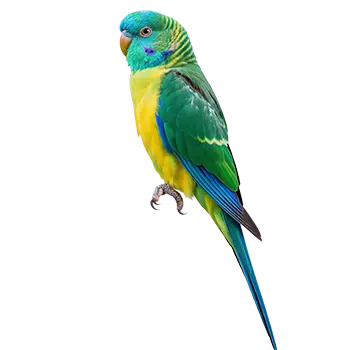
Proper nutrition is fundamental to maintaining the health, vitality, and longevity of Turquoisine Parakeets. In their natural Australian grassland habitat, these ground-foraging birds consume primarily grass seeds, native plant seeds, wildflower seeds, green shoots, herbs, and occasional insects. Replicating this varied, predominantly seed-based diet in captivity requires knowledge of their specific nutritional needs as grass parakeets.
The foundation of a captive Turquoisine Parakeet's diet should be a high-quality small parakeet seed mix specifically formulated for grass parakeets or small Australian parrots. Unlike many parrot species where seeds are considered less ideal, grass parakeets are physiologically adapted to seed-based diets. A quality mix should contain various millet types (white, red, Japanese, foxtail), canary seed, small amounts of oats, and minimal quantities of oil seeds. The mix should be relatively low in fat, emphasizing grass seeds rather than heavy oil seeds like sunflower or safflower which can lead to obesity. Seeds should comprise approximately 60-70% of the diet.
Fresh greens and vegetables are essential components that supplement seed nutrition. Offer dark leafy greens daily such as romaine lettuce, dandelion greens, chickweed, spinach (in moderation), kale, and carrot tops. Turquoisines particularly appreciate grasses, herbs, and seeding grasses that mimic their wild diet. Many owners grow wheat grass, millet sprays, or native grasses for their birds. Other beneficial vegetables include grated carrot, broccoli, corn on the cob, peas in pods, and bell peppers. Greens should comprise approximately 20-30% of the daily diet. Thoroughly wash all produce and serve fresh daily, removing uneaten portions promptly.
Sprouted seeds provide exceptional nutrition and are highly recommended for Turquoisine Parakeets. Sprouting increases digestibility, vitamin content, and nutritional value while reducing fat content. Sprout mixes containing millet, canary seed, mung beans, and legumes work well. Prepare sprouts hygienically, rinsing multiple times to prevent bacterial growth. Many grass parakeet enthusiasts consider sprouted seeds essential for optimal health and breeding success.
Fruits can be offered occasionally in small amounts, but Turquoisine Parakeets are less fruit-oriented than many tropical parrots. Suitable fruits include apple slices (remove seeds), berries, pear, and occasional melon. Limit fruit to approximately 5-10% of the diet due to high sugar content. These birds are not naturally frugivorous, so vegetables and greens take priority over fruit.
Pellets can be offered as a supplemental component but should not comprise the diet's majority for grass parakeets. Many Turquoisines resist pellets, and their digestive systems are optimized for seed-based nutrition. If incorporating pellets, choose small-sized pellets designed for parakeets and introduce gradually. Pellets might comprise 10-20% of the diet at most, with seeds and fresh foods remaining primary.
Certain foods are toxic to parrots and must never be offered. Never feed chocolate, caffeine, alcohol, avocado, fruit pits containing cyanide (cherry, peach, apricot), onions, garlic, excessive salt, or raw beans. Avoid processed human foods, sugary items, and fatty, fried foods.
Treats should be offered sparingly and used primarily for training and bonding. Appropriate treats include millet spray (small pieces), a few sunflower seeds, or small amounts of nuts like slivered almonds. Reserve favorite treats for rewarding positive behaviors or hand-taming sessions.
Calcium supplementation is crucial, especially for breeding birds or females. Provide a cuttlebone or mineral block attached to the cage for birds to nibble as needed. During breeding season, offer additional calcium through crushed eggshells, liquid calcium supplements on greens, or calcium-enriched foods. Inadequate calcium causes egg binding and skeletal problems.
Grit usage for Turquoisine Parakeets is debated among aviculturists. Some provide small amounts of soluble grit or mineralized grit to aid digestion and provide minerals, while others believe it's unnecessary. If offering grit, provide sparingly and use grit specifically designed for parakeets. Avoid excessive grit consumption which can cause crop impaction.
Fresh, clean water must be available at all times, changed at least twice daily. Use filtered or bottled water if tap water quality is questionable. Position water dishes away from perches to minimize fecal contamination. Turquoisines often enjoy bathing, so providing a shallow bathing dish separate from drinking water maintains water cleanliness.
Foraging enrichment enhances nutrition and mental stimulation. Scatter seeds on the cage floor to encourage natural ground-foraging behavior. Hide treats in foraging toys or wrapped in paper. Offer seeding grasses, millet sprays hung at various heights, or vegetation placed on the cage floor. Providing branches with leaves, buds, or flowers (from safe, non-toxic species) mimics wild foraging.
Seasonal dietary adjustments may benefit Turquoisine Parakeets. During molting periods, slightly increase protein through additional sprouted seeds and egg food (commercial or homemade mixture of hard-boiled egg). Before and during breeding season, enhance calcium and overall nutrition to support egg production and chick rearing. With a varied diet emphasizing quality seeds, abundant fresh greens, sprouted seeds, and appropriate supplementation, Turquoisine Parakeets thrive with excellent feather quality, vitality, and longevity.