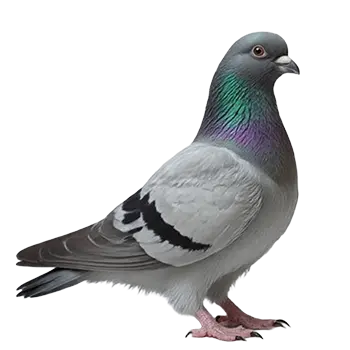

Tumbler Pigeon

Tumbler Pigeon
📸 Photo Gallery Coming Soon

Furry Critter Network Etsy Shop

Quick Facts

🔬 Scientific Name
Columba livia domestica
🦜 Bird Type
Pigeon
📊 Care Level
Beginner to Intermediate
😊 Temperament
Social, Active, Intelligent
📏 Adult Size
10-13 inches
⏱️ Lifespan
10-15 years
🔊 Noise Level
Low to Moderate
🗣️ Talking Ability
None
🍽️ Diet Type
Seed-based (granivorous)
🌍 Origin
Various (Middle East, India, Europe)
🏠 Min Cage Size
48x48x48 inches (minimum loft)
📐 Size
Medium

Tumbler Pigeon - Names & Recognition

The Tumbler Pigeon is not a single species but rather a group of domestic pigeon breeds and varieties, all scientifically classified as Columba livia domestica, the domesticated form of the wild Rock Dove or Rock Pigeon (Columba livia). The name "Tumbler" derives directly from the birds' most distinctive and remarkable characteristic - their ability to tumble or roll backward through the air during flight, performing aerial acrobatics that appear to defy normal flight mechanics. This tumbling behavior, selectively bred and refined over centuries, ranges from single backward somersaults to extended rolling sequences where birds tumble repeatedly while falling before recovering to normal flight. The tumbling ability is the defining characteristic distinguishing tumblers from other pigeon breeds, though the exact style, frequency, and quality of tumbling varies considerably between different tumbler varieties.

Tumbler Pigeons are known by numerous names reflecting different varieties, geographic origins, and performance characteristics. Major categories and varieties include Roller Pigeons, technically a subset of tumblers characterized by performing tight, rapid rolls often in succession rather than single tumbles, with varieties like Birmingham Rollers (perhaps the most famous roller variety, bred extensively for competition flying), Oriental Rollers, and others. Flying Tumblers are breeds emphasizing sustained flight combined with tumbling performance rather than appearance, including Persian Tumblers, Indian Tumblers, and numerous regional varieties. Show Tumblers or Exhibition Tumblers are breeds developed primarily for appearance and conformation rather than flying ability, kept for showing rather than performance flying. Parlor Tumblers and Parlor Rollers are small varieties that tumble on the ground or low perches rather than in flight, bred for indoor observation. Ground Tumblers similarly tumble while walking rather than flying. High-Flying Tumblers combine tumbling with sustained high-altitude flight, sometimes staying aloft for hours.

Geographically named varieties reflect the breed's worldwide distribution including Turkish Tumblers, Iranian Tumblers, Pakistani Tumblers, English varieties, German varieties, and numerous others, each with regional characteristics, appearance standards, and performance styles. The diversity within the "tumbler" designation is enormous, encompassing hundreds of recognized varieties differing in size, color, feather types, performance characteristics, and purposes.

Taxonomically, all domestic pigeons including all tumbler varieties belong to the species Columba livia, the Rock Dove, within the family Columbidae (pigeons and doves) and order Columbiformes. Domestic pigeons are the same species as wild rock doves, with all domestic varieties created through selective breeding from the wild ancestor over approximately 5,000-10,000 years of domestication. The genetic basis of tumbling behavior involves neurological mutations affecting balance and spatial orientation systems, causing the birds to involuntarily somersault during flight. Different genetic factors produce different tumbling styles, with selective breeding intensifying and refining these traits.

The term "Roller" specifically refers to tumblers performing tight, rapid, continuous rolls rather than single tumbles. Birmingham Rollers, developed in Birmingham, England, represent the pinnacle of roller breeding, with competitions judging depth (how far birds fall while rolling), kit performance (how synchronized groups or "kits" perform together), and quality of rolling action. These birds can perform 20-30+ consecutive rolls while falling hundreds of feet before recovering, creating spectacular displays. However, this extreme performance ability comes with welfare concerns, as the behavior is essentially controlled falling caused by neurological abnormalities, and birds can crash if unable to recover.

The historical development of tumbler pigeons extends back centuries, with evidence suggesting tumbling pigeons existed in the Middle East and India over 1,000 years ago. The behavior may have originated as a spontaneous mutation in domestic pigeon populations, with early pigeon keepers recognizing and selectively breeding birds showing tumbling tendencies. Different cultures developed their own varieties, with the Middle East, Indian subcontinent, and later Europe becoming major centers of tumbler breeding. European colonization and trade spread tumbler varieties worldwide, with extensive development and refinement occurring in England, Germany, and other European countries during the 18th-20th centuries. Today, tumbler and roller pigeons are kept globally, with active fancy associations, competitions, and breeding programs maintaining and developing varieties.

The scientific name Columba livia domestica indicates these are domesticated pigeons. "Columba" is Latin for dove or pigeon, "livia" means bluish or lead-colored referencing the blue-gray coloration typical of wild Rock Doves, and "domestica" indicates domesticated status. All domestic pigeon breeds including tumblers, racers, fantails, pouters, and hundreds of others are this same species, demonstrating the remarkable phenotypic diversity achievable through selective breeding within a single species.

Tumbler Pigeon Physical Description

Tumbler Pigeons vary considerably in appearance depending on variety, ranging from small, compact parlor tumblers measuring 8-9 inches to larger flying varieties reaching 12-14 inches in length, with most flying tumblers measuring approximately 10-13 inches from beak to tail tip. Weight varies proportionally, typically ranging from 200-400 grams (7-14 ounces) depending on variety, with flying tumblers generally medium-sized and well-muscled while show varieties may be smaller and more compact. The body structure in flying tumblers emphasizes athleticism with deep keel (breastbone) reflecting powerful flight muscles, compact aerodynamic body shape, relatively short to medium-length wings (compared to racing pigeons) appropriate for maneuverability during tumbling, medium-length tail used for steering and balance, and strong legs and feet. Show tumblers may have more exaggerated features including shorter beaks, more pronounced head shapes, or unusual feather patterns prioritized over flying ability.

The plumage coloration in Tumbler Pigeons is extraordinarily diverse, with virtually every color and pattern achievable in domestic pigeons represented across various tumbler varieties. Common colorations include blue-bar (the wild-type pattern showing blue-gray base color with two black bars on the wings), blue checker (blue-gray with checkered wing pattern), black, red, yellow, white, various pied patterns combining colored and white areas, grizzled patterns showing salt-and-pepper appearance, and numerous other colors and combinations. Selective breeding has produced almost unlimited color variations, with some varieties specializing in particular colors while others show mixed coloration within breeding populations. The colors are produced through various pigment genes and modifying factors, with pigeon genetics being extensively studied and documented by breeders.

Feather types add additional variety including standard smooth feathers typical of most pigeons, muffed (feathered feet) in some varieties, crested with decorative crests on the head, frilled with curved or twisted feathers in some show varieties, and various other mutations. Flying tumblers typically have standard smooth feathers optimizing aerodynamics, while show varieties may emphasize decorative features.

The head in most flying tumbler varieties shows relatively standard pigeon proportions with rounded skull, though some varieties have been selected for specific head shapes. The eyes vary in color from orange-red (most common in adult pigeons) to white, yellow, or multi-colored depending on plumage genetics. Eye color is often correlated with feather color through linked genetic factors. The cere (fleshy area at the base of the upper bill surrounding the nostrils) is typically whitish to pale gray, becoming more pronounced with age in some birds. The bill is relatively short to medium length, typically dark in darker birds and paler in lighter plumage varieties, adapted for seed eating.

The wings show the characteristic muscular development of flying pigeons, with strong primary and secondary flight feathers. Wing pattern (bars, checks, spread, etc.) varies by color genetics. The wings must be well-maintained for proper tumbling performance, with damaged or improperly molted flight feathers impairing flying and tumbling ability.

The tail is medium length and typically squared or slightly rounded, used for steering and balance during flight and particularly important during tumbling when birds must recover orientation after rolling. The tail feathers must be in good condition for optimal performance.

The legs are generally clean (unfeathered) in flying varieties for aerodynamic efficiency, though some show varieties have muffs. The legs are typically red to pink in color. The feet show four toes - three forward and one back - with the hind toe elevated, typical of perching birds though pigeons spend considerable time walking on the ground. The feet are moderately large and strong, adapted for perching and ground walking.

Sexual dimorphism in pigeons is subtle, with males and females appearing very similar. Males average slightly larger with thicker necks and larger heads, show more pronounced cooing and displaying behaviors particularly during breeding season, and may have slightly more iridescent neck feathers. However, these differences are inconsistent and subtle, making visual sexing unreliable. Behavioral observation during breeding season provides the most reliable sexing method, with males performing elaborate bowing displays and persistent cooing while females show receptive squatting postures.

Juvenile Tumbler Pigeons show distinctly duller plumage than adults, appearing overall paler and less vibrant. Young birds display shorter, softer feathers, duller eye color (typically dark gray-brown rather than orange-red of adults), less developed cere, and overall less refined appearance. Juvenile plumage is gradually replaced through the first molt occurring over several months, with birds achieving adult plumage by 6-8 months of age. Young birds begin attempting tumbling at variable ages depending on genetics and variety, typically starting around 2-4 months with immature uncontrolled tumbles gradually becoming more controlled and characteristic as birds mature.

The overall impression of flying Tumbler Pigeons is athletic, compact, well-muscled birds showing alert, active demeanor. When flying, their movements are swift and purposeful, with the tumbling behavior creating dramatic visual displays as birds suddenly flip backward through the air, often multiple times, before recovering to normal flight. Observing a kit of rollers performing synchronized tumbling displays is spectacular, with multiple birds tumbling simultaneously while falling hundreds of feet before recovering in coordinated fashion. This unique performance ability combined with relative ease of care and breeding has made tumblers among the most popular performance pigeons globally.

Affection Level
Tumbler Pigeons show low to moderate affection levels, being social birds that bond with their flock and tolerate human presence when properly managed but do not seek extensive physical affection like parrots. Hand-raised birds can become quite tame and comfortable around people, recognizing their keeper and approaching for food. They show their comfort through calm presence, cooing, and relaxed behaviors rather than seeking handling or petting. Paired birds bond strongly with their mates, showing gentle affiliative behaviors, though human bonding remains secondary to avian social bonds.
Sociability
Tumbler Pigeons are extremely social birds requiring flock companionship, naturally living in groups showing complex social dynamics, hierarchies, and interactions. They should never be kept alone, requiring at minimum pairs but preferably small flocks of 4-8+ birds showing natural behaviors. They form strong pair bonds, maintain flock cohesion through vocalizations and coordinated activities, and benefit enormously from conspecific companionship. Single pigeons become severely stressed and show abnormal behaviors. Their extreme sociability makes them excellent for loft keeping but inappropriate for isolation.
Vocalization
Tumbler Pigeons produce low to moderate vocalizations consisting of soft to moderately loud cooing typical of pigeons. Males coo more frequently particularly during courtship with repetitive rhythmic calls, while females produce softer cooing. The volume is moderate, audible throughout rooms and potentially outdoors but not ear-splitting or harsh. Most people find pigeon cooing pleasant, soothing background sound rather than annoying noise. Flocks create more vocal activity than single birds through combined calling. They cannot talk or mimic speech, producing only natural pigeon vocalizations.
Intelligence
Tumbler Pigeons are highly intelligent birds demonstrating remarkable cognitive abilities including excellent spatial memory and navigation, problem-solving skills, social cognition understanding flock dynamics, ability to recognize individual humans and birds, learning through observation and experience, and capacity for training through positive reinforcement. Their intelligence requires mental stimulation through flight opportunities, environmental enrichment, and social interactions. They quickly learn routines, understand cause-and-effect, and can be trained for homing, performance, and basic behaviors, making them engaging companions for attentive keepers.
Exercise Needs
Tumbler Pigeons have extremely high exercise needs requiring daily flight opportunities to perform their characteristic tumbling behaviors and maintain physical and psychological health. They are bred for aerial performance, needing substantial time flying freely or in large flight spaces. Inadequate flight opportunities cause obesity, poor muscle condition, frustration, and behavioral problems. They must either fly freely (requiring trained homing ability and predator-safe environments) or have very large flight lofts. Their exercise needs are among the highest of commonly kept birds, making them appropriate only for keepers able to provide extensive flight opportunities.
Maintenance Level
Tumbler Pigeons require moderate maintenance including daily feeding, fresh water, loft cleaning, and flight time management. Their seed-based diet is straightforward though substantial quantities are needed. Lofts require regular cleaning as pigeons produce considerable droppings. Managing free-flight tumblers requires training, predator awareness, and time commitment. Breeding pairs need nest boxes and management. Overall care is more involved than caged finches but less demanding than parrots, requiring consistent daily routines and adequate space. Their hardiness and straightforward diet offset the space and flight time requirements.
Trainability
Tumbler Pigeons show moderate trainability, being intelligent birds capable of learning through positive reinforcement but lacking the extensive training capacity of parrots. They can be trained for homing (returning to their loft after free flight), recognizing feeding times and routines, performing their tumbling behavior on cue in some cases, and basic handling tolerance. Their tumbling ability itself is largely innate rather than trained, though flight conditioning influences performance. They cannot learn speech or complex tricks but respond well to consistent routines and food-motivated training for practical management behaviors.
Independence
Tumbler Pigeons have low independence, being highly social flock birds requiring constant companionship from other pigeons and regular human interaction for care and management. They are not independent in the sense of being content alone - they need flock mates continuously and become severely stressed without proper social structure. However, they are independent from intense human bonding unlike parrots, being more focused on their pigeon flock than human relationships. This makes them suitable for keepers wanting social birds without overwhelming human-directed demands, provided adequate flock housing is maintained.

Natural Habitat & Range

Tumbler Pigeons, being domestic pigeons (Columba livia domestica), do not have natural habitats or wild ranges in the conventional sense, as they are entirely products of human selective breeding and domestication. However, understanding the ecology of their wild ancestor, the Rock Dove or Rock Pigeon (Columba livia), provides essential context for their biology, behavior, and care requirements. Wild Rock Doves are native to Europe, North Africa, and South Asia, inhabiting rocky coastlines, sea cliffs, mountain gorges, and inland cliff faces where they nest in caves, crevices, and rocky overhangs. The species has adapted remarkably well to human environments, with feral populations (domestic pigeons that have returned to wild living) now established in virtually every major city worldwide, nesting on buildings, bridges, and other structures that mimic the species' natural cliff habitats.

The domestication of pigeons from wild Rock Doves began approximately 5,000-10,000 years ago in the Middle East, making pigeons among the oldest domesticated birds. Early domestication likely focused on pigeons as food sources, with squabs (young pigeons) being harvested from managed colonies. Over time, humans recognized and selectively bred for various characteristics including unusual colors, feather types, body shapes, behavioral traits, and performance abilities. The development of tumbling ability represents one of the most remarkable outcomes of this selective breeding, with pigeon keepers identifying and breeding birds showing spontaneous tumbling behaviors, gradually intensifying this trait through multigenerational selection.

The geographic origin of tumbling pigeons is debated, with evidence suggesting independent development in multiple regions. Historical records indicate tumbling pigeons existed in the Middle East, Persia (modern Iran), India, and Turkey over 1,000 years ago, with extensive development occurring in these regions. The exact origin is unclear, but the Middle East and Indian subcontinent are considered primary centers where tumbling pigeons were developed and refined. From these origins, tumbling pigeons spread through trade and cultural exchange to Europe, where British, German, and other European fanciers further developed and standardized varieties during the 18th-20th centuries. European colonization spread tumbler pigeons globally, with breeding programs established in the Americas, Australia, and worldwide.

Historical accounts describe elaborate pigeon flying traditions in the Middle East and India, where keeping and flying pigeons was both popular recreation and serious competition. Tumbler and roller pigeons were flown in kits (groups), judged on performance including height attained, duration of flight, quality and frequency of tumbling, and coordination of kit performance. These traditions continue today with active pigeon flying cultures in Iran, Pakistan, Turkey, and other regions where tumblers are national treasures. European and American pigeon fancy developed parallel traditions, with roller competitions judging depth and quality of rolling, kit coordination, and overall performance.

The neurological basis of tumbling behavior involves mutations affecting the vestibular system (balance and spatial orientation mechanisms in the inner ear) and possibly other neurological pathways controlling flight orientation. These mutations cause birds to lose orientation during flight, flipping backward in characteristic tumbling or rolling patterns. Different genetic factors produce different styles - some birds tumble occasionally and recover quickly, while extreme rollers may perform 20-30+ consecutive rolls. Selective breeding has intensified these traits, with extreme rollers essentially exhibiting controlled falling that pushes the limits of the birds' ability to recover. This raises welfare concerns, as birds unable to recover from tumbles may crash, causing injuries or death. Responsible breeding aims to maintain tumbling ability while ensuring birds retain adequate recovery ability, though opinions vary on appropriate limits.

The feral pigeon populations found in cities worldwide demonstrate the species' adaptability and hardiness. Feral pigeons descended from escaped or released domestic birds thrive in urban environments, exploiting human-provided food sources and nesting sites. While some domestic tumbler pigeons could potentially survive if released into feral populations, their specialized tumbling behavior would likely be disadvantageous in the wild, making them more vulnerable to predation during tumbling episodes when they lose control. Most tumblers are maintained in managed lofts rather than allowed free flight due to these risks, though some keepers successfully free-fly trained tumblers in appropriate conditions.

The conservation status of wild Rock Doves is complex. In some native regions, pure wild populations persist, while in many areas, feral domestic pigeons have interbred with or replaced wild populations, making pure wild Rock Doves uncommon. The species overall (including feral domestic forms) is globally abundant and classified as Least Concern. Domestic tumbler pigeons are entirely captive-managed, with no conservation concerns, maintained through active breeding by fanciers worldwide. Genetic diversity within domestic pigeon breeds is substantial though some rare varieties may have limited populations requiring careful breeding management to prevent inbreeding.

Temperament

Tumbler Pigeons possess intelligent, social, active, bold temperaments that make them engaging companions for pigeon enthusiasts seeking birds with spectacular performance abilities combined with relatively straightforward care and fascinating flock dynamics. These hardy, adaptable birds combine remarkable flying and tumbling skills with calm, trusting dispositions when properly habituated, making them excellent for beginners learning pigeon keeping while providing experienced fanciers with birds capable of competitive performance. Understanding Tumbler Pigeon temperament helps owners provide appropriate care, develop realistic expectations, and appreciate these remarkable birds appropriately.

The social nature of Tumbler Pigeons is profound and cannot be overstated - these are flock birds requiring constant conspecific companionship for psychological wellbeing. In the wild and feral populations, pigeons live in groups showing complex social structures, hierarchies, pair bonds, and coordinated activities. Captive tumblers must be maintained in pairs minimum, preferably small flocks of 4-8+ birds for optimal welfare. Single isolated pigeons become severely stressed, showing abnormal stereotypic behaviors, excessive vocalization, depression, and compromised health. The flock structure provides security, social learning, companionship, and fulfillment of natural social needs. Observing pigeon flocks reveals rich social dynamics including dominance hierarchies, pair bonding rituals, coordinated flying and feeding, and complex communication through vocalizations and body language.

Pair bonding in pigeons is strong and typically monogamous, with bonded pairs remaining together throughout their lives. Pairs show beautiful affiliative behaviors including mutual preening (allopreening) where partners gently preen each other's head and neck feathers, billing (gentle beak touching and nibbling), sitting pressed together, feeding each other (courtship feeding where males regurgitate food to females), synchronized movements, and obvious preference for proximity to their partner. These bonds are emotionally significant to pigeons, with separation causing distress. In lofts housing multiple pairs, each pair typically claims a nesting box or area as territory, defending it from other pairs while tolerating other birds at moderate distances.

The activity level in Tumbler Pigeons is high, with these athletic birds needing substantial daily flying to perform their characteristic tumbling and maintain physical condition. When allowed free flight, they fly with obvious enthusiasm, circling, climbing to altitude, and tumbling spontaneously or when stimulated. The tumbling behavior itself is remarkable to observe - birds suddenly flip backward, rotating rapidly through the air in single tumbles or multiple consecutive rolls, falling substantial distances before recovering to normal flight. Kits of rollers performing synchronized tumbling create spectacular displays with multiple birds tumbling simultaneously in coordinated patterns. After flying sessions, birds engage in preening, foraging, social interactions, drinking, and bathing. Even when not flying, they remain active, walking on the ground pecking for food, perching on various locations throughout lofts, and engaging in social behaviors.

Intelligence in pigeons is well-documented through scientific research, with studies demonstrating remarkable cognitive abilities including excellent spatial memory and navigation (though tumblers are not typically trained for long-distance homing like racing pigeons, they can learn local homing), ability to recognize individual humans and other pigeons, learning through observation and conditioning, problem-solving for accessing food, understanding abstract concepts like numerosity and categorization in laboratory settings, and sophisticated visual discrimination. This intelligence makes them responsive to consistent routines, capable of basic training, and engaging to observe as they navigate their social and physical environments.

Bonding with humans in tumblers varies with rearing and handling. Birds raised with human contact from young ages (hand-raised or regularly handled) can become remarkably tame and comfortable, recognizing their keeper, approaching readily for food, tolerating handling with minimal stress, and showing trust through relaxed body language. However, even tame pigeons are more focused on their pigeon flock than human relationships, viewing humans as part of their environment rather than flock members or partners. This differs from parrots' intense human bonding, making pigeons suitable for people wanting social birds without demanding human-directed attachment. Parent-raised birds receiving minimal handling remain more cautious though still habituate to keeper presence with consistent care.

Vocalization in Tumbler Pigeons consists of typical pigeon cooing, which is soft to moderately loud depending on context. Males coo persistently during courtship with repetitive rhythmic calls advertising their presence and attracting females, while breeding pairs produce softer contact coos maintaining pair bonds. Flock vocalizations increase during feeding, when alarmed, or during social interactions. The volume is moderate, clearly audible but not harsh or screaming like parrots. Most people find pigeon cooing pleasant, soothing background sound. Larger flocks create more vocal activity through combined calling, though even multiple birds are not overwhelmingly loud.

Curiosity in pigeons is moderate, with birds investigating their environment, exploring new areas, and learning through experience. They show interest in novel food sources and environmental changes. However, they are less intensely investigative than parrots, showing more cautious evaluation of novelty. This moderate curiosity makes enrichment straightforward without requiring constant novelty.

Aggression in pigeons is generally low to moderate, though territorial behavior occurs particularly during breeding season. Males may chase rivals from defended territories (typically areas around nest boxes), engage in wing slapping and pecking in dominance disputes, and show aggression protecting nests and young. However, serious injuries are uncommon with adequate space and appropriate loft design providing multiple nest sites reducing competition. Most flock interactions are peaceful with established hierarchies reducing overt conflict.

Messiness in pigeons is notable - they produce substantial droppings that accumulate quickly, requiring regular loft cleaning. Droppings are relatively solid and less wet than fruit-eating birds but voluminous given frequent defecation. Feather dust from preening creates fine particulate coating surfaces. Food scatter and wasted seed contribute to mess. While individual pigeons are cleaner than large parrots, flocks create substantial collective mess requiring daily cleaning and good ventilation.

Hardiness is excellent in pigeons, with robust health when properly housed, fed, and managed. They tolerate diverse conditions within appropriate ranges, adapt to varied climates with protection from extremes, resist stress better than many species, and generally thrive with straightforward care. This hardiness contributed to successful domestication and continues making them reliable birds for keepers.

Tumbler Pigeons require owners who can provide flying opportunities either through free flight or large lofts, maintain flock housing with multiple birds, appreciate flock dynamics rather than individual bonding, commit to daily care including feeding, watering, and loft cleaning, understand and appreciate aerial tumbling performances, ensure predator protection during flights, and provide social enrichment. They are appropriate for pigeon fanciers, people with adequate space for lofts, those wanting active performance birds, beginners seeking relatively easy-care birds (if space permits), and anyone appreciating spectacular aerial displays. However, they are inappropriate for people seeking quiet low-space pets, those wanting extensively human-bonded companions, anyone unable to maintain flocks, those without flight space or large lofts, and people uncomfortable with substantial droppings requiring daily cleaning. For appropriate owners - Tumbler Pigeons provide years of spectacular performances, fascinating flock behaviors, and rewarding keeping with manageable care creating unique experiences unavailable with other bird types.

Care Requirements

Tumbler Pigeons require specialized housing called lofts providing adequate space for flocks, protection from weather and predators, nest boxes for breeding pairs, good ventilation, and access to flight areas or ability to free-fly. Unlike caged birds, pigeons need loft-style housing accommodating their flock nature, ground-foraging behavior, flying needs, and breeding biology. The minimum loft dimensions for a small flock of 4-6 pairs are approximately 8 feet long by 6 feet wide by 8 feet tall, though larger is always better - 10-12+ feet in each dimension provides better quality of life. Space requirements are approximately 2-4 cubic feet minimum per bird inside the loft, with substantially more space in attached flights or through free-flight opportunities. Overcrowding causes stress, aggression, disease transmission, and poor breeding success.

Loft construction requires sturdy materials including wood, metal, or composite framing, wire mesh (typically 1/2 to 1 inch welded wire) for walls and ceilings providing predator protection while allowing ventilation, solid weatherproof roofing protecting from rain and sun, and appropriate flooring. Flooring options include bare concrete or wood (easiest to clean, can be scraped and disinfected), wire mesh flooring over collection trays (less comfortable for pigeons but minimizes contact with droppings), or deep litter systems using shavings or straw (more labor-intensive). Raised lofts (elevated 2-3+ feet) reduce rodent access. Access doors sized for keeper entry and maintenance must be secure with good latches.

Ventilation is critically important for pigeon health, with poor air quality causing respiratory disease. Lofts require multiple ventilation openings allowing cross-ventilation while preventing drafts directly on roosting birds. Ridge vents, side vents with adjustable covers, and strategically placed openings maintain fresh air without creating cold drafts. Ammonia from droppings must be vented, with smell being a useful indicator - strong ammonia odor indicates inadequate ventilation requiring immediate improvement.

Nest boxes provide territory for breeding pairs, essential even in non-breeding situations as pairs claim these as personal space. Provide one nest box per pair minimum (ideally two per pair allowing choice). Nest boxes measure approximately 12-14 inches square by 12 inches tall, with fronts partially open or with perch. Line with straw, wood shavings, or tobacco stems (traditional pigeon nesting material with insect-repelling properties). Position boxes around loft perimeter at various heights.

Perches throughout the loft allow roosting and resting. Use natural branches, manufactured perches, or ledges at various heights. Avoid overcrowding perch space. Some pigeons prefer sitting in nest boxes while others use perches, providing variety accommodating preferences.

Flight areas attached to lofts or free-flight opportunities provide essential exercise. Attached flights are large wire-enclosed areas allowing flying within protected space, sized as large as possible - minimum 15-20+ feet long providing adequate flight distance. Multiple perches at varying heights and ground areas for landing diversify the space. Alternatively, trained tumblers can be free-flown (released from loft for flying sessions before returning), though this requires homing training, predator awareness, and appropriate conditions. Free flight allows natural behaviors and spectacular tumbling displays but risks predation by hawks, owls, or other predators.

Trapping mechanisms allow free-flying birds to return to lofts while preventing exit without keeper intervention. Bob wire traps are traditional, using weighted wires that swing inward allowing entry but not exit. Landing boards outside trap entrances let birds land before entering.

Feeding and watering stations require appropriate design. Use elevated feeders (hoppers or automatic feeders) reducing contamination from droppings, or scatter feed on clean floors encouraging natural foraging. Provide separate dishes for grit and calcium supplements. Water sources include automatic waterers maintaining clean supply, gravity waterers refilled daily, or bowls changed multiple times daily. Position multiple feeding and watering stations preventing competition in flocks.

Bathing opportunities are essential as pigeons love bathing. Provide shallow water baths (2-3 inches deep) 2-3 times weekly in warm weather, removing after bathing sessions. Pigeons bathe enthusiastically, thrashing and splashing.

Nesting materials when breeding include straw, hay, tobacco stems, pine needles, or commercially available pigeon nesting material, provided in accessible containers allowing pairs to gather and arrange materials.

Cleaning routines maintain health. Daily tasks include removing droppings from heavily used areas, refilling food and water, observing birds for health issues. Weekly thoroughly clean floors, perches, nest boxes, walls, and all surfaces, disinfecting with pigeon-safe products, refreshing nesting material, and inspecting for damage or needed repairs. Strict cleaning schedules prevent disease accumulation.

Environmental conditions should provide protection from temperature extremes (pigeons tolerate 40-90°F with shelter from extreme heat/cold), excellent ventilation preventing ammonia and dust accumulation, protection from rain and wind while allowing natural light and air, and appropriate photoperiod (natural daylength is fine, artificial lighting can extend productive day if desired).

Predator protection includes secure construction with 1/2 inch or smaller mesh preventing entry by rats, snakes, weasels, hardware cloth or mesh buried around perimeter preventing digging predators, covered runs protecting from aerial predators, and secure latches preventing raccoon access.

Flight training and management for free-flying tumblers requires gradual training starting with restricted flight times, building homing instinct through food motivation, flying birds regularly maintaining condition and homing reliability, morning flights being safer than evening (predator activity varies), monitoring weather (don't fly in storms, fog, or extreme conditions), and accepting losses to predation as reality of free-flight keeping.

Feeding & Nutrition

Proper nutrition for Tumbler Pigeons follows seed-based granivorous principles appropriate for domestic pigeons, requiring balanced grain and seed mixes providing energy, protein, vitamins, and minerals supporting maintenance, flying performance, breeding, and molting. Pigeon nutrition is well-established through generations of fancy breeding, racing, and competition, with commercial feeds readily available formulated for various pigeon purposes. High-quality pigeon seed mix should comprise 80-90% of diet, serving as the nutritional foundation. Appropriate commercial mixes formulated for racing or performance pigeons contain various grains and seeds including field peas (20-30% typically, protein source), wheat, corn, milo (grain sorghum), barley, safflower, sunflower, white millet, red millet, rape seed, hemp seed, and possibly other ingredients. The exact composition varies by formulation and purpose. Racing and performance mixes emphasizing sustained flying energy work well for active flying tumblers. Breeding mixes higher in protein and calcium support reproduction. Maintenance mixes for birds not flying or breeding provide basic nutrition. Many pigeon keepers use commercial mixes supplemented with additional grains matching birds' needs and activity levels.

Pigeons consume substantial quantities relative to body size given high metabolism supporting flying. An adult pigeon typically consumes 1.5-2 ounces (roughly 1/4 to 1/3 cup) of seed daily depending on size, activity level, breeding status, and weather. Flying birds require more than confined birds. Breeding birds need increased intake. Cold weather increases energy needs. Monitor body condition adjusting quantities maintaining proper weight.

Grit and calcium are essential dietary components. Grit including coarse granite or quartz grit aids grinding seeds in the muscular gizzard, functioning mechanically rather than nutritionally. Provide grit free-choice in separate containers allowing self-regulation. Pigeons regulate intake based on need. Calcium sources including crushed oyster shell, cuttlebone, or calcium supplements support bone health, egg production in breeding hens, and various metabolic functions. Offer calcium free-choice with breeding birds consuming substantially more than non-breeding birds.

Clean fresh water must be constantly available as pigeons drink frequently, particularly after flying. Change water daily minimum, multiple times daily in warm weather or if contaminated by droppings. Pigeons drink by immersing bills and sucking continuously, requiring adequate depth (1+ inch minimum). Use clean containers preventing contamination. Automatic waterers or gravity waterers work well maintaining supply while reducing contamination compared to open bowls. Water quality is critical - contaminated water spreads canker and other diseases.

Fresh greens and vegetables comprising 5-10% of diet provide vitamins and variety though many pigeons resist vegetables requiring gradual introduction. Appropriate vegetables include romaine lettuce, kale, spinach (in moderation due to oxalates), grated carrot, peas, chopped broccoli, and other safe vegetables. Offer finely chopped or whole allowing birds to peck pieces. Remove uneaten vegetables within several hours. Some pigeons readily accept greens while others never fully adopt them.

Vitamin and mineral supplementation supports health particularly during breeding, molting, or stress. Commercial pigeon vitamins and minerals mixed into drinking water or added to moistened feed provide comprehensive supplementation. Use products specifically formulated for pigeons following manufacturer directions. Many pigeon keepers provide vitamins 2-3 times weekly during maintenance, increasing to daily during breeding and molt. Calcium supplements for breeding hens prevent egg binding and support development.

Protein requirements vary with activity and life stage. Maintenance adult tumblers require approximately 12-14% protein provided through standard pigeon mix. Breeding pairs need increased protein (15-18%) supporting egg production and chick growth, provided through higher protein breeding formulas or supplemental field peas, legumes, or commercial protein supplements. Molting birds benefit from increased protein supporting feather growth. Young growing squabs require high protein for development provided through parental feeding.

Treats for pigeons include safflower seeds, sunflower seeds, hemp seeds, and other palatable items offered sparingly. Treats are useful for training and bonding but should not exceed 10% of diet avoiding nutritional imbalance or obesity.

Foods to avoid include avocado (toxic), chocolate, caffeine, alcohol, excessive salt, onions, garlic, and moldy or contaminated feeds that can cause mycotoxin poisoning. Never feed spoiled grain or seed showing mold, musty odor, or pest infestation.

Feeding methods include offering seed in elevated hoppers or feeders preventing contamination by droppings, scatter feeding on clean floors encouraging natural foraging and activity, automatic feeders maintaining constant supply while controlling waste, or timed feeding where specific amounts are offered twice daily. Each method has advantages - experienced keepers often combine methods.

Monitor body condition regularly through visual assessment and pectoral muscle palpation. Healthy pigeons show prominent keel (breastbone) with well-muscled breasts on either side. Keel should be palpable but not razor-sharp (indicating underweight) or completely obscured by fat (indicating obesity). Flying tumblers should be lean and muscular with body condition optimized for performance rather than excessive weight. Weight varies by variety - flying tumblers typically weigh 250-350 grams with individual variation.

Tumbler Pigeon Health & Lifespan

Tumbler Pigeons are generally hardy, robust birds capable of living 10 to 15 years in captivity with proper care, sometimes reaching 20+ years in exceptional cases, making them reasonably long-lived. Their basic hardiness and strong constitutions mean they tolerate varied conditions when properly housed, though specific health issues require attention. Common health issues affecting Tumbler Pigeons include canker (trichomoniasis), a protozoal disease caused by Trichomonas gallinae creating the most common health problem in pigeons, affecting the mouth, throat, and crop with yellowish cheesy lesions, difficulty swallowing, regurgitation, weight loss, and potentially death without treatment using antiprotozoal medications like metronidazole or carnidazole, with prevention through clean water sources preventing fecal contamination. Pigeon pox, a viral disease transmitted by mosquitoes or direct contact, creates wartlike lesions on featherless areas requiring supportive care as no specific treatment exists though most birds recover if lesions don't impair eating or breathing. Respiratory infections including ornithosis (psittacosis/chlamydiosis), mycoplasma, and other bacterial or fungal infections affect pigeons kept in cold, damp, or poorly ventilated conditions, causing nasal discharge, breathing difficulties, wheezing, eye discharge, and requiring antibiotic or antifungal treatment with excellent ventilation critical for prevention. Coccidiosis, a protozoal infection particularly affecting young birds or those in crowded conditions, causes diarrhea, weight loss, lethargy, and mortality requiring anticoccidial medications and improved hygiene. Intestinal worms including roundworms, tapeworms, and capillaria affect pigeons particularly those housed outdoors or with ground access, requiring fecal testing and appropriate deworming. External parasites including lice, mites (red mites, feather mites), and pigeon flies cause irritation, feather damage, anemia in severe cases, and requiring antiparasitic treatment. Salmonellosis, a serious bacterial infection, can cause outbreaks in pigeon lofts with diarrhea, lethargy, joint swelling, neurological signs, and high mortality requiring antibiotics and strict hygiene. PMV (Paramyxovirus), a viral disease causing neurological symptoms including head twisting, circling, inability to fly or tumble properly, requiring supportive care as no specific treatment exists with vaccination available in some regions for prevention. Egg binding affects female pigeons laying eggs without adequate calcium or appropriate conditions, creating emergencies requiring veterinary intervention. Injuries from tumbling including crashes if birds cannot recover from tumbles, flying into obstacles, predator attacks during free flight, or fighting require assessment and treatment. Wing and tail damage from improper molt, fighting, or accidents impairs flying and tumbling ability until feathers regrow during next molt. Obesity rarely affects actively flying tumblers but can occur in birds confined without exercise, requiring dietary management and increased activity. Regular health monitoring is important as pigeons mask illness until advanced stages. Establishing relationships with avian veterinarians or experienced pigeon veterinarians ensures access to care. Many pigeon health issues can be managed by experienced fanciers using established pigeon medications and protocols though serious cases require veterinary attention. Flock health management including quarantine of new birds, regular cleaning, parasite control, and preventive medication maintains health. Proper diet and nutrition follows seed-based granivorous principles. High-quality pigeon feed mix comprising 80-90% of diet should contain various grains and seeds including field peas, wheat, corn, milo, barley, safflower, sunflower, millet, and other seeds providing balanced nutrition for maintenance and performance. Commercial racing or breeding pigeon mixes work well for tumblers. Grit including granite grit for grinding and calcium sources like crushed oyster shell supports digestion and bone health, offered free-choice. Fresh clean water must be constantly available, changed daily minimum as contaminated water spreads canker and other diseases. Pigeons drink by immersing bills and sucking, requiring adequate water depth. Fresh greens and vegetables comprising 5-10% of diet including lettuce, spinach, kale, grated carrot, peas, and other vegetables provide vitamins though many pigeons resist greens requiring gradual introduction. Mineral and vitamin supplementation through products designed for pigeons supports health particularly during molt and breeding, following product directions. Protein requirements increase during breeding and molt, provided through higher protein feeds or supplements. Clean environment prevents disease requiring daily droppings removal from heavily used areas, regular loft cleaning and disinfection, good ventilation reducing ammonia and dust, and dry conditions preventing mold. Appropriate housing providing protection from weather extremes, excellent ventilation, predator protection, adequate space per bird (minimum 2-4 cubic feet per bird inside loft, much more outside in flights), and flight opportunities maintains health. Temperature tolerance is broad - pigeons handle 40-90°F if acclimated with shelter, though preferring moderate conditions.

Common Health Issues

  • Respiratory infections including ornithosis (psittacosis/chlamydiosis), mycoplasma, and other bacterial or fungal infections affect pigeons kept in cold, damp, or poorly ventilated conditions, causing nasal discharge, breathing difficulties, wheezing, eye discharge, and requiring antibiotic or antifungal treatment with excellent ventilation critical for prevention.
  • Egg binding affects female pigeons laying eggs without adequate calcium or appropriate conditions, creating emergencies requiring veterinary intervention.

Preventive Care & Health Monitoring

  • Egg binding affects female pigeons laying eggs without adequate calcium or appropriate conditions, creating emergencies requiring veterinary intervention.
  • Proper diet and nutrition follows seed-based granivorous principles.
  • High-quality pigeon feed mix comprising 80-90% of diet should contain various grains and seeds including field peas, wheat, corn, milo, barley, safflower, sunflower, millet, and other seeds providing balanced nutrition for maintenance and performance.
  • Grit including granite grit for grinding and calcium sources like crushed oyster shell supports digestion and bone health, offered free-choice.
  • Fresh greens and vegetables comprising 5-10% of diet including lettuce, spinach, kale, grated carrot, peas, and other vegetables provide vitamins though many pigeons resist greens requiring gradual introduction.
  • Mineral and vitamin supplementation through products designed for pigeons supports health particularly during molt and breeding, following product directions.

Regular health monitoring is important as pigeons mask illness until advanced stages. Establishing relationships with avian veterinarians or experienced pigeon veterinarians ensures access to care. Many pigeon health issues can be managed by experienced fanciers using established pigeon medications and protocols though serious cases require veterinary attention. Flock health management including quarantine of new birds, regular cleaning, parasite control, and preventive medication maintains health. Proper diet and nutrition follows seed-based granivorous principles. High-quality pigeon feed mix comprising 80-90% of diet should contain various grains and seeds including field peas, wheat, corn, milo, barley, safflower, sunflower, millet, and other seeds providing balanced nutrition for maintenance and performance. Commercial racing or breeding pigeon mixes work well for tumblers. Grit including granite grit for grinding and calcium sources like crushed oyster shell supports digestion and bone health, offered free-choice. Fresh clean water must be constantly available, changed daily minimum as contaminated water spreads canker and other diseases. Pigeons drink by immersing bills and sucking, requiring adequate water depth. Fresh greens and vegetables comprising 5-10% of diet including lettuce, spinach, kale, grated carrot, peas, and other vegetables provide vitamins though many pigeons resist greens requiring gradual introduction. Mineral and vitamin supplementation through products designed for pigeons supports health particularly during molt and breeding, following product directions. Protein requirements increase during breeding and molt, provided through higher protein feeds or supplements. Clean environment prevents disease requiring daily droppings removal from heavily used areas, regular loft cleaning and disinfection, good ventilation reducing ammonia and dust, and dry conditions preventing mold. Appropriate housing providing protection from weather extremes, excellent ventilation, predator protection, adequate space per bird (minimum 2-4 cubic feet per bird inside loft, much more outside in flights), and flight opportunities maintains health. Temperature tolerance is broad - pigeons handle 40-90°F if acclimated with shelter, though preferring moderate conditions. Owners must recognize illness signs including lethargy or fluffed appearance, loss of appetite or weight loss, difficulty breathing or nasal discharge, yellowish lesions in mouth indicating canker, diarrhea or abnormal droppings, neurological signs like head twisting or circling, inability to fly or tumble properly, limping or favoring one wing, and sudden behavior changes. Early treatment improves outcomes. With appropriate seed-based diet, clean water preventing disease transmission, adequate loft space and flight opportunities, good ventilation, regular cleaning, parasite control, and attentive monitoring, Tumbler Pigeons can live their full 10-15+ year lifespan as spectacular performers bringing aerial acrobatics and engaging flock dynamics to dedicated keepers maintaining these remarkable birds properly in loft settings supporting their natural behaviors and performance abilities.

Training & Vocalization

Tumbler Pigeons show moderate trainability, being intelligent birds capable of learning through positive reinforcement and experience though lacking the extensive training capacity of parrots. Their trainability focuses primarily on practical management behaviors, homing training for free-flying birds, and conditioning for optimal tumbling performance rather than trick training or complex behaviors. Understanding realistic training goals and appropriate methods helps owners develop good management practices while appreciating these birds' natural abilities.

Homing training for free-flying tumblers represents the most important and practical training, teaching birds to return reliably to their loft after flying sessions. This training begins when birds reach 6-8 weeks of age and follows established principles including initial loft acclimation keeping young birds confined to loft for 2-4 weeks allowing them to imprint on the loft as home, gradual introduction to outside area by opening loft allowing birds to observe surroundings while remaining inside for several days, first short flights from loft perimeter releasing birds for brief flights of 10-15 minutes before feeding time ensuring food motivation for return, progressively longer flights over weeks gradually extending flight duration as reliability improves, consistent timing typically flying early morning before feeding when birds are hungry increasing return motivation, and positive reinforcement rewarding immediate return with food.

Successful homing training requires patience, consistency, and accepting that not all birds become reliable free-flyers. Some individuals show poor homing instinct and should not be free-flown. Training young birds is most successful as adult birds not raised in the loft may never reliably home.

Handling habituation represents practical training making management easier. Birds handled regularly from young age habituate to human contact, tolerating catching, health checks, and transport with minimal stress. Techniques include frequent gentle handling of young birds, associating handling with positive experiences like feeding, minimizing stress during necessary handling, and consistent calm approach. Even well-habituated pigeons do not enjoy handling like parrots but tolerate it calmly rather than panicking.

Feeding response training teaches birds to respond to feeding calls or signals, useful for calling free-flying birds back to loft or managing feeding times. Using consistent auditory signals (whistles, calls) or visual signals (feeding containers) associated with feeding creates reliable responses through classical conditioning.

The tumbling behavior itself is largely innate rather than trained, controlled by genetic factors affecting neurological function rather than learned performance. However, physical conditioning through regular flight influences tumbling quality and frequency. Well-conditioned birds in peak physical condition show better, more controlled tumbling than poorly conditioned or overweight birds. Some keepers claim certain techniques encourage tumbling including flying birds at specific times, using starter birds to stimulate the kit, or environmental factors, though the behavior is fundamentally genetically determined.

Competition training for serious roller breeders involves flying young birds regularly building stamina, selecting birds showing desired tumbling characteristics for breeding, kit flying teaching multiple birds to fly together coordinating performance, and gradually conditioning birds for competitive flying. This specialized training requires deep understanding of genetics, conditioning, and performance evaluation.

Vocalization in Tumbler Pigeons consists of typical pigeon cooing without ability for speech or vocal mimicry. Males produce courtship cooing particularly persistent during breeding season - repetitive, rhythmic coo-COO-coo-coo patterns lasting several seconds and repeated frequently. Males coo while bowing, strutting, and displaying for females. The cooing advertises presence, attracts mates, and maintains pair bonds. Volume is moderate, clearly audible but not harsh. Paired birds produce softer contact coos maintaining communication. Alarm calls include wing clapping (sharp wing slaps) when startled. Flock vocalizations combine individual calls creating moderate background sound.

The volume of pigeon cooing is low to moderate, substantially quieter than parrot screaming and considered pleasant by most people. Even active lofts with multiple pairs create manageable noise levels. Breeding season brings increased cooing but not overwhelming volume. Pigeons are appropriate for residential areas where excessive noise would be problematic.

Pigeons absolutely cannot learn to talk or mimic speech. They lack vocal learning capacity beyond their innate species-typical calls. Vocalizations remain strictly limited to natural pigeon sounds. People seeking talking birds must choose species with vocal learning abilities.

Owners should appreciate Tumbler Pigeons for their spectacular tumbling performances, engaging flock dynamics, intelligent responsive behaviors to consistent routines, relatively easy homing training for free flight, and pleasant natural cooing rather than expecting extensive training, complex tricks, or vocal mimicry. The aerial acrobatics combined with flock observations provide engaging experiences unique to pigeon keeping.

Children & Other Pets

Integrating Tumbler Pigeons into households with children or other pets can be successful with appropriate loft housing, education, and supervision, making them reasonable choices for families interested in pigeon keeping. Their generally calm temperament, inability to inflict serious bites, relatively simple care, and fascinating behaviors create appealing characteristics for families, though proper housing separating pigeons from household pets and appropriate management are essential.

Regarding children, Tumbler Pigeons can be excellent for families with responsible children interested in bird keeping, animal husbandry, and observing fascinating natural behaviors. These birds cannot bite harmfully - their bills lack the crushing power of parrots, making them safe from serious bite injuries. Frightened or defensive pigeons may peck but this rarely causes more than minor discomfort. Their generally calm, habituated nature means properly handled birds tolerate interaction well. The size makes them substantial enough not to be easily injured by gentle handling unlike tiny finches, though proper handling technique remains important.

The appeal to children includes watching spectacular tumbling performances during flight sessions, learning about genetics through breeding and observing inheritance of colors and tumbling ability, developing responsibility through daily care including feeding, watering, and loft cleaning, understanding flock dynamics through observing social interactions and pair bonding, learning about homing ability and training through working with free-flying birds, and participating in pigeon fancy through clubs and competitions. Many children find pigeon keeping deeply engaging, developing lifelong interests in aviculture, genetics, or animal husbandry. Pigeon clubs often welcome young members, providing community and mentorship.

Families should establish clear rules including gentle appropriate handling under supervision, no teasing or chasing birds causing stress, thorough hand washing after contact due to potential disease transmission, immediate adult notification of health problems or escapes, understanding daily care commitment, and proper predator management protecting birds from household pets. The straightforward seed-based diet and established care routines make pigeons manageable for families though adults must maintain ultimate responsibility throughout the 10-15+ year lifespan.

Older children and teenagers can successfully maintain pigeon lofts learning valuable lessons about responsibility, animal husbandry, genetics, and commitment. Daily feeding, watering, cleaning, and health monitoring teach important skills. Many successful pigeon fanciers began as children learning from parents or mentors. The relatively forgiving hardy nature means minor mistakes are less catastrophic than with delicate species, though proper care remains essential.

Young children under 8-10 years typically lack the understanding for complete independent pigeon care but can participate under supervision, helping with feeding, observing behaviors, and learning. Supervision ensures proper handling and prevents accidents.

Integrating Tumbler Pigeons with other household pets requires strict precautions as pigeons are prey animals vulnerable to predators. Cats represent extremely serious threats as natural predators. Even well-fed, docile house cats retain hunting instincts triggered by birds. Lofts must be absolutely secure against cat access with construction preventing entry. Outdoor lofts require predator-proof design. Free-flying pigeons must be called in before allowing cats outdoors. The safest approach maintains complete separation. Cats kill pigeons rapidly if access occurs.

Dogs present serious threats though vary by breed and individual temperament. Terriers and other breeds with strong prey drives are particularly dangerous. Even friendly dogs may chase or grab pigeons. Secure loft construction preventing dog access, training dogs to ignore pigeon areas, and supervision when both are outdoors manage risk. Some dogs coexist peacefully with well-protected loft pigeons while others show persistent interest requiring constant vigilance.

Small mammals should be housed separately from pigeons. Rats represent serious threats attacking pigeons and stealing eggs or squabs requiring rodent-proof loft construction.

Regarding other birds, Tumbler Pigeons generally should not be housed with non-pigeon species. Their size, flock dynamics, and space requirements make mixed housing impractical. However, different pigeon breeds can be housed together if space permits. Some fanciers maintain multiple breeds in divided loft sections. Tumbler Pigeons can coexist with other domestic pigeon breeds though mixing varieties in breeding lofts risks hybridization affecting desired characteristics.

Successful households with Tumbler Pigeons include those with adequate outdoor space for loft construction, family members willing to learn proper care, secure housing preventing pet access, commitment to daily maintenance, interest in flock observation and performance flying, and realistic expectations about space and care requirements. The hardy nature, fascinating behaviors, spectacular performances, and relatively straightforward care make tumblers suitable for many family situations where proper secure housing and commitment to management are present. Many families successfully enjoy pigeon keeping, with children learning valuable lessons while families appreciate beautiful aerial displays and engaging flock dynamics bringing unique avicultural experiences to homes with appropriate facilities.