Timneh African Grey

Timneh African Grey
📸 Photo Gallery Coming Soon

Furry Critter Network Etsy Shop

Quick Facts

🔬 Scientific Name
Psittacus timneh
🦜 Bird Type
Parrot
📊 Care Level
Advanced
😊 Temperament
Intelligent, Sensitive, Cautious
📏 Adult Size
9-11 inches
⏱️ Lifespan
40-60 years
🔊 Noise Level
Moderate to Loud
🗣️ Talking Ability
Excellent
🍽️ Diet Type
Pellet-based
🌍 Origin
West Africa (Guinea, Sierra Leone, Liberia)
🏠 Min Cage Size
36x24x48 inches
📐 Size
Large

Timneh African Grey - Names & Recognition

The Timneh African Grey, scientifically known as Psittacus timneh, is one of two recognized species within the African Grey parrot group. Until 2012, the Timneh was considered a subspecies of the Congo African Grey (Psittacus erithacus), but genetic studies led to its reclassification as a distinct species. The common name honors the Timneh region of West Africa where these birds were first documented. In the pet trade and aviculture, this species is most commonly referred to simply as the Timneh Grey or Timneh. Some older literature may still reference it as the Timneh African Grey Parrot or use the outdated subspecies designation Psittacus erithacus timneh. Regional variations in naming are minimal, though in their native West African range, local populations may have indigenous names in languages such as Temne or Mende. The species name timneh specifically honors the geographic region in Sierra Leone where early specimens were collected. There are no recognized subspecies of Psittacus timneh, and unlike some parrot species, color mutations are extremely rare in captivity. The birds maintain remarkably consistent plumage characteristics across their range, with only minor individual variations in the intensity of their gray coloring and the extent of white around their eyes and face.

Timneh African Grey Physical Description

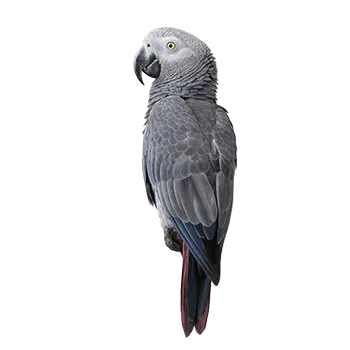
The Timneh African Grey is a medium to large-sized parrot measuring approximately 9 to 11 inches in length from beak to tail tip, making it noticeably smaller than the Congo African Grey. Adults typically weigh between 275 to 375 grams, with males generally being slightly larger than females, though sexual dimorphism is subtle and not reliably used for sexing without DNA testing or surgical sexing. The most distinctive feature of the Timneh is its plumage coloration. The body feathers are a darker charcoal gray compared to the lighter silver-gray of Congo Greys, giving the bird a more uniform, smoky appearance. The tail feathers are a deep maroon or burgundy color, contrasting sharply with the bright red tail of the Congo species. This maroon tail is the easiest way to distinguish a Timneh from a Congo African Grey at a glance. The upper mandible of the Timneh's beak is horn-colored or pinkish-beige with a darker tip, another key distinguishing feature from the all-black beak of the Congo. The lower mandible is typically dark gray to black. The bird's eyes are pale yellow in adults, surrounded by distinctive bare white skin that creates an expressive facial appearance. Juvenile Timnehs have darker gray eyes that gradually lighten to yellow as they mature, usually achieving full adult eye color by 18 months to two years of age. Timneh African Greys have a sturdy, compact build with broad wings and strong, zygodactyl feet (two toes facing forward, two backward) adapted for climbing and manipulating objects. Their overall appearance is sleek and elegant, with individual feathers having a slightly scalloped pattern that becomes more pronounced with age. The wings, when folded, extend nearly to the tail tip. Unlike some parrot species, Timnehs do not have a prominent crest, though they can raise their head feathers slightly when excited or alarmed, creating a subtle change in head profile.

Affection Level
Timneh African Greys form deep, lasting bonds with their primary caregiver and can be quite affectionate with trusted family members. They enjoy head scratches and physical closeness but may be reserved with strangers. These birds tend to be slightly more outgoing than Congo Greys and often show affection through vocalizations and attention-seeking behaviors.
Sociability
These parrots are highly social creatures that thrive on interaction and mental stimulation from their human flock. Timnehs generally adapt well to household routines and enjoy being part of family activities. They can be more accepting of multiple family members compared to Congo Greys, though they still typically bond strongest with one person.
Vocalization
Timneh African Greys are exceptional talkers with clear, human-like voices. They begin speaking earlier than Congo Greys, often around six months to one year old. While not as loud as larger parrots, they can be vocal with whistles, beeps, household sounds, and extensive vocabularies reaching hundreds of words and phrases.
Intelligence
Considered among the most intelligent bird species, Timneh Greys demonstrate remarkable cognitive abilities comparable to a 4-5 year old child. They excel at problem-solving, understand concepts like shape and color, can learn context-appropriate language use, and require constant mental enrichment to prevent boredom and behavioral issues.
Exercise Needs
These active birds require a minimum of 3-4 hours of supervised out-of-cage time daily for flight exercise, climbing, and exploration. They need space to stretch their wings and engage in natural behaviors. Physical activity is essential for maintaining muscle tone, cardiovascular health, and preventing obesity-related health problems.
Maintenance Level
Timneh African Greys are high-maintenance birds requiring daily interaction, cage cleaning, fresh food preparation, and mental stimulation. They produce powder down requiring regular vacuuming and air filtration. Their intelligent nature means they need constant enrichment through toy rotation, training sessions, and social engagement to prevent destructive behaviors.
Trainability
Highly trainable, Timneh Greys excel at learning tricks, commands, and complex behaviors through positive reinforcement. They respond well to clicker training and can master extensive vocabularies, flight recall, and practical skills. Their intelligence means they learn both desired and undesired behaviors quickly, making consistent training essential from an early age.
Independence
Timneh African Greys have low independence and require significant daily attention from their owners. They can develop anxiety, feather plucking, and behavioral problems without adequate interaction. While they can occupy themselves briefly with toys, they prefer companionship and may become demanding if their social needs aren't met consistently.

Natural Habitat & Range

The Timneh African Grey is endemic to the Upper Guinea forests of West Africa, with a range significantly smaller and more westerly than that of the Congo African Grey. Their natural distribution spans Guinea-Bissau, Sierra Leone, southern Guinea, and western portions of Ivory Coast and Liberia. This limited geographic range makes them more vulnerable to habitat loss and collection pressures than their more widespread Congo cousins. In the wild, Timnehs inhabit lowland and montane rainforests, forest edges, mangrove swamps, and wooded savanna regions up to elevations of approximately 2,200 meters. They show a strong preference for areas near water sources and are often found in gallery forests along rivers and streams. The species has adapted to disturbed habitats and can be found in cultivated areas adjacent to forests, where they may feed on agricultural crops, sometimes bringing them into conflict with farmers. The climate throughout their range is tropical, characterized by high humidity, warm temperatures year-round, and distinct wet and dry seasons. During the rainy season, which typically runs from May to October, these forests receive substantial precipitation, while the dry season from November to April sees significantly reduced rainfall. Timnehs have evolved to thrive in consistently warm conditions with temperatures rarely dropping below 65°F or exceeding 95°F. Wild Timneh African Greys are highly social birds that live in flocks ranging from a few pairs to several hundred individuals, depending on food availability and breeding season. They roost communally in tall trees at night, departing at dawn in smaller foraging groups to feed on fruits, nuts, seeds, flowers, and occasionally insects. Their natural diet includes oil palm fruits, which are particularly important in their range. These parrots are known for their loud, raucous calls used to maintain contact between flock members in the dense forest canopy. Conservation status for the Timneh African Grey is currently listed as Endangered by the IUCN Red List due to extensive habitat destruction and decades of unsustainable trapping for the international pet trade. Wild populations have declined dramatically over the past 50 years, with some estimates suggesting reductions of 50-79% in certain areas. The species was added to CITES Appendix I in 2017, prohibiting all international commercial trade in wild-caught birds, which has helped reduce trapping pressure but has not addressed ongoing habitat loss throughout their West African range.

Temperament

Timneh African Greys are renowned for their exceptional intelligence, emotional sensitivity, and complex personalities. These birds are often described as having the cognitive abilities of a 4-5 year old child combined with the emotional needs of a 2-year-old toddler, making them simultaneously fascinating and demanding companions. Their temperament is shaped by their wild ancestry as highly social flock animals with strong pair bonds and complex communication systems. Compared to Congo African Greys, Timnehs are generally considered to be more easygoing, adaptable, and outgoing. They tend to adjust more readily to new situations, people, and environments, making them potentially better choices for households with more activity or multiple family members. However, individual personalities vary significantly, and genetics, early socialization, and handling play crucial roles in determining an adult bird's temperament. Timneh African Greys typically bond very strongly with one or two primary caregivers while remaining cordial with other household members. They are sensitive birds that quickly pick up on their owner's moods and emotions, often mirroring the emotional atmosphere of their environment. This emotional intelligence means they can become anxious or stressed in tense household situations and may respond to owner absences with vocalizations or attention-seeking behaviors. These parrots are naturally cautious and observant, preferring to watch new objects, people, or situations before engaging. This wariness is a survival trait from their wild heritage and should be respected rather than rushed. Proper socialization from a young age helps Timnehs become more confident, but even well-socialized birds may go through a cautious phase during adolescence, typically between 2-4 years of age. In terms of activity patterns, Timneh African Greys are most active during early morning and late afternoon hours, mirroring their natural feeding times in the wild. They tend to be quieter during midday, though captive birds quickly adapt their routines to match their household schedule. These birds require substantial mental stimulation to prevent boredom, which can manifest as feather plucking, excessive vocalization, or aggressive behaviors. The talking ability of Timneh African Greys is legendary in aviculture. They are among the clearest and most prolific talkers in the parrot world, often developing extensive vocabularies of 100-500 words or more. Remarkably, many Timnehs learn to use words in appropriate context, demonstrating understanding rather than mere mimicry. They begin talking earlier than Congo Greys, sometimes as young as six months, though most start between 12-18 months of age. Beyond speech, they excel at mimicking household sounds including phones, doorbells, microwaves, and other family members' voices with uncanny accuracy. Vocalizations include a variety of whistles, clicks, squeaks, and calls used for different purposes. Contact calls are used when separated from flock members and can be quite loud. Excited or alarmed Timnehs may emit piercing shrieks. Understanding and responding appropriately to these vocalizations helps owners meet their bird's emotional and social needs while preventing excessive screaming from developing as an attention-seeking behavior.

Care Requirements

Proper housing and care are critical for the physical and psychological wellbeing of Timneh African Greys. These large, active, intelligent birds require spacious accommodations and extensive out-of-cage time to thrive in captivity. The minimum cage size for a single Timneh should be 36 inches wide by 24 inches deep by 48 inches tall, though larger is always better. The cage should allow the bird to fully extend its wings without touching the sides and provide space for multiple perches, toys, and food dishes at different levels. Bar spacing is crucial for safety and should be no more than 0.75 to 1 inch apart to prevent head entrapment or escape. Horizontal bars on at least two sides of the cage facilitate climbing, which is a natural behavior for these parrots. The cage construction should be powder-coated or stainless steel rather than galvanized metal, as zinc and lead toxicity from inferior cage materials poses serious health risks. Avoid decorative cages with ornate scrollwork that can trap toes or beaks. Cage placement significantly impacts a Timneh's sense of security and stress levels. Position the cage against a wall in a high-traffic area of the home where the bird can observe family activities without being in constant chaos. The cage should be at a height where the perched bird's eyes are at or slightly above human eye level, as birds feel more secure when not positioned too low. Avoid placing cages in kitchens due to toxic cooking fumes, near heating or air conditioning vents, or in direct drafts from windows or doors. Perch variety is essential for foot health and exercise. Provide natural wood branches of varying diameters from bird-safe trees such as manzanita, java wood, or dragonwood. Different perch sizes exercise different muscles and prevent pressure sores. Include at least one rope perch, one grooming perch with slightly abrasive texture for natural nail maintenance, and avoid using sandpaper perches which can cause foot injuries. Position perches at different heights but not directly over food or water dishes. Toy selection and rotation prevent boredom in these highly intelligent birds. Timnehs need foraging toys that challenge them to work for treats, destructible toys they can shred and demolish, puzzle toys for problem-solving, and manipulative toys with moving parts. Rotate toys every 1-2 weeks to maintain novelty and interest. Include natural materials like palm leaves, untreated wood blocks, vegetable-tanned leather strips, and stainless steel bells. Avoid toys with small parts that could be swallowed or long strings that pose entanglement risks. Out-of-cage time is non-negotiable for Timneh African Greys. These birds require a minimum of 3-4 hours daily outside their cage in a safe, bird-proofed area for flight exercise, socialization, and exploration. Establish a play gym or parrot tree separate from the cage where the bird can spend supervised time. Bird-proofing includes covering windows and mirrors to prevent collision injuries, removing toxic plants, securing electrical cords, removing non-stick cookware, and ensuring ceiling fans are off. Safety hazards to avoid include open toilets, pots of water, hot surfaces, other household pets, toxic plants like philodendron and pothos, avocado, chocolate, caffeine, alcohol, and salt. Non-stick cookware containing PTFE/Teflon releases fumes when overheated that are instantly fatal to birds. Scented candles, air fresheners, and aerosol products should never be used near birds. Environmental enrichment strategies include providing foraging opportunities by hiding food in toys or wrapping vegetables in paper, teaching new tricks and words through training sessions, offering safe items to destroy like phone books or cardboard, playing music or leaving a radio on when alone, and creating a consistent daily routine. Timnehs thrive on predictability and structure. Temperature requirements for Timneh African Greys are relatively forgiving, with comfortable ranges between 65-80°F. Avoid sudden temperature fluctuations and protect birds from drafts. Humidity should be maintained around 50-60%, which can be achieved through misting with clean water, providing bathing opportunities, or using a humidifier in dry climates. Lighting should include 10-12 hours of light and 10-12 hours of uninterrupted darkness for proper sleep and hormonal regulation. Full-spectrum UV lighting benefits vitamin D3 synthesis and should be provided for 4-6 hours daily.

Feeding & Nutrition

Proper nutrition is fundamental to the health, longevity, and quality of life of Timneh African Greys. In their natural West African habitat, these parrots consume a varied diet consisting primarily of oil palm nuts and fruits, along with seeds from various trees, flowers, bark, and occasionally insects. This diverse wild diet provides balanced nutrition that must be replicated in captivity through carefully selected foods and supplements. The foundation of a captive Timneh's diet should be high-quality, nutritionally complete pellets that constitute 60-70% of daily intake. Premium pelleted diets are scientifically formulated to provide balanced nutrition, eliminating many deficiencies common in seed-based diets. Choose organic, colored pellets made without artificial dyes. Introduce pellets gradually to birds accustomed to seed diets by mixing them with familiar foods and slowly increasing the pellet ratio over several weeks. Fresh vegetables should comprise 20-25% of the daily diet, offered twice daily and removed after 2-3 hours to prevent bacterial growth. Excellent choices include dark leafy greens (kale, collard greens, dandelion greens), carrots, sweet potatoes, broccoli, bell peppers of various colors, snap peas, squash, and Brussels sprouts. Vegetables provide essential vitamins, minerals, and phytonutrients not found in pellets. Variety is crucial, so rotate through different vegetables to ensure broad nutrient intake and prevent boredom. Fruits should be offered sparingly, comprising no more than 5-10% of the diet due to high sugar content. Safe fruits include apples (remove seeds), berries, papaya, mango, melon, grapes, pomegranate, and banana. While Timnehs often love sweet fruits, excessive consumption contributes to obesity and fatty liver disease. Treat fruits as occasional rewards rather than daily staples. Seeds and nuts should be strictly limited to 5-10% of the diet or used primarily as training rewards. While African Greys naturally consume seeds in the wild, the seeds available in commercial mixes are excessively high in fat and deficient in essential nutrients. A small amount of healthy seeds like chia, flax, or hemp can be beneficial, while nuts like almonds, walnuts, pecans, or Brazil nuts make excellent training treats when offered in moderation. Foods to avoid entirely include chocolate (toxic), avocado (potentially fatal), caffeine, alcohol, salt, sugar, processed foods, onions, garlic in large quantities, and xylitol sweetener. Additionally, avoid high-fat seeds like sunflower seeds as dietary staples, though they can be occasional treats. Never offer fruit pits or apple seeds which contain trace amounts of cyanide compounds. Calcium and mineral supplementation is particularly important for Timneh African Greys, which are prone to hypocalcemia. Provide a calcium source such as a cuttlebone, mineral block, or crushed egg shells. Dark leafy greens are excellent natural calcium sources. Vitamin D3 from UV lighting or supervised outdoor exposure is essential for calcium absorption. Some avian veterinarians recommend periodic calcium supplementation, especially for breeding females. Vitamin supplementation may be necessary depending on diet quality. Birds eating a varied diet of high-quality pellets and fresh foods typically do not require additional vitamins, but those on predominantly seed diets need supplementation. Consult with an avian veterinarian about appropriate supplements, as over-supplementation can be as harmful as deficiency. Never add vitamins to drinking water, as they promote bacterial growth; instead, sprinkle them on moist foods. Water must be fresh, clean, and available at all times. Change water at least twice daily and wash dishes thoroughly to prevent bacterial contamination. Use ceramic, stainless steel, or glass dishes rather than plastic, which can harbor bacteria in scratches. Some owners provide filtered or bottled water to avoid potential contaminants in tap water. Foraging opportunities are essential for mental stimulation and natural behavior expression. Hide food in puzzle toys, wrap vegetables in paper for shredding, scatter seeds in shredded paper for searching, or use commercial foraging devices. Foraging engages a Timneh's problem-solving abilities and provides behavioral enrichment that prevents boredom and associated problems. Rotate foraging methods regularly to maintain challenge and interest.

Timneh African Grey Health & Lifespan

Timneh African Greys can be long-lived, hardy companions when provided with proper care, though they are susceptible to several health conditions that owners must monitor carefully. These intelligent parrots have specific nutritional and environmental requirements that, when unmet, can lead to both physical and psychological health problems. Psittacosis, also known as parrot fever or chlamydiosis, is a bacterial infection caused by Chlamydia psittaci that can affect African Greys and is transmissible to humans. Symptoms include respiratory distress, lethargy, discharge from eyes or nostrils, and lime-green droppings. This condition requires immediate veterinary attention and antibiotic treatment. Aspergillosis, a fungal respiratory infection, is particularly concerning in African Greys and develops when birds inhale spores from moldy food, bedding, or environments with poor air quality. Feather plucking and self-mutilation are significant behavioral health concerns in Timneh African Greys, often resulting from psychological stress, boredom, inadequate socialization, or underlying medical conditions. Once established, this destructive behavior can be extremely difficult to resolve and requires comprehensive evaluation of environmental, social, and medical factors. Psittacine Beak and Feather Disease (PBFD), caused by circovirus, is a fatal viral condition affecting feather and beak development that spreads through feather dust and droppings in aviaries and breeding facilities. Calcium deficiency and hypocalcemia are common problems in African Greys, particularly those fed all-seed diets or lacking adequate vitamin D3 synthesis from UV lighting exposure. Symptoms include trembling, seizures, egg binding in females, and weakness. Fatty liver disease (hepatic lipidosis) develops gradually in birds consuming high-fat seed-based diets lacking vegetables and pellets, causing lethargy, difficulty breathing, and potentially fatal liver failure. Respiratory infections, often bacterial or fungal in origin, occur more frequently in birds kept in drafty, dusty, or poorly ventilated environments. Proper preventive care is essential for maintaining the health of Timneh African Greys throughout their long lifespans. Regular veterinary checkups with an avian veterinarian should occur at least annually for wellness exams, including physical examination, weight monitoring, and potentially blood work to screen for organ function. Proper diet and nutrition form the foundation of disease prevention, with a varied diet of high-quality pellets, fresh vegetables, limited fruits, and appropriate supplements preventing most nutritional deficiencies. Environmental enrichment through varied toys, foraging opportunities, and social interaction prevents stress-related conditions including feather plucking and aggression. Cage cleanliness and regular disinfection of food bowls, perches, and toys prevent the growth of harmful bacteria and fungi. UV lighting or supervised outdoor exposure enables natural vitamin D3 synthesis crucial for calcium absorption and bone health. With appropriate preventive care, varied diet, mental stimulation, and regular veterinary oversight, Timneh African Greys regularly live 40-60 years in captivity, with some individuals reaching 70 years or more. The key to longevity is consistency in care, early detection of health issues through observation of behavior and droppings, and prompt veterinary intervention when problems arise.
Common Health Issues

  • Psittacosis, also known as parrot fever or chlamydiosis, is a bacterial infection caused by Chlamydia psittaci that can affect African Greys and is transmissible to humans.
  • Symptoms include respiratory distress, lethargy, discharge from eyes or nostrils, and lime-green droppings.
  • Aspergillosis, a fungal respiratory infection, is particularly concerning in African Greys and develops when birds inhale spores from moldy food, bedding, or environments with poor air quality.
  • Feather plucking and self-mutilation are significant behavioral health concerns in Timneh African Greys, often resulting from psychological stress, boredom, inadequate socialization, or underlying medical conditions.
  • Psittacine Beak and Feather Disease (PBFD), caused by circovirus, is a fatal viral condition affecting feather and beak development that spreads through feather dust and droppings in aviaries and breeding facilities.
  • Symptoms include trembling, seizures, egg binding in females, and weakness.
  • Fatty liver disease (hepatic lipidosis) develops gradually in birds consuming high-fat seed-based diets lacking vegetables and pellets, causing lethargy, difficulty breathing, and potentially fatal liver failure.
  • Respiratory infections, often bacterial or fungal in origin, occur more frequently in birds kept in drafty, dusty, or poorly ventilated environments.

Preventive Care & Health Monitoring

  • These intelligent parrots have specific nutritional and environmental requirements that, when unmet, can lead to both physical and psychological health problems.
  • Calcium deficiency and hypocalcemia are common problems in African Greys, particularly those fed all-seed diets or lacking adequate vitamin D3 synthesis from UV lighting exposure.
  • Regular veterinary checkups with an avian veterinarian should occur at least annually for wellness exams, including physical examination, weight monitoring, and potentially blood work to screen for organ function.
  • Proper diet and nutrition form the foundation of disease prevention, with a varied diet of high-quality pellets, fresh vegetables, limited fruits, and appropriate supplements preventing most nutritional deficiencies.
  • Environmental enrichment through varied toys, foraging opportunities, and social interaction prevents stress-related conditions including feather plucking and aggression.
  • Cage cleanliness and regular disinfection of food bowls, perches, and toys prevent the growth of harmful bacteria and fungi.

Timneh African Greys can be long-lived, hardy companions when provided with proper care, though they are susceptible to several health conditions that owners must monitor carefully. These intelligent parrots have specific nutritional and environmental requirements that, when unmet, can lead to both physical and psychological health problems. Psittacosis, also known as parrot fever or chlamydiosis, is a bacterial infection caused by Chlamydia psittaci that can affect African Greys and is transmissible to humans. Symptoms include respiratory distress, lethargy, discharge from eyes or nostrils, and lime-green droppings. This condition requires immediate veterinary attention and antibiotic treatment. Aspergillosis, a fungal respiratory infection, is particularly concerning in African Greys and develops when birds inhale spores from moldy food, bedding, or environments with poor air quality. Feather plucking and self-mutilation are significant behavioral health concerns in Timneh African Greys, often resulting from psychological stress, boredom, inadequate socialization, or underlying medical conditions. Once established, this destructive behavior can be extremely difficult to resolve and requires comprehensive evaluation of environmental, social, and medical factors. Psittacine Beak and Feather Disease (PBFD), caused by circovirus, is a fatal viral condition affecting feather and beak development that spreads through feather dust and droppings in aviaries and breeding facilities. Calcium deficiency and hypocalcemia are common problems in African Greys, particularly those fed all-seed diets or lacking adequate vitamin D3 synthesis from UV lighting exposure. Symptoms include trembling, seizures, egg binding in females, and weakness. Fatty liver disease (hepatic lipidosis) develops gradually in birds consuming high-fat seed-based diets lacking vegetables and pellets, causing lethargy, difficulty breathing, and potentially fatal liver failure. Respiratory infections, often bacterial or fungal in origin, occur more frequently in birds kept in drafty, dusty, or poorly ventilated environments. Proper preventive care is essential for maintaining the health of Timneh African Greys throughout their long lifespans. Regular veterinary checkups with an avian veterinarian should occur at least annually for wellness exams, including physical examination, weight monitoring, and potentially blood work to screen for organ function. Proper diet and nutrition form the foundation of disease prevention, with a varied diet of high-quality pellets, fresh vegetables, limited fruits, and appropriate supplements preventing most nutritional deficiencies. Environmental enrichment through varied toys, foraging opportunities, and social interaction prevents stress-related conditions including feather plucking and aggression. Cage cleanliness and regular disinfection of food bowls, perches, and toys prevent the growth of harmful bacteria and fungi. UV lighting or supervised outdoor exposure enables natural vitamin D3 synthesis crucial for calcium absorption and bone health. With appropriate preventive care, varied diet, mental stimulation, and regular veterinary oversight, Timneh African Greys regularly live 40-60 years in captivity, with some individuals reaching 70 years or more. The key to longevity is consistency in care, early detection of health issues through observation of behavior and droppings, and prompt veterinary intervention when problems arise.

Training & Vocalization

Timneh African Greys are among the most trainable parrot species due to their exceptional intelligence, problem-solving abilities, and strong motivation to interact with their human companions. These birds thrive on mental stimulation and readily learn a wide variety of behaviors, tricks, and vocalizations when trained using positive reinforcement methods. Training sessions also strengthen the bond between bird and owner while providing essential mental enrichment. Positive reinforcement training is the most effective and humane approach for working with Timneh African Greys. This method involves rewarding desired behaviors with treats, praise, or attention, thereby encouraging the bird to repeat those behaviors. Never use punishment, yelling, or physical force, which damages trust, increases fear and aggression, and is ineffective for learning. Timnehs are sensitive birds that remember negative experiences and may develop lasting behavioral problems from harsh treatment. Basic training should begin with fundamental behaviors that facilitate safe handling and daily care. Step-up training, where the bird steps onto an offered hand or perch on command, is the foundation of all parrot training and should be the first behavior taught. Once step-up is reliable, train step-down, turning around on command, recall (flying to the owner when called), and station training (going to a designated perch or location). These basic skills make daily interactions smoother and safer for both bird and owner. Trick training provides mental stimulation while showcasing the Timneh's intelligence. These clever parrots can learn to wave, nod yes or no, spin in circles, play dead, retrieve objects, put items in containers, ring bells, and solve increasingly complex puzzles. Break tricks into small, achievable steps and reward each approximation toward the final behavior. Training sessions should be short (5-15 minutes) but frequent, as Timnehs have excellent attention spans for brief periods but become less focused in longer sessions. Clicker training is particularly effective with African Greys. A clicker marks the exact moment a desired behavior occurs, providing clear communication that helps the bird understand precisely what earned the reward. Pair the click sound with immediate treats until the bird associates the click with rewards, then use it to shape new behaviors. Once trained with a clicker, Timnehs can learn complex behavior chains and discriminate between subtle variations in commands. Talking ability is perhaps the most famous characteristic of Timneh African Greys. These exceptional mimics develop extensive vocabularies and, remarkably, often learn to use words in appropriate contexts. Timnehs typically begin talking earlier than Congo Greys, sometimes as young as six months but more commonly between 12-18 months of age. Not all individuals are equally talkative, and males may be slightly more inclined toward speech than females, though exceptions exist. To encourage talking, speak clearly and repeatedly to your Timneh, especially during routine activities like feeding, bathing, or bedtime. Use words in context so the bird associates sounds with actions or objects. Emotional speech with varied inflection attracts more attention than monotone talking. Many Timnehs begin with simple words like their name, hello, bye-bye, or family members' names before progressing to longer phrases. Patience is essential, as some birds are late bloomers who suddenly begin talking at 2-3 years of age. Noise levels and vocalization management are important considerations for Timneh owners. While not as loud as large macaws or cockatoos, Timnehs can be quite vocal, especially during morning and evening periods corresponding to their natural flock calling times. They produce contact calls when separated from their human flock, various whistles and chirps throughout the day, and may scream when excited, alarmed, or seeking attention. They also expertly mimic household sounds including phones, doorbells, microwaves, smoke alarms, and other family members' voices. Preventing excessive screaming requires understanding why birds vocalize and meeting their needs proactively. Ensure adequate sleep (10-12 hours nightly), sufficient out-of-cage time, proper nutrition, and consistent daily routines. Never reward screaming with attention, even negative attention like yelling back. Instead, immediately respond to appropriate vocalizations and calls to teach the bird that quiet communication gets faster responses than screaming. Provide morning greeting time and evening wind-down routines that include vocalization so the bird has appropriate outlets for natural flock calls. Socialization is critical for developing well-adjusted Timneh African Greys. Expose young birds to various people, situations, and environments while ensuring positive experiences. Take the bird on outings in a secure carrier, introduce it to new toys and foods regularly, and invite visitors to interact with the bird under supervision. Proper socialization during the first 2-3 years significantly influences adult temperament and adaptability to change.

Children & Other Pets

Timneh African Greys can be compatible with families that include children, though careful consideration of age appropriateness, supervision requirements, and the bird's individual temperament is essential before making this commitment. These intelligent, sensitive parrots are long-lived animals requiring decades of consistent care, making them significant undertakings for families to consider thoroughly. For families with young children under 8 years old, a Timneh African Grey presents challenges. Young children naturally have high energy, unpredictable movements, and loud voices that can startle or stress these sensitive birds. Additionally, African Greys have strong beaks capable of delivering painful bites when frightened, defensive, or overstimulated. A toddler's face is at beak level when standing near a perched bird, creating injury risk. Furthermore, young children cannot be expected to understand or respect a bird's body language signals indicating stress or discomfort. Families with children aged 8-12 years may successfully keep Timneh African Greys if the children are taught proper interaction techniques, respect the bird's boundaries, and are supervised during all interactions. Children in this age group can participate in feeding, training sessions, and gentle handling while learning responsibility and empathy. However, parents must recognize that primary care responsibility remains with adults, as children's interests and capabilities change over time while the bird requires consistent care for 40-60 years. Teenagers and older children can develop rewarding relationships with Timneh African Greys, potentially taking on significant care responsibilities under adult oversight. These intelligent birds can become fascinating companions for mature young people interested in animal behavior, communication, and training. However, families must plan for the bird's care during college years and life transitions when the young person may not be available for daily care. Supervision is absolutely essential whenever children interact with Timneh African Greys, regardless of the child's age or the bird's temperament. Never leave young children alone with any parrot, as even the gentlest bird may bite if accidentally hurt, frightened, or protecting its territory. Teaching children to read bird body language is crucial. Signs of stress or aggression include pinning eyes (rapidly dilating and contracting pupils), raised feathers on the back of the neck, leaning away, hissing sounds, or lunging with an open beak. Children must learn to respect these warnings and give the bird space. Establishing household rules helps create a safe environment for both children and birds. Children should never approach the cage without permission, never tease or chase the bird, never make sudden movements or loud noises near the bird, always wash hands before and after handling, and never offer food without adult approval. Explain that the bird is a family member deserving of respect and gentle treatment, not a toy to be played with whenever they choose. Interactions between Timneh African Greys and other household pets require extreme caution and should never occur unsupervised. Dogs and cats are natural predators with instinctive prey drives that can activate suddenly, even in pets that normally seem uninterested in birds. A single moment of predatory behavior can be fatal to a bird. Conversely, African Greys have powerful beaks and may injure curious pets approaching their cage. Some Timnehs develop intense fear of certain pets, while others may tease dogs or cats, creating dangerous situations. If the household includes dogs or cats, strict separation protocols must be maintained. The bird should be housed in a room where pets cannot access the cage, even when the owner is not present. Out-of-cage time should occur in a separate, pet-free room with closed doors. Never allow pets and birds to interact directly, regardless of how well-behaved the pets appear. Many tragic accidents occur when owners became complacent about safety after periods of seemingly peaceful coexistence. Small pets like rabbits, guinea pigs, hamsters, or ferrets should similarly be kept completely separated from Timneh African Greys. These animals can frighten the bird with their movements, and the bird's vocalizations may stress small prey animals. Additionally, diseases can sometimes be transmitted between species through close contact or shared environments. Other birds may be compatible with Timneh African Greys depending on individual personalities, though African Greys are not typically flock birds in captivity and often bond exclusively with their human caregiver. Housing multiple birds together requires careful introduction, adequate space, and monitoring for aggression or bullying. Some Timnehs prefer to be only birds, while others accept or enjoy avian companions. Breeding pairs are an exception, as bonded pairs require specialized care and housing separate from the family living space.