Society Finch

Society Finch
📸 Photo Gallery Coming Soon

Furry Critter Network Etsy Shop

Quick Facts

🔬 Scientific Name
Lonchura striata domestica
🦜 Bird Type
Finch
📊 Care Level
Beginner
😊 Temperament
Peaceful, Social, Gentle
📏 Adult Size
4-4.5 inches
⏱️ Lifespan
5-7 years
🔊 Noise Level
Quiet
🗣️ Talking Ability
None
🍽️ Diet Type
Seed-based
🌍 Origin
Domesticated (no wild population)
🏠 Min Cage Size
24x18x18 inches (pair)
📐 Size
Small

Society Finch - Names & Recognition

The Society Finch, scientifically designated as Lonchura striata domestica, is unique among commonly kept pet birds as it is a fully domesticated species that exists only in captivity with no wild counterpart. The common name Society Finch derives from their intensely social, gregarious nature and their need for constant companionship with their own kind. These birds cannot thrive alone and must be kept in social groups, earning them their name that emphasizes their requirement for society. The name perfectly captures their defining characteristic as among the most social and peaceful of all finch species. An alternative common name, Bengalese Finch, reflects the geographic origin of their domestication. The species was developed through selective breeding in Japan and China, likely beginning 250-300 years ago, though some sources suggest even earlier origins. Despite the name Bengalese suggesting an Indian connection, the name may derive from early European ornithologists' confusion about the birds' Asian origins, or from the White-rumped Munia (Lonchura striata), which occurs in India and is likely one of the ancestral wild species involved in creating the domestic Society Finch. The name Bengalese Finch remains common particularly in European aviculture. The scientific designation Lonchura striata domestica reflects the species' taxonomic relationship to the genus Lonchura, which includes the munias and mannikins - small seed-eating finches of Asia and the Indo-Pacific region. The species name striata means striped, referencing the wild White-rumped Munia (Lonchura striata), believed to be the primary ancestral species. The subspecies designation domestica indicates this is a domesticated form distinct from wild populations. The exact parentage of Society Finches remains debated, with most authorities believing they derive primarily from the White-rumped Munia possibly with genetic contributions from other Lonchura species through hybridization and selective breeding over centuries. In aviculture and among finch enthusiasts, Society Finches are sometimes simply called Societies or abbreviated as SF. The species' long history in captivity has resulted in numerous color varieties including self (solid) whites, selfs browns, chocolate, fawn, dilutes, and various pied patterns combining white with brown or other colors. These color morphs are named descriptively as White Society Finch, Chocolate Society Finch, Pied Society Finch, and so forth, but all represent color varieties of the single domesticated species rather than separate species or subspecies. Unlike most pet birds that are captured from or bred from wild populations, Society Finches have been domesticated for so long that they have no wild population to return to and could not survive if released. They are arguably the avian equivalent of domestic goldfish - completely dependent on human care for their continued existence. This unique status as a purely domestic species means there are no conservation concerns about wild populations, and all Society Finches in existence today are products of captive breeding maintained through aviculture. The species' development through selective breeding focused on docility, breeding readiness, and parenting abilities rather than appearance, creating birds that are exceptionally tame, peaceful, and devoted parents willing to incubate and raise eggs and chicks of other finch species. This makes them invaluable as foster parents in breeding programs for rare or difficult finch species. Their fostering abilities have made them essential tools in conservation breeding efforts for endangered finches.

Society Finch Physical Description

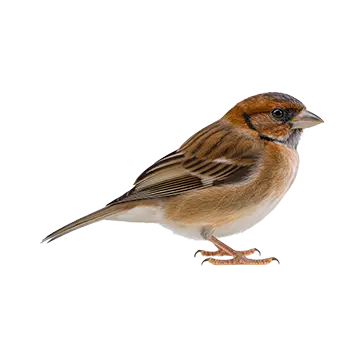
The Society Finch is a small, compact finch measuring approximately 4 to 4.5 inches (10 to 11.5 centimeters) in total length from bill tip to tail end, similar in size to other small grass finches. The tail accounts for roughly one-third of the total length. Adults typically weigh between 11 to 17 grams (approximately 0.4 to 0.6 ounces), making them lightweight, delicate birds requiring gentle handling if handling becomes necessary. Their build is rounded and stocky compared to some more streamlined finch species, giving them a somewhat chunky, cute appearance. Unlike most bird species with consistent natural plumage, Society Finches display remarkable variation in coloration and pattern due to centuries of selective breeding creating numerous color morphs. There is no single standard appearance, with colors ranging from pure white to dark chocolate brown and numerous patterns in between. This diversity is one of the species' interesting characteristics, with different breeders specializing in particular color varieties. The most common color varieties include self (solid) colors such as pure white birds with no markings, solid brown ranging from light fawn to dark chocolate, and solid black (actually very dark brown). Pied patterns combining white with brown, chocolate, or fawn in various ratios and distributions are extremely common and popular. The pied patterns can range from mostly white with small brown patches to mostly brown with white splashes, with infinite variations in between. Each pied bird has unique markings making them individually distinguishable. Brown varieties show warm, rich chocolate to fawn coloring across the body with slightly paler underparts. The intensity of brown varies from light tan to deep chocolate. Some brown birds show subtle darker scaling on the back and wings, remnants of the ancestral wild-type striped pattern. Fawn varieties display softer, diluted brown tones creating a gentle appearance. Chocolate varieties show deep, rich brown coloring that appears almost black in certain lighting. White varieties are pure white or cream-white throughout with no markings, though some may show very faint buff tones on certain body areas. The white coloring is attractive and popular, though pure whites can be harder to breed consistently due to color genetics. All color varieties share similar structural features regardless of color pattern. The head is rounded with relatively large, dark eyes creating an alert, gentle expression. The bill is thick, conical, and silver-gray to bluish-gray, adapted for crushing small seeds. Both sexes possess identical bill coloration making it unreliable for sexing. The bill's size and shape are characteristic of seed-eating finches. The body is compact and well-rounded with a full breast and slightly hunched posture typical of munia-type finches. The wings are relatively short and rounded, adapted for quick, darting flights over short distances rather than sustained long-distance flight. The tail is relatively short and slightly wedge-shaped when spread, proportional to the body and not particularly distinctive. The legs and feet are pale pinkish-flesh to gray, very delicate and fine, typical of small finches. Sexual dimorphism in Society Finches is virtually non-existent, with males and females appearing identical in plumage, size, structure, and bill coloration regardless of color variety. Visual sexing is impossible through physical examination. The only reliable way to distinguish sexes is through behavior, with males performing courtship displays including song (soft chirping and warbling accompanied by hopping and bowing), courtship dances, and carrying nesting material. Females do not sing and do not perform courtship displays. Outside breeding season when males are not actively displaying, determining sex is essentially impossible without observing breeding behaviors or through DNA testing, which is rarely performed for such inexpensive, common birds. Juvenile Society Finches appear similar to adults in their respective color varieties but show slightly duller, less defined coloring with softer feather textures. Young birds have dark bills that gradually lighten to adult silver-gray coloring over several weeks. The transition to adult plumage occurs gradually, with birds achieving full adult appearance by 8-12 weeks of age. Young birds raised by parents may show some differences in behavior and boldness compared to hand-raised birds, though all remain fundamentally shy of humans.

Affection Level
Society Finches do not form bonds with humans and are not affectionate toward their keepers. They are strictly observational pets that form intense social bonds exclusively with other finches. They do not seek or enjoy human interaction and remain naturally shy despite generations of domestication. Their appeal lies in watching their charming social interactions with cage mates rather than any form of hands-on interaction with people.
Sociability
Exceptionally social birds that absolutely must be kept in pairs or groups, never as solitary individuals. Society Finches form tight-knit social groups, engage in constant interactions, huddle together for comfort, and become distressed when isolated. Their name derives from their intensely social nature. They are among the most peaceful finches, thriving in mixed-species aviaries and coexisting harmoniously with virtually any gentle species. Solitary birds suffer severe psychological distress.
Vocalization
Very quiet birds with soft, gentle calls that are barely noticeable. Males produce simple, quiet songs consisting of soft chirps and warbles during courtship. Their vocalizations are so subtle they add only gentle background ambiance without ever being loud or intrusive. They are ideal for apartments, noise-sensitive situations, and people who want birds without noise concerns. Their quietness is one of their most appealing characteristics for many keepers.
Intelligence
Society Finches possess basic intelligence typical of small finches, sufficient for recognizing routines, navigating their environment, and building elaborate nests. They are not problem-solvers or trainable but show good instinctual behaviors particularly related to breeding and parenting. Their intelligence manifests through excellent parenting skills, including fostering other species' eggs and chicks successfully, demonstrating adaptive caregiving abilities despite their domesticated origin.
Exercise Needs
Active birds requiring adequate space for flight and constant movement throughout the day. Society Finches are continuously active, hopping, flying short distances, and engaging in social activities with flock mates. They need flight cages allowing proper wing exercise rather than small cages permitting only hopping. Regular flight maintains health, prevents obesity, and supports their naturally energetic disposition. Insufficient space compromises their physical and psychological wellbeing.
Maintenance Level
Very low-maintenance birds requiring only basic daily care including fresh food and water, weekly cage cleaning, and occasional observation. They are among the most undemanding pet birds, needing no training, minimal human interaction, and straightforward care routines. Their hardiness, adaptability, and forgiving nature make them ideal for beginners or people wanting attractive birds without substantial time commitment. Their small size creates minimal mess and simplifies cleaning.
Trainability
Society Finches are not trainable in any traditional sense and should not be expected to learn tricks, respond to commands, or interact with handlers. They are strictly hands-off birds meant to be observed rather than handled. They may become accustomed to routine feeding times but remain fundamentally shy and stressed by handling attempts. Their value lies entirely in their natural beauty, social behaviors, and breeding capabilities rather than interactive potential.
Independence
Highly independent from humans, requiring no attention or interaction beyond basic care provision. Society Finches are completely self-sufficient once provided with proper housing, appropriate diet, and critically, companionship with their own species. They entertain themselves through natural behaviors and social interactions with cage mates without needing or wanting human involvement. This independence makes them perfect for people wanting attractive, active birds to observe without time-consuming interactive demands.

Natural Habitat & Range

The Society Finch has no natural habitat or wild range, as it is a completely domesticated species that exists only in captivity. This unique status distinguishes Society Finches from virtually all other commonly kept pet bird species, which either exist as wild populations or are bred from wild-caught ancestors. Society Finches have been maintained in captivity for an estimated 250-300 years or possibly longer, with no wild population existing anywhere in the world. They are the avian equivalent of fancy goldfish or domestic pigeons - products of human selective breeding maintained only through continued captive reproduction. The ancestral origin of Society Finches lies in Asia, specifically Japan and China, where they were developed through selective breeding programs. The exact details of their creation remain somewhat mysterious, as comprehensive records from the early domestication period do not exist. Most experts believe Society Finches were developed primarily from the White-rumped Munia (Lonchura striata), a wild species native to India, Bangladesh, Nepal, Sri Lanka, and parts of Southeast Asia. This wild ancestor inhabits grasslands, agricultural areas, forest edges, and scrublands across its range, feeding on grass seeds and living in small flocks. The White-rumped Munia, the likely primary ancestor, occupies tropical and subtropical habitats in South and Southeast Asia characterized by warm temperatures, seasonal rainfall patterns with distinct wet and dry seasons, and abundance of seeding grasses. Wild White-rumped Munias are common birds adapting well to human-modified landscapes including rice paddies, villages, and cultivated areas. They are small, brown, streaked finches that live in flocks, forage on grass seeds, and build dome-shaped nests - all characteristics inherited by their domestic descendants. Some genetic evidence and historical accounts suggest that other Lonchura species may have contributed to Society Finch development through hybridization and subsequent selective breeding. Possible contributors include the Scaly-breasted Munia (Lonchura punctulata) and possibly other Asian munia species, though the White-rumped Munia appears to be the primary ancestor. Centuries of selective breeding in captivity have created birds that differ significantly from their wild ancestors in coloration, temperament, and behavior while retaining the basic body structure and habits of wild munias. The domestication process focused on selecting for increased docility, reduced fear of humans, enhanced breeding readiness, and superior parenting abilities including willingness to foster eggs and chicks of other species. These traits made Society Finches valuable as breeding birds and foster parents, driving continued selection for these characteristics. Color variations emerged through mutation and selective breeding, creating the diverse color varieties available today. Unlike the wild-type brown streaked pattern of ancestral species, domestic Society Finches show solid colors and pied patterns that would not survive in nature due to increased visibility to predators. Society Finches were imported to Europe and North America in the 19th and early 20th centuries, quickly becoming popular in aviculture due to their hardiness, peaceful temperament, breeding readiness, and fostering abilities. They spread globally through the cage bird trade and are now available worldwide wherever finch keeping is practiced. Their complete adaptation to captivity means they require no special environmental considerations beyond basic indoor housing - they are as domestic as chickens or domestic ducks. The species' domestic nature means they would not survive if released into the wild. Unlike some domestic species that can revert to feral existence, Society Finches lack the wild instincts, coloration, and survival skills necessary for independent life. They are dependent on human care for food, protection, and housing. Their bright white and pied colorations would make them highly visible to predators, while their reduced fear response would make them vulnerable. Attempted releases would result in quick predation or starvation. The complete domestication of Society Finches eliminates conservation concerns about wild populations, as none exist. All Society Finches alive today are products of captive breeding, maintained through continued aviculture. This unique status means keeping Society Finches has no impact on wild bird populations, making them ethically uncomplicated pets from a conservation standpoint. Their existence is entirely dependent on human interest in maintaining them through breeding.

Temperament

Society Finches possess exceptionally gentle, peaceful, and accommodating temperaments making them among the easiest and most pleasant finches to keep in captivity. These thoroughly domesticated birds lack the wariness and defensive behaviors of wild species, replacing them with calm acceptance of captivity and humans. Their temperament has been shaped by centuries of selective breeding for docility and cooperative behavior, creating birds that are remarkably easy-going and adaptable while remaining fundamentally non-interactive with humans. Peacefulness and gentleness are perhaps the most defining characteristics of Society Finch temperament. These birds are extraordinarily non-aggressive, showing virtually no territorial or defensive behaviors even during breeding season. They are among the most peaceful of all finch species, making them ideal for mixed-species aviaries where they coexist harmoniously with almost any other gentle species. Society Finches rarely if ever fight among themselves or with other birds, avoiding conflict through submission and retreat. Even multiple males in breeding condition typically coexist peacefully, though providing adequate space and nest sites prevents the rare disputes that might occur. This exceptional gentleness makes them perfect community birds. Social bonding and flock cohesion are essential elements of Society Finch temperament, reflected in their common name emphasizing their social nature. These birds are intensely social, forming tight-knit groups where individuals maintain constant contact through soft vocalizations, physical proximity, and mutual preening. Bonded pairs remain inseparable, sitting pressed together, preening each other continuously, and coordinating all activities. Groups of Society Finches huddle together on perches, sleep in contact with each other, and show obvious distress when separated from their companions. This intense sociality means Society Finches must never be kept alone - solitary individuals become stressed, develop behavioral problems, stop eating, and may die from loneliness. They need other Society Finches or at the very least other finch species for companionship. Shyness toward humans persists despite centuries of domestication. Society Finches remain naturally cautious and reserved around people, viewing humans as benign but maintaining distance. They do not bond with humans, seek interaction, or enjoy handling. New birds may be quite nervous initially, though they adjust to captive conditions more readily than wild-caught species. With patient, consistent care, they become comfortable enough to continue normal activities while their keeper is present but never truly tame or affectionate toward people. They are strictly observational pets appreciated for their beauty and social interactions with cage mates rather than any interactive relationship with humans. Activity levels are high and constant throughout daylight hours. Society Finches are busy, energetic birds always in motion - hopping between perches, flying short distances, foraging on cage floors, preening themselves and companions, building and maintaining nests, and engaging in social interactions. They rarely sit still except during midday rest periods or at night. This constant activity is healthy and entertaining to watch. Inactive or lethargic Society Finches warrant attention as potential illness indicators. Vocal behavior in Society Finches is characterized by soft, gentle sounds that never become loud or intrusive. Males produce simple courtship songs consisting of soft chirps, whistles, and trills during breeding displays. These songs are barely audible beyond a few feet and pleasant rather than annoying. Both sexes produce soft contact calls maintaining flock cohesion. The overall sound level is so low that many people barely notice their Society Finches vocally even in quiet rooms. This quietness makes them ideal for apartments and noise-sensitive situations. Breeding readiness and parenting excellence are temperamental traits that distinguish Society Finches. These birds breed readily in captivity, with pairs often attempting to nest continuously if conditions permit. Both parents participate fully in nest building, incubation, and chick rearing, showing devoted parenting behaviors. Most remarkably, Society Finches readily accept and raise eggs and chicks of other finch species, serving as foster parents with enthusiasm equal to raising their own offspring. This fostering ability makes them invaluable in aviculture for breeding rare or difficult species. Pairs will incubate foreign eggs, feed foster chicks, and raise them successfully to independence without discrimination. Adaptability and hardiness contribute to Society Finches' reputation as beginner-friendly birds. They tolerate reasonable variations in temperature and humidity, adapt to various cage setups and diets, and generally maintain good health with basic care. They are forgiving of beginner mistakes that might stress more delicate species, recovering well from minor husbandry lapses. This resilience makes them ideal first finches for people learning aviculture. Curiosity about their environment is moderate. Society Finches investigate new items in their cage with some caution but adapt relatively quickly to changes. They are not as skittish as some wild-caught species but not as bold as some domesticated species. Providing varied perches, safe plants, and environmental complexity encourages natural exploratory behaviors that are interesting to observe. The overall appeal of Society Finch temperament lies in their combination of peaceful gentleness, intense social behaviors with cage mates, complete lack of aggression, hardiness, breeding readiness, and fostering abilities. They are perfect for beginners wanting easy-care, peaceful birds, and valuable for experienced breeders needing reliable foster parents.

Care Requirements

Proper housing and care for Society Finches is straightforward and undemanding compared to parrots or even many other pet birds, making them ideal for beginners or anyone wanting attractive, low-maintenance avian companions. Their hardy nature, adaptability, and forgiving disposition mean they thrive with basic appropriate care consistently applied throughout their 5-7 year lifespan. Cage size for Society Finches must prioritize horizontal flight space rather than vertical height, as these are horizontal fliers benefiting from flying back and forth across their enclosure rather than climbing vertically like parrots. For a pair, the absolute minimum cage dimensions should be 24 inches long by 18 inches wide by 18 inches high, though larger cages measuring 30-36 inches or more in length are recommended and more appropriate for their active nature. The critical dimension is length, providing adequate horizontal flight distance. For colonies of 4-8 birds, provide proportionally larger cages or small indoor aviaries. Flight cages specifically designed for finches and canaries work excellently for Society Finches. Bar spacing must be appropriate for tiny finches, typically 0.375 to 0.5 inches (approximately 10-13mm) apart, preventing escapes and head entrapment. Wider spacing allows these small birds to slip through easily, while very narrow spacing can trap delicate feet or toes. Horizontal bars facilitate climbing though Society Finches are not particularly acrobatic. Cage construction should be powder-coated metal or stainless steel for easy cleaning and disinfection. Avoid decorative cages with ornate features difficult to clean or potentially hazardous. Cage placement requires consideration of their peaceful, social nature. Position the cage in a moderately active area where birds can observe household activities without being in the center of chaos. Avoid high-traffic locations with constant commotion but don't isolate them in rarely-used rooms. The cage should be elevated to table height or higher, as finches feel more secure when not at vulnerable ground level. Provide good lighting but avoid direct continuous sunlight causing overheating. Keep cages away from drafts from windows, doors, or HVAC vents, and far from kitchens due to toxic cooking fumes particularly from non-stick cookware. Perch selection and placement is important for foot health and flight opportunities. Provide multiple natural wood perches of varying diameters from approximately 0.25 to 0.375 inches to exercise different foot muscles and prevent pressure sores. Position perches at different heights and spacing encouraging flight between them rather than only hopping. Include at least one grooming perch with slightly abrasive texture for natural nail maintenance. Avoid sandpaper perches causing foot injuries. Natural branches from safe trees like apple, willow, or birch provide varied textures. Replace perches as they become soiled. Substrate options for cage bottoms include newspaper, paper towels, corn cob bedding, or commercial liners changed daily or every other day. Avoid cedar or pine shavings releasing potentially toxic aromatic oils. Some keepers prefer bare trays for easiest cleaning and droppings observation. Maintaining substrate cleanliness prevents bacterial growth and illness. Food and water dish placement requires providing multiple locations preventing competition in colonies. Use small dishes appropriately sized for finches, positioned away from perches preventing fecal contamination. Provide at least two seed dishes and two water sources in different locations. Replace food daily, removing dishes and blowing away empty seed hulls before refilling. Replace water daily minimum. Use ceramic, stainless steel, or sturdy plastic dishes easily cleaned. Bathing opportunities should be provided several times weekly. Offer shallow dishes of clean water (maximum 0.5 inches deep) placed on cage floors or attached finch baths hung on doors. Most Society Finches bathe enthusiastically, splashing and fluttering. Remove bath dishes after bathing preventing drinking of dirty water. Nesting accommodations for breeding pairs or colonies include providing finch nest boxes, wicker nests, or other enclosed nesting sites if breeding is desired. Provide nesting materials including coconut fiber, dried grasses, and soft materials. Society Finches are enthusiastic builders constructing elaborate dome-shaped nests. If breeding is not desired, simply don't provide nesting sites or materials, though some pairs may attempt nests with any available materials. Environmental enrichment includes providing natural branches with safe foliage, varying perch positions periodically, offering spray millet as occasional treats providing foraging enrichment, including safe potted plants if space allows, and maintaining small groups rather than just pairs when possible. They are not toy-oriented but appreciate environmental complexity. Temperature requirements for Society Finches are flexible due to their domestic adaptability. They are comfortable at room temperatures from 65-80°F and tolerate reasonable variations. Protect from drafts, sudden changes, and prolonged temperatures below 60°F or above 85°F. Humidity levels are not critical, adapting to typical indoor conditions. Lighting requirements include 12-14 hours of light and 10-12 hours of darkness daily mimicking natural photoperiods. Natural daylight is ideal, supplemented with artificial lighting if needed. Avoid continuous 24-hour lighting disrupting natural rhythms. Cover cages at night if household lighting might disturb sleeping. Cleaning protocols involve daily spot-cleaning of droppings and food waste, daily substrate changes if using paper, fresh food and water daily, weekly thorough cleaning of entire cage including all surfaces with bird-safe disinfectant followed by complete rinsing, and monthly deep cleaning including soaking and scrubbing all components. Maintaining cleanliness prevents disease and creates healthy environments.

Feeding & Nutrition

Proper nutrition for Society Finches follows the straightforward dietary pattern appropriate for small seed-eating finches. These primarily granivorous birds thrive on simple seed-based diets supplemented with fresh foods, making their nutritional requirements easy to meet with basic attention to variety and quality throughout their 5-7 year lifespan. The foundation of a captive Society Finch diet should be a high-quality finch seed mix containing various small grass seeds appropriate for small finches. Commercial finch mixes typically include white millet, yellow millet, panicum millet, canary seed, and various other small grass seeds. Choose premium mixes from reputable manufacturers, avoiding products with excessive dust, debris, filler seeds, or stale ingredients indicating age or poor storage. The seed mix should constitute approximately 70-80% of daily intake. Store seed in airtight containers in cool, dry locations preventing spoilage, insect infestation, and mold. Check stored seed regularly for deterioration signs. Fresh greens should be offered daily as essential vitamin and mineral sources, particularly vitamin A and calcium. Appropriate greens include chickweed (a favorite), dandelion greens, lettuce (dark leafy varieties like romaine, never nutritionally poor iceberg), spinach in moderation, kale, Swiss chard, fresh grass seedheads, and sprouted seeds. Wash greens thoroughly removing pesticides and contaminants. Offer greens in separate dishes or clipped to cage bars. Remove wilted or uneaten greens after a few hours preventing spoilage and bacterial growth. Protein supplementation becomes particularly important during breeding season when parents require additional nutrition for egg production and feeding growing chicks. Provide hard-boiled eggs finely chopped including crushed shell for calcium, commercial egg food formulated for finches, or live foods like fruit flies or micro crickets if available. During non-breeding periods, offer protein sources once or twice weekly. Breeding pairs actively feeding chicks require daily protein supplementation. Calcium supplementation is absolutely essential, particularly for breeding females requiring substantial calcium for egg shell formation. Provide cuttlebone, mineral block, or crushed oyster shell available at all times. Females instinctively increase calcium consumption before laying. Calcium deficiency leads to soft-shelled eggs, egg binding, and death, making supplementation critical for breeding birds. Grit provision remains debated. Some experts recommend small amounts of soluble grit (crushed oyster shell) providing calcium while potentially aiding digestion, while others suggest seed-eating finches don't require grit. If offering grit, provide it in separate small dishes allowing self-regulation rather than mixing throughout substrate. Never provide large amounts of insoluble grit potentially causing crop impaction. Water must be fresh, clean, and available at all times. Change water daily minimum, more frequently if soiled. Use clean water (tap water is generally acceptable if not heavily chlorinated; allow standing for chlorine dissipation or use filtered water). Provide water in multiple dishes or bottles ensuring all birds can access it. Clean containers daily with hot water and weekly with bird-safe disinfectant followed by thorough rinsing. Foods requiring complete avoidance include avocado (toxic), chocolate, caffeine, alcohol, excessive salt, sugar, onions, and garlic. Avoid seed mixes containing large seeds inappropriate for tiny finches like sunflower or safflower. Never offer spoiled, moldy, or stale foods causing serious illness or death. Treats and supplements include spray millet, which Society Finches love and which provides foraging enrichment, offered 2-3 times weekly in limited amounts preventing obesity. Occasional tiny seeds like poppy, sesame, or chia provide variety. Commercial finch vitamin supplements can be added to water following package directions, though healthy finches eating varied diets typically don't require additional supplementation. Avoid over-supplementation as harmful as deficiency. Feeding schedule and routine involves checking seed dishes daily by removing dishes, blowing away empty hulls finches leave while eating (critical as birds can starve with dishes full of only empty shells), and refilling with fresh mix. This daily hull removal is absolutely essential. Fresh greens should be offered daily and removed after a few hours. Water should be changed daily minimum. Consistent routines help maintain health and breeding condition. Weight monitoring in small finches is challenging but can be assessed through body condition observation. Healthy Society Finches should have slightly rounded breasts with keel bones just barely palpable but not prominent. Very prominent keels indicate underweight condition requiring increased food, while completely obscured keels suggest obesity requiring dietary adjustment and increased exercise opportunities.

Society Finch Health & Lifespan

Society Finches are generally hardy, robust birds maintaining good health with proper care, regularly achieving lifespans of 5-7 years in captivity with some individuals living slightly longer under optimal conditions. Their domestication and selection for hardiness over centuries has created resilient birds more adaptable and forgiving than many wild-caught species. However, their small size and delicate physiology make them vulnerable to certain health conditions requiring vigilant observation and prompt intervention when problems arise. Air sac mites, microscopic parasites infesting the respiratory system, can affect Society Finches causing respiratory symptoms including open-mouth breathing, clicking or wheezing sounds during respiration, tail bobbing with each breath, voice loss or changes, and progressive weakness without treatment, requiring ivermectin or other avermectin-based antiparasitic medications administered by veterinarians. Scaly face and leg mites caused by Knemidokoptes parasites create crusty, scaly, proliferative growths on the beak, cere, legs, feet, and occasionally around eyes, causing discomfort, potential beak deformities, and disfigurement without treatment, requiring topical or systemic ivermectin or similar medications. Enteritis and other bacterial infections of the digestive tract occur in birds kept in unsanitary conditions, causing diarrhea, watery or discolored droppings, fluffed feathers, lethargy, sitting hunched on cage floors, and weight loss, requiring veterinary diagnosis and appropriate antibiotic therapy based on culture results. Egg binding, where a female cannot expel a formed egg, can affect breeding female Society Finches particularly those with calcium deficiency, obesity, oversized eggs, or first-time layers, representing a life-threatening emergency requiring immediate veterinary intervention with supportive care, warmth, calcium administration, and sometimes manual egg extraction. Overgrown nails and beaks develop in captive finches without adequate abrasive surfaces for natural wear, requiring careful trimming by experienced handlers to prevent injury from improper technique on these tiny, delicate birds. Obesity can develop in Society Finches provided with excessive fatty seeds without adequate flight space for exercise, predisposing to fatty liver disease and other complications. Injuries from flying into cage walls, attacks from aggressive cage mates though rare in this species, or predator attempts including household cats require immediate veterinary attention and protected recovery environment away from stressors. Preventive care forms the essential foundation for maintaining Society Finch health throughout their lives. Regular observation and daily monitoring for subtle illness signs including fluffed feathers, reduced activity, changes in droppings, decreased appetite, respiratory symptoms, or altered behavior allows early intervention before conditions become critical emergencies. Proper diet and nutrition with quality finch seed mixes, daily fresh greens, calcium supplementation through cuttlebone or mineral blocks particularly for breeding females, occasional protein sources especially during breeding season, and fresh water prevents nutritional deficiencies supporting immune function and overall health. Cage cleanliness with daily removal of waste and spoiled food, weekly thorough cleaning and disinfection of entire cage including all surfaces and accessories, and appropriate substrate management prevents bacterial, parasitic, and fungal infections that flourish in unsanitary conditions. Environmental management including protection from drafts and temperature extremes, appropriate temperature maintenance between 65-80°F, adequate ventilation, and moderate humidity supports respiratory health and prevents stress-related illness. Quarantine protocols for new birds with minimum 30-day isolation before introducing to established collections prevents disease transmission to healthy birds and allows health observation and veterinary clearance. Annual wellness examinations with avian veterinarians experienced with finches, while uncommon for inexpensive birds, can detect subclinical problems early and provide personalized care recommendations. The critical importance of early illness recognition cannot be overstated for small finches. The common saying in aviculture that 'a sick bird is a dead bird by tomorrow' reflects the rapid deterioration small birds experience when ill. Society Finches have minimal physiological reserves, and delays in treatment often result in death regardless of veterinary intervention. Any bird showing fluffed feathers, lethargy, sitting on the cage floor, labored breathing, or other illness signs requires immediate veterinary attention without delay. With consistent appropriate care including proper housing emphasizing flight space, balanced diet, clean environment, protection from temperature extremes and predators, and prompt attention to health concerns, Society Finches typically enjoy good health throughout their 5-7 year lifespan. Their hardiness and adaptability make them forgiving of minor care lapses, though this does not excuse poor husbandry. Their resilience contributes to their reputation as excellent beginner finches, tolerating learning curves that might prove fatal to more delicate species.

Common Health Issues

  • Air sac mites, microscopic parasites infesting the respiratory system, can affect Society Finches causing respiratory symptoms including open-mouth breathing, clicking or wheezing sounds during respiration, tail bobbing with each breath, voice loss or changes, and progressive weakness without treatment, requiring ivermectin or other avermectin-based antiparasitic medications administered by veterinarians.
  • Scaly face and leg mites caused by Knemidokoptes parasites create crusty, scaly, proliferative growths on the beak, cere, legs, feet, and occasionally around eyes, causing discomfort, potential beak deformities, and disfigurement without treatment, requiring topical or systemic ivermectin or similar medications.
  • Egg binding, where a female cannot expel a formed egg, can affect breeding female Society Finches particularly those with calcium deficiency, obesity, oversized eggs, or first-time layers, representing a life-threatening emergency requiring immediate veterinary intervention with supportive care, warmth, calcium administration, and sometimes manual egg extraction.
  • Obesity can develop in Society Finches provided with excessive fatty seeds without adequate flight space for exercise, predisposing to fatty liver disease and other complications.
  • Regular observation and daily monitoring for subtle illness signs including fluffed feathers, reduced activity, changes in droppings, decreased appetite, respiratory symptoms, or altered behavior allows early intervention before conditions become critical emergencies.
  • Environmental management including protection from drafts and temperature extremes, appropriate temperature maintenance between 65-80°F, adequate ventilation, and moderate humidity supports respiratory health and prevents stress-related illness.

Preventive Care & Health Monitoring

  • Egg binding, where a female cannot expel a formed egg, can affect breeding female Society Finches particularly those with calcium deficiency, obesity, oversized eggs, or first-time layers, representing a life-threatening emergency requiring immediate veterinary intervention with supportive care, warmth, calcium administration, and sometimes manual egg extraction.
  • Proper diet and nutrition with quality finch seed mixes, daily fresh greens, calcium supplementation through cuttlebone or mineral blocks particularly for breeding females, occasional protein sources especially during breeding season, and fresh water prevents nutritional deficiencies supporting immune function and overall health.
  • Cage cleanliness with daily removal of waste and spoiled food, weekly thorough cleaning and disinfection of entire cage including all surfaces and accessories, and appropriate substrate management prevents bacterial, parasitic, and fungal infections that flourish in unsanitary conditions.
  • Annual wellness examinations with avian veterinarians experienced with finches, while uncommon for inexpensive birds, can detect subclinical problems early and provide personalized care recommendations.

Society Finches are generally hardy, robust birds maintaining good health with proper care, regularly achieving lifespans of 5-7 years in captivity with some individuals living slightly longer under optimal conditions. Their domestication and selection for hardiness over centuries has created resilient birds more adaptable and forgiving than many wild-caught species. However, their small size and delicate physiology make them vulnerable to certain health conditions requiring vigilant observation and prompt intervention when problems arise. Air sac mites, microscopic parasites infesting the respiratory system, can affect Society Finches causing respiratory symptoms including open-mouth breathing, clicking or wheezing sounds during respiration, tail bobbing with each breath, voice loss or changes, and progressive weakness without treatment, requiring ivermectin or other avermectin-based antiparasitic medications administered by veterinarians. Scaly face and leg mites caused by Knemidokoptes parasites create crusty, scaly, proliferative growths on the beak, cere, legs, feet, and occasionally around eyes, causing discomfort, potential beak deformities, and disfigurement without treatment, requiring topical or systemic ivermectin or similar medications. Enteritis and other bacterial infections of the digestive tract occur in birds kept in unsanitary conditions, causing diarrhea, watery or discolored droppings, fluffed feathers, lethargy, sitting hunched on cage floors, and weight loss, requiring veterinary diagnosis and appropriate antibiotic therapy based on culture results. Egg binding, where a female cannot expel a formed egg, can affect breeding female Society Finches particularly those with calcium deficiency, obesity, oversized eggs, or first-time layers, representing a life-threatening emergency requiring immediate veterinary intervention with supportive care, warmth, calcium administration, and sometimes manual egg extraction. Overgrown nails and beaks develop in captive finches without adequate abrasive surfaces for natural wear, requiring careful trimming by experienced handlers to prevent injury from improper technique on these tiny, delicate birds. Obesity can develop in Society Finches provided with excessive fatty seeds without adequate flight space for exercise, predisposing to fatty liver disease and other complications. Injuries from flying into cage walls, attacks from aggressive cage mates though rare in this species, or predator attempts including household cats require immediate veterinary attention and protected recovery environment away from stressors. Preventive care forms the essential foundation for maintaining Society Finch health throughout their lives. Regular observation and daily monitoring for subtle illness signs including fluffed feathers, reduced activity, changes in droppings, decreased appetite, respiratory symptoms, or altered behavior allows early intervention before conditions become critical emergencies. Proper diet and nutrition with quality finch seed mixes, daily fresh greens, calcium supplementation through cuttlebone or mineral blocks particularly for breeding females, occasional protein sources especially during breeding season, and fresh water prevents nutritional deficiencies supporting immune function and overall health. Cage cleanliness with daily removal of waste and spoiled food, weekly thorough cleaning and disinfection of entire cage including all surfaces and accessories, and appropriate substrate management prevents bacterial, parasitic, and fungal infections that flourish in unsanitary conditions. Environmental management including protection from drafts and temperature extremes, appropriate temperature maintenance between 65-80°F, adequate ventilation, and moderate humidity supports respiratory health and prevents stress-related illness. Quarantine protocols for new birds with minimum 30-day isolation before introducing to established collections prevents disease transmission to healthy birds and allows health observation and veterinary clearance. Annual wellness examinations with avian veterinarians experienced with finches, while uncommon for inexpensive birds, can detect subclinical problems early and provide personalized care recommendations. The critical importance of early illness recognition cannot be overstated for small finches. The common saying in aviculture that 'a sick bird is a dead bird by tomorrow' reflects the rapid deterioration small birds experience when ill. Society Finches have minimal physiological reserves, and delays in treatment often result in death regardless of veterinary intervention. Any bird showing fluffed feathers, lethargy, sitting on the cage floor, labored breathing, or other illness signs requires immediate veterinary attention without delay. With consistent appropriate care including proper housing emphasizing flight space, balanced diet, clean environment, protection from temperature extremes and predators, and prompt attention to health concerns, Society Finches typically enjoy good health throughout their 5-7 year lifespan. Their hardiness and adaptability make them forgiving of minor care lapses, though this does not excuse poor husbandry. Their resilience contributes to their reputation as excellent beginner finches, tolerating learning curves that might prove fatal to more delicate species.

Training & Vocalization

Training Society Finches in any traditional sense is neither practical nor appropriate, as these tiny, naturally shy birds are strictly hands-off pets meant to be observed and appreciated rather than handled or trained. Despite centuries of domestication, they remain fundamentally non-interactive with humans, forming bonds only with their own species. Understanding this characteristic and maintaining appropriate expectations ensures enjoyment of these charming birds for what they are rather than disappointment from unrealistic hopes for interaction. The concept of training - teaching tricks, commands, or step-up behaviors - simply does not apply to Society Finches. These birds do not bond with humans, do not desire or enjoy interaction with people, and become stressed by handling attempts. They are observational pets whose appeal lies in their gentle beauty, charming social interactions with cage mates, and interesting breeding behaviors rather than any interactive capabilities with humans. Attempting to tame or train Society Finches causes unnecessary stress and is completely inappropriate to their nature as hands-off birds. Acclimation and adjustment to captivity occurs relatively readily in Society Finches compared to wild-caught species, as their domestication has reduced inherent fear responses. With patient, consistent care, they gradually become comfortable in their environment and with their keeper's presence. This acclimation involves moving slowly and speaking softly around their cage, avoiding sudden movements or loud noises, performing care tasks at consistent times establishing routine, never attempting to grab, chase, or handle birds except in emergencies, and allowing them to observe and adjust to household routines at their own pace. Over days to weeks, acclimated Society Finches will continue normal activities while their keeper performs nearby care tasks rather than freezing in fear, though they remain fundamentally shy. Handling Society Finches should be avoided except when absolutely necessary for health checks, moving birds, or emergency situations. When handling becomes unavoidable, use proper technique for small finches: gently cup the bird in your palm with the head protruding between your index and middle fingers, supporting the tiny body without squeezing. Hold only for minimum time necessary and return birds to their cage immediately. Excessive or improper handling causes severe stress, can cause injury including broken bones, and may result in death. Many successful Society Finch keepers maintain birds for years without ever handling them. Vocalizations of Society Finches are soft, gentle, and pleasant, representing one of the species' most appealing characteristics for people seeking quiet birds. Their vocal repertoire is limited compared to songbirds but serves important social communication functions. Male Society Finches produce courtship songs during breeding season consisting of soft chirps, whistles, and warbling trills directed toward females during courtship displays. The male's song is simple, repetitive, and quiet - barely audible beyond a few feet and much quieter than even soft-voiced canaries. These gentle songs are pleasant and soothing though unassuming. Contact calls consist of very soft chirps and peeps pairs and colony members use to maintain cohesion and communicate location. These calls occur throughout the day but are so quiet they're barely noticeable as background sounds. The gentle sounds add pleasant ambiance without ever becoming intrusive or annoying. Many people find the subtle vocalizations relaxing. Alarm calls given when birds perceive threats are slightly sharper than normal contact calls but still quiet compared to most species. Even frightened Society Finches produce relatively soft alarm calls alerting companions to danger. They rarely vocalize at night unless seriously disturbed. The exceptional quietness of Society Finch vocalizations makes them absolutely ideal for apartments, condominiums, elderly owners, people with noise sensitivities, children's rooms, bedrooms, offices, or any situation where loud birds would be problematic. They are among the quietest pet birds available, producing sounds barely audible beyond their immediate vicinity. Landlords and neighbors will never complain about noise from Society Finches. Breeding-related vocalizations include increased male singing during courtship and both sexes producing soft calls while nesting and caring for young. Even during active breeding with chicks in nests requiring feeding, Society Finches remain remarkably quiet. Their soft nature persists regardless of breeding condition. The key to enjoying Society Finches is appreciating them as beautiful, gentle, quiet birds providing visual pleasure and subtle auditory ambiance through their natural behaviors rather than through interaction or dramatic vocalizations. They represent living art, adding beauty and gentle life to rooms without demands, drama, or disruption.

Children & Other Pets

Society Finches can be excellent pets for families with children when age-appropriateness, realistic expectations, and proper supervision are considered. These observational pets provide valuable educational opportunities while requiring less demanding care than interactive animals, making them suitable first birds for responsible children learning pet care basics. Children under 8 years old generally lack the understanding and impulse control necessary to appreciate hands-off observational pets like Society Finches. Young children naturally want to touch and interact with pets, which is completely inappropriate and stressful for these tiny finches. Additionally, young children can frighten birds with sudden movements, loud voices, or tapping on cages. However, Society Finches can still provide valuable experiences for young children when adults maintain complete responsibility while allowing supervised observation of birds' activities, learning about bird behaviors, and developing appreciation for nature through watching rather than touching. Children aged 8-16 years can enjoy, learn from, and actively participate in Society Finch care with appropriate education and supervision. This age group can understand observational pet concepts, appreciate the birds' gentle beauty and interesting social behaviors, and take responsibility for daily care tasks including providing fresh food and water, maintaining cage cleanliness, offering greens, and monitoring bird health. Society Finches provide excellent educational opportunities teaching responsibility, patience, observation skills, natural science, and animal care basics. They make outstanding first birds for children interested in aviculture, providing foundation experience with basic bird care without complexity and demands of parrots or more challenging species. Educating children about proper Society Finch care involves explaining these are hands-off observational birds stressed by handling attempts, teaching them to move slowly and speak quietly near cages avoiding frightening birds, showing them how to observe natural behaviors including foraging, bathing, preening, nest building, and social interactions, instructing them never to put hands in cages except during supervised care tasks, and emphasizing consistent daily care routine importance. Making children responsible for age-appropriate tasks builds investment in birds' wellbeing. Cage positioning for families should allow comfortable observation while ensuring cages won't be bumped, shaken, or knocked over during active play. Quiet bedrooms, studies, or family rooms work better than busy playrooms. Locations should enable children to watch activities without birds being in chaos centers. Supervision remains important even with older children ensuring feeding schedules are maintained, cages stay clean, health issues are noticed promptly, and appropriate care standards are met. Adults should regularly inspect cages, observe birds, and monitor care routines ensuring proper maintenance. However, Society Finches' straightforward care and hardiness make them forgiving of minor lapses. Interactions between Society Finches and other household pets, particularly predatory species, require extreme caution and strict separation protocols maintained without exception. Cats, dogs, ferrets, and other predatory pets pose lethal threats to these tiny, defenseless finches. Even normally gentle pets may display prey drive toward small birds, and single moments of contact result in death or serious injury. Strict separation is absolutely mandatory. Birds' cages must be positioned where predatory pets cannot access them under any circumstances, ideally in rooms where such pets are never allowed. Cages should be sturdy enough that jumping or climbing cats cannot knock them over and secure enough that pets cannot reach through bars grabbing birds. Many finch keepers maintain bird rooms completely off-limits to cats and dogs ensuring absolute safety. Other pet birds including larger finches, canaries, budgies, or other small species may be highly compatible with Society Finches in mixed-species aviaries. Society Finches are exceptionally peaceful, making them among the best community birds available. They coexist harmoniously with virtually any similarly gentle species including Zebra Finches, Owl Finches, Gouldian Finches, Star Finches, and various other small grass finches, waxbills, and mannikins. However, they must not be housed with aggressive species that would bully or injure them. Introducing new birds should occur gradually with observation for compatibility. Provide adequate space, multiple feeding stations, and sufficient perches preventing competition ensuring all individuals can access resources. Monitor for aggression, bullying, or stress, remaining prepared to separate incompatible individuals. With appropriate species selection and adequate space, Society Finches thrive in mixed collections, often serving as peacemakers preventing conflicts between more assertive species. Overall, Society Finches work excellently in family settings with proper education, realistic expectations, and appropriate supervision. Their beauty, gentle nature, exceptional quietness, ease of care, hardiness, and educational value make them ideal family birds when appreciated as observational pets rather than interactive companions.