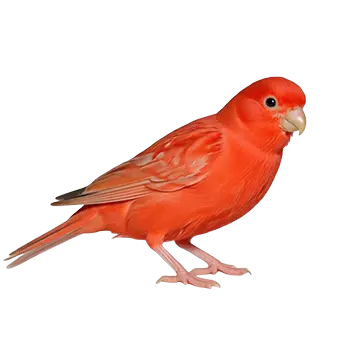

Red Factor Canary

Red Factor Canary
📸 Photo Gallery Coming Soon

Furry Critter Network Etsy Shop

Quick Facts

🔬 Scientific Name
Serinus canaria domestica
🦜 Bird Type
Canary
📊 Care Level
Beginner
😊 Temperament
Gentle, Independent, Calm
📏 Adult Size
5-5.5 inches
⏱️ Lifespan
10-15 years
🔊 Noise Level
Low to Moderate
🗣️ Talking Ability
None
🍽️ Diet Type
Seed-based with color supplements
🌍 Origin
Germany (color-bred variety)
🏠 Min Cage Size
18x18x18 inches (minimum)
📐 Size
Small

Red Factor Canary - Names & Recognition

The Red Factor Canary is a domesticated canary color variety rather than a naturally occurring species, scientifically classified as Serinus canaria domestica (the domesticated form of the wild Atlantic Canary, Serinus canaria). The name "Red Factor" directly references the genetic factor or mutation enabling these canaries to display red and orange coloration rather than the yellow typical of most domestic canaries. This variety is also known by several alternate names including Red Canary, emphasizing the distinctive coloration, Orange Canary when birds display more orange tones than pure red, and Color-Fed Canary, referencing the requirement for dietary color supplements maintaining vibrant plumage. In some contexts, they may be called Color Canaries distinguishing them from song canaries and type canaries bred for body conformation.

Taxonomically, all domesticated canaries including Red Factor varieties belong to the species Serinus canaria (or Crithagra canaria in some modern taxonomic arrangements), which also includes the wild Atlantic Canary ancestor. The family is Fringillidae, the true finches, and the order is Passeriformes, the perching birds. All domesticated canary varieties are the same species genetically, differing only in characteristics developed through selective breeding. Red Factor Canaries represent color-bred varieties, developed specifically for appearance rather than song quality or body type, though they retain the pleasant singing ability characteristic of most male canaries.

The development of Red Factor Canaries represents one of the most significant achievements in canary color breeding, involving introduction of genetic material from a completely different finch species. The story begins in the early 20th century when German breeders sought to create red canaries, a color completely absent in domestic canary populations despite yellow, white, and various other colors existing. Wild canaries and all domestic varieties lacked the genetic capability to produce red pigments (carotenoid pigments like canthaxanthin) in their feathers, making red coloration seemingly impossible through selective breeding alone.

The breakthrough occurred in the 1920s when German geneticist Dr. Hans Duncker and other breeders experimented with hybridization between domestic canaries and the Red Siskin (Spinus cucullatus, formerly Carduelis cucullata), a small South American finch displaying brilliant red plumage. The Red Siskin possesses genetic factors allowing deposition of red carotenoid pigments in feathers. Initial crosses between male Red Siskins and female canaries produced fertile hybrid offspring carrying Red Siskin genes. Through subsequent generations of backcrossing hybrids to domestic canaries while selecting for red coloration, breeders gradually incorporated the red factor genes into canary bloodlines while diluting other Red Siskin characteristics.

This hybridization program took decades, facing numerous challenges including fertility problems in early hybrids, difficulty maintaining red coloration through generations, and concerns about losing desirable canary characteristics while incorporating Red Siskin genes. By the 1940s-1950s, reasonably stable Red Factor canary lines had been established, producing birds displaying red or orange plumage while retaining canary characteristics including singing ability, body type, and temperament. These birds were initially called Red-Orange Canaries or similar names, with "Red Factor" becoming the standard designation referencing the genetic factor enabling red coloration.

A critical discovery was that Red Factor Canaries require dietary carotenoid pigments to express their full red coloration. Unlike yellow canaries whose color comes primarily from genetic factors, Red Factors deposit dietary carotenoids (primarily canthaxanthin and beta-carotene) in growing feathers during molt. Without appropriate color-feeding, Red Factor birds grow pale orange, pink, or buff-colored feathers rather than deep red. This requirement for color feeding has become standard practice in Red Factor keeping, with commercial color foods containing appropriate carotenoids widely available.

Breed standards for Red Factor Canaries emphasize depth, richness, and uniformity of red or orange coloration. Competitive showing judges evaluate color intensity (deeper, more vibrant red scoring higher than pale orange), color uniformity (even coloration throughout the body preferred over patchy or variegated patterns), color type (various categories including frosted, intensive, mosaic patterns), body type and conformation (should maintain good canary proportions), and overall condition. Unlike song canaries where vocal performance dominates judging, Red Factors are evaluated almost exclusively on appearance with song being secondary consideration.

Red Factor Canaries are bred in several color variations based on depth and distribution of red pigmentation. These include deep red or dark red birds displaying the most intense red coloration when properly color-fed, rose or medium red showing moderate red tones, orange showing more orange than red tones, mosaic patterns where red is restricted to certain body areas (particularly bred in females showing red primarily on chest and face), frosted birds where feather structure creates softer appearance, and intensive birds showing hard feathers with maximum color intensity. Additionally, some birds may show red combined with white creating pink effects, or red with melanin pigments creating bronze or coppery tones.

The ethical considerations of Red Factor breeding deserve mention. The original hybridization with Red Siskins contributed to wild Red Siskin population declines, as these birds were trapped extensively for breeding programs. Red Siskins are now critically endangered in the wild, with habitat loss and past trapping causing catastrophic population reductions. All modern Red Factor Canaries are many generations removed from original Red Siskin crosses, requiring no ongoing wild-caught birds. The Red Siskin genetic contribution is permanent, passed through domestic canary populations. Current conservation efforts focus on protecting remaining wild Red Siskin populations while maintaining captive populations separately from Red Factor breeding.

The name "Red Factor Canary" clearly identifies this variety's defining characteristic - the genetic factor enabling red coloration - distinguishing it from other canary types including song canaries (American Singer, German Roller, Belgian Waterslager, etc.), type canaries (Yorkshire, Border, Gloster, Norwich, etc.), and other color varieties (yellow, white, cinnamon, etc.). Red Factors represent one of the most popular color-bred varieties, prized for their stunning appearance making them perhaps the most visually spectacular domesticated canaries.

Red Factor Canary Physical Description

The Red Factor Canary is a small, stocky songbird measuring approximately 5 to 5.5 inches in length from beak to tail tip, placing it in the typical size range for most canary breeds - larger than German Rollers but similar to American Singers and other common varieties. Adults typically weigh between 18 to 25 grams (approximately 0.6 to 0.9 ounces), making them lightweight birds similar to other canaries. The body structure reflects general canary proportions without the extreme specialization of type canaries bred for specific body shapes. The overall impression is a well-proportioned, attractive canary whose primary distinction is spectacular coloration rather than unusual size or shape.

The most striking and defining feature of Red Factor Canaries is their remarkable red to orange plumage, representing the breed's entire purpose and appeal. When properly color-fed throughout life, particularly during molts when new feathers grow, Red Factors can display truly spectacular coloration ranging from deep, rich, vibrant red to brilliant orange depending on genetics, color feeding, and individual variation. The deepest, most intense red coloration is most prized by breeders and exhibitors, creating birds appearing almost flame-colored or cherry-red. This coloration, completely absent in wild canaries and impossible in domestic canaries before Red Siskin hybridization, represents one of the most dramatic color achievements in domesticated bird breeding.

The intensity and shade of red coloration in Red Factor Canaries varies considerably based on multiple factors. Genetics determines potential color intensity and shade - some bloodlines produce deeper reds while others produce more orange tones. Color feeding with supplements containing canthaxanthin or beta-carotene during molt determines actual color expression - properly color-fed birds show dramatically more vibrant colors than unfed birds. The timing and consistency of color feeding throughout molt periods affects final feather color. Individual metabolism and efficiency of carotenoid deposition creates variation even within the same bloodline receiving identical feeding. The result is a spectrum of colors within the "Red Factor" designation, from pale peachy-orange in poorly fed or genetically limited birds to deep cherry-red in optimal specimens.

Without appropriate color feeding, Red Factor Canaries grow pale orange, peachy, buff, or even pinkish feathers rather than deep red. This demonstrates that the "red factor" genes enable carotenoid deposition in feathers but don't produce color without dietary pigment sources. This requirement distinguishes Red Factors from yellow canaries whose color comes primarily from genetic factors requiring no special feeding. Responsible Red Factor ownership requires commitment to proper color feeding throughout the bird's life, particularly during annual molts when all feathers are replaced.

The distribution of red coloration can be either intensive or frosted, terms describing feather structure and color distribution. Intensive birds show hard, tight feathers with color extending to feather tips, creating maximum color intensity and uniformity throughout the plumage. These birds appear more vividly colored but may show less feather substance. Frosted birds show softer feathers with lighter-colored feather edges creating a softer, more frosted appearance overall. The color is somewhat less intense but the feather quality is better. Breeding intensive to frosted produces offspring with optimal feather quality and good color, while breeding like to like (intensive to intensive or frosted to frosted) can cause problems over generations.

Mosaic Red Factor Canaries represent a specialized category where red coloration is restricted to specific body areas through selective breeding controlling pigment deposition. In mosaic males, red typically appears on the face, chest, shoulders, and rump while the rest remains lighter. In mosaic females, red is more restricted, appearing primarily on the chest and face. Mosaic breeding is complex, requiring understanding of sex-linked inheritance patterns, and represents advanced specialty breeding within the Red Factor variety. Mosaic birds can be stunningly beautiful with their color patterns, prized by specialist breeders.

The body type and structure in Red Factor Canaries follow general canary proportions without extreme specialization. The head is well-proportioned and rounded, the chest shows good depth without excessive width, the back displays gentle curve, the wings are held close to the body, and the tail is proportionate and carried in line with the body. The overall impression should be a healthy, well-formed canary showcasing color rather than unusual body structure. Some Red Factor lines may show influence from type breeds if breeders have crossed them for body improvement, but generally Red Factors are bred primarily for color.

The beak is conical and proportionate, typically pale horn-colored to ivory though color can vary slightly. The beak must be functional for seed-eating and singing. The eyes are dark, round, and bright, showing alertness. The legs and feet are pale to medium flesh-colored, displaying the anisodactyl arrangement (three toes forward, one back) typical of perching birds. The nails are pale horn-colored, continuously growing and requiring occasional trimming.

Sexual dimorphism in Red Factor Canaries is primarily behavioral rather than visual in non-mosaic varieties. Males and females of standard Red Factors appear essentially identical in plumage and coloration, making visual sexing difficult. Only behavior reliably indicates sex - males sing while females do not. However, in mosaic Red Factors, sexual dimorphism is intentionally bred, with males showing more extensive red coloration than females. This mosaic sexual dimorphism allows visual sexing in this specific category but does not apply to standard Red Factors where both sexes should show similar overall coloration.

Juvenile Red Factor Canaries show less developed coloration than adults, particularly before their first full molt. Young birds display duller, less intense colors even with appropriate feeding, gradually achieving adult coloration through successive molts. Juveniles can be identified by less vibrant plumage, slightly streaky appearance, and overall less refined coloring. The critical first molt when juveniles replace all feathers with adult plumage requires particularly careful color feeding to establish good coloration. Young males begin singing around 3-6 months of age, initially producing soft subsong gradually developing into fuller adult song.

Feather quality in Red Factor Canaries is important beyond just color. Feathers should be smooth, tight, and well-formed in intensive birds or soft and full in frosted birds. Poor feather quality including stress bars, fault bars, or irregular growth indicates health problems, nutritional deficiencies, or inadequate care during feather development. Since feathers are replaced only during annual molts, any problems during molt periods create issues lasting until the next molt.

Red Factor Canaries may occasionally show white or light areas mixed with red coloration, creating variegated or pied patterns. While uniform coloration is preferred in showing, some pet owners find variegated birds attractive. These patterns result from areas where melanin or color deposition is reduced or absent. Additionally, Red Factors can be combined with other color mutations - red cinnamon birds show red with warm brown melanin, red ivory birds combine red with diluted coloration, creating diverse appearances within the Red Factor category.

Affection Level
Red Factor Canaries show minimal affection toward humans and do not form meaningful bonds with people. They are independent songbirds content with essentially no human interaction beyond basic care and color feeding. Like all canaries, they do not seek handling, petting, or close companionship, viewing humans strictly as caretakers. They may become accustomed to their keeper's presence but do not desire attention or interaction, making them ideal for people wanting beautiful, colorful birds without demanding social requirements.
Sociability
Red Factor Canaries have moderate sociability similar to other canary varieties. Males are typically housed individually to encourage singing and prevent territorial aggression, remaining content alone. Females can be housed together or with males outside breeding season. They are not flock birds requiring conspecific companionship like finches but rather somewhat territorial songbirds comfortable with independence. Their sociability needs are minimal, making them suitable for single-bird households without guilt about isolation.
Vocalization
Male Red Factor Canaries sing pleasant, melodious songs typical of canaries, though they are not bred specifically for song quality like American Singers or German Rollers. Their songs are moderate in volume, audible throughout rooms but not harsh or ear-splitting. Males sing frequently particularly during breeding season and morning hours, while females do not sing. The songs are genuinely pleasant providing nice auditory background without the screaming of parrots, making them suitable for apartments and homes where moderate singing is acceptable.
Intelligence
Red Factor Canaries display basic intelligence typical of small songbirds, demonstrating ability to learn cage layouts, recognize feeding routines, and navigate their environment. They can distinguish their keeper from strangers and learn to associate certain sounds or actions with feeding. However, they lack the complex cognitive abilities of parrots and cannot learn tricks, commands, or interactive behaviors. Their intelligence is appropriate for their lifestyle as seed-eating songbirds rather than problem-solving or tool-using species.
Exercise Needs
Red Factor Canaries are moderately active birds requiring daily exercise through hopping between perches and short flights within their cages. They are less constantly active than finches but more active than sedentary breeds like German Rollers. Adequate cage space allowing horizontal movement, varied perch placement encouraging hopping, and occasional supervised out-of-cage time provide necessary exercise. They display normal canary activity levels - not hyperactive but regularly moving and engaged with their environment.
Maintenance Level
Red Factor Canaries require moderate maintenance compared to other canaries due to the additional requirement of color feeding to maintain their vibrant red/orange plumage. Beyond standard daily seed and water changes and weekly cage cleaning, owners must provide color-enhancing supplements containing canthaxanthin or beta-carotene, particularly during molt when new feathers develop. This color feeding requirement adds complexity compared to canaries without special dietary needs, though overall care remains straightforward. The maintenance level is higher than basic canaries but far lower than parrots.
Trainability
Red Factor Canaries have essentially no trainability and are completely inappropriate for training attempts. They cannot learn tricks, commands, or trained behaviors, and they find handling extremely stressful. Even basic taming beyond simple habituation is difficult as they remain naturally wary. They can learn to recognize feeding times and their keeper, but formal training is neither possible nor appropriate. They are meant for appreciating beautiful coloration and observing natural behaviors rather than interactive training or performance.
Independence
Red Factor Canaries are highly independent from humans, requiring no daily interaction beyond basic care and color feeding. Males are often kept singly and remain perfectly content alone provided appropriate care. They entertain themselves through singing, foraging, bathing, and natural behaviors without needing human or avian companionship. This complete independence makes them ideal for people wanting stunningly beautiful, colorful birds without demanding social needs. Their welfare depends on appropriate care including proper color feeding rather than social engagement.

Natural Habitat & Range

The Red Factor Canary is a domesticated color variety without natural habitat or wild range, having been developed entirely through selective breeding in captivity beginning in the 1920s-1930s primarily in Germany. However, like all domesticated canaries, Red Factors descend from the wild Atlantic Canary (Serinus canaria), native to the Macaronesian islands including the Canary Islands, Azores, and Madeira in the Atlantic Ocean off northwestern Africa. Understanding the wild ancestor's natural history provides important context for their basic care requirements, though Red Factors represent one of the most dramatically modified domestic forms, transformed through controversial hybridization with an entirely different finch species.

The development of Red Factor Canaries occurred through deliberate hybridization between domestic canaries and the Red Siskin (Spinus cucullatus, formerly Carduelis cucullata), a small finch native to northern South America, specifically Venezuela, Colombia, and nearby regions. Red Siskins inhabit tropical and subtropical regions in their native range, occurring in savannas, grasslands with scattered trees and shrubs, forest edges, agricultural areas, and areas with varied vegetation providing seeds and cover. The climate in the Red Siskin's native habitat is warm to hot year-round with distinct wet and dry seasons. These small finches feed primarily on grass seeds and weed seeds, showing feeding ecology similar to canaries.

The Red Siskin's brilliant red plumage - particularly striking in males who display bright red bodies with black wings and tail - made them targets for the cage bird trade since colonial times. Their beauty and pleasant song made them popular, leading to extensive trapping that, combined with habitat loss, caused catastrophic population declines. By the mid-20th century, wild Red Siskin populations had declined dramatically, and the species is currently classified as Endangered (some assessments suggest Critically Endangered) by the IUCN Red List. Current wild population estimates are extremely low, possibly only hundreds to low thousands of individuals remaining across the native range. The species faces ongoing threats including continued illegal trapping, habitat loss from agricultural expansion and urbanization, and small isolated populations vulnerable to stochastic events.

The historical use of Red Siskins in creating Red Factor Canaries contributed significantly to wild population declines, as large numbers were captured for hybridization programs in the 1920s-1950s. Breeders sought Red Siskin genes enabling red pigment deposition, crossing male Red Siskins with female canaries to produce hybrid offspring. Multiple generations of backcrossing hybrids to canaries while selecting for red coloration gradually incorporated Red Siskin genetic factors into canary bloodlines. This process required substantial numbers of Red Siskins over several decades, exacerbating wild population pressures.

Ethical considerations of Red Factor history have been debated within aviculture. The creation of Red Factor Canaries undeniably contributed to wild Red Siskin decline, raising questions about whether the aesthetic achievement justified the conservation cost. However, proponents note that all modern Red Factor Canaries are many generations removed from original crosses, requiring no ongoing wild-caught birds. The Red Siskin genetic contribution is now permanent in domestic canary populations, making Red Factor breeding completely independent of wild Red Siskins. Additionally, serious conservation efforts now focus on protecting remaining wild Red Siskins through habitat protection, anti-poaching enforcement, and captive breeding programs maintaining pure Red Siskin populations separately from Red Factor canary breeding.

Modern Red Factor Canaries show canary characteristics in behavior, temperament, size, body structure, and general ecology while possessing the genetic capability for red pigmentation inherited from Red Siskin ancestors. They sing like canaries rather than Red Siskins, display canary body proportions, show canary activity patterns, and integrate seamlessly into domestic canary culture. The Red Siskin contribution was primarily genetic - specific genes enabling carotenoid deposition in feathers - rather than wholesale Red Siskin characteristics. Decades of backcrossing to canaries eliminated most Red Siskin traits while preserving the critical color genes.

The care requirements for Red Factor Canaries reflect their canary heritage and domestication history rather than Red Siskin wild ecology. They thrive in typical canary housing and environmental conditions, showing no special requirements beyond the critical need for color feeding. Their behavior, activity patterns, social needs, and basic biology are thoroughly canary-like, making them fully domesticated birds suited to captive conditions without retaining wild survival skills or requiring specialized wild-type accommodations.

The global distribution of Red Factor Canaries is now worldwide, with breeding populations established across North America, Europe, Asia, Australia, and other regions wherever canaries are kept. International showing and breeding of Red Factors has created diverse bloodlines with regional variation in color intensity, shade preferences, and breeding practices. American, European, and other national breeding clubs maintain standards, organize competitions, and promote the variety. The Red Factor represents one of the most popular color-bred canary varieties globally, with tens or hundreds of thousands of birds in captivity.

Conservation status of wild Atlantic Canaries remains Least Concern with stable populations. The domestic Red Factor population is secure through extensive captive breeding worldwide. Pure Red Siskin conservation occurs separately from Red Factor breeding, with dedicated programs working to save the endangered wild species. Some conservation efforts maintain captive Red Siskin populations as insurance against extinction and potential source for future reintroduction, though these programs keep Red Siskins separate from Red Factor breeding to preserve pure genetic lines. The relationship between Red Factor Canaries and Red Siskin conservation remains complex, with historical harm acknowledged while recognizing modern Red Factor breeding no longer requires or affects wild Red Siskins.

Temperament

Red Factor Canaries possess gentle, calm, independent temperaments essentially identical to other canary varieties, making them ideal companions for bird enthusiasts seeking stunning visual beauty combined with pleasant singing and minimal interactive demands. Unlike parrots requiring extensive daily handling or social engagement, Red Factors are content being appreciated for their spectacular coloration and melodious songs from a respectful distance. Understanding Red Factor temperament requires recognizing these are color-bred canaries whose appeal is primarily visual and auditory rather than interactive, and whose welfare depends on appropriate care including proper color feeding rather than hands-on human contact.

The defining characteristic of male Red Factor temperament is the natural drive to sing, typical of most male canaries regardless of variety. Male Red Factors possess instinctive motivation to sing, particularly during breeding season (typically spring but often extending longer depending on lighting and conditions). Their singing is pleasant and melodious, though Red Factors are not bred specifically for song quality like American Singers or German Rollers. The songs are moderate in volume, easily audible throughout rooms but not harsh or ear-splitting, consisting of trills, warbles, and varied phrases typical of canaries. While serious song canary breeds undergo specialized breeding for specific vocal characteristics, Red Factors are bred primarily for appearance with song being a secondary pleasant bonus rather than the primary goal.

Males typically sing most actively during morning hours, though they may sing throughout the day particularly during peak breeding season in spring. Singing frequency varies between individuals and is influenced by age, season, lighting, presence of females, and stress levels. Providing appropriate conditions maximizes singing while poor conditions suppress it. However, prospective owners should understand that Red Factor song quality varies considerably between individuals, with some males being enthusiastic singers while others are more reserved. People seeking optimal song quality should choose breeds specifically selected for singing rather than color-bred varieties.

Female Red Factors do not sing, producing only occasional soft chirps and calls. Females are generally quieter and calmer than males. However, in color-bred varieties like Red Factors, both males and females are equally valued for their coloration, unlike song breeds where males are strongly preferred. Some enthusiasts specifically seek female Red Factors for their quietness combined with beautiful appearance.

Independence from humans characterizes Red Factor temperament profoundly, identical to other canary varieties. These birds do not bond with people in meaningful ways, do not seek human attention or affection, do not enjoy handling or petting, and view humans primarily as caretakers providing food, water, and maintenance. Male Red Factors sing for territorial and breeding purposes rather than to entertain humans, though humans benefit from and enjoy the performance. This independence makes them ideal for people wanting beautiful birds without daily interactive demands beyond feeding and basic care.

Attempts to tame or handle Red Factors beyond basic habituation are generally unsuccessful and stressful. While patient, consistent, quiet care can habituate birds to their keeper's presence so they remain calm during routine maintenance, they remain inherently wary of hands and direct contact. Occasional handling may be necessary for health checks or cage transfers, but this should be minimized. Red Factors never learn to enjoy handling and forced interaction damages trust.

The activity level in Red Factor Canaries is moderate, typical of most canary breeds. They spend their days hopping between perches, foraging for seed, singing (males), bathing enthusiastically when water is provided, preening their spectacular plumage, and resting between activities. This moderate activity is pleasant to observe without being frenetic. Healthy Red Factors show regular consistent activity, while lethargic birds likely have health or nutritional problems potentially affecting feather color development.

Territorial behavior in male Red Factors is typical of canaries, particularly during breeding season. Males become increasingly territorial from late winter through summer, defending their cage space as territory. Housing multiple males within sight or sound of each other may stimulate competitive singing. However, multiple males cannot be housed together as they will fight. Males may show aggression toward other birds including females outside breeding season. This territoriality is normal, natural behavior requiring appropriate management through separate housing.

Breeding behavior emerges seasonally, primarily triggered by increasing day length in spring. Males show increased singing and courtship behaviors. Females show nest-building instincts. Managing breeding requires understanding lighting triggers, providing appropriate conditions if breeding is desired, or manipulating conditions to prevent breeding if not desired. Breeding Red Factors requires additional consideration of color genetics and color feeding programs ensuring offspring develop proper coloration. Many pet owners maintain birds on shortened light cycles preventing excessive breeding condition.

Environmental sensitivity in Red Factors is moderate but important. These birds require stable temperatures, protection from drafts, appropriate humidity, shielding from toxic fumes and hazards, appropriate lighting cycles, and reduction of stressors. Stressed Red Factors may stop singing, show reduced activity, develop health problems, and potentially show poor feather quality affecting color during molt. Creating appropriate low-stress environments with consistent care routines maximizes wellbeing, singing, and optimal color development.

The unique aspect of Red Factor temperament and care is the requirement for color feeding throughout life. This adds a dimension to ownership not present with most canaries. Owners must understand color feeding schedules, purchase appropriate supplements, maintain consistent supplementation particularly during molt, and accept responsibility for their bird's color development. Birds receiving inadequate color feeding develop pale, washed-out appearance rather than the vibrant colors expected in Red Factors, creating disappointment. This requirement means Red Factor ownership demands more attention to detail than basic yellow or white canaries.

Social needs in Red Factors are minimal beyond basic care. Males are typically housed singly to encourage singing and prevent aggression. They remain content alone provided appropriate care. Some owners house multiple canaries in separate cages within sight, providing awareness of other birds without direct contact. Females can be housed together if space permits, showing less territoriality than males. However, unlike finches requiring conspecific companionship, canaries including Red Factors thrive as solitary birds.

Red Factor Canaries require owners who appreciate colorful birds for their visual beauty and pleasant singing rather than interaction, can provide appropriate housing and basic care, maintain proper color feeding schedules throughout the bird's life particularly during molts, understand and accept male territorial singing behavior, and want stunning red or orange coloration without demanding social needs. They are inappropriate for people seeking interactive pets to handle, train, or bond with extensively, those wanting talking birds or complex companions, anyone unable to maintain proper color feeding, or people expecting extraordinary song quality. However, for people appreciating them appropriately as visually stunning songbirds with relatively straightforward care plus color feeding requirements - Red Factors provide years of spectacular beauty and pleasant singing with moderate demands, making them excellent choices for beginners willing to learn color feeding, experienced canary keepers, apartment dwellers, and anyone seeking the most colorful domesticated canaries available.

Care Requirements

Red Factor Canaries require appropriate housing sized adequately for their moderate activity level and need for movement, following standard canary housing principles. The absolute minimum cage dimensions for a single Red Factor are 18 inches long by 18 inches wide by 18 inches tall, though significantly larger cages measuring at least 24 inches long by 18 inches wide by 24 inches tall provide better quality of life. Length is most important dimension as canaries move primarily horizontally through hopping and short flights rather than vertical climbing. For multiple females housed together, provide substantially larger cages with minimum 36 inches length, adding space per additional bird. Males must be housed individually to prevent fighting and encourage singing.

Bar spacing should measure maximum 1/2 inch to prevent escape or head entrapment, typical of cages marketed for canaries and finches. Horizontal bars on at least two sides facilitate hopping between perch levels. Cage construction is typically powder-coated steel providing adequate durability and ease of cleaning at reasonable cost, or stainless steel for maximum durability. Avoid zinc-coated or galvanized materials as zinc toxicity affects canaries. The cage must feature secure door closures.

Cage location should provide safe, appropriate environment. Position cages in rooms where family activity occurs but avoiding extremely high-traffic areas. Provide natural light allowing appreciation of the spectacular red coloration which appears most vibrant in good lighting, but avoid direct intense sunlight that could overheat birds or fade feather color. Avoid drafty locations near windows, doors, or HVAC vents. Keep cages away from kitchens where toxic fumes pose serious risks. Place cages at comfortable viewing and maintenance height, typically waist to eye level. Many keepers position cages near windows allowing natural light to showcase the stunning coloration while ensuring no direct sun or drafts.

Perches should vary in diameter from approximately 3/8 inch to 1/2 inch, sized appropriately for canary feet. Natural wood branches from safe, pesticide-free tree species make excellent perches providing varied diameters and textures. Position perches at different heights allowing hopping between levels, with at least two perches positioned to allow short horizontal flights. Provide at least 3-4 perches minimum. Avoid overcrowding with excessive perches limiting movement space. Place perches away from food and water dishes preventing fecal contamination.

Enrichment for Red Factor Canaries follows standard canary guidelines. Males may benefit from mirrors which they perceive as competitors potentially stimulating singing, though opinions vary. Small bells or toys can be provided though many canaries show limited interest. Natural branches provide interest. However, the primary enrichment for Red Factors is maintaining conditions supporting both singing in males and optimal color development in all birds, which requires appropriate nutrition, lighting, and environment.

Bathing opportunities are essential as Red Factor Canaries love bathing, requiring regular access to water for hygiene and feather maintenance. Provide shallow bathing dishes or attach bath houses to cage doors several times weekly. Many Red Factors bathe enthusiastically. Regular bathing maintains optimal feather condition supporting the best color display and helps keep the spectacular plumage clean and lustrous.

Lighting management is important for Red Factor care, particularly for managing breeding condition. Natural seasonal variation or artificial management using timers controls breeding cycles. During non-breeding periods (fall and winter), provide 10-12 hours light daily. During breeding season if desired, gradually increase to 14-16 hours light daily. Many pet owners maintain males on shorter photoperiods year-round preventing excessive breeding stress. Additionally, appropriate lighting helps showcase the stunning red coloration - natural light or full-spectrum lighting allows the colors to appear most vibrant and true.

Substrate on cage bottom allows droppings collection. Appropriate options include plain newspaper, paper towels, commercial cage liners, or commercial substrates like corn cob bedding changed regularly. Some keepers prefer grates over substrate-filled trays. Red Factors may enjoy foraging on cage bottoms occasionally.

Color feeding management represents the unique and critical aspect of Red Factor care distinguishing them from other canaries. This requires understanding, commitment, and consistency throughout the bird's life. Color foods containing canthaxanthin and/or beta-carotene must be provided daily, particularly during the annual molt when all feathers are replaced. Missing color feeding during molt results in pale, poorly colored new feathers lasting until the next molt. Commercial color foods specifically formulated for Red Factor Canaries are widely available and should be used according to package directions. These supplements are typically offered as: mixed directly into regular seed at recommended ratios, provided in separate dishes allowing birds to consume appropriate amounts, or incorporated into soft foods like egg food. Consistency is absolutely critical - establishing and maintaining daily color feeding routines ensures optimal color development. Most breeders begin intensive color feeding several weeks before molt and continue throughout the molt period (typically 6-8 weeks), though many keep birds on color food year-round ensuring consistent pigment availability.

Monitoring molt timing is important for optimal color feeding. Canaries typically molt once annually, usually in late summer or fall (August-October in Northern Hemisphere), though timing varies individually. Signs of molt include increased feather loss, new pin feathers emerging, slightly scruffy appearance, reduced singing in males, and increased protein requirements. During molt, provide excellent nutrition including increased protein through egg food, consistent color feeding, reduced stress, and appropriate care supporting healthy feather development.

Nest boxes and breeding supplies should only be provided if breeding is specifically intended. Breeding Red Factors requires understanding color genetics, maintaining proper color feeding through breeding and chick-rearing, and planning for offspring placement. Color breeding is complex with various genetic factors affecting offspring coloration.

Cage cleaning requires consistent maintenance. Daily tasks include removing droppings and soiled substrate, removing empty seed hulls and providing fresh seed and color food, thoroughly washing and refilling water dishes. Weekly, perform thorough cage cleaning including washing all bars and surfaces, cleaning or replacing soiled perches, washing all dishes thoroughly, replacing substrate completely. Monthly deep cleaning and inspection ensures excellent condition.

Environmental conditions affect health and color. Red Factor Canaries tolerate temperatures between 60-75°F comfortably. Avoid sudden temperature changes and drafts. Maintain humidity 40-60% supporting respiratory health and feather condition. Appropriate photoperiod using timers provides consistent cycles. Stable calm environments reduce stress supporting health and optimal feather development.

Out-of-cage time is optional for canaries. Some owners provide supervised flight time in bird-safe rooms offering exercise, though this is not essential if cages are adequately sized. If allowing flight time, thoroughly bird-proof rooms, ensure windows and doors are secured, remove hazards, and supervise constantly. Red Factors' spectacular coloration makes them particularly beautiful to watch during flight, with sunlight catching the red feathers creating stunning displays.

Feeding & Nutrition

Proper nutrition for Red Factor Canaries follows seed-based dietary principles similar to other canaries with the absolutely critical addition of color feeding requirements that distinguish Red Factors from all other canary varieties. Understanding and implementing proper color feeding is not optional but rather essential for maintaining the vibrant red and orange coloration that defines this variety. Without appropriate color supplements containing carotenoid pigments, Red Factor birds develop pale orange, peachy, buff, or pinkish feathers rather than the deep red coloration expected and desired. In the wild, the Atlantic Canary ancestor and Red Siskin both obtain carotenoids through natural diet, but captive Red Factors require supplementation as standard canary diets lack sufficient carotenoids for optimal red color expression.

High-quality canary seed mix should comprise 50-60% of the diet, serving as the nutritional foundation. Appropriate canary seed mixes contain canary seed (Phalaris canariensis, the primary component), white millet providing easily digestible energy, red millet and Japanese millet adding variety, niger seed providing protein and oil, and small amounts of hemp seed providing essential fatty acids. Choose fresh mixes from reputable brands, storing in sealed containers in cool, dry conditions preventing mold, rancidity, or pest infestation. Discard old seed showing musty odors or discoloration immediately.

Critical daily maintenance includes removing empty seed hulls - canaries hull seeds before consuming kernels, leaving empty shells accumulating on top of remaining seed. Check dishes daily, gently blowing across the surface removing hulls and exposing remaining seed, adding fresh seed as needed. This prevents starvation.

Fresh greens should be offered daily, providing essential vitamins, minerals, and variety. Appropriate greens include romaine lettuce, leaf lettuce, spinach (in moderation), kale, Swiss chard, dandelion greens, chickweed, fresh grass, and other safe leafy greens. Wash thoroughly removing pesticides. Rotate varieties providing nutritional diversity. Remove uneaten greens within several hours preventing spoilage.

Fresh vegetables in small amounts supplement nutrition. Grated or finely chopped carrot is particularly valuable for Red Factors as carrots are naturally high in beta-carotene which contributes to orange coloration (though not as effective as canthaxanthin for deep red). Other appropriate vegetables include broccoli, cucumber, zucchini, bell peppers, and peas. Introduce gradually as some birds resist new foods.

Egg food provides important protein particularly during molt when birds replace all feathers requiring substantial protein for new feather growth. Commercial egg food formulated for canaries is convenient, or prepare homemade versions. Offer 2-3 times weekly during non-breeding periods, increasing to daily during molt. Remove uneaten portions within several hours preventing spoilage.

Color feeding supplements are absolutely essential for Red Factor Canaries and represent the most critical dietary component distinguishing them from other canaries. These supplements contain carotenoid pigments - primarily canthaxanthin and/or beta-carotene - that birds deposit in growing feathers during molt. Without these supplements, Red Factors cannot express their genetic potential for red coloration. Commercial color foods specifically formulated for Red Factor Canaries are widely available from specialized aviculture suppliers, online retailers, and pet stores carrying canary supplies. These products come in various forms including color-enhanced seed mixes, pelleted color foods, and powdered supplements mixed into soft foods. The most effective color foods typically contain canthaxanthin (beta-carotene-4,4'-dione), which produces deeper, truer red coloration than beta-carotene alone, though beta-carotene contributes orange tones and is often included in color food formulations.

Proper color feeding protocol requires understanding timing, dosage, and consistency. The most critical period for color feeding is during the annual molt when all feathers are replaced with new growth. Missing color feeding during molt results in pale, poorly colored feathers lasting until the next annual molt. Many breeders begin intensive color feeding 2-3 weeks before molt starts and continue throughout the entire molt period (typically 6-8 weeks). However, many successful keepers maintain birds on color food year-round, ensuring consistent pigment availability and eliminating concerns about missing critical molt timing. Year-round color feeding is particularly recommended for pet owners who may not carefully track molt cycles.

Dosage of color supplements should follow manufacturer instructions carefully. Over-supplementation can cause health problems while under-supplementation results in poor coloration. Most commercial color foods are formulated to be offered as 10-20% of total diet, either mixed into regular seed at recommended ratios or offered in separate dishes. Some keepers incorporate color supplements into egg food or other soft foods. Consistency is critical - daily offering of color food ensures birds receive adequate pigments for optimal color development.

Commercial canary pellets can supplement diets, with some pellets formulated specifically for color birds containing added carotenoids. If birds accept pellets, they can comprise 20-30% of diet. However, many Red Factors resist pellets. Don't stress if birds refuse pellets - they can thrive on properly supplemented seed-based diets with color foods.

Calcium supplementation is essential, particularly for breeding females. Provide cuttlebone attached to cage bars allowing self-regulation of intake, or offer mineral blocks. Crushed oyster shell provides both calcium and grit. Adequate calcium supports bone health and egg production.

Grit remains debated in canary keeping. Many keepers provide grit in separate small dishes allowing self-regulation. If providing, monitor to prevent overconsumption.

Treats should be offered sparingly to prevent obesity. Spray millet is loved but high in fat, offering only 1-2 times weekly. Small amounts of fresh fruits can be offered occasionally, though excessive fruit can dilute color food intake during critical periods. Treats should not exceed 10% of total diet.

Foods to strictly avoid include avocado (extremely toxic), chocolate, caffeine, alcohol, excessive salt, onions, garlic, raw beans, apple seeds, stone fruit pits, and anything containing artificial sweeteners particularly xylitol.

Fresh, clean water must be available constantly in clean dishes changed at least once daily minimum. Water bottles can maintain cleaner water though some birds prefer open dishes.

Monitoring color development provides feedback on color feeding effectiveness. Birds receiving proper color feeding throughout molt develop vibrant red or orange coloration (depending on genetics and specific supplements used). Pale, washed-out, or buff-colored birds indicate inadequate color feeding requiring immediate correction. However, recognize that first molt color may not represent full potential, with subsequent molts often producing better coloration as birds mature and protocols are refined. Additionally, genetic variation means some bloodlines produce deeper reds while others produce more orange regardless of feeding, making selection of quality breeding stock important for optimal coloration.

Some advanced breeders experiment with different color feeding protocols, varying canthaxanthin concentrations, supplementation timing, or combinations of different carotenoids to achieve specific color goals. However, pet owners should follow established protocols from reputable color food manufacturers rather than experimenting, as improper supplementation can cause health problems or poor results.

Monitor body condition regularly. Healthy birds show slightly rounded chest with keel palpable but not sharply prominent. Red Factors typically consume approximately 1-2 teaspoons of seed plus color food daily, though individual requirements vary. During molt, birds require increased nutrition supporting feather growth, making this critical period for both protein and color supplementation.

Red Factor Canary Health & Lifespan

Red Factor Canaries are generally hardy, robust songbirds capable of living 10 to 15 years with proper care, occasionally reaching 17-20 years in exceptional cases with optimal conditions including proper color feeding and nutrition. Despite their fundamental hardiness when well-maintained, these color-bred birds are susceptible to various health conditions requiring vigilant monitoring and appropriate preventive care throughout their lives. Air sac mites (Sternostoma tracheacolum) commonly affect canaries including Red Factors, with these microscopic parasitic mites infesting the respiratory system causing breathing difficulties, clicking sounds during respiration, tail bobbing, reduced singing in males, and potentially fatal respiratory failure requiring immediate anti-parasitic medication under veterinary supervision. Scaly face and leg mites (Knemidocoptes species) affect canaries causing crusty, scaly growths on legs, feet, cere, and around eyes, requiring anti-parasitic treatment and potentially causing permanent deformity if neglected. Coccidiosis, a parasitic protozoal infection affecting the intestinal tract, occurs in canaries causing diarrhea, rapid weight loss, fluffed feathers, severe lethargy, and potentially death without treatment, requiring antiprotozoal medication and strict hygiene. Intestinal worms including roundworms and tapeworms can affect canaries particularly those housed outdoors or exposed to wild birds, causing weight loss, poor feather quality (particularly affecting color development during molt), and general poor condition, requiring fecal testing and appropriate deworming. Candidiasis (yeast infection) affects canaries particularly those stressed or receiving antibiotics, causing white lesions in mouth and throat, crop infections, and digestive problems requiring antifungal treatment. Respiratory infections from bacteria, viruses, or fungi affect canaries kept in poor conditions, causing nasal discharge, breathing difficulties, reduced singing, and lethargy requiring prompt antibiotic or antifungal treatment. Obesity commonly affects captive Red Factors fed unlimited seed without adequate exercise, leading to fatty liver disease, reduced lifespan, reduced singing in males, and breeding problems requiring dietary management. Egg binding affects female canaries who produce eggs without adequate calcium or appropriate conditions, creating life-threatening emergencies requiring immediate veterinary intervention. Feather cysts can develop in canaries, creating lumps where feathers fail to emerge properly, sometimes requiring surgical removal. Poor feather quality and color problems can result from inadequate nutrition, insufficient color feeding, illness during molt, stress during feather development, or genetic limitations, requiring proper color feeding protocols and excellent overall care during critical molt periods. Overgrown beaks and nails occur in birds lacking appropriate materials for natural wear, requiring periodic trimming. Regular health monitoring by owners is essential as small birds instinctively mask illness until advanced stages. For Red Factors specifically, poor feather color development or quality can indicate health or nutritional problems beyond inadequate color feeding, making color appearance a useful health indicator. While many general practice veterinarians lack specialized avian knowledge, establishing relationships with experienced avian veterinarians before emergencies occur ensures access to appropriate care when needed. Annual wellness examinations are ideal, allowing early detection of subtle problems. During health checks, veterinarians perform thorough physical examinations including weight assessment, body condition evaluation, examination for external parasites, respiratory assessment, feather quality evaluation, and may recommend fecal testing for internal parasites, blood testing if indicated, and disease screening when appropriate. Proper diet and nutrition for Red Factor Canaries follows seed-based principles similar to other canaries with the critical addition of color feeding requirements. High-quality canary seed mix should comprise 50-60% of diet, containing primarily canary seed, white millet, red millet, niger seed, and other appropriate small seeds. Daily removal of empty hulls is critical - canaries hull seeds leaving empty shells making dishes appear full when all seed has been consumed. Fresh greens offered daily provide essential vitamins including lettuce, spinach, kale, dandelion greens, chickweed, and other safe greens. Many Red Factors readily accept greens. Fresh vegetables including grated carrot (naturally high in beta-carotene supporting red color), broccoli, and others can be offered. Color feeding supplements containing canthaxanthin and/or beta-carotene are absolutely essential for Red Factors, typically comprising 10-20% of diet and offered daily particularly during molt when new feathers grow. Commercial color foods specifically formulated for Red Factor Canaries are widely available from aviculture suppliers and pet stores specializing in canaries. These products contain appropriate carotenoid concentrations for safe, effective color enhancement. Color foods are typically mixed with regular seed, offered in separate dishes, or provided as soft foods mixed with other supplements. Consistency is critical - missing color feeding during molt periods results in pale, poorly colored feather growth lasting until the next annual molt. Egg food provides protein particularly during molt, supporting feather development. Commercial canary pellets can supplement diets though many birds resist pellets. Cuttlebone or mineral block provides essential calcium. Grit is debated but many keepers provide it. Clean fresh water changed daily minimum is essential. Foods to avoid include avocado, chocolate, caffeine, alcohol, excessive salt, onions, garlic, and anything unsafe for birds. Some keepers avoid excessive beta-carotene from natural sources when using canthaxanthin color foods to prevent orange tones rather than deep red, though this varies by individual breeding goals. Environmental cleanliness prevents disease, requiring daily droppings removal, weekly thorough cage cleaning, and regular dish washing. Appropriate lighting management using timers helps manage breeding condition. Proper nutrition including consistent color feeding supports optimal feather development and vibrant coloration.

Common Health Issues

  • Air sac mites (Sternostoma tracheacolum) commonly affect canaries including Red Factors, with these microscopic parasitic mites infesting the respiratory system causing breathing difficulties, clicking sounds during respiration, tail bobbing, reduced singing in males, and potentially fatal respiratory failure requiring immediate anti-parasitic medication under veterinary supervision.
  • Scaly face and leg mites (Knemidocoptes species) affect canaries causing crusty, scaly growths on legs, feet, cere, and around eyes, requiring anti-parasitic treatment and potentially causing permanent deformity if neglected.
  • Respiratory infections from bacteria, viruses, or fungi affect canaries kept in poor conditions, causing nasal discharge, breathing difficulties, reduced singing, and lethargy requiring prompt antibiotic or antifungal treatment.
  • Obesity commonly affects captive Red Factors fed unlimited seed without adequate exercise, leading to fatty liver disease, reduced lifespan, reduced singing in males, and breeding problems requiring dietary management.
  • Egg binding affects female canaries who produce eggs without adequate calcium or appropriate conditions, creating life-threatening emergencies requiring immediate veterinary intervention.
  • During health checks, veterinarians perform thorough physical examinations including weight assessment, body condition evaluation, examination for external parasites, respiratory assessment, feather quality evaluation, and may recommend fecal testing for internal parasites, blood testing if indicated, and disease screening when appropriate.

Preventive Care & Health Monitoring

  • Red Factor Canaries are generally hardy, robust songbirds capable of living 10 to 15 years with proper care, occasionally reaching 17-20 years in exceptional cases with optimal conditions including proper color feeding and nutrition.
  • Egg binding affects female canaries who produce eggs without adequate calcium or appropriate conditions, creating life-threatening emergencies requiring immediate veterinary intervention.
  • Poor feather quality and color problems can result from inadequate nutrition, insufficient color feeding, illness during molt, stress during feather development, or genetic limitations, requiring proper color feeding protocols and excellent overall care during critical molt periods.
  • For Red Factors specifically, poor feather color development or quality can indicate health or nutritional problems beyond inadequate color feeding, making color appearance a useful health indicator.
  • Annual wellness examinations are ideal, allowing early detection of subtle problems.
  • Proper diet and nutrition for Red Factor Canaries follows seed-based principles similar to other canaries with the critical addition of color feeding requirements.

Regular health monitoring by owners is essential as small birds instinctively mask illness until advanced stages. For Red Factors specifically, poor feather color development or quality can indicate health or nutritional problems beyond inadequate color feeding, making color appearance a useful health indicator. While many general practice veterinarians lack specialized avian knowledge, establishing relationships with experienced avian veterinarians before emergencies occur ensures access to appropriate care when needed. Annual wellness examinations are ideal, allowing early detection of subtle problems. During health checks, veterinarians perform thorough physical examinations including weight assessment, body condition evaluation, examination for external parasites, respiratory assessment, feather quality evaluation, and may recommend fecal testing for internal parasites, blood testing if indicated, and disease screening when appropriate. Proper diet and nutrition for Red Factor Canaries follows seed-based principles similar to other canaries with the critical addition of color feeding requirements. High-quality canary seed mix should comprise 50-60% of diet, containing primarily canary seed, white millet, red millet, niger seed, and other appropriate small seeds. Daily removal of empty hulls is critical - canaries hull seeds leaving empty shells making dishes appear full when all seed has been consumed. Fresh greens offered daily provide essential vitamins including lettuce, spinach, kale, dandelion greens, chickweed, and other safe greens. Many Red Factors readily accept greens. Fresh vegetables including grated carrot (naturally high in beta-carotene supporting red color), broccoli, and others can be offered. Color feeding supplements containing canthaxanthin and/or beta-carotene are absolutely essential for Red Factors, typically comprising 10-20% of diet and offered daily particularly during molt when new feathers grow. Commercial color foods specifically formulated for Red Factor Canaries are widely available from aviculture suppliers and pet stores specializing in canaries. These products contain appropriate carotenoid concentrations for safe, effective color enhancement. Color foods are typically mixed with regular seed, offered in separate dishes, or provided as soft foods mixed with other supplements. Consistency is critical - missing color feeding during molt periods results in pale, poorly colored feather growth lasting until the next annual molt. Egg food provides protein particularly during molt, supporting feather development. Commercial canary pellets can supplement diets though many birds resist pellets. Cuttlebone or mineral block provides essential calcium. Grit is debated but many keepers provide it. Clean fresh water changed daily minimum is essential. Foods to avoid include avocado, chocolate, caffeine, alcohol, excessive salt, onions, garlic, and anything unsafe for birds. Some keepers avoid excessive beta-carotene from natural sources when using canthaxanthin color foods to prevent orange tones rather than deep red, though this varies by individual breeding goals. Environmental cleanliness prevents disease, requiring daily droppings removal, weekly thorough cage cleaning, and regular dish washing. Appropriate lighting management using timers helps manage breeding condition. Proper nutrition including consistent color feeding supports optimal feather development and vibrant coloration. Owners must recognize illness signs requiring immediate attention including fluffed feathers maintained for extended periods, labored breathing or tail bobbing, sitting on cage bottom, loss of appetite or weight loss, diarrhea or abnormal droppings, severe lethargy, discharge from eyes or nostrils, swellings or lumps, limping or inability to perch, sudden cessation of singing in males who previously sang regularly, and sudden behavior changes. Additionally, poor feather quality or color during molt may indicate health problems requiring investigation beyond inadequate color feeding. Small birds deteriorate rapidly, making immediate veterinary attention critical. With appropriate care including proper seed-based nutrition with fresh foods, consistent color feeding throughout life particularly during molts, clean environment, adequate housing, proper lighting management, and attentive monitoring, Red Factor Canaries can live their full 10-15+ year lifespan as spectacularly beautiful singing companions bringing stunning visual and auditory joy to their keepers for many years while maintaining the vibrant red and orange coloration that makes this variety so extraordinary and beloved among canary enthusiasts worldwide.

Training & Vocalization

Red Factor Canaries have essentially no trainability in traditional senses and attempting training is completely inappropriate for these color-bred songbirds developed specifically for spectacular appearance rather than interactive abilities. They cannot learn tricks, respond to verbal commands, perform trained behaviors, or engage in any interactive activities. They do not enjoy handling and find training attempts extremely stressful. Even basic taming beyond simple habituation is difficult and unnecessary as Red Factors are maintained strictly as visual display and singing birds rather than interactive pets. Unlike parrots possessing remarkable learning abilities, Red Factors are canaries whose behaviors are primarily instinctive with minimal capacity for behavioral training.

Red Factors can learn and adapt to environments in basic limited ways representing simple habituation. They quickly memorize cage layouts, recognize feeding routines, and learn to associate their keeper's presence with food provision. They can distinguish their primary keeper from strangers, typically showing less wariness toward familiar people. They learn when color food is offered and may show increased interest in dishes containing color supplements. These basic learning abilities represent routine recognition rather than trainability. Maintaining consistent routines benefits Red Factors by reducing stress.

The vocalization characteristics of Red Factor Canaries represent a pleasant bonus feature rather than their primary appeal, as these birds are bred for color rather than song quality. Male Red Factors sing typical canary songs consisting of trills, warbles, and varied phrases, though song quality varies considerably between individuals as no selective breeding for vocal performance occurs in color-bred lines. Some male Red Factors are enthusiastic singers producing pleasant melodious songs frequently throughout the day, while others are more reserved singers with simpler repertoires. The songs are moderate in volume, easily audible throughout rooms but not harsh or ear-splitting, creating nice auditory background without the screaming of parrots.

The song quality and style in Red Factors differs from specialized song breeds. American Singer Canaries are specifically bred for melodious, continuous, varied songs and typically outperform Red Factors vocally. German Roller Canaries produce specialized internal rolling songs of sophisticated complexity unmatched by Red Factors. Belgian Waterslagers produce distinctive loud water-bubbling songs. Red Factors, bred exclusively for color, show song ability typical of general canary populations - pleasant and enjoyable but not exceptional. Prospective owners seeking optimal song quality should choose song breeds rather than color breeds, though many Red Factor owners find their males' singing perfectly pleasant and satisfying as supplementary enjoyment to the spectacular visual appeal.

Male singing patterns follow typical canary cycles. Males sing most during breeding season when maintained on longer photoperiods. Peak singing occurs in spring and early summer. Males on shorter photoperiods during fall and winter sing less. Morning hours typically show most active singing. Individual variation is substantial - some males are enthusiastic frequent singers while others are reserved. Age affects singing - young males begin singing around 3-6 months of age with immature subsong gradually developing into fuller adult song. Prime adult males ages 2-5 years typically sing most. Older males may sing less though many remain decent singers throughout lives.

Female Red Factor Canaries do not sing, producing only occasional soft chirps and calls. In color-bred varieties, females are equally valued as males for their spectacular coloration, unlike song breeds where males are strongly preferred. Many enthusiasts specifically seek female Red Factors for quietness combined with stunning appearance.

Stress, illness, or poor conditions suppress singing in male Red Factors. A male who previously sang regularly but suddenly stops likely has health problems or inadequate conditions requiring investigation. Singing cessation is a useful warning sign though less sensitive than in specialized song breeds where singing is more consistent.

Volume of Red Factor song is moderate, typical of canaries - substantially quieter than parrots but more audible than the soft internal singing of German Rollers. The songs are easily heard in the same room and adjacent rooms through open doors but not throughout entire houses. Most people find the singing pleasant background sound rather than annoying disturbance. The moderate volume makes Red Factors suitable for apartments and homes where loud birds would be problematic.

Red Factor Canaries absolutely cannot learn to talk or mimic sounds. They lack the vocal apparatus, neural pathways, and cognitive abilities required for speech or complex mimicry. Their vocalizations remain strictly limited to natural canary songs throughout their lives regardless of exposure to human speech or training attempts. People seeking talking birds must choose appropriate parrot species.

Socialization in Red Factor Canaries involves primarily habituation to keeper's presence rather than bonding or interactive relationships. Through consistent, calm, quiet daily care including regular color feeding routines, birds become accustomed to their keeper, remaining calm during routine maintenance rather than panicking. This represents successful socialization for canaries. Attempts at more intensive socialization through handling cause stress without achieving meaningful results.

Enrichment for Red Factor Canaries emphasizes providing appropriate conditions allowing natural behaviors including singing in males and supporting optimal color development in all birds. This includes proper seed-based diet with consistent color feeding, adequate space for movement, bathing opportunities, appropriate photoperiod management, and low-stress environment. Maintaining conditions supporting vibrant coloration through proper nutrition and care represents the primary enrichment specific to Red Factors beyond standard canary care.

Owners should appreciate Red Factor Canaries for their inherent qualities - spectacularly beautiful red and orange coloration making them the most colorful domesticated canaries, pleasant melodious singing in males providing enjoyable auditory background, relatively straightforward care with the addition of color feeding protocols, gentle calm temperament, and independence from demanding social interaction - rather than expecting trainability, interactivity, or exceptional song quality. The primary appeal is unquestionably visual, with their stunning flame-colored plumage creating living artwork bringing beauty and joy through observation of their spectacular appearance.

Children & Other Pets

Integrating Red Factor Canaries into households with children or other pets requires consideration of the birds' small size, delicate nature, wariness of handling, need for consistent color feeding protocols, and appropriate role as visual appreciation and auditory enjoyment birds rather than hands-on companions. While Red Factors are non-aggressive gentle birds posing no bite risk, their small size and requirement for proper color feeding create concerns requiring education and appropriate management ensuring both children's and birds' wellbeing.

Regarding children, Red Factor Canaries can be appropriate for families if children are properly educated about the birds' needs, limitations, and particularly the critical importance of consistent color feeding before acquisition. These small birds are delicate and can be injured through rough handling, squeezing, or dropping. Young children under age 6-8 years typically lack the impulse control and understanding necessary for safe interaction with small birds. However, Red Factors offer advantages for family bird keeping including inability to bite, relatively economical acquisition and maintenance, spectacular coloration providing visual interest appealing to children, pleasant singing, and independent nature meaning waning childhood interest doesn't create welfare concerns as with parrots.

The unique aspect of Red Factor family care is ensuring consistent color feeding protocols are maintained. Children can participate in routine feeding and care under adult supervision, learning responsibility through daily tasks. However, adults must ensure color supplements are provided consistently throughout the bird's life, particularly during molt periods. Missing color feeding creates disappointment when birds develop pale rather than vibrant coloration. Families should establish clear understanding that color feeding is non-negotiable adult responsibility ensuring beautiful coloration that makes Red Factors special.

Families should establish clear rules including no handling of birds except emergencies under adult supervision, no opening cages without permission, no loud noises or sudden movements near cages, immediate adult notification of problems, and understanding that birds require consistent care including special color feeding. The spectacular coloration of Red Factors may capture children's interest more than drab-colored birds, potentially maintaining longer-term engagement.

Older children and teenagers often successfully maintain Red Factor Canaries, learning responsibility through care including the added complexity of color feeding protocols teaching attention to detail and consistency. The relatively straightforward care makes them manageable for young people. However, parents must accept ultimate responsibility for 10-15+ year lifespans.

Integrating Red Factor Canaries with other household pets varies by species. Cats represent extremely serious danger and experts universally recommend against keeping these species together. Cats are natural predators whose hunting instincts are triggered by small birds. Even well-fed cats retain predatory drives and can kill canaries within seconds. Cat saliva contains bacteria rapidly fatal to birds. If cats and Red Factors must coexist, birds must be housed in completely separate rooms with securely closed doors, though avoiding this combination entirely is strongly preferable.

Dogs present less immediate danger but require caution. Some dogs show prey drives toward small animals. Even gentle dogs can accidentally injure birds. Many households successfully maintain dogs and canaries through secure bird housing dogs cannot access, training dogs to ignore bird areas, and separation when supervision is impossible. The spectacular coloration of Red Factors makes them visually interesting even to dogs, requiring careful management preventing excessive canine interest.

Small mammals including rabbits, guinea pigs, hamsters, and rodents can generally coexist with Red Factor Canaries in separate secure cages without significant direct concerns. Maintain completely separate housing preventing any potential problems.

Regarding other birds, Red Factor Canaries can sometimes coexist with other canary varieties or peaceful finches in large aviaries or flight cages if conditions are appropriate. However, male Red Factors cannot be housed together as they fight. Males can show aggression toward other birds particularly during breeding season. Mixed housing requires caution, adequate space, multiple feeding stations, and careful monitoring. Many keepers house Red Factors separately or only with carefully selected compatible companions.

Breeding Red Factors with other canary color varieties requires understanding genetics as various color factors interact in complex ways. Serious color breeders typically maintain separate lines rather than mixing varieties to preserve color quality and predictability.

Red Factor Canaries should never be housed with parrots. Even small parrots possess beaks capable of killing canaries. Different cage requirements, dietary needs, and behaviors make mixed housing inappropriate.

Successful multi-pet households with Red Factor Canaries share characteristics including secure caging preventing predator access, appropriate separation of incompatible species, education of family members about needs including critical color feeding requirements, realistic expectations about safe coexistence, and commitment to prioritizing bird safety and proper care. The spectacular beauty of Red Factor Canaries creates strong motivation for proper care, with their stunning coloration providing constant reward for conscientious ownership including consistent color feeding protocols. With appropriate precautions and commitment to proper care including color feeding, many families successfully enjoy Red Factor Canaries alongside children and other pets, though vigilance and appropriate management remain essential throughout the birds' 10-15+ year lifespans.