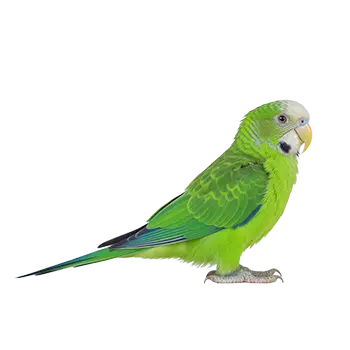
Quaker Parrots are exceptionally intelligent birds that respond enthusiastically to positive reinforcement training methods, making them among the most rewarding small to medium parrots for dedicated training efforts. Their combination of high intelligence, strong food motivation, desire for interaction, eagerness to please, and capacity for extensive learning creates ideal conditions for successful training in multiple areas including trick training, speech development, and behavior modification. Early training beginning as soon as you bring your Quaker Parrot home establishes good behaviors, builds strong bonds, prevents problem developments, and provides essential mental stimulation.
Basic training should start with step-up commands, the fundamental foundation of safe, cooperative bird handling essential for daily care. Use a consistent verbal cue such as "step up" while presenting your hand or a wooden perch for the bird to step onto. Immediately reward successful compliance with enthusiastic verbal praise and a small favored treat. Practice step-up training multiple times daily in brief sessions until it becomes completely automatic and reliable in all situations and locations. This command is absolutely crucial for safe handling, cage cleaning, veterinary exams, and establishing leadership. Progress to step-down commands, teaching your Quaker to willingly leave your hand onto designated perches without resistance.
Trick training capabilities in Quaker Parrots are exceptional due to their high intelligence, problem-solving abilities, and eagerness to interact. They can master complex tricks including waving, turning around, playing dead, retrieving specific objects, navigating elaborate obstacle courses, ringing bells on cue, putting balls in cups, playing basketball, riding toy vehicles, and performing intricate behavior chains combining multiple actions in specific sequences. Target training, where the bird touches a designated stick to its beak, forms an excellent foundation for teaching more elaborate behaviors and building confidence. Use the target stick to guide your Quaker through desired movements, rewarding each correct response immediately. Training sessions should be brief (10-15 minutes) but can occur multiple times daily to maintain engagement and maximize learning without overwhelming attention spans.
Talking ability and vocal mimicry in Quaker Parrots is excellent to exceptional, with these birds ranking among the best talking birds in the small to medium parrot category. Many individuals develop extensive vocabularies of 50-100+ words, phrases, and even sentences with patient, consistent teaching. They often speak with remarkable clarity, excellent pronunciation, and appropriate context usage, sometimes engaging in conversations or responding to questions appropriately. Quaker Parrots don't just mimic mindlessly but often demonstrate understanding of word meanings and contexts. Males may show slightly stronger talking tendencies than females, though individual variation is significant and many females become excellent talkers. They also excel at mimicking household sounds including phone rings, doorbells, microwave beeps, other pets, and family members' voices. Begin speech training early using consistent repetition during times when your bird is alert and receptive. Reward all verbal attempts, even imperfect ones, to encourage continued efforts.
Noise levels throughout the day are moderate to loud, making Quaker Parrots unsuitable for apartments with thin walls or very noise-sensitive environments. Their natural vocalizations include various squawks, screeches, chattering, and contact calls that can be quite loud and carrying, particularly during morning and evening periods when they engage in natural flock calling behaviors. They can be persistently vocal when seeking attention, excited, or calling for their owners. Morning greetings and evening settling periods typically involve considerable calling. Contact calling when separated from their people is common and can be loud and insistent. While their talking ability is wonderful, their overall noise level remains substantial and requires realistic expectations and tolerance.
Managing vocalization involves understanding natural communication needs while setting appropriate boundaries. Contact calling when you leave the room is normal flock behavior and should be accepted to a degree. Never yell at or punish a calling bird, as this provides attention reinforcing the behavior you want to discourage. Instead, reward quiet behavior with attention and treats, teaching that silence earns interaction while screaming is ignored. Ensure your Quaker receives adequate exercise, mental stimulation, social interaction, and environmental enrichment preventing boredom-induced screaming. Establish predictable daily routines providing security and reducing anxiety-driven vocalizations. However, given this species' naturally vocal disposition, some calling and noise is normal and should be accepted as part of living with these birds.
Socialization importance cannot be overstated for developing confident, well-adjusted Quaker Parrots that accept multiple people rather than bonding exclusively to one person. Expose young birds to different people of various ages, genders, and appearances while they're most receptive to novelty. Have multiple family members participate in feeding, training, playing, and handling regularly. Avoid allowing the bird to become territorial about one person or location. Take your Quaker to different rooms and environments building confidence and adaptability. This early investment in socialization prevents later aggression, fear, or exclusivity toward family members and visitors.
Bonding techniques include spending quality one-on-one time daily through training sessions, playing interactive games, offering treats, talking and singing together, or simply sitting together while watching television or reading. Talk to your Quaker in friendly, engaging tones throughout the day. Respect body language—if your bird wants space, allow it without forcing interaction. Offer head scratches and gentle petting in areas your bird enjoys, typically around the head, neck, and cheeks. Many Quaker Parrots enjoy being held on their backs like babies once trust is established. Share mealtimes by eating bird-safe foods together. Include your Quaker in household activities allowing participation in family life.
Behavioral challenges in Quaker Parrots include screaming, biting, territorial aggression, and destructive chewing. Screaming can result from boredom, attention-seeking, fear, or natural vocalization instincts. Address underlying causes rather than just managing symptoms. Biting can result from fear, territorialism, hormones, or learned behavior. Identify triggers and remove them when possible. Never physically punish a bird—this destroys trust and escalates aggression. Use the "earthquake" technique (gentle hand wobbling) to unbalance without harming. Learn to read body language: eye pinning, feather ruffling, and lunging indicate potential biting.
Territory issues can develop if Quaker Parrots are allowed to claim cages, cage tops, or rooms as exclusive territory. Prevent this by moving the bird frequently, not allowing prolonged unsupervised time on cage tops, and maintaining control over all spaces. During hormonal periods (typically spring), expect increased territorialism, nesting behaviors, and potential aggression. Adjust handling expectations during these times.
Positive reinforcement methods are the only effective approach for Quaker Parrot training. Reward desired behaviors immediately (within 1-2 seconds) with treats, enthusiastic verbal praise, or head scratches. Use high-value treats like nuts, favorite fruits, or special seeds exclusively for training to maintain maximum motivation. Never use punishment or negative reinforcement—these damage trust and create fearful or aggressive birds. Timing is absolutely critical; rewards must occur immediately after desired behaviors for the bird to make connections. Be patient, consistent, and persistent, as learning requires repetition and time.
With dedicated training efforts, proper socialization, consistent positive reinforcement, and realistic expectations about noise levels, Quaker Parrots can become exceptionally well-behaved, entertaining, and affectionate companions with impressive trick repertoires, extensive vocabularies, and strong bonds with their owners. Their intelligence, trainability, and eagerness to learn make training sessions highly enjoyable and productive, creating opportunities for mental stimulation and relationship building that benefit both bird and owner throughout their long lives together.