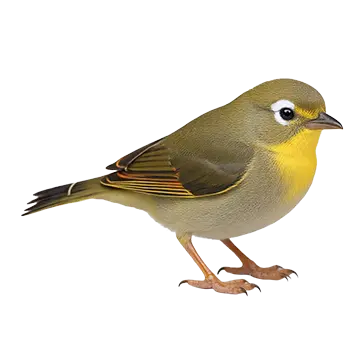

Pekin Robin

Pekin Robin
📸 Photo Gallery Coming Soon

Furry Critter Network Etsy Shop

Quick Facts

🔬 Scientific Name
Leiothrix lutea
🦜 Bird Type
Softbill
📊 Care Level
Beginner to Intermediate
😊 Temperament
Active, Social, Friendly
📏 Adult Size
5.5-6.5 inches
⏱️ Lifespan
6-10 years
🔊 Noise Level
Low to Moderate
🗣️ Talking Ability
None
🍽️ Diet Type
Insect/Fruit-based
🌍 Origin
Asia (China, Himalayas)
🏠 Min Cage Size
24x18x24 inches (minimum)
📐 Size
Small

Pekin Robin - Names & Recognition

The Pekin Robin, scientifically classified as Leiothrix lutea, is known by several common names reflecting its appearance, origins, and characteristics. The name "Pekin Robin" (also spelled Peking Robin or Beijing Robin) references the historical capital of China (Peking/Beijing, now Beijing) near whose region these birds were first encountered by European traders, combined with "robin" referencing superficial resemblance to European and American robins in the orange-yellow breast coloration and active, ground-foraging behaviors, though Pekin Robins are not true robins and belong to a completely different taxonomic family. This species is also widely known as Red-billed Leiothrix emphasizing the distinctive bright orange-red bill, Chinese Nightingale referencing both Chinese origins and beautiful melodious song (though it is not a true nightingale), Japanese Nightingale in some older literature though this is misleading as the species is not native to Japan, and Leiothrix using the genus name. In Chinese, the species is known as "hong zui xiang si niao" (紅嘴相思鳥) meaning red-billed lovesick bird or red-billed leiothrix.

Taxonomically, Pekin Robins belong to the family Leiothrichidae, the laughingthrushes and allies, which was formerly included within the family Timaliidae (Old World babblers) before molecular studies prompted reclassification. The family Leiothrichidae contains numerous Asian species of medium-sized, often colorful, social songbirds including laughingthrushes, sibias, and liocichlas. Within this family, the genus Leiothrix contains just two species: Leiothrix lutea (Pekin Robin/Red-billed Leiothrix) and Leiothrix argentauris (Silver-eared Mesia), both popular in aviculture for their beauty and pleasant songs. The order is Passeriformes, the perching birds or passerines, which includes over half of all bird species.

The scientific name Leiothrix lutea has Greek and Latin origins. "Leiothrix" derives from Greek "leios" meaning smooth and "thrix" meaning hair, referring to the smooth, silky plumage texture characteristic of the genus. "Lutea" is Latin meaning yellow or golden-yellow, referencing the prominent yellow coloration on the throat, breast, and eye-ring. The species was formally described by Scopoli in 1786 based on specimens from China, making it one of the earlier Asian songbirds to receive scientific classification.

Pekin Robins are sometimes confused with several similar-looking species, particularly the closely related Silver-eared Mesia which shares similar size, coloration patterns, and habitat preferences. Silver-eared Mesias show distinctive silvery ear patches and slightly different overall coloration but are kept under very similar conditions in aviculture. Other superficially similar species include various Asian babblers and laughingthrushes, though most are larger and less commonly kept in aviculture. Proper identification is important as care requirements and temperaments vary between species.

Within Leiothrix lutea, several subspecies are recognized based on geographic distribution and morphological variation, though taxonomic treatments vary between authorities. Generally accepted subspecies include L. l. lutea (the nominate subspecies from southeastern China), L. l. kwangtungensis (from Guangdong and surrounding regions), L. l. yunnanensis (from Yunnan province), and L. l. calipyga (from the Himalayas extending through northern India, Nepal, Bhutan, and Myanmar). These subspecies show subtle differences in size, exact plumage coloration intensity, and extent of certain color patches. Birds in aviculture typically represent the nominate subspecies or are of uncertain subspecific origin due to mixed breeding populations.

Historically, Pekin Robins have been kept as cage birds in Asia for centuries, prized for their beautiful appearance and melodious songs. Chinese bird keeping tradition includes these species among the most desirable songbirds. European aviculture encountered Pekin Robins in the 18th-19th centuries through the China trade, with birds being exported to Europe and eventually worldwide. By the 20th century, Pekin Robins had become well-established in international aviculture, bred domestically in many countries. Today, the species is one of the most commonly available and successfully kept small softbills, with substantial captive-bred populations reducing reliance on wild-caught birds.

The common name confusion between "Pekin Robin" and actual robins (family Muscicapidae for European Robins or family Turdidae for American Robins) creates misunderstanding about the species' care requirements and characteristics. True robins are insectivorous or omnivorous thrushes with different dietary needs, behaviors, and care requirements compared to Pekin Robins. Prospective owners should understand Pekin Robins are softbills (birds requiring soft foods including insects and fruits rather than seeds) and are more closely related to babblers and laughingthrushes than to true robins, requiring different care than either seed-eating finches or the insectivorous true robins.

In aviculture, Pekin Robins are considered excellent introductory softbills for bird keepers wanting to learn softbill care without the extreme demands of species like Hill Mynahs or toucans. Their relatively hardy nature, manageable size, pleasant temperament, moderate care requirements, and beautiful appearance and song make them popular among hobbyists. They are commonly kept in both cages and aviaries, successfully maintained singly, in pairs, or in small compatible groups, and bred reasonably successfully by many keepers. This accessibility has made Pekin Robins among the most successful softbills in aviculture.

Pekin Robin Physical Description

The Pekin Robin is a small, compact, colorful songbird measuring approximately 5.5 to 6.5 inches in length from beak to tail tip, making it similar in size to common finches and canaries though with slightly more substantial body structure. Adults typically weigh between 18 to 28 grams (approximately 0.6 to 1 ounce), placing them in the lightweight category typical of small passerines. The body structure is robust and rounded with relatively short rounded wings, medium-length tail, strong legs adapted for hopping on ground and branches, and overall compact proportions creating an attractive, well-balanced appearance.

The most immediately striking feature of Pekin Robins is their beautiful, vibrant coloration combining multiple colors in attractive patterns. The bill is bright orange-red to coral-red, relatively short and slightly curved, thick and strong for an insectivorous bird. This bright bill color is one of the species' most distinctive characteristics, creating strong contrast with the head plumage and giving the bird its alternate name Red-billed Leiothrix. The bill color is vivid and glossy in healthy, well-maintained birds, potentially dulling with poor nutrition or health problems.

The head shows olive-green to grayish-green coloration on the crown and nape. A distinctive bright yellow to golden-yellow eye-ring surrounds the eye, creating a spectacled appearance and adding to the colorful head pattern. This yellow eye-ring is prominent and characteristic of the species. The throat and upper chest display bright yellow to golden-yellow coloration, sometimes with orange tones, creating a colorful bib contrasting with surrounding plumage. The intensity of yellow varies between individuals and with diet and health, with well-fed birds showing more vibrant coloration.

The back, wings, and rump show predominantly olive-green to yellowish-green coloration creating the base color of the upperparts. The wings display beautiful patterning with the wing coverts showing olive-green, while the flight feathers show distinctive coloration - the outer webs of the primaries display bright orange-red to crimson coloration creating striking wing flashes visible particularly in flight or when wings are spread. Some feathers show yellow edges creating additional color patterns. This colorful wing patterning is most visible when birds fly or stretch their wings, creating beautiful displays.

The breast and underparts below the yellow throat show orange to orange-yellow coloration, creating a warm, attractive appearance. The intensity varies between individuals, with some showing deeper orange tones while others are more yellow-orange. The flanks show grayish or brownish wash. The undertail coverts are typically yellowish. The tail is medium length and slightly forked or notched, predominantly dark brown to blackish-brown with yellow outer edges visible particularly from below.

The eyes are dark brown to black, bright and alert. The legs and feet are pinkish-orange to flesh-colored, strong and adapted for hopping on the ground and branches. The feet display the anisodactyl arrangement (three toes forward, one back) typical of most perching birds. The feet are proportionally strong for the bird's size, reflecting their active foraging behavior.

Sexual dimorphism in Pekin Robins is subtle, with males and females appearing very similar though males typically show slightly more vibrant coloration particularly in the yellow throat, orange underparts, and red wing markings. Males generally show more intense, saturated colors while females tend toward slightly duller, more subdued tones. However, these differences are subtle and inconsistent, making visual sexing unreliable. Behavioral differences are more distinctive - males sing more elaborate songs particularly during breeding season, while females produce primarily contact calls and softer vocalizations. DNA sexing provides reliable gender determination when necessary.

Juvenile Pekin Robins show distinctly different appearance from adults, appearing duller overall with less defined color patterns. Young birds display less intense yellow on the throat and eye-ring, duller orange-red bill coloration appearing more brownish-orange, less vivid orange in the wing patterns, more olive-brownish overall coloration without the bright tones of adults, and generally less defined plumage patterns. These juvenile characteristics gradually disappear through successive molts over several months, with birds achieving full adult plumage and coloration by 6-10 months of age. Singing development in young males begins around 3-4 months with immature subsong gradually developing into full adult repertoire.

Color variation exists between individuals based on subspecies, diet, genetics, and individual variation. Birds receiving optimal diets including appropriate carotenoid sources show more vibrant yellow and orange coloration, while those on suboptimal diets may appear washed-out or pale. Captive-bred birds may show slightly different coloration than wild birds due to dietary differences. However, overall pattern and general appearance remain consistent across the species, making Pekin Robins readily identifiable.

The overall impression of Pekin Robins is attractive, colorful small songbirds showing a pleasing combination of greens, yellows, oranges, and red creating eye-catching appearance without being gaudy or overwhelming. Their compact size, active movements, and pleasant coloration make them delightful to observe. When in good condition with proper care and nutrition, they display sleek, glossy plumage and vibrant colors creating beautiful displays particularly when multiple birds are housed together in aviaries.

Affection Level
Pekin Robins show low to moderate affection levels, being friendly and comfortable around familiar humans but not seeking extensive physical contact or bonding like parrots. Hand-raised birds become quite tame and fearless, readily approaching owners for food or perching nearby during interaction, though they rarely enjoy handling or petting. They show affection through proximity, comfortable presence, singing, and active engagement rather than cuddling or extensive touch. Their friendly, trusting nature makes them pleasant companions without demanding intensive emotional bonding.
Sociability
Pekin Robins are highly social birds benefiting greatly from companionship, preferably housed in pairs or small compatible groups. They naturally form flocks in the wild and show strong social behaviors in captivity including singing together, foraging as groups, roosting in proximity, and engaging in social interactions. Single birds can bond with human companions but require substantial daily interaction preventing loneliness. Pairs or groups are more natural and welfare-positive, showing natural behaviors while reducing human-dependency. Their high sociability makes them excellent for aviaries housing multiple compatible birds.
Vocalization
Pekin Robins are low to moderately vocal birds producing pleasant, melodious songs and calls that are genuinely enjoyable rather than harsh or annoying. Males sing beautiful, varied songs consisting of warbles, trills, and whistled phrases, particularly during breeding season. Both sexes produce soft contact calls and chirps for communication. The volume is moderate, easily audible in the same room but not ear-splitting or carrying throughout entire houses. Their pleasant singing is an appealing characteristic, providing auditory enjoyment without overwhelming noise, making them suitable for apartments and close-neighbor situations.
Intelligence
Pekin Robins demonstrate moderate intelligence typical of small songbirds, showing good learning ability, memory for routines and environments, problem-solving in foraging contexts, and social cognition. They quickly learn cage layouts, recognize their keepers, understand feeding schedules, and can be trained for basic behaviors through positive reinforcement. While less cognitively advanced than parrots or corvids, they show sufficient intelligence to be engaging companions requiring mental stimulation through environmental enrichment, varied diet presentation, and interactive opportunities.
Exercise Needs
Pekin Robins are highly active, energetic birds requiring substantial daily exercise through constant hopping, flying, foraging, and exploration. They are in frequent motion, actively investigating their environment rather than sitting sedentary for extended periods. Adequate cage space allowing horizontal movement, varied perch placement encouraging hopping and short flights, and daily out-of-cage time if safe provide necessary exercise. Their high activity level prevents obesity, maintains cardiovascular health, and supports psychological wellbeing, making them engaging to observe but requiring appropriately sized housing.
Maintenance Level
Pekin Robins require moderate maintenance levels, significantly less demanding than expert softbills like Hill Mynahs or Green Aracaris but more involved than seed-eating finches or canaries. Their insect/fruit-based diet requires daily fresh food preparation, though less extensively than larger frugivorous species. They create moderate mess from droppings and scattered food requiring daily cleaning but far less explosive and projectile than larger softbills. Weekly cage maintenance, daily food and water changes, and regular enrichment rotation are necessary. Overall, they offer manageable care for beginners willing to learn softbill basics.
Trainability
Pekin Robins show low to moderate trainability, being intelligent enough to learn basic behaviors through positive reinforcement but lacking the extensive training capacity of parrots. They can be habituated to human presence becoming quite tame and fearless, learn to take mealworms or treats from hands, and may be trained for simple behaviors like step-up or recall if patient owners use appropriate food rewards. However, their small size, active nature, and natural wariness limit complex training. They cannot learn speech or elaborate tricks, making them observation and auditory enjoyment birds rather than extensively trainable companions.
Independence
Pekin Robins have moderate independence, requiring regular social interaction and mental stimulation but being less demanding than parrots or highly social softbills. Single birds need daily interaction preventing loneliness, while pairs or groups are more self-sufficient, entertaining each other through natural social behaviors. They can occupy themselves for reasonable periods with appropriate enrichment including foraging activities and environmental exploration. This moderate independence makes them suitable for people wanting engaging birds without overwhelming daily demands, though they are inappropriate for anyone unable to provide regular attention and proper care.

Natural Habitat & Range

Pekin Robins inhabit mountain forests and scrublands across a broad range in South and East Asia, extending from the Himalayas in northern India, Nepal, Bhutan, and Myanmar eastward through China (where they are widespread in southern and central regions) to northern Vietnam. This extensive distribution covers diverse geographic regions within the broadly montane zone characteristic of the species' ecology. The natural range spans thousands of miles and includes varying conditions, though birds consistently prefer forested mountain habitats rather than lowland or open areas. Different subspecies occupy specific regions within the overall range, with morphological variation reflecting geographic isolation and local adaptation.

Within their range, Pekin Robins show strong habitat preferences for forested mountain regions, typically occurring at elevations from approximately 2,500 to 7,500 feet, though they range from lower elevations to over 9,000 feet in some areas depending on region and season. Their preferred habitats include subtropical and temperate mountain forests with dense understory vegetation, forest edges and clearings within predominantly forested landscapes, secondary growth forests and scrublands if sufficiently vegetated, bamboo thickets and rhododendron forests particularly in Himalayan regions, hillside scrub with scattered trees and thick undergrowth, and occasionally cultivated areas adjacent to forests including tea plantations. They avoid completely open grasslands, heavily degraded areas lacking cover, and dense primary forests with minimal understory. Their ecology centers on forest understory and edge habitats providing dense vegetation for cover while offering foraging opportunities.

Pekin Robins are primarily understory birds, foraging on the ground or in low vegetation rather than high in the canopy. They hop actively on the forest floor searching for insects and other invertebrates, jump up into low shrubs and bushes for fruits and additional foraging, and generally remain in the lower forest strata rather than ascending to canopy heights. This ground-oriented ecology influences their behavior in captivity where they readily hop on cage floors and low perches.

The climate throughout the Pekin Robin range varies with elevation and season but generally includes temperate to subtropical conditions at the elevations they occupy. Temperature ranges vary considerably from warm summers to cool or cold winters depending on elevation and latitude, with montane regions experiencing significant seasonal variation. Humidity is typically moderate to high, particularly during monsoon seasons bringing substantial rainfall to much of the range. Annual precipitation varies from moderate to high depending on specific location, with many areas receiving 40-80+ inches annually. Seasonal variation is pronounced in most of the range, with distinct wet and dry seasons and significant temperature variation between summer and winter.

In their natural habitat, Pekin Robins are social, gregarious birds typically found in small flocks of 5-20 individuals outside breeding season. These flocks forage together, move through the forest understory as groups, maintain contact through frequent soft calls, and roost communally at night in dense vegetation providing protection from predators and weather. During breeding season, pairs separate from flocks to establish territories, though they may rejoin flocks after breeding concludes. This social nature is maintained in captivity where birds benefit from companionship either from conspecifics or human caretakers.

The daily activity pattern begins at dawn when flocks emerge from roosting sites with soft contact calls and initial foraging. Morning hours are spent actively foraging on the forest floor and in low vegetation for insects, their primary food during most of the year. Pekin Robins feed on a variety of small invertebrates including beetles, caterpillars, spiders, flies, ants, and other small arthropods captured by gleaning from foliage, probing in leaf litter, and catching flying insects. They also consume fruits particularly berries and small soft fruits, with fruit consumption increasing during seasons when fruits are abundant. During midday, birds rest in shaded vegetation, preening, engaging in social interactions, and conserving energy. Late afternoon brings renewed intense foraging before flocks return to traditional roosting sites at dusk.

Males sing frequently particularly during breeding season, producing beautiful melodious songs from conspicuous perches advertising territories and attracting mates. Their songs consist of varied warbles, trills, whistled phrases, and complex sequences incorporating learned elements and improvisation. Singing typically peaks during dawn and late afternoon hours. The songs carry well through forest understory, functioning in territory defense and mate attraction.

Breeding behavior in wild Pekin Robins is seasonal, typically occurring during spring and summer when insect abundance peaks ensuring adequate protein for growing chicks. Pairs form monogamous bonds during breeding attempts. The male courts females through song and display, spreading wings showing the colorful orange-red wing patterns. Pairs build cup-shaped nests in dense shrubs or low trees, usually 3-6 feet above ground, constructing nests from grass, moss, leaves, and other plant materials forming neat cups lined with fine materials. Both sexes participate in nest construction though females do most work.

The female typically lays 3-5 pale blue or greenish-blue eggs with reddish-brown speckles. She incubates eggs primarily though males may occasionally sit briefly, for approximately 12-14 days. Both parents feed chicks after hatching, providing insects and some fruits. Young fledge at approximately 12-15 days but remain dependent on parents for additional 2-3 weeks while learning to forage independently. Some pairs produce multiple broods per season if conditions are favorable.

The conservation status of wild Pekin Robins is currently Least Concern according to the IUCN Red List, with large overall population and broad distribution providing resilience. However, populations have declined in some regions due to habitat loss from deforestation, agricultural expansion, and development, trapping for the cage bird trade though this has decreased with increased captive breeding, and competition from or hybridization with escaped/introduced populations in some areas where they have established outside native range. The species has been introduced to various locations including Hawaiian Islands, where established populations are considered invasive species competing with native birds and potentially spreading avian diseases.

International trade in wild-caught Pekin Robins is regulated, with many populations protected by national laws in range countries. However, the substantial captive-bred population reduces demand for wild-caught birds. Captive breeding is successful and relatively straightforward, producing adequate domestic supply for aviculture without requiring wild capture. Conservation concerns focus on habitat protection within the native range and management of introduced populations outside the natural range to prevent ecological impacts.

Temperament

Pekin Robins possess active, social, friendly, curious temperaments that make them delightful companions for bird enthusiasts seeking colorful, entertaining, melodious softbills without the extreme demands of more challenging species. These hardy, adaptable birds combine attractive appearance with pleasant personalities and manageable care requirements, offering excellent introduction to softbill keeping while providing years of enjoyment through their active behaviors, beautiful songs, and engaging interactions. Understanding Pekin Robin temperament helps owners provide appropriate care and develop realistic expectations about these charming small songbirds.

The activity level in Pekin Robins is high, with these energetic birds spending much of their waking hours in motion. They hop actively on cage floors and from perch to perch with quick, bouncing movements, fly short distances within their enclosures, investigate their environment constantly searching for food and interesting items, forage persistently examining substrate, perches, and surfaces for insects or food, and engage in social interactions with cage mates or human companions. This constant activity makes them entertaining to observe and requires adequate housing providing space for movement. However, they are less frenetically hyperactive than some species like Green Aracaris, showing more measured, purposeful activity rather than manic constant motion.

Social needs in Pekin Robins are significant, reflecting their natural ecology living in flocks. These birds greatly benefit from companionship, ideally housed in compatible pairs or small groups showing natural social behaviors. Pairs bond closely, foraging together, sitting in proximity, preening each other (allopreening), singing together, and showing obvious preference for their companions. Small compatible groups of 3-5 birds can work well in large aviaries, creating dynamic social environments with complex interactions. Single birds can bond with human companions but require substantial daily interaction preventing loneliness and boredom. Isolated Pekin Robins without adequate social contact may develop behavioral problems including excessive vocalization, reduced singing, lethargy, or stereotypic behaviors indicating welfare compromise.

Bonding with humans in hand-raised or well-socialized Pekin Robins can be quite strong, with birds becoming very tame and fearless around familiar people. They readily approach owners for favorite treats like mealworms, may perch on offered hands or shoulders, show excitement when owners appear, and remain calm during routine care and interaction. However, their bonding differs from parrots - they are less focused on physical contact and cuddling, more interested in proximity, food sharing, and inclusion in activities. They show affection through comfortable presence, active engagement, and enthusiastic interaction rather than through extensive petting or handling. Most Pekin Robins tolerate gentle handling when necessary but do not actively seek or enjoy it, preferring to interact on their own terms.

Playfulness and curiosity characterize much Pekin Robin behavior, with these intelligent birds investigating their environment extensively and showing interest in novel objects. They enjoy foraging activities including searching through substrate for hidden mealworms, investigating toys particularly those allowing manipulation or containing treats, exploring new perch arrangements or environmental changes, and engaging in social play with cage mates. Providing varied enrichment satisfies their curiosity and maintains mental stimulation. Understimulated birds become bored though they are less prone to serious behavioral problems than under-enriched parrots.

Vocalization in Pekin Robins is one of their most appealing characteristics, with males producing beautiful, melodious songs that are genuinely pleasant and enjoyable. The songs consist of varied warbles, trills, whistled phrases, and complex sequences often incorporating learned elements and improvisation. Individual males develop unique song repertoires influenced by what they hear from other birds, recordings, or environmental sounds. Singing frequency increases during breeding season when males are in full condition, though many males sing year-round particularly when content and well-maintained. The volume is moderate, easily audible in the same room and potentially audible in adjacent rooms through open doors, but not loud or ear-splitting. Most people find the songs delightful rather than annoying, creating pleasant auditory atmosphere.

Both sexes produce soft contact calls, chirps, and chattering sounds used for communication particularly in paired or group situations. These calls are quiet and unobtrusive, serving to maintain social contact without being loud or persistent. Overall, Pekin Robins are considered low to moderately vocal birds suitable even for apartment living or close-neighbor situations where louder species would be problematic.

Aggression in Pekin Robins is generally low, with these birds showing relatively peaceful temperaments compared to many species. However, territorial behavior can occur particularly during breeding season when males may show aggression toward other males or defend nest sites. Incompatible individuals may fight if forced together, requiring monitoring when introducing new birds. Generally, aggression is manageable through appropriate housing, avoiding overcrowding, providing multiple feeding stations, and careful observation of social dynamics. Most Pekin Robins coexist peacefully in appropriate conditions.

The hardiness of Pekin Robins is notable, with these birds being relatively robust and adaptable compared to many softbills. They tolerate temperature variation reasonably well within appropriate ranges, adapt to various housing situations, are less prone to stress than many species, and generally show good health with proper care. This hardiness makes them forgiving of minor husbandry mistakes and suitable for beginners learning softbill care. However, this relative hardiness should not encourage neglect - proper care remains essential for long-term health and wellbeing.

Messiness in Pekin Robins is moderate, significantly less than frugivorous softbills like Hill Mynahs or Green Aracaris but more than seed-eating finches. Their droppings are small and relatively well-formed rather than explosive and projectile, creating manageable mess requiring daily cleaning but not the overwhelming constant maintenance of larger softbills. They scatter food somewhat during foraging but are not extremely messy eaters. Overall, their messiness is acceptable for most keepers willing to perform daily cage maintenance.

Pekin Robins require owners who appreciate colorful, active, melodious songbirds, can provide softbill diet including insects and fruits, are willing to maintain daily cleaning routines, can offer adequate housing allowing movement, ideally can provide companionship through pairs or groups, and want engaging birds without overwhelming demands. They are appropriate for beginners interested in softbills, experienced bird keepers seeking relatively easy softbills, people wanting pleasant singing without excessive noise, those seeking colorful birds with manageable care, and anyone desiring hardy, adaptable, friendly companions. However, they are inappropriate for people unable to provide insects (particularly live mealworms), those wanting extensively trainable or talking birds, anyone unable to maintain daily fresh food and cleaning routines, or those expecting parrot-like bonding and interaction. For owners with realistic expectations - Pekin Robins provide years of beauty, song, and entertainment with manageable, straightforward care requirements.

Care Requirements

Pekin Robins require appropriately sized housing providing adequate space for their high activity level and natural behaviors, though their requirements are less extreme than large frugivorous softbills. The absolute minimum cage dimensions for a single Pekin Robin or compatible pair are 24 inches long by 18 inches wide by 24 inches tall, though significantly larger is strongly preferred - ideally 36+ inches long by 24+ inches wide by 30+ inches tall providing better quality of life and adequate exercise space. For groups of 3-5 birds, provide substantially larger housing with minimum 48+ inches length or preferably aviaries. Length is most important dimension as Pekin Robins move primarily horizontally through hopping and short flights rather than vertical climbing.

Bar spacing should measure 1/2 inch maximum to prevent escape or head entrapment, typical of cages marketed for finches and small softbills. Horizontal bars on at least two sides facilitate climbing and hopping. Cage construction using powder-coated steel provides adequate durability and ease of cleaning at reasonable cost, or stainless steel for maximum durability and easy sanitization. Avoid zinc-coated or galvanized materials as zinc toxicity affects birds. Cages must feature secure door closures as intelligent birds may learn to manipulate simple latches.

Cage location should provide safe, appropriate environment. Position cages in rooms where family activity occurs but avoiding extremely high-traffic areas causing stress. Provide natural light or full-spectrum lighting showcasing their beautiful coloration, but avoid direct intense sunlight that could overheat birds. Avoid drafty locations near windows, doors, or HVAC vents. Keep cages away from kitchens where toxic fumes pose risks. Place cages at comfortable viewing height, typically eye level, allowing easy observation and maintenance.

Perches should vary in diameter from approximately 1/4 to 1/2 inch, sized appropriately for small feet. Natural wood branches from safe tree species make excellent perches providing varied diameters, textures, and opportunities for natural bark picking behavior. Position numerous perches at varying heights and locations allowing extensive hopping and short flights. Include both horizontal perches for normal perching and diagonal or vertical branches encouraging natural climbing and movement. Avoid overcrowding limiting movement but provide abundant perching options.

Substrate on cage bottom facilitates the ground-foraging behaviors Pekin Robins display naturally. Appropriate substrates include plain newspaper (economical and easily changed), paper towels, or specialized bird-safe substrates like coconut fiber or organic soil allowing natural foraging behaviors. Some keepers provide naturalistic substrates where birds can search for scattered mealworms, replicating wild foraging. Grates over substrates prevent birds from accessing droppings while allowing foraging on clean upper surfaces. Change substrate daily removing droppings and uneaten food preventing unsanitary conditions.

Toys and enrichment maintain mental stimulation for these intelligent, curious birds. Provide foraging devices hiding mealworms encouraging natural food-seeking behaviors, small bells and hanging toys they can investigate, natural branches with leaves and buds for exploration, small mirrors (though monitor for excessive fixation), rotating novel objects maintaining novelty, and live plants in aviaries if safe and non-toxic. Pekin Robins are not highly destructive but enjoy manipulating and investigating objects. Observe individual preferences and provide accordingly.

Bathing opportunities are essential as Pekin Robins love bathing, requiring regular access for hygiene and obvious pleasure. Provide shallow bathing dishes, misting with spray bottles, or attach bath houses to cage doors 2-3+ times weekly. Many birds bathe enthusiastically, splashing vigorously. Some prefer misting while others prefer dishes. Offer both options determining preferences. Clean bathing water should be provided, removing promptly after use.

Feeding stations require thoughtful arrangement. Use multiple dishes for different food types - separate containers for mealworms, fruits, pellets if offered, and fresh water. Heavy, stable dishes or attached crock-style bowls prevent tipping. Position some dishes on cage floor accommodating ground-foraging behaviors. Place other dishes at various heights encouraging movement between feeding locations. Expect to clean and refill dishes daily as food spoils quickly and birds may defecate in dishes.

Nest boxes should only be provided if breeding is specifically intended. For non-breeding situations, avoid providing nesting materials or boxes that stimulate breeding behaviors and potential egg laying causing health risks particularly for single females. If breeding, provide wicker nest baskets or enclosed wooden boxes positioned in upper cage areas with appropriate nesting materials.

Cage cleaning requires consistent daily and weekly maintenance. Daily tasks include removing droppings and soiled substrate, removing uneaten insects and fruits preventing spoilage, thoroughly washing all food and water dishes. Weekly, perform thorough cage cleaning including washing all bars and surfaces with bird-safe disinfectant, cleaning or replacing soiled perches, washing all toys and enrichment devices, replacing substrate completely, and inspecting for damage or wear. Monthly deep cleaning and inspection ensures excellent condition.

Environmental conditions affect health and comfort. Pekin Robins tolerate temperatures 65-80°F comfortably, handling moderate variation though they are less cold-tolerant than some species. Protect from drafts and sudden temperature changes. Maintain humidity 40-60% supporting respiratory health and feather condition. Provide appropriate lighting cycles - natural photoperiods or 12-14 hours light daily using timers. UV lighting for 10-12 hours daily supports vitamin D synthesis and calcium metabolism particularly for birds without natural sunlight exposure.

Out-of-cage time provides excellent exercise and enrichment if safe conditions allow. Bird-proof exercise areas thoroughly removing hazards including toxic plants, open water containers, windows and mirrors birds might fly into, ceiling fans, and other dangers. Supervise constantly as curious birds investigate everything. Provide landing perches and play areas. Many Pekin Robins become quite tame, readily perching on owners' hands or shoulders during supervised interaction. However, recapture can be challenging as these quick, agile fliers maneuver well. Have recapture strategies planned before allowing free flight.

Aviaries provide optimal housing for Pekin Robins, particularly for pairs or groups. Outdoor or indoor aviaries measuring 6+ feet long by 3+ feet wide by 6+ feet tall with planted areas, natural branches, varied perches, and ample space allow natural behaviors and social dynamics. Aviaries require protection from predators through secure construction, weather protection, and appropriate temperature management but provide excellent quality of life for these active, social birds.

Feeding & Nutrition

Proper nutrition for Pekin Robins requires balanced omnivorous feeding emphasizing both insect protein and fresh fruits with appropriate supplementation, replicating their natural diet as insectivorous/frugivorous ground foragers. Understanding and implementing proper softbill nutrition is essential for maintaining health, vibrant plumage coloration, good body condition, and longevity. While Pekin Robins are more forgiving than some softbills regarding minor dietary imperfections, proper feeding remains critical for optimal welfare.

Live insects should comprise 30-40% of daily diet, providing essential protein and engaging natural foraging behaviors. Mealworms serve as the staple insect, offered daily in quantities birds consume readily - typically 10-20 mealworms per bird daily depending on size, activity level, and other diet components. Mealworms are readily available from pet stores, easily stored (refrigerated in bran or oats), and enthusiastically consumed by most Pekin Robins. However, mealworms alone are nutritionally incomplete, requiring supplementation with other foods and vitamins. Crickets provide excellent variety and nutrition, offered 2-3 times weekly in appropriate sizes (small to medium crickets for Pekin Robins). Crickets should be gut-loaded (fed nutritious foods before offering to birds) enhancing nutritional value. Waxworms, though highly palatable, are very high in fat and should be limited to occasional treats 1-2 times weekly rather than staples. Fruit flies (flightless Drosophila) provide variety and enrichment particularly for breeding birds or young birds. Other commercially available insects including silkworms, butterworms, or phoenixworms (black soldier fly larvae) can be offered for variety. Avoid wild-caught insects that may have pesticide exposure.

Fresh fruits should comprise 30-40% of diet, providing vitamins, moisture, and variety. Appropriate fruits include berries (blueberries, strawberries, raspberries, blackberries - excellent choices readily accepted), apple (seeds removed as they contain cyanogenic compounds), pear, papaya, mango, grapes (halved to prevent potential choking), melon (cantaloupe, honeydew, watermelon), banana (limited due to high sugar and potential iron content), kiwi, and various other fruits. Offer extensive variety rotating fruits daily ensuring diverse nutrient intake and preventing boredom. Cut fruits into small pieces approximately 1/4 inch, appropriate for small bills. Remove uneaten fruits within 4-6 hours preventing bacterial growth and spoilage. Wash all fruits thoroughly removing pesticides or choose organic options. Avoid avocado which is toxic to birds.

Specialized low-iron softbill pellets formulated for insectivorous/omnivorous softbills can comprise 20-30% of diet if birds accept pellets, providing balanced nutrition while minimizing iron content. Several manufacturers produce appropriate formulations including specific insectivore or softbill diets. These pellets are formulated with reduced iron compared to standard parrot or finch pellets. Offer pellets in separate dishes or moistened and mixed with fruits. Many Pekin Robins initially resist pellets but gradual introduction combined with mixing pellets into preferred foods often succeeds over weeks. Pellet acceptance is beneficial providing nutritional insurance, though proper variety of fresh foods remains essential even with pellet supplementation.

Fresh vegetables can be offered comprising approximately 10% of diet though many Pekin Robins resist vegetables preferring fruits and insects. Appropriate vegetables include grated or finely chopped carrot, leafy greens (romaine lettuce, kale in moderation), bell peppers, peas, green beans, and others. Mix vegetables with preferred fruits sometimes improving acceptance. Persistence may gradually increase vegetable consumption though some individuals never readily accept vegetables.

Cooked egg provides additional protein and can be offered 1-2 times weekly in small amounts. Hard-boiled egg finely chopped including crushed shell for calcium makes excellent supplement particularly during breeding or molt. Egg should be removed within a few hours preventing spoilage.

Calcium supplementation is important particularly for breeding females preventing egg binding and supporting bone health. Provide finely ground cuttlebone mixed into soft foods, calcium powder dusted on mealworms or fruits, or calcium-enriched insects (gut-loaded with calcium). Monitor calcium status and adjust supplementation as needed.

Vitamin supplementation supports health particularly for birds not consuming pellets. Use quality avian vitamin supplements specifically formulated for insectivorous/omnivorous birds, following manufacturer directions. Typically, vitamins are provided 2-3 times weekly rather than daily, either added to drinking water (changed frequently as vitamins degrade) or dusted on food. Avoid over-supplementation which can cause toxicities. Choose supplements that are iron-free or low-iron specifically for softbills.

Iron management requires attention as softbills including Pekin Robins can develop iron storage disease from excessive dietary iron, though they appear less severely affected than toucans or Hill Mynahs. Minimize iron intake by avoiding iron-fortified foods, red meat, organ meats (liver, kidney, heart), excessive dark leafy greens very high in iron, raisins and dried fruits concentrating iron, and iron-containing supplements unless specifically prescribed for documented deficiency. Use low-iron softbill pellets rather than standard bird foods. This precaution helps prevent iron accumulation though Pekin Robins are more tolerant than some softbills.

Fresh, clean water must be constantly available in clean dishes changed daily minimum. Pekin Robins drink regularly and bathe frequently, requiring fresh water. Some keepers use water bottles reducing contamination though ensuring birds learn to use bottles is essential. Provide multiple water sources if housing multiple birds.

Treats for training or rewards include favorite mealworms, waxworms (sparingly due to fat), or favorite berries like blueberries. Avoid high-fat, high-sugar treats. Never feed chocolate, avocado, caffeine, alcohol, excessive salt, or other toxic foods.

Foraging enrichment provides important mental stimulation. Scatter some mealworms in substrate or hide in various locations requiring birds to search, use puzzle feeders or foraging devices hiding insects or fruits, vary food presentation, and create foraging challenges maintaining engagement. These activities replicate natural food-seeking behaviors while providing beneficial mental exercise.

Monitor body condition regularly. Healthy Pekin Robins show well-muscled bodies with keel bones palpable but not razor-sharp, active behavior, sleek plumage, and appropriate weight (18-28 grams). Heavy, rounded bodies suggest obesity requiring dietary reduction and increased activity. Thin, prominent keels indicate underweight requiring increased food or veterinary evaluation. Most Pekin Robins consume approximately 1-2 tablespoons of combined food daily though requirements vary individually. During breeding and molt, birds require increased nutrition supporting reproduction or feather growth.

Pekin Robin Health & Lifespan

Pekin Robins are relatively hardy, robust small softbills capable of living 6 to 10 years with proper care, occasionally reaching 12-15 years in exceptional cases with optimal conditions, making them reasonably long-lived for small songbirds. Their general hardiness and adaptability mean they are more forgiving of minor husbandry errors compared to delicate species, though proper care remains essential for maximizing health and longevity. Common health issues affecting Pekin Robins include iron storage disease (hemochromatosis), which affects softbills though Pekin Robins appear less susceptible than toucans or Hill Mynahs, still requiring low-iron diet management, with the condition caused by excessive dietary iron accumulation in tissues particularly the liver, eventually causing organ dysfunction, prevented through feeding primarily fresh fruits and insects while avoiding iron-fortified foods, red meat, organ meats, and iron supplements. Obesity commonly affects captive Pekin Robins fed inappropriate diets high in fat or lacking adequate exercise opportunities, leading to fatty liver disease, reduced activity, shortened lifespan, and various health complications requiring dietary management and increased exercise through larger housing and foraging enrichment. Respiratory infections from bacteria, viruses, or fungi affect Pekin Robins kept in cold, drafty, humid, or poorly ventilated conditions, causing nasal discharge, breathing difficulties, reduced activity and singing, and requiring prompt antibiotic or antifungal treatment plus improved environmental conditions. Parasites including intestinal worms, coccidia, and external parasites (mites, lice) can affect Pekin Robins particularly those housed outdoors or exposed to wild birds, requiring fecal testing and appropriate antiparasitic treatment. Bacterial infections including gastrointestinal infections affect birds kept in unsanitary conditions or exposed to spoiled food, causing diarrhea, lethargy, and weight loss requiring antibiotics and improved hygiene. Metabolic bone disease from calcium or vitamin D3 deficiency can affect Pekin Robins particularly those lacking UV lighting or appropriate calcium sources, causing weak bones, fractures, egg binding in females, and potentially fatal complications requiring calcium supplementation and UV exposure. Egg binding affects female Pekin Robins laying eggs without adequate calcium, appropriate conditions, or optimal health, creating life-threatening emergencies requiring immediate veterinary intervention including calcium injections, warmth, humidity, and potentially manual extraction. Feather plucking and self-mutilation can develop in bored, stressed, or socially isolated Pekin Robins, requiring environmental enrichment, social companionship, and behavioral modification. Overgrown beaks and nails occur in birds lacking appropriate materials for natural wear, requiring periodic trimming by experienced handlers or veterinarians. Bumblefoot (pododermatitis) can develop in birds kept on inappropriate perching surfaces, causing painful foot lesions requiring treatment and improved perch variety. Regular health monitoring by owners is important as small birds instinctively mask illness until advanced stages. While many general practice veterinarians lack specialized avian knowledge, establishing relationships with experienced avian veterinarians before emergencies occur ensures access to appropriate care when needed. Annual wellness examinations are recommended, allowing early detection of subtle problems. During health checks, veterinarians perform thorough physical examinations including weight assessment on gram scales (Pekin Robins typically weigh 18-28 grams, with deviations indicating potential problems), body condition evaluation, examination for external parasites, respiratory assessment, and may recommend fecal testing for internal parasites, blood testing if indicated, and other diagnostics. Proper diet and nutrition for Pekin Robins requires balanced omnivorous feeding emphasizing both insect protein and fruits with appropriate supplements. The diet should consist of live insects comprising 30-40% of intake including mealworms (the staple insect, offered daily), crickets, waxworms (limited due to high fat, offered as treats), fruit flies for variety, and other small commercially available insects providing essential protein. Fresh fruits comprising 30-40% including berries (blueberries, strawberries, raspberries), apple (seeds removed), pear, papaya, mango, grapes (halved), melon, and various fruits offered in small pieces. Specialized low-iron softbill pellets formulated for insectivorous/omnivorous softbills can comprise 20-30% of diet if birds accept pellets, providing balanced nutrition. Fresh vegetables including grated carrot, leafy greens, and others can be offered though many birds resist vegetables. Small amounts of cooked egg for additional protein occasionally. Avoid iron-fortified foods, red meat, organ meats, and excessive fat. Calcium supplementation through finely ground cuttlebone mixed into soft foods or calcium powder dusted on insects is important particularly for breeding females. Vitamin supplementation through quality avian vitamins used 2-3 times weekly supports health, though avoid over-supplementation. Fresh clean water must be constantly available in clean dishes changed daily minimum. Environmental cleanliness prevents disease requiring daily droppings removal and substrate changes, washing food and water dishes daily, weekly thorough cage cleaning and disinfection. Appropriate housing providing adequate space, proper ventilation, suitable temperature range (65-80°F optimal), and protection from drafts maintains health. UV lighting for 10-12 hours daily supports vitamin D synthesis and calcium metabolism particularly for birds housed indoors without natural sunlight exposure.

Common Health Issues

  • Obesity commonly affects captive Pekin Robins fed inappropriate diets high in fat or lacking adequate exercise opportunities, leading to fatty liver disease, reduced activity, shortened lifespan, and various health complications requiring dietary management and increased exercise through larger housing and foraging enrichment.
  • Respiratory infections from bacteria, viruses, or fungi affect Pekin Robins kept in cold, drafty, humid, or poorly ventilated conditions, causing nasal discharge, breathing difficulties, reduced activity and singing, and requiring prompt antibiotic or antifungal treatment plus improved environmental conditions.
  • Metabolic bone disease from calcium or vitamin D3 deficiency can affect Pekin Robins particularly those lacking UV lighting or appropriate calcium sources, causing weak bones, fractures, egg binding in females, and potentially fatal complications requiring calcium supplementation and UV exposure.
  • Egg binding affects female Pekin Robins laying eggs without adequate calcium, appropriate conditions, or optimal health, creating life-threatening emergencies requiring immediate veterinary intervention including calcium injections, warmth, humidity, and potentially manual extraction.
  • During health checks, veterinarians perform thorough physical examinations including weight assessment on gram scales (Pekin Robins typically weigh 18-28 grams, with deviations indicating potential problems), body condition evaluation, examination for external parasites, respiratory assessment, and may recommend fecal testing for internal parasites, blood testing if indicated, and other diagnostics.
  • UV lighting for 10-12 hours daily supports vitamin D synthesis and calcium metabolism particularly for birds housed indoors without natural sunlight exposure.\n\nOwners must recognize illness signs requiring attention including lethargy or dramatic decrease in activity, loss of appetite or weight loss, difficulty breathing or respiratory sounds, changes in droppings including diarrhea or color changes, fluffed feathers maintained for extended periods, discharge from eyes or nostrils, limping or inability to perch, reduced or absent singing in males who previously sang regularly, and sudden behavior changes.

Preventive Care & Health Monitoring

  • Metabolic bone disease from calcium or vitamin D3 deficiency can affect Pekin Robins particularly those lacking UV lighting or appropriate calcium sources, causing weak bones, fractures, egg binding in females, and potentially fatal complications requiring calcium supplementation and UV exposure.
  • Egg binding affects female Pekin Robins laying eggs without adequate calcium, appropriate conditions, or optimal health, creating life-threatening emergencies requiring immediate veterinary intervention including calcium injections, warmth, humidity, and potentially manual extraction.
  • Feather plucking and self-mutilation can develop in bored, stressed, or socially isolated Pekin Robins, requiring environmental enrichment, social companionship, and behavioral modification.
  • Annual wellness examinations are recommended, allowing early detection of subtle problems.
  • Proper diet and nutrition for Pekin Robins requires balanced omnivorous feeding emphasizing both insect protein and fruits with appropriate supplements.
  • Specialized low-iron softbill pellets formulated for insectivorous/omnivorous softbills can comprise 20-30% of diet if birds accept pellets, providing balanced nutrition.

Regular health monitoring by owners is important as small birds instinctively mask illness until advanced stages. While many general practice veterinarians lack specialized avian knowledge, establishing relationships with experienced avian veterinarians before emergencies occur ensures access to appropriate care when needed. Annual wellness examinations are recommended, allowing early detection of subtle problems. During health checks, veterinarians perform thorough physical examinations including weight assessment on gram scales (Pekin Robins typically weigh 18-28 grams, with deviations indicating potential problems), body condition evaluation, examination for external parasites, respiratory assessment, and may recommend fecal testing for internal parasites, blood testing if indicated, and other diagnostics. Proper diet and nutrition for Pekin Robins requires balanced omnivorous feeding emphasizing both insect protein and fruits with appropriate supplements. The diet should consist of live insects comprising 30-40% of intake including mealworms (the staple insect, offered daily), crickets, waxworms (limited due to high fat, offered as treats), fruit flies for variety, and other small commercially available insects providing essential protein. Fresh fruits comprising 30-40% including berries (blueberries, strawberries, raspberries), apple (seeds removed), pear, papaya, mango, grapes (halved), melon, and various fruits offered in small pieces. Specialized low-iron softbill pellets formulated for insectivorous/omnivorous softbills can comprise 20-30% of diet if birds accept pellets, providing balanced nutrition. Fresh vegetables including grated carrot, leafy greens, and others can be offered though many birds resist vegetables. Small amounts of cooked egg for additional protein occasionally. Avoid iron-fortified foods, red meat, organ meats, and excessive fat. Calcium supplementation through finely ground cuttlebone mixed into soft foods or calcium powder dusted on insects is important particularly for breeding females. Vitamin supplementation through quality avian vitamins used 2-3 times weekly supports health, though avoid over-supplementation. Fresh clean water must be constantly available in clean dishes changed daily minimum. Environmental cleanliness prevents disease requiring daily droppings removal and substrate changes, washing food and water dishes daily, weekly thorough cage cleaning and disinfection. Appropriate housing providing adequate space, proper ventilation, suitable temperature range (65-80°F optimal), and protection from drafts maintains health. UV lighting for 10-12 hours daily supports vitamin D synthesis and calcium metabolism particularly for birds housed indoors without natural sunlight exposure. Owners must recognize illness signs requiring attention including lethargy or dramatic decrease in activity, loss of appetite or weight loss, difficulty breathing or respiratory sounds, changes in droppings including diarrhea or color changes, fluffed feathers maintained for extended periods, discharge from eyes or nostrils, limping or inability to perch, reduced or absent singing in males who previously sang regularly, and sudden behavior changes. Small birds deteriorate rapidly once symptoms appear, making prompt veterinary attention important. With appropriate balanced diet emphasizing insects and fruits while managing iron intake, clean environment, adequate housing, proper lighting, and attentive monitoring, Pekin Robins can live their full 6-10+ year lifespan as delightful singing companions bringing beauty and song to their keepers' lives with manageable, straightforward care requirements appropriate for beginners learning softbill keeping.

Training & Vocalization

Pekin Robins show low to moderate trainability, being intelligent enough to learn basic behaviors and become quite tame through patient habituation and positive reinforcement but lacking the extensive training capacity of parrots or the vocal learning abilities of mynah birds. Understanding realistic training goals and appropriate methods helps owners develop positive relationships with these small songbirds while avoiding frustration from unrealistic expectations. Training focuses primarily on habituation, taming, and basic management behaviors rather than complex tricks or performances.

Habituation training begins immediately with new birds, establishing trust and comfort with human presence. Start by simply spending time near the cage, talking softly, moving slowly, and allowing birds to observe without feeling threatened. Over days to weeks, gradually increase proximity and interaction, offering favorite treats like mealworms through cage bars, hand-feeding mealworms once birds readily accept them, opening cage doors while offering treats encouraging approach, and ultimately allowing calm presence during cage maintenance and daily care. Hand-raised birds typically tame quickly while parent-raised birds require more patience. Some individuals become remarkably tame, readily perching on offered hands or shoulders, while others remain somewhat wary preferring minimal handling.

Step-up training teaches birds to step onto offered fingers, hands, or perches on command, facilitating safe handling for health checks, cage transfers, or supervised out-of-cage time. Use favorite treats like mealworms as rewards, presenting fingers or perches near bird's feet while showing treat, immediately rewarding with treat when bird steps up, and repeating consistently building reliable behavior. Short frequent sessions (3-5 minutes) work better than long sessions. Some Pekin Robins learn step-up readily while others resist, preferring minimal handling.

Recall training can teach birds to fly to handlers when called, useful for birds receiving supervised free flight. Use high-value treats, start with very short distances, gradually increase distance as success builds, always reward immediately upon arrival, and practice regularly maintaining reliability. However, recapture of free-flying Pekin Robins can be challenging due to their speed and agility, making careful consideration necessary before allowing unsupervised flight.

Foraging training and problem-solving provide appropriate mental stimulation. Teaching birds to manipulate puzzle feeders, investigate foraging devices, search for hidden mealworms, or solve increasingly complex challenges engages their intelligence appropriately. Many Pekin Robins show good problem-solving when motivated by food rewards, figuring out how to access hidden treats through various manipulations.

Clicker training can be effective with motivated individuals, using distinct click sounds marking desired behaviors followed immediately by rewards. This creates clear communication accelerating learning. However, the hyperactive nature and short attention spans of Pekin Robins make sustained training sessions challenging.

Realistic expectations are essential - Pekin Robins will never achieve the complex trick repertoires of parrots, cannot learn speech or complex vocal mimicry, and have natural limitations in trainability due to their ecology and cognition. Training should focus on practical management behaviors, trust-building, and enrichment rather than elaborate performances.

Vocalization in Pekin Robins represents one of their most appealing characteristics and a primary reason many people acquire this species. Males produce beautiful, melodious songs that are genuinely pleasant and enjoyable, consisting of varied warbles, trills, whistled phrases, and complex sequences. Individual males develop unique song repertoires incorporating learned elements from other birds they hear, recordings played near them, or environmental sounds they find interesting. This learned component means song quality and variety can be enhanced through exposure to good singers during development, though genetic components also influence vocal ability.

Singing frequency and intensity vary based on season, age, health, and social context. Males in breeding condition during spring and summer months sing most frequently and intensely, often producing extended song sessions particularly during morning and late afternoon hours. Males housed with females or in proximity to other males sing more than isolated males, with competition stimulating vocal performance. Young males begin singing around 3-4 months with immature subsong gradually developing complexity, achieving full adult song by 8-12 months. Well-maintained, healthy, content males sing more than stressed, ill, or poorly kept birds, making singing a useful health indicator.

The volume of male Pekin Robin song is moderate, easily audible throughout the room and potentially in adjacent rooms through open doors, but not loud or penetrating like parrot screams or harsh like some softbills. Most people find the songs delightful rather than annoying, creating pleasant auditory atmosphere without overwhelming noise. This moderate volume makes Pekin Robins suitable for apartments and situations where very loud birds would be problematic.

Females do not sing elaborate songs, producing primarily soft contact calls, chirps, and occasional subsong. Both sexes vocalize through contact calls maintaining social communication, particularly in paired or group situations. These calls are quiet and unobtrusive.

Pekin Robins absolutely cannot learn to talk or mimic speech like parrots or mynahs. Their vocal learning is limited to their species-typical songs and calls, potentially incorporating some environmental sounds into song phrases but never producing human speech. People seeking talking birds should choose appropriate species like parrots or Hill Mynahs.

Owners should appreciate Pekin Robins primarily for their natural singing abilities, beautiful appearance, active engaging behaviors, and friendly personalities rather than expecting extensive trainability or vocal mimicry. Their appeal lies in being delightful, colorful, melodious songbirds requiring manageable care while providing years of visual and auditory enjoyment through observation of their natural behaviors.

Children & Other Pets

Integrating Pekin Robins into households with children or other pets requires consideration of the birds' small size, somewhat delicate nature, active temperament, and appropriate role as primarily observation and auditory enjoyment birds rather than extensively interactive pets. However, Pekin Robins are among the better softbills for family situations due to their hardy nature, friendly temperament, moderate care requirements, and pleasant rather than problematic vocalizations, making them more suitable for families than challenging species like Hill Mynahs or Green Aracaris.

Regarding children, Pekin Robins can be appropriate for families with responsible children if proper education and supervision occur. These small birds are delicate and can be injured through rough handling, squeezing, or dropping, making supervision essential with young children. However, they cannot bite severely - their small bills can deliver minor pecks that may startle but rarely cause significant injury, making them safer than larger birds with powerful beaks. Their non-aggressive temperament means they typically flee rather than attack when frightened, reducing bite concerns.

The appeal to children includes beautiful, colorful appearance capturing visual interest, pleasant singing providing auditory enjoyment without annoying family members, active behaviors entertaining to watch, relatively straightforward care teaching responsibility, and opportunity to observe natural foraging and social behaviors. Many children find watching Pekin Robins search for hidden mealworms or bathe enthusiastically highly entertaining.

Families should establish clear rules including gentle handling only under supervision for older children, no grabbing or chasing birds, washing hands before and after contact preventing disease transmission, immediate adult notification of problems or escapes, understanding birds require daily care including fresh insects and fruits, and recognizing these are living creatures deserving respect. The moderate maintenance requirements make Pekin Robins manageable for families, though adults must maintain ultimate responsibility ensuring consistent care throughout the 6-10+ year lifespan.

Older responsible children and teenagers can successfully maintain Pekin Robins learning valuable lessons about animal care, responsibility, and the rewards of consistent husbandry. Preparing daily food including insects and fruits, maintaining clean environment through daily cage care, monitoring health and behavior, and providing enrichment and social interaction teach important life skills. The relatively forgiving nature of Pekin Robins compared to delicate species means minor mistakes are less catastrophic, though proper care remains essential.

Young children under 5-6 years typically lack the motor control and understanding for safe interaction with small birds. Supervision must be constant. However, older children with proper education and adult oversight can interact appropriately, developing positive relationships with family Pekin Robins.

Integrating Pekin Robins with other household pets requires caution but is more manageable than with many species. Cats represent the most serious threat as natural predators whose hunting instincts are triggered by small active birds. Even well-fed, seemingly docile cats can attack birds within seconds, causing fatal injuries. Cat saliva contains bacteria rapidly fatal to birds even from minor scratches. If cats and Pekin Robins must coexist, birds must be housed in completely separate rooms with securely closed doors preventing cat access at all times, or in extremely secure cages cats absolutely cannot access. Even with precautions, the chronic stress of predator presence may affect bird welfare. The safest approach avoids keeping these species together.

Dogs present less immediate danger but require management. Some dogs show prey drive toward small animals while others ignore them. Dog barking may stress birds. Generally, secure housing preventing dog access to birds, training dogs to ignore bird areas, and supervision when both are present allows coexistence. The moderate vocalizations of Pekin Robins are less likely to trigger excessive dog interest than loud screaming birds.

Small mammals including rabbits, guinea pigs, hamsters, and rodents can generally coexist with Pekin Robins in separate secure housing without direct concerns. Maintain separate cages preventing any contact and monitor for stress signs in either species.

Regarding other birds, Pekin Robins can coexist successfully with various species in appropriately sized aviaries if properly managed. Compatible species include other small softbills of similar temperament (other babblers, white-eyes, sunbirds), finches and canaries though monitoring ensures no aggression, small peaceful doves, and other non-aggressive species of similar size and requirements. Avoid housing with aggressive species, substantially larger birds that might intimidate or harm Pekin Robins, or birds with incompatible dietary needs complicating feeding management.

Multiple Pekin Robins can be housed together successfully with adequate space, multiple feeding stations preventing competition, and careful monitoring of social dynamics. Compatible pairs or small groups show natural social behaviors enriching welfare. However, incompatible individuals may fight requiring separation. Introduce new birds carefully in neutral territory, monitor interactions closely, and be prepared to separate if aggression occurs.

Successful households with Pekin Robins and children/pets include those with responsible family members willing to learn proper care, secure housing preventing pet access to birds, commitment to daily maintenance including fresh insects and fruits, appropriate supervision of all interactions, and realistic expectations about birds' roles as primarily observation pets. The relatively hardy, friendly nature of Pekin Robins combined with their beautiful appearance, pleasant songs, and manageable care requirements make them among the better softbills for family situations where proper education, supervision, and commitment to welfare are present. With appropriate precautions and dedicated care, many families successfully enjoy Pekin Robins as delightful, colorful, melodious companions bringing years of enjoyment without overwhelming demands.