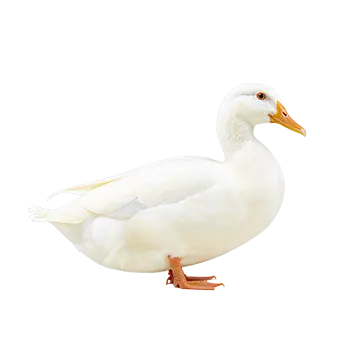
Pekin Ducks are omnivorous waterfowl with relatively simple dietary requirements, though proper nutrition is essential for health, growth, and productivity. In their ancestral wild state, Mallards consume a varied diet of aquatic plants, seeds, insects, small fish, and invertebrates. Domestic Pekins thrive on a similar diverse diet adapted to their captive environment.
The foundation of a Pekin's diet should be commercial waterfowl feed or an appropriate poultry feed. Ducklings require a starter feed with approximately 18-20% protein for the first two weeks, then grower feed with 15-16% protein until they reach adult size at around eight weeks of age. Adult Pekins do well on a maintenance feed with 14-16% protein, though laying hens benefit from layer feed with added calcium to support eggshell production. It's important to choose feeds that are specifically formulated for waterfowl when possible, as these contain appropriate niacin levels, which ducks require in higher amounts than chickens.
Unmedicated feed is crucial for ducks. Many commercial chicken feeds contain medications or supplements that are inappropriate or potentially harmful for waterfowl. Niacin (vitamin B3) supplementation is particularly important for ducklings and growing birds, as deficiency can lead to leg problems and developmental issues. Brewer's yeast can be added to feed to boost niacin content, or a niacin supplement can be added to drinking water.
Fresh vegetables and greens should be offered daily as part of a balanced diet. Pekins enthusiastically consume leafy greens including lettuce, kale, cabbage, and spinach. They also enjoy chopped vegetables such as peas, corn, carrots, cucumbers, and squash. Fresh grass and weeds from pesticide-free lawns provide excellent nutrition and enrichment. Fruits can be offered as occasional treats, including berries, melon, and chopped apples, though these should be limited due to high sugar content.
Protein sources beyond commercial feed include mealworms, crickets, earthworms, and other insects, which Pekins will forage naturally when given outdoor access. Scrambled eggs can be offered as a protein boost, particularly for growing ducklings or laying hens. Small amounts of cooked fish or meat can be given occasionally. Allowing ducks to forage naturally for insects, slugs, and grubs provides both nutrition and behavioral enrichment.
There are several foods that should be avoided as they can be harmful to Pekin Ducks. Bread offers little nutritional value and can cause digestive problems and malnutrition when fed regularly. Avocado is toxic to ducks and should never be offered. Onions, garlic, and foods in the allium family can cause hemolytic anemia. Chocolate, coffee, and caffeinated products are toxic. Dried or raw beans contain toxins and must be cooked thoroughly before offering. Moldy or spoiled food should never be fed as it can cause aspergillosis or botulism.
Grit is essential for proper digestion. Ducks require both soluble grit (such as crushed oyster shell) for calcium and insoluble grit (such as granite grit or coarse sand) to help grind food in their gizzard. Grit should be available free-choice at all times, particularly for birds without regular access to outdoor foraging.
Clean, fresh water must be available at all times for drinking. Ducks consume large amounts of water and need to be able to dip their entire bill in water to drink properly and to clear their nostrils. Waterers should be deep enough for this purpose. Water should be changed daily or more frequently as ducks quickly dirty their drinking water. During winter, measures must be taken to prevent water from freezing.
Treats and supplements should comprise no more than 10-15% of the total diet. Scratch grains, cracked corn, and seeds can be scattered for foraging enrichment but should not replace balanced feed. Calcium supplementation through oyster shell is important for laying ducks. With a proper diet, Pekin Ducks maintain healthy weight, glossy feathers, and good egg production if female, living long and healthy lives.