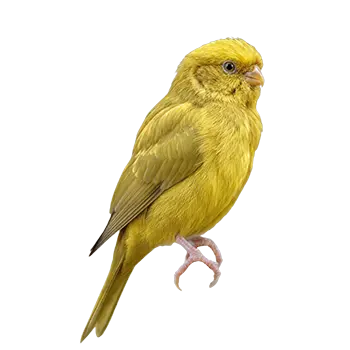

Norwich Canary

Norwich Canary
📸 Photo Gallery Coming Soon

Furry Critter Network Etsy Shop

Quick Facts

🔬 Scientific Name
Serinus canaria domestica
🦜 Bird Type
Canary
📊 Care Level
Moderate
😊 Temperament
Bold, Confident, Independent
📏 Adult Size
6-6.5 inches
⏱️ Lifespan
8-12 years
🔊 Noise Level
Quiet to Moderate
🗣️ Talking Ability
None (sings)
🍽️ Diet Type
Seed-based
🌍 Origin
Domesticated (Norwich, England, 1800s)
🏠 Min Cage Size
24x18x18 inches minimum
📐 Size
Small

Norwich Canary - Names & Recognition

The Norwich Canary is a domesticated variety of the species Serinus canaria domestica, which encompasses all domestic canaries regardless of breed type. Like all pet and exhibition canaries, Norwich Canaries descend from the wild canary (Serinus canaria), a small finch native to the Macaronesian islands. The Norwich Canary belongs to the type canary category, specifically bred for body conformation, size, and overall appearance rather than color or song, though males do sing pleasantly. The breed represents one of the oldest established type canary breeds, with documentation dating back to the early 19th century, and has remained consistently popular throughout its nearly 200-year history.

The name Norwich Canary references the breed's geographic origin in Norwich, England, where the breed was developed during the early 1800s. Norwich, a historic city in Norfolk, eastern England, had a thriving textile industry during this period, and weaving families—many of Flemish origin who had migrated to Norwich—took particular interest in canary breeding as a hobby. These weavers, working from home, kept canaries for companionship and song, and gradually developed selective breeding programs. The Norwich weavers bred specifically for larger, more robust birds with distinctive chunky, rotund body shapes quite different from other canary breeds being developed elsewhere. By the mid-19th century, the Norwich Canary had become sufficiently distinctive and standardized to be recognized as a separate breed, with the first Norwich Canary clubs forming in the 1870s and formal breed standards being established and refined over subsequent decades.

The Norwich Canary's most common nickname is the 'John Bull' of the canary fancy, referencing the traditional personification of England as John Bull—a stout, ruddy-faced, robust character representing English qualities of strength, determination, and solid reliability. This nickname perfectly captures the Norwich Canary's physical appearance and temperament: large, chunky, bold, and confident with a distinctively British character. Other historical names include Norwich Plainhead (distinguishing them from crested varieties), though this term is less commonly used in modern contexts. In early development and historical literature, various local Norwich-area names may have been used, but Norwich Canary quickly became and has remained the universally accepted breed name.

The scientific classification Serinus canaria domestica applies to all domestic canaries regardless of breed, with 'domestica' denoting domesticated status. All canary breeds can interbreed and are taxonomically the same species, with breed differences representing human-selected variations rather than distinct species. Recent molecular studies suggesting placement in genus Crithagra rather than Serinus have created ongoing taxonomic discussions, though Serinus remains widely used in avicultural contexts.

As a type canary, the Norwich Canary is judged in shows and exhibitions based on adherence to specific breed standards defining ideal physical characteristics. These standards, maintained by national and international canary organizations including the Norwich Canary Club (UK), specify requirements for size (large and substantial, 6-6.5 inches), body shape (bold, chunky, and rotund with broad chest and rounded back), head shape (large, broad, and rounded), stance (confident and upright but not excessively erect), plumage (dense, soft, and abundant creating rounded appearance), and overall impression of substance and bold character. The Norwich standard emphasizes what fanciers call 'type'—the distinctive combination of size, shape, substance, and character that makes a Norwich unmistakable. The ideal Norwich should appear bold, chunky, and well-filled out, conveying an impression of robust health and confident vitality.

A distinctive feature of Norwich Canary breeding and exhibition is the distinction between clear-flighted and variegated birds. Clear Norwich show pure color without dark melanin, while variegated Norwich show dark markings. Historically, Norwich were often bred and shown as 'clear-caps'—birds with colored heads and necks but clear wings and body, though modern standards allow various color distributions. The breed is shown in numerous color varieties including clear yellows (pure rich yellow), clear buffs (softer, frosted appearance), variegated yellows and buffs (with dark markings), green (yellow ground with dark overlay), cinnamon (brown melanin), and numerous modern color mutations. However, as type canaries, Norwich are judged primarily on conformation and type rather than color, with color being secondary consideration.

The Norwich Canary has a distinguished history in competitive exhibition, with dedicated breed clubs, specialized shows, and passionate breeders maintaining and improving the breed for nearly two centuries. The breed has faced challenges including periods where overly exaggerated type led to health problems, prompting efforts to maintain functional, healthy birds while preserving distinctive Norwich character. Modern Norwich breeding emphasizes both classic type and robust health, avoiding extremes that compromise wellbeing.

The breed ranks among the most popular type canaries particularly in the United Kingdom where it originated, though it has substantial followings in Europe, North America, and worldwide wherever canary fancy is practiced. Norwich Canaries are prized for their distinctive impressive size and chunky appearance unique among canaries, bold, confident personality and engaging demeanor, robust constitution when properly bred, pleasant singing ability in males, and suitability for both casual keepers appreciating their substantial presence and dedicated exhibitors pursuing show quality birds. The breed's enduring popularity across nearly 200 years reflects successful achievement of breeders' goals—creating a large, distinctive, robust canary with unmistakable character and appeal.

Norwich Canary Physical Description

The Norwich Canary is a large, impressively built canary measuring approximately 6 to 6.5 inches (15-16.5 centimeters) in length from beak to tail tip, making it one of the largest type canaries and indeed one of the largest commonly kept domestic canaries of any category. This substantial size represents one of the breed's primary defining characteristics and distinguishing features. Adult Norwich Canaries typically weigh between 28 and 35 grams (1.0-1.2 ounces), making them noticeably heavier and more substantial than smaller breeds like Borders (20-25 grams) or Fifes (12-16 grams). The breed's ideal appearance has been described as resembling a 'ball' or 'orange'—extremely rounded, chunky, and bold without elongated or angular features.

The body structure of the ideal Norwich Canary features a large, broad, rounded head that appears substantial and bold rather than small or refined, flowing smoothly into a thick, full neck creating impressive substance, a very broad, deep chest creating a prominent, well-filled breast that conveys power and substance, a rounded back forming a smooth, curved arc from neck to tail, and a short, compact body that appears chunky and well-filled with no suggestion of length or delicacy. The overall silhouette should be distinctly rotund and chunky—the Norwich should look 'cobby' (short and thick-set) with maximum width and depth throughout the body. The wings should be carried tightly against the body without drooping or crossing. The tail is relatively short and proportional to the chunky body, carried in line with the body rather than raised or drooped excessively.

Stance and posture in Norwich Canaries is characteristically bold and confident, standing at approximately 45-60 degrees from horizontal—more upright than horizontal breeds but not excessively erect. This confident, upright stance combined with the chunky, rounded body creates the breed's characteristic bold, assertive appearance that fanciers prize. The legs are positioned well apart reflecting the broad body, and the bird should stand firmly and confidently. When perched, Norwich Canaries appear large, substantial, bold, and confident—conveying an impression of robust health and vitality befitting their 'John Bull' nickname.

The plumage of Norwich Canaries is particularly distinctive, being dense, soft, and abundant, creating the breed's characteristic rounded, well-filled appearance. Unlike tight-feathered breeds with sleek plumage lying flat against the body, Norwich possess what fanciers call 'buff' or 'double-buff' feathering—broader feathers with softer texture creating a fuller, more rounded appearance. This abundant, soft plumage is essential to achieving proper Norwich type, as it creates the rounded contours and substantial appearance the breed is known for. The feathers should show good quality and condition with natural sheen reflecting proper care, though they lie softer and fuller than in smooth-feathered breeds. This distinctive feather type means Norwich require careful breeding management, as breeding buff to buff repeatedly can produce excessively soft, loose plumage and potential feather quality problems, while breeding yellow to buff produces ideal feather quality and texture.

Color varieties in Norwich Canaries are extensive, with birds shown in virtually all recognized canary colors. The primary color divisions include clear birds showing pure color without dark melanin pigments—either clear yellow with rich, deep yellow coloring throughout or clear buff with softer, lighter yellow overlaid with white-tipped feathers creating characteristic frosted appearance particularly suited to Norwich's abundant plumage. Variegated birds show combinations of clear areas and areas with dark melanin pigments, with various patterns from lightly variegated to heavily marked. Self-colored birds show even color distribution including green (yellow ground with dark overlay), cinnamon (brown melanin), blue (white ground with dark overlay), and fawn (white ground with brown overlay). Modern Norwich are bred in numerous color mutations including white, isabel, agate, and various contemporary genetic color variations.

Historically, Norwich were particularly famous for being bred in clear yellow, and the rich, deep yellow Norwich with abundant soft plumage became an iconic image of the breed. However, modern exhibition Norwich are shown successfully in all color varieties, with type and conformation remaining the primary judging criteria regardless of color.

The distinction between yellow and buff feathering is particularly important in Norwich breeding. Yellow birds have narrow feathers creating denser, tighter plumage with more intense color. Buff birds have broader feathers with white tips creating softer, fuller, more frosted appearance—and it is this buff feathering that gives Norwich their characteristic chunky, rounded appearance. Standard breeding practice involves pairing yellow to buff, producing offspring with ideal balance between color intensity and feather fullness. However, Norwich type traditionally favors buff characteristics, and some breeders work with buff-to-buff pairings carefully managed to maintain feather quality while maximizing the full, rounded appearance that defines the breed. This requires significant expertise and attention to feather quality across generations.

The beak is relatively short, thick, and proportional to the large head, typically horn-colored or pale flesh-colored. Despite appearing substantial, it functions perfectly for all normal canary behaviors. The eyes are dark and bright, creating an alert, bold expression that contributes to the breed's confident character. The legs and feet are flesh-colored to pinkish-grey, relatively short and sturdy, proportional to the substantial body. The legs are positioned well apart reflecting the bird's broad body, contributing to the confident, well-balanced stance that characterizes proper Norwich type.

Sexual dimorphism in Norwich Canaries, as in all canaries, relates primarily to behavior and vocalization rather than physical appearance, making visual sexing extremely difficult or impossible. Males sing elaborate, melodious songs particularly during breeding season when in breeding condition, establishing territories and attracting mates through vocal displays. Females typically do not sing or produce only very soft chirps. Males may show marginally larger, bolder builds in some cases, though this is subtle and unreliable for sexing. DNA testing provides the only reliable method for determining sex before males begin singing.

Juvenile Norwich Canaries show less defined plumage, body shape, and type than adults, appearing smaller and less well-filled with softer feather texture. Young birds undergo their first adult molt around 8-12 weeks of age, gradually developing full adult plumage, mature body conformation, and proper substance over several months. Young males may begin attempting song during this period. Full adult type, optimal conformation meeting breed standards, and peak condition are typically achieved by 10-14 months of age, with continued development possible in the second year.

The overall appearance of the Norwich Canary combines substantial size with distinctive chunky, rotund shape, creating one of the most recognizable and impressive canary breeds. Their bold presence, confident demeanor, and substantial build make them stand out among canaries. The breed's combination of large size, distinctive type, abundant soft plumage, pleasant singing ability in males, robust constitution, and suitability for both casual keepers appreciating their impressive appearance and dedicated exhibitors breeding for show quality has established the Norwich as one of the most popular and enduring type canary breeds, maintained and admired for nearly 200 years.

Affection Level
Norwich Canaries do not form bonds with humans and are not affectionate companion birds. They are observational cage birds that remain independent and somewhat wary regardless of daily interaction. They become stressed by handling attempts and should only be observed from outside their cages. Their appeal lies in their impressive size, bold appearance, confident demeanor, and melodious singing in males.
Sociability
Norwich Canaries can be kept singly or in same-sex groups. Males are typically housed individually as they become territorial, particularly during breeding season. Females can sometimes be housed together successfully. While not intensely social as finches, they appreciate the presence of other canaries nearby and respond to hearing other males sing. They remain completely independent from human social interaction.
Vocalization
Male Norwich Canaries are pleasant singers with melodious, cheerful songs. While bred primarily for body conformation rather than song, Norwich males produce delightful warbling and trilling. Their songs are moderate in volume, pleasant to most listeners, and never overwhelming. Their larger size may produce slightly fuller-bodied song compared to smaller breeds. Females typically don't sing or produce only soft chirps.
Intelligence
Norwich Canaries demonstrate moderate intelligence typical of canaries. They learn daily routines, recognize their caretakers, and can distinguish between different people and situations. While intelligent within their behavioral range, they lack problem-solving abilities of parrots and are not trainable for tricks. Their intelligence is expressed through song learning, environmental awareness, and social recognition.
Exercise Needs
Despite their chunky build, Norwich Canaries are active birds requiring daily flight exercise. Their larger, heavier bodies make adequate exercise particularly important for preventing obesity and maintaining cardiovascular health. They benefit from spacious cages allowing flight between perches and appreciate out-of-cage flight opportunities. Active movement is essential for these substantial birds.
Maintenance Level
Norwich Canaries require moderate maintenance including daily feeding, fresh water, and cage cleaning. They are messier eaters than smaller breeds, scattering more seed hulls due to their size. While less demanding than parrots, they need proper housing, balanced diet, regular bathing opportunities, and health monitoring. Their larger size makes some handling easier but doesn't reduce fundamental care requirements.
Trainability
Norwich Canaries are not trainable in traditional senses and should not be regularly handled. They are observational cage birds that remain naturally wary. They can learn to recognize feeding times and may become less nervous around familiar caretakers, but this represents habituation rather than training. They cannot learn tricks or commands and handling causes stress.
Independence
These canaries are extremely independent and neither require nor desire human interaction beyond basic care provision. Males particularly are content alone, entertained by singing, foraging, bathing, and observing their environment. Their bold, confident demeanor combined with complete independence makes them ideal for people who appreciate impressive, substantial birds with pleasant songs without demands of interactive pets.

Natural Habitat & Range

As a fully domesticated breed developed during the early 19th century through selective breeding, Norwich Canaries have no natural habitat in the wild, existing exclusively in captivity as human-created variants of domestic canaries. The breed was developed entirely in Norwich, England by weavers and artisans who selectively bred for increasingly large, chunky body shapes distinct from other canary varieties. However, understanding the ancestral origins of all domestic canaries provides important context for proper care and understanding of fundamental needs.

All domestic canaries, including Norwich Canaries, ultimately descend from the wild canary (Serinus canaria), a small finch endemic to the Macaronesian islands of the Atlantic Ocean including the Canary Islands (from which all canaries derive their common name), the Azores, and Madeira, located off the northwestern coast of Africa. These volcanic islands feature varied topography and climates ranging from subtropical to temperate Mediterranean, providing diverse habitats where wild canaries thrive.

Wild canaries in their native habitats occupy diverse environments including forests, scrublands, agricultural areas, gardens, and edge habitats where open areas meet vegetation. They demonstrate remarkable adaptability across various elevations from sea level to mountainous regions exceeding 5,000 feet. The climate throughout the wild canary's native range is predominantly Mediterranean to subtropical, characterized by mild, wet winters and warm, dry summers with year-round moderate temperatures that rarely reach extremes. Winter temperatures seldom drop below 50°F (10°C), while summer temperatures typically range from 70-85°F (21-29°C). This evolutionary history in mild, stable conditions influences captive care requirements.

Wild canaries are social birds forming flocks ranging from small groups to large aggregations outside breeding season. During breeding season, males establish territories through song and displays. The wild diet consists predominantly of small seeds from diverse plant species including grass seeds, seeds from herbaceous plants, small fruits and berries, occasional buds and soft plant material, and during breeding season, small insects fed to chicks requiring protein.

The domestication history of canaries dates back approximately 500 years to the early 16th century when Spanish sailors brought wild canaries from the Canary Islands to Europe. Initially kept for their songs, canaries became popular across Europe, with breeding populations establishing and selective breeding beginning. The Norwich Canary emerged as a distinct breed in Norwich, England during the early 19th century, developed primarily by weaving families who kept canaries as hobby birds while working at home.

Norwich had a substantial weaving industry during the 1700s and 1800s, with many weavers of Flemish descent who had brought canary-keeping traditions from continental Europe. These weavers selectively bred for larger, more robust birds with chunky body shapes, gradually developing the distinctive Norwich type. By the mid-1800s, the Norwich Canary was sufficiently distinctive to be recognized as a separate breed. The Norwich Canary Club was established in 1890, formalizing breed standards and promoting the breed. The Norwich became extremely popular in late Victorian and Edwardian Britain, with substantial numbers bred for both exhibition and pet keeping.

The breed faced challenges during both World Wars when breeding populations declined due to food shortages and disrupted breeding programs. Post-war revival efforts restored populations, though some breeders noted changes in type and quality requiring careful breeding selection to restore classic Norwich characteristics. Modern Norwich breeding emphasizes maintaining historical type while ensuring robust health and avoiding exaggerations that might compromise wellbeing.

Modern Norwich Canaries are completely domesticated, having been bred exclusively in captivity throughout their nearly 200-year existence as a distinct breed. They are even further removed from wild ancestors than the original domestic canaries from which they were developed. They retain fundamental canary behaviors including singing in males, seed foraging patterns, and basic social responses, but are fundamentally domestic animals utterly dependent on human care, bearing the same relationship to wild canaries that highly bred domestic animals bear to their wild progenitors. The Norwich Canary's substantial size and distinctive chunky conformation represent advanced examples of human influence through selective breeding, producing viable, healthy breeding populations of birds substantially larger and dramatically different in shape from either wild ancestors or foundation domestic canaries.

Temperament

The Norwich Canary possesses a temperament characteristic of canaries—active, independent from human interaction, and appreciated primarily for observation, impressive appearance, and the melodious songs produced by males rather than for companionship or handling. However, Norwich Canaries are often noted by fanciers as having particularly bold, confident personalities befitting their substantial size and 'John Bull' character. Despite their chunky appearance, they are active, engaging birds with personalities as large as their bodies. These are quintessential observational cage birds valued for their impressive size, distinctive appearance, engaging demeanor, and pleasant song from males.

Norwich Canaries do not form bonds with humans, do not seek or desire human attention or physical contact, and do not become tame or handleable regardless of hand-raising, extensive daily exposure, or generations of captive breeding. They retain their naturally independent, somewhat wary disposition characteristic of canaries, viewing close human approach with caution and handling attempts with stress. Regular handling causes distress, panic responses, potential injury from frantic escape efforts, and chronic stress that can suppress singing in males and compromise health. Their value lies entirely in observation and auditory enjoyment—watching their confident movements and engaging behaviors, appreciating their substantial, impressive appearance, and most importantly for males, listening to their melodious, cheerful songs.

Many Norwich fanciers note that these birds seem to possess particularly bold, confident personalities compared to some other canary breeds. Their substantial size may contribute to this apparent confidence, as they move with assurance and presence, hopping boldly between perches and feeding with obvious enthusiasm. While this boldness doesn't translate to seeking human interaction, it does create engaging personalities that many owners find appealing. Norwich often appear unflappable and confident in their environments, quickly adapting to routines and showing less nervousness than some smaller, more delicate breeds.

Male Norwich Canaries are valued for their singing ability. While bred primarily for body conformation and type rather than song like specialized song breeds, Norwich males produce genuinely pleasant, melodious songs consisting of varied trills, warbles, rolls, and whistled phrases. Their songs are similar in complexity to other type canaries, though some fanciers note that their larger bodies and lung capacity may produce slightly fuller-bodied, more resonant songs compared to smaller breeds. Males sing enthusiastically particularly during morning and evening hours when in good health and breeding condition, with song serving to establish territory, attract potential mates, and express vitality and contentment. Song quality varies between individuals, with some males developing extensive repertoires while others sing simpler though still pleasant songs.

Female Norwich Canaries typically do not sing or produce only very soft chirps and occasional quiet calls. For those specifically seeking singing ability, acquiring males is essential, though visual sexing is unreliable until males begin singing around 6-12 months of age.

Social structure in Norwich Canaries follows typical canary patterns. Males are generally housed individually as they become territorial particularly during breeding season, establishing their cage space as defended territory. Individual housing causes no distress in males, who appear perfectly content alone, occupied with singing, foraging, bathing, preening, and observing their environment. Their bold personalities mean they seem genuinely self-sufficient and confident in solitary housing. Females can sometimes be housed together successfully in appropriately sized cages, though individual temperaments vary and some females show aggression requiring separation.

However, even when housed individually, Norwich Canaries benefit from the presence of other canaries nearby. Males housed within sight or hearing of other males often sing more enthusiastically, engaging in competitive vocal displays. This social stimulation provides enrichment even without physical contact.

Interaction style with humans is characterized by wariness but with less extreme nervousness than some very delicate breeds. Norwich Canaries typically hop to far perches when humans approach, becoming alert and watchful, but they generally settle more quickly than extremely nervous species. With patient, consistent care involving slow movements, quiet voices, and predictable routines, Norwich become habituated to their caretaker's presence, continuing to feed, sing, and move about normally rather than remaining frozen in fear. Their bold personalities may contribute to this relatively calm adaptation, though they remain fundamentally independent birds with no desire for human contact.

Vocalization patterns beyond song include various soft chirps and contact calls. Both sexes produce soft, quiet chirps with slightly different calls for contentment, mild alarm, hunger, and social communication. These vocalizations are quiet and unobtrusive. The real vocal feature is the male's song—enthusiastic, melodious, reasonably complex, and delivered with apparent confidence and enjoyment. Song quality can be influenced by genetics, exposure to good singers during development, overall health and condition, breeding status, and individual variation.

Mood indicators in Norwich Canaries include active, constant movement indicating contentment, regular feeding behavior, enthusiastic singing in males indicating good health, alert upright posture, and smooth well-maintained plumage. Signs of stress or illness include persistently fluffed feathers, lethargy, loss of appetite, males stopping singing, labored breathing, and behavioral changes. Characteristic Norwich behaviors include confident hopping and movement reflecting their bold personalities, enthusiastic bathing with vigorous splashing, active foraging, and territorial displays in males including raised crown feathers and aggressive posturing.

Daily activity patterns include dawn activity peaks when males begin singing vigorously and all birds become active, mid-morning continued activity, midday rest periods particularly during warm weather, afternoon resumption of activity, and evening activity before roosting with males often singing enthusiastically again before settling. Maintaining consistent photoperiod of 12-14 hours light and 10-12 hours darkness helps regulate breeding condition and prevents stress.

Behavioral quirks characteristic of Norwich Canaries include their notably bold, confident demeanor appearing unafraid and self-assured in their environments, enthusiastic bathing creating impressive splashing displays, hearty appetite befitting their substantial size, males' head-thrown-back posture while singing delivering powerful phrases, and general impression of robust health and vitality that makes them engaging to observe despite their independent nature.

Training is not applicable to Norwich Canaries. They cannot learn tricks or commands and do not respond to training beyond basic habituation to routines. The appropriate approach involves providing proper care while respecting their independent nature and appreciating them for what they offer—impressive size and presence, distinctive chunky appearance, bold confident character, and particularly in males, melodious song.

Care Requirements

Providing appropriate housing for Norwich Canaries requires understanding their substantial size, need for flight space despite chunky build, proper environmental conditions, and recognition that their larger bodies require more spacious accommodations than smaller breeds. The absolute minimum cage size for a single Norwich Canary is 24 inches long by 18 inches deep by 18 inches tall, though significantly larger cages are strongly preferred. Despite their chunky appearance, Norwich are active birds that benefit substantially from cages measuring 30-36 inches or more in length providing better flight opportunities essential for exercise, preventing obesity, and maintaining cardiovascular health. Their larger, heavier bodies make adequate exercise particularly important.

Cage construction should feature predominantly horizontal bars facilitating climbing and movement. Bar spacing must be appropriate—3/8 to 1/2 inches maximum to prevent head entrapment while accommodating their larger size compared to tiny breeds. The cage should be constructed from powder-coated metal or stainless steel. All cage doors must feature secure closures.

Cage location should provide bright natural light ideally near windows. Avoid direct intense sunlight given their abundant plumage can cause overheating, drafty areas, or temperature extremes. Position cages at comfortable viewing height. Maintain ambient temperatures 60-75°F. Their dense plumage provides good insulation against cold but makes them more susceptible to overheating, requiring good ventilation. Keep away from kitchens to avoid toxic fumes.

Perch variety and strategic placement are important. Provide multiple sturdy perches of varying diameters (approximately 3/8 to 5/8 inches thick) positioned at different heights. Their larger size and weight require sturdy perches that won't flex excessively. Natural wood perches from safe tree species provide varied diameter and texture. Position perches strategically creating flight corridors while leaving open space. Their heavier bodies need particularly sturdy perch mounting.

Enrichment items include shallow bathing dishes or commercial bird baths. Norwich typically love bathing enthusiastically, and their abundant plumage means they enjoy and benefit from regular bathing opportunities. Provide cuttlebone permanently attached to cage bars. Offer occasional millet sprays. Small mirrors may interest some birds. Avoid complex toys or hazards.

Substrate options include plain paper, newspaper, or commercial liners changed daily. Their larger size means they produce more droppings than smaller breeds, requiring diligent daily cleaning. Seed hulls accumulate rapidly.

Food and water containers should be appropriately sized for their larger bodies—sturdy, larger dishes that cannot tip easily. Use separate containers for seed mix, fresh foods, and water. Their larger size means they consume more food than smaller breeds, requiring larger seed portions and more fresh foods. Place dishes away from perches. Change water at least once daily, more often if soiled.

Cage cleaning routines should include daily tasks: replacing substrate, cleaning food and water dishes thoroughly, removing uneaten fresh foods, and spot-cleaning soiled areas. Their larger size produces more waste requiring diligent daily maintenance. Weekly tasks include thorough cage cleaning, washing perches, and inspecting equipment. Monthly tasks include deep cleaning and assessment.

Lighting and photoperiod management are important. Provide 12-14 hours light during spring/summer if breeding is desired, reducing to 10-12 hours during fall/winter. Natural daylight works well or use timers. Avoid abrupt photoperiod changes.

Out-of-cage flight time in bird-safe rooms provides valuable exercise particularly important for these substantial birds prone to obesity without adequate activity. Allow supervised flight time several times weekly. This exercise is particularly beneficial for Norwich, helping maintain appropriate weight, muscle tone, and cardiovascular fitness.

Breeding setups require specific accommodations given their larger size including breeding cages (minimum 30x18x18 inches), appropriately sized nest pans, suitable nesting material, enhanced nutrition, appropriate photoperiod, compatible pairs with careful consideration of yellow-buff pairings to manage feather quality, and experience as Norwich breeding presents specific challenges related to their type.

Environmental enrichment includes regular bathing opportunities (particularly important given their abundant plumage), varied perching materials, food variety, positioning near windows, and some respond positively to soft music.

Safety considerations include secure latches, eliminating gaps or hazards, avoiding toxic plants, maintaining proper temperatures with attention to preventing overheating given their dense plumage, ensuring excellent ventilation, and protecting from household hazards including non-stick cookware fumes, aerosols, and toxic chemicals.

Their substantial size requires more space than smaller breeds, and their abundant plumage requires good air circulation and regular bathing opportunities. With proper housing providing adequate flight space, appropriate environmental conditions, excellent hygiene, and suitable enrichment, Norwich Canaries thrive, sing enthusiastically (males), and display their impressive presence and engaging behaviors providing years of enjoyment.

Feeding & Nutrition

Proper nutrition for Norwich Canaries is fundamental to maintaining health, supporting their substantial bodies, enabling molt of abundant plumage, facilitating enthusiastic singing in males, and preventing obesity. Their larger size and chunky build require attention to providing adequate nutrition while preventing excessive weight gain. Understanding and providing appropriate nutrition allows these substantial birds to thrive throughout their 8-12+ year lifespans.

The foundation should consist of high-quality canary seed mix comprising 60-70% of daily intake. Quality mixes should include canary seed as primary component, rape seed, niger seed, small amounts of hemp seed (limited due to fat content), linseed in small amounts, and other appropriate seeds. Premium canary mixes from reputable suppliers provide balanced variety. Their larger size means Norwich consume more seed than smaller breeds, making quality particularly important.

Fresh foods supplement the seed-based diet providing essential vitamins and minerals. Offer daily amounts appropriate to their larger size of dark leafy greens including chickweed, dandelion leaves, romaine lettuce, spinach in moderation, and kale; vegetables including grated carrot, broccoli, corn, and zucchini; fresh fruits including apple pieces (seeds removed), pear, grapes, berries, and orange segments; and herbs including parsley and cilantro. Their larger size means they can consume larger portions than smaller breeds, but avoid overfeeding that contributes to obesity.

Egg food is essential during molt (particularly important given their abundant plumage requiring replacement), breeding season, and beneficial year-round. During annual molt, provide egg food 2-3 times weekly supporting the demanding process of replacing substantial plumage. During breeding, provide daily when raising chicks. Their larger size and abundant plumage make adequate protein particularly important during molt.

Grit and mineral supplementation practices include providing small amounts of fine mineralized grit occasionally. Cuttlebone should be permanently available providing calcium essential for bone health and beak conditioning.

Molting supplements provide valuable support during annual molt particularly important for Norwich with their abundant plumage. These supplements contain increased protein, B-vitamins, minerals, and amino acids supporting feather development. Their substantial plumage makes molt particularly demanding, requiring excellent nutritional support.

Foods to avoid include avocado (highly toxic), chocolate and caffeine, salt and salty foods, sugar and sugary foods, apple seeds and fruit pits, onions and garlic, alcohol, rhubarb leaves, and any spoiled or moldy food.

Water requirements are critical. Provide fresh, clean water daily in appropriately sized dishes changed at least once daily. Their larger size means they may drink more than smaller breeds. Monitor consumption, as changes indicate potential problems.

Supplementation with vitamins can be beneficial particularly during molt, breeding, or stress periods. Water-soluble supplements can be added to drinking water following directions. Avoid over-supplementation.

Foraging enrichment makes feeding engaging. Scatter small amounts of seed encouraging ground foraging, hang millet sprays, provide seeding grasses, rotate food presentation, and offer variety. These activities provide mental stimulation while feeding natural instincts.

Feeding schedules should provide dry seed mix available constantly. Their larger size means they consume more than smaller breeds—monitor consumption to ensure adequate intake without overfeeding. Offer fresh foods once daily, removing unconsumed items after 4-6 hours. Provide egg food and supplements during appropriate periods.

Monitoring food consumption and body condition ensures adequate nutrition while preventing obesity. Norwich should feel firm and well-muscled rather than soft and excessively fat. Prominent keel bones indicate underweight condition, while inability to feel keel bone suggests obesity particularly concerning for this breed. Regular weighing on gram scales (healthy adults typically weigh 28-35 grams) tracks trends. Their chunky appearance should reflect proper robust build with good muscle tone rather than excessive fat deposition. Adjust feeding based on individual requirements, activity levels, and breeding condition.

With appropriate high-quality seed-based diet, fresh food supplementation, egg food during critical periods, mineral provision, molt support particularly important for their abundant plumage, weight monitoring to prevent obesity, and engaging foraging methods, Norwich Canaries maintain excellent health, develop and maintain impressive plumage, sing enthusiastically (males), and thrive throughout their 8-12+ year captive lifespan.

Norwich Canary Health & Lifespan

Norwich Canaries are generally hardy, robust birds when properly bred and provided with appropriate care, though their distinctive body type and abundant plumage require attention to specific health considerations. With optimal conditions including proper diet, appropriate housing, good hygiene, and minimal stress, they typically live 8-12 years, with some individuals documented living 15+ years under exceptional care. The breed's reputation for robust constitution when well-bred reflects their long history and careful selection, though their substantial size and abundant plumage create specific management considerations. Respiratory infections represent significant health concerns in all canaries including Norwich, particularly birds housed in environments with inadequate ventilation, drafts, temperature extremes, or exposure to airborne irritants. Given their abundant plumage and larger bodies, Norwich require good air circulation to prevent overheating while avoiding drafts that can cause chilling. Clinical signs include labored breathing, open-mouth breathing, tail bobbing, nasal discharge, sneezing, reduced or lost song in males (often an early indicator), fluffed feathers, lethargy, and loss of appetite. Air sac mites (Sternostoma tracheacolum) can infest respiratory passages causing breathing difficulties and voice changes. Aspergillosis, a fungal infection, can develop from moldy seed or excessive humidity, requiring aggressive antifungal treatment.

Common Health Issues

  • The breed's reputation for robust constitution when well-bred reflects their long history and careful selection, though their substantial size and abundant plumage create specific management considerations.\n\nRespiratory infections represent significant health concerns in all canaries including Norwich, particularly birds housed in environments with inadequate ventilation, drafts, temperature extremes, or exposure to airborne irritants.
  • Air sac mites (Sternostoma tracheacolum) can infest respiratory passages causing breathing difficulties and voice changes.
  • Aspergillosis, a fungal infection, can develop from moldy seed or excessive humidity, requiring aggressive antifungal treatment.\n\nFeather cysts are particularly problematic in Norwich Canaries due to their abundant, soft plumage and historical breeding practices that sometimes involved buff-to-buff pairings.
  • Proper breeding practices pairing yellow to buff rather than buff-to-buff helps reduce feather cyst incidence, though Norwich's traditional preference for buff type means managing this balance requires expertise.\n\nFeather plucking and abnormal feather loss can occur in Norwich Canaries, though less commonly than in parrots.
  • Obesity leads to fatty liver disease, reduced fertility, cardiovascular problems, and shortened lifespans.
  • Vitamin A deficiency causes respiratory problems, poor feather quality, and reduced immune function.
  • Calcium deficiency particularly affects breeding females, leading to egg binding and poor bone health.
  • Given their larger size, Norwich may consume more food than smaller breeds but still require balanced nutrition rather than just increased quantity.\n\nEgg binding represents a serious emergency for breeding female Norwich Canaries.

Preventive Care & Health Monitoring

  • With optimal conditions including proper diet, appropriate housing, good hygiene, and minimal stress, they typically live 8-12 years, with some individuals documented living 15+ years under exceptional care.
  • Causes include mite infestations, nutritional deficiencies particularly during molt, excessive breeding in females, stress from inappropriate housing, and occasionally breeding pair dynamics where males over-pluck females.
  • Inadequate nutrition during molt can result in incomplete feather replacement, poor quality new feathers, prolonged molt, and increased stress.
  • Proper Norwich type should feel firm and well-muscled rather than soft and excessively fat when handled during health checks.\n\nNutritional deficiencies can develop in Norwich fed inadequate diets.
  • Vitamin A deficiency causes respiratory problems, poor feather quality, and reduced immune function.
  • Calcium deficiency particularly affects breeding females, leading to egg binding and poor bone health.

Regular health monitoring is essential. Daily observation should note activity level, appetite, droppings appearance, breathing pattern, singing in males, and feather condition. Weight monitoring on accurate gram scales helps detect trends. Healthy adult Norwich typically weigh 28-35 grams, noticeably heavier than smaller breeds. Losses of even 3-5 grams represent significant percentages requiring investigation. Proper diet forms the foundation of health maintenance. Clean housing, appropriate environmental conditions, stress minimization, and prompt veterinary attention when concerns arise are critical. With diligent preventive care and decades-long commitment, Norwich Canaries can enjoy healthy, active lives with years of impressive presence and beautiful singing throughout their 8-12+ year lifespan.

Training & Vocalization

Training and taming are not applicable to Norwich Canaries, as these birds are exclusively observational cage birds that remain independent and wary of humans regardless of hand-raising, daily interaction, or generations of captive breeding. Like all canaries, Norwich are appreciated for their impressive appearance, engaging behaviors, and melodious songs from males rather than any bonding or interaction. Their bold, confident personalities don't translate to seeking human contact—rather, their confidence is expressed through assured movement within their own spaces and self-sufficient contentment.

Norwich Canaries typically show less extreme nervousness than some very delicate breeds, likely related to their substantial size and bold character. When humans approach, they hop to far perches, alert and watchful, but often settle more quickly than extremely nervous species. With patient, consistent care involving slow movements, quiet voices, and predictable routines, Norwich become habituated to their caretaker's presence, continuing normal activities rather than panicking. Their bold personalities may contribute to this relatively calm adaptation. However, they remain fundamentally independent with no desire for human contact beyond provision of proper care.

Handling should be limited to essential situations including health examinations, weighing, or medical procedures, using proper gentle technique. Their larger size makes handling slightly easier than tiny breeds, but frequent handling still causes stress and should be avoided. Most daily care can be accomplished without handling birds.

Vocalization patterns and song in male Norwich Canaries represent an appealing characteristic. While bred primarily for body conformation and type rather than song like specialized song breeds, Norwich males produce genuinely pleasant, melodious songs consisting of varied trills, warbles, rolls, and whistled phrases. Their songs are similar in complexity and pleasantness to other type canaries, with some fanciers noting that their larger bodies and lung capacity may produce slightly fuller-bodied, more resonant songs compared to smaller breeds. This fuller tone quality is sometimes described as more substantial or powerful, though not necessarily louder, befitting their impressive physical presence.

Males sing enthusiastically particularly during morning and evening periods when in good health and breeding condition, with song serving to establish territory, attract potential mates, and express vitality and contentment. A male Norwich in optimal condition with proper diet, spacious housing, and minimal stress will sing regularly, providing daily musical entertainment. Song typically begins as males reach sexual maturity around 6-12 months of age, with quality improving over the first year or two.

Song quality can be influenced by genetics with some bloodlines producing superior singers, early exposure to good singing role models, overall health and condition with well-maintained birds singing more enthusiastically, breeding condition influenced by photoperiod, and individual variation with some males naturally more vocal and talented.

Female Norwich Canaries typically do not sing or produce only very soft chirps. For those specifically wanting singing ability, acquiring males is essential, though visual sexing is unreliable until males begin singing. Some suppliers offer sexed birds through DNA testing or guaranteed singing males at premium prices.

Encouraging song involves maintaining appropriate photoperiod with 12-14 hours light during spring/summer bringing males into breeding condition when song is most intense, providing optimal nutrition supporting energy for sustained singing, ensuring appropriate spacious housing with adequate exercise space and minimal stress, positioning males where they can hear other males stimulating competitive singing, and minimizing disturbance.

Beyond song, Norwich produce various soft chirps and contact calls. Both sexes chirp quietly with calls for contentment, mild alarm, hunger, and social communication. These vocalizations are quiet and unobtrusive. The real vocal feature is the male's song—enthusiastic, melodious, delivered with confidence and apparent enjoyment befitting their bold character.

Vocalization levels overall are moderate and suitable for virtually any living situation. Male song is clear and pleasant, moderate in volume, and appreciated by most listeners. The pleasant, musical quality combined with moderate volume makes Norwich excellent choices for those wanting impressive birds with pleasant vocalizations without extreme noise. They are suitable for apartments and most living situations.

While Norwich cannot be trained for tricks and should not be handled regularly, they can learn to recognize daily routines through habituation. Some learn to anticipate bath time, becoming visibly excited when bathing dishes appear. Males may sing more enthusiastically when favorite caretakers appear or at recognized 'singing times.' These represent learned associations rather than training but demonstrate their awareness and adaptation.

The overall temperament and behavior of Norwich Canaries—bold, confident, substantial, independent, and melodiously vocal in males—makes them ideal for people who appreciate impressive, substantial birds with pleasant songs without intensive interaction demands. Their combination of size, distinctive appearance, and pleasant song has established Norwich as highly popular among both casual keepers and dedicated exhibitors.

Children & Other Pets

Norwich Canaries can be appropriate for families with children when proper education, supervision, and realistic expectations are established and maintained. Their larger, more substantial size compared to delicate breeds like Fifes makes them slightly less fragile, though they remain birds requiring gentle, respectful care. Unlike parrots, Norwich present considerations centered on their independent temperament and appreciation through observation and listening rather than interaction.

Age recommendations suggest children under six years old should only observe Norwich under constant adult supervision without approaching cages independently. Young children's sudden movements and loud voices can stress birds. Children aged six to ten can begin learning appropriate care responsibilities including daily food and water provision under supervision, basic observation skills, and proper behavior. Children over ten with demonstrated maturity can gradually take on more responsibilities including cage cleaning and health monitoring, though adults must maintain oversight.

Education is essential. Teach children that Norwich are observational birds for watching and listening to, not pets for handling. Explain that despite their larger size and robust appearance, they are still delicate birds easily stressed by loud noises, sudden movements, or handling attempts. Demonstrate proper behavior including approaching slowly, speaking quietly, and observing from appropriate distances. Show children how to watch for signs of health and stress. Involve children in age-appropriate care tasks.

Supervision requirements include adults ensuring children follow rules, intervening when behavior becomes inappropriate, monitoring that care tasks are completed properly, and taking ultimate responsibility for welfare. Cage location should allow observation and care access while preventing children from constantly disturbing birds.

Safety considerations run primarily toward protecting birds rather than children. Norwich pose virtually no danger—their beaks cannot inflict harmful bites, they never voluntarily approach for contact, and they lack size or strength to cause harm. The risks run opposite, with careless handling, doors left open, or environmental hazards threatening birds. Teach children never to open cage doors unsupervised, never to attempt catching or handling birds, and to immediately report concerns.

Interactions with other household pets require careful management. Norwich are prey animals, and virtually all common pets pose threats. Cats represent the most significant danger. Even gentle cats will often attempt to catch canaries. Never allow cats and Norwich in the same room. Ensure cages are in rooms with securely closed doors and positioned where cats cannot reach.

Dogs pose variable risks. Terriers, hounds, and hunting breeds pose particular dangers. Even gentle dogs' curiosity can terrify nervous birds. Barking can severely stress them. If dogs are present, ensure cages are positioned where dogs cannot reach, in rooms where dogs can be excluded, and that all family members follow safety protocols.

Other household pets including ferrets, rats, mice, and reptiles should never have access to rooms containing Norwich.

Interactions between Norwich and other bird species depend on compatibility. Male Norwich should generally be housed individually due to territorial behavior. Females can sometimes be housed with other female canaries. Mixed-species housing with finches or other small birds is possible in large aviaries but requires careful consideration.

With appropriate precautions, education, and management, Norwich Canaries can thrive in family households. Their substantial size, bold character, and pleasant song (males) make them appealing for families seeking pet birds, provided expectations are realistic about their nature as observational rather than interactive pets. Their larger size compared to delicate breeds may make them slightly more suitable for families, though proper care and respect remain essential throughout their 8-12+ year lifespans.