Maximilian Pionus

Maximilian Pionus
📸 Photo Gallery Coming Soon

Furry Critter Network Etsy Shop

Quick Facts

πŸ”¬ Scientific Name
Pionus maximiliani
🦜 Bird Type
Parrot
πŸ“Š Care Level
Moderate
😊 Temperament
Gentle, Calm, Sweet-natured
πŸ“ Adult Size
11-12 inches
⏱️ Lifespan
25-40 years
πŸ”Š Noise Level
Low to Moderate
πŸ—£οΈ Talking Ability
Limited
🍽️ Diet Type
Pellet-based
🌍 Origin
South America (Brazil, Argentina, Paraguay, Bolivia)
🏠 Min Cage Size
24x24x30 inches
πŸ“ Size
Medium

Maximilian Pionus - Names & Recognition

The Maximilian Pionus is the most commonly used name in aviculture and ornithological literature for this species, honoring Prince Maximilian of Wied-Neuwied, a German naturalist and explorer who extensively studied South American wildlife in the early 19th century. The prince's contributions to natural history, particularly his detailed documentation of Brazilian fauna during his expeditions from 1815-1817, earned him this taxonomic recognition. This species is also widely known as the Scaly-headed Parrot, a descriptive name referring to the distinctive scaled or scalloped appearance of the feathers on the head and neck, where each feather displays dark edging that creates a beautiful pattern.

The scientific name Pionus maximiliani places this bird in the genus Pionus, which comprises nine species of medium-sized, stocky New World parrots known for their relatively quiet nature and gentle temperaments. All Pionus species share certain characteristics including chunky builds, short square tails, and distinctive musty odor when excited or stressed. The genus name Pionus derives from a Greek word meaning "fat" or "plump," aptly describing their robust, sturdy appearance. The species designation "maximiliani" directly honors Prince Maximilian, following standard zoological nomenclature conventions.

Several subspecies of Maximilian Pionus are recognized across the species' extensive South American range, though taxonomic authorities differ somewhat on exact classifications. Generally accepted subspecies include Pionus maximiliani maximiliani, the nominate subspecies from southeastern Brazil; P. m. melanoblepharus from parts of Brazil; P. m. siy from northern Argentina, Paraguay, and Bolivia; and P. m. lacerus from parts of Brazil. These subspecies show subtle variations in size, overall coloration intensity, and extent of scaling on the head and neck, though differences are often difficult to distinguish without direct comparison.

Regional common names vary across the bird's native range in South America. In Brazil, it may be called "Maitaca-de-Maximiliano" or "Maitaca-verde," translating roughly to Maximilian's Parakeet or Green Parakeet in Portuguese. Spanish-speaking regions may use names like "Loro Choclero" in Argentina or variations of "Loro de Cabeza Oscura" (dark-headed parrot). Indigenous peoples throughout the range have their own vernacular names in various local languages. In older ornithological literature, this species was sometimes referred to simply as Maximilian's Parrot or the Scaly-headed Pionus.

In aviculture, this species is almost universally called Maximilian Pionus or Max Pionus for short, with the abbreviated form being particularly popular among breeders and owners. Some enthusiasts use Scaly-headed Parrot interchangeably, though Maximilian Pionus tends to be more prevalent in North American aviculture while Scaly-headed Parrot appears more frequently in European literature. Regardless of the common name used, all refer to the same gentle, bronze-green parrot that has become increasingly popular as more people discover the Pionus genus's appealing characteristics.

Maximilian Pionus Physical Description

The Maximilian Pionus is a medium-sized, stocky parrot measuring approximately 11 to 12 inches in total length from beak to tail tip, with a relatively short, square tail characteristic of all Pionus species. Adults typically weigh between 225 to 275 grams, with individual variation depending on sex, subspecies, and body condition. These parrots have the robust, chunky build typical of the genus, with a large head, thick neck, broad chest, and powerful curved beak designed for cracking hard seeds and nuts.

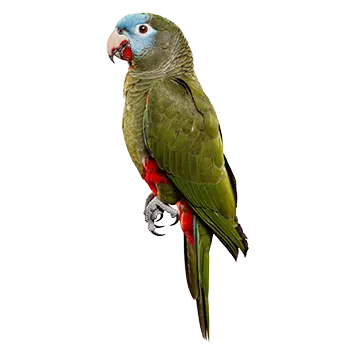
The overall plumage of Maximilian Pionus presents as predominantly bronze-green or olive-green, creating a subtle, earthy appearance that is less flashy than many parrot species but possesses an understated elegance appreciated by those who value natural beauty over bright colors. The body feathers display beautiful bronze or brownish tones overlaying the green base, particularly prominent on the back, wings, and upper breast. This bronzy sheen becomes more pronounced in good lighting and varies somewhat in intensity among individuals.

The most distinctive feature that gives rise to the alternate common name "Scaly-headed Parrot" is the scaled or scalloped appearance of the head and neck feathers. Each feather on the crown, nape, and upper neck displays dark grey to blackish edging that creates a striking scaled pattern against the paler green or greyish-green base color. This scaling is most prominent on the head and gradually becomes less defined toward the lower neck and breast. The throat and upper breast often show violet-blue or purplish iridescence that becomes visible in certain lighting angles, adding another layer of subtle beauty to their appearance.

The undertail coverts are bright red, a characteristic shared by all Pionus species and visible when the bird is in flight or stretching. The tail feathers are green with blue tips on the outer feathers, and the undersides show greenish-yellow tones. The wings are predominantly green with blue edging on the flight feathers. When the wings are spread, flashes of blue and the red undertail become visible, creating surprising splashes of color in an otherwise subdued color palette.

The beak is horn-colored or yellowish-grey with darker grey at the base, appearing substantial and powerful relative to head size. The eyes are dark brown to black, surrounded by bare white to pale grey eye rings that create a subtle but distinctive facial feature. The legs and feet are grey to pinkish-grey, equipped with strong toes and sharp nails capable of gripping branches and manipulating objects.

Sexual dimorphism in Maximilian Pionus is minimal to non-existent, making visual sexing essentially impossible. Males and females appear virtually identical in size, coloring, and physical features. DNA testing or surgical sexing through endoscopy are the only reliable methods for determining sex in this species. Some breeders claim males may have slightly larger heads or more vibrant coloring, but these differences are subtle at best and unreliable for sexing purposes.

Juvenile Maximilian Pionus resemble adults but display duller, less intense coloration overall. Young birds show less pronounced scaling on the head and neck, with the pattern becoming more defined as they mature. The bronze tones on the body feathers are typically paler in juveniles, and the violet iridescence on the throat may be absent or minimal. The beak color in very young birds may appear slightly paler than adults. Full adult plumage develops gradually over the first two to three years of life, with birds achieving their most vibrant coloration at maturity.

Subspecies variation primarily involves subtle differences in overall size and intensity of coloring. The nominate subspecies P. m. maximiliani from southeastern Brazil is considered intermediate in size and coloration. P. m. siy from Argentina, Paraguay, and Bolivia is reported to be slightly smaller with paler, more greyish tones. These variations are primarily of interest to taxonomists and serious breeders, as all subspecies make equally good pets with identical care requirements and temperamental characteristics.

Affection Level
β˜… β˜… β˜… β˜… β˜…
Maximilian Pionus are notably affectionate birds that form strong bonds with their families. They enjoy gentle handling, head scratches, and spending time with their favorite people. While not as overtly cuddly as some species, they show devotion through quiet companionship, leaning into scratches, and contentedly perching near their owners for extended periods.
Sociability
β˜… β˜… β˜… β˜… β˜…
These parrots are social and friendly, typically bonding well with all family members rather than becoming overly possessive of one person. They enjoy being part of household activities and appreciate regular interaction. Maximilian Pionus generally get along well with respectful visitors and can coexist peacefully with other birds when properly socialized and introduced.
Vocalization
β˜… β˜… β˜… β˜… β˜…
One of the quietest parrot species, Maximilian Pionus are ideal for apartments or noise-sensitive situations. They communicate with soft chatters, whistles, and gentle contact calls rather than loud screaming. While they vocalize during morning and evening, their volume is significantly lower than most parrots. This makes them excellent choices for those wanting parrot companionship without excessive noise.
Intelligence
β˜… β˜… β˜… β˜… β˜…
Maximilian Pionus demonstrate considerable intelligence with good problem-solving abilities and capacity for learning. They recognize family members, understand routines, and can master tricks and commands. While perhaps not as overtly clever as African Greys or Amazons, they're smart, observant birds that learn quickly and remember training well. They enjoy mental challenges through puzzle toys and foraging activities.
Exercise Needs
β˜… β˜… β˜… β˜… β˜…
These moderately active birds require daily out-of-cage time for flying, climbing, and exploration, though they're less hyperactive than conures or caiques. Two to three hours of supervised exercise daily is typically sufficient. Maximilian Pionus enjoy playing with toys and exploring but also appreciate quiet time simply perching and observing their environment without constant motion.
Maintenance Level
β˜… β˜… β˜… β˜… β˜…
Maximilian Pionus require moderate maintenance with standard cage cleaning, varied diet preparation, and regular social interaction. They produce minimal powder compared to cockatoos and are relatively neat eaters. Their calm nature makes daily care pleasant rather than demanding. Regular bathing opportunities, toy rotation, and basic grooming needs are typical, making them manageable for committed owners.
Trainability
β˜… β˜… β˜… β˜… β˜…
Maximilian Pionus are moderately trainable and respond well to patient, positive reinforcement methods. They can learn step-up, recall, and various tricks, though training progress may be slower than with more outgoing species. Their calm, gentle nature means they appreciate slow-paced training sessions. With consistency and appropriate motivation, they become well-behaved, cooperative companions who understand household routines and expectations.
Independence
β˜… β˜… β˜… β˜… β˜…
Maximilian Pionus balance companionship needs with reasonable independence. They can entertain themselves with toys for moderate periods but still require daily interaction and shouldn't be ignored. They're suitable for working owners who provide quality morning and evening time, though they appreciate having company during the day when possible. Their calm demeanor makes them less demanding than needier species.

Natural Habitat & Range

The Maximilian Pionus enjoys a broad natural distribution across much of central and eastern South America, with populations occurring in Brazil, eastern Bolivia, Paraguay, and northern Argentina. This extensive range covers diverse habitats and elevations, demonstrating the species' adaptability to varying environmental conditions. The distribution is not continuous but rather occurs in suitable habitat patches throughout this large geographic area, with some local populations being more abundant than others depending on habitat quality and human impacts.

Within their range, Maximilian Pionus inhabit various forest types and woodland habitats. They show particular affinity for gallery forests along rivers and streams, forest edges, secondary growth woodlands, savanna with scattered trees, and agricultural areas interspersed with forest patches. These adaptable parrots utilize both humid tropical forests and drier subtropical woodlands, occurring from lowlands to elevations of approximately 1,500 meters in some areas. They're most commonly found in transitional zones between dense forest and more open habitats rather than deep primary forest interiors.

The climate throughout their range varies from tropical to subtropical depending on latitude and elevation. Most areas experience seasonal rainfall patterns with distinct wet and dry periods, though the timing and intensity of these seasons vary geographically. Temperatures in their native habitat generally range from 60Β°F to 95Β°F depending on season and location, with cooler temperatures occurring at higher elevations and during winter months in the southern portions of their range in Argentina. Maximilian Pionus have demonstrated remarkable adaptability to these climatic variations, adjusting their behaviors and movements seasonally in response to weather and food availability.

In the wild, Maximilian Pionus are social birds that typically occur in pairs, family groups, or small flocks of up to 20 individuals, though larger gatherings may form at abundant food sources or communal roosting sites. They are strong fliers capable of covering substantial distances during daily movements between feeding and roosting areas. Wild flocks are relatively quiet compared to many parrot species, though they do produce contact calls to maintain flock cohesion and communicate location. These birds are most active during early morning and late afternoon, spending midday hours resting quietly in tree canopies where their bronze-green plumage provides excellent camouflage.

The wild diet consists primarily of fruits, seeds, nuts, berries, flowers, and leaf buds from native tree species. Maximilian Pionus show particular preference for palm fruits, various berries, figs, and the seeds of forest trees. Their strong beaks allow them to access hard-shelled seeds and nuts that other species cannot utilize. In agricultural areas, they sometimes feed on cultivated crops including corn and various fruits, occasionally bringing them into conflict with farmers, though they generally cause less damage than larger parrot species. They also consume clay from riverbanks, a behavior called geophagy that may help neutralize toxins from certain foods or provide minerals lacking in their diet.

Breeding behavior in the wild typically occurs during the transition from dry to wet season when food becomes more abundant, though exact timing varies geographically across their range. Maximilian Pionus are cavity nesters that utilize natural tree hollows, old woodpecker holes, or palm cavities for nesting. Pairs often return to the same nesting site year after year if successful, showing strong site fidelity. Competition for suitable cavities can be intense, particularly in areas where large old trees with appropriate hollows are scarce due to deforestation.

The conservation status of Maximilian Pionus is currently listed as Least Concern by the International Union for Conservation of Nature (IUCN), indicating relatively stable populations across most of their range. Their adaptability to human-modified landscapes, ability to utilize agricultural areas and secondary growth forests, and large geographic distribution contribute to overall population stability. However, localized populations face pressures from habitat loss through deforestation for agriculture and cattle ranching, particularly in Brazil's Atlantic Forest and parts of Argentina. Historical trapping for the pet trade impacted some populations, though international regulations and declining demand for wild-caught birds have reduced this threat. In areas where suitable habitat remains, Maximilian Pionus populations can be quite robust. Conservation efforts focusing on preserving forest corridors, protecting gallery forests, and maintaining old-growth trees with nesting cavities benefit this species along with numerous other cavity-nesting birds.

Temperament

The Maximilian Pionus is renowned for possessing one of the gentlest, sweetest temperaments in the parrot world, making them ideal companions for those seeking affectionate birds without the dramatic mood swings, demanding nature, or noise levels characteristic of many other medium to large parrot species. These understated beauties combine calm demeanor with genuine affection, intelligence, and adaptability, creating nearly ideal pet birds for appropriate owners who appreciate their subtle charms and quieter dispositions.

The bonding pattern of Maximilian Pionus typically involves forming attachments to all family members rather than obsessively fixating on a single person, which is refreshing compared to many species that become possessive one-person birds. While individual Maximilian Pionus may have favorites among family members, they generally remain friendly and cooperative with everyone in the household who treats them respectfully. This more democratic bonding style makes them excellent family birds that can be handled and enjoyed by multiple people without triggering excessive jealousy or aggression.

Affection in Maximilian Pionus manifests in gentle, quiet ways that appeal to people who find overly demanding birds overwhelming. These parrots enjoy spending time near their favorite people, often contentedly perching on shoulders or nearby stands for extended periods while their humans go about daily activities. They appreciate gentle head and neck scratches, often leaning into the touch and closing their eyes in contentment. Many Maximilian Pionus will nestle against their owner's neck or tuck themselves under chins, providing sweet physical contact without the aggressive cuddling demands of some species. They show affection through soft vocalizations, gentle preening of their owner's hair or clothing, and simply choosing to be near their people.

The social needs of Maximilian Pionus are substantial but manageable for working owners committed to providing quality interaction time. These birds require several hours of attention daily through training, play, conversation, and companionship, but they're not as relentlessly demanding as species like cockatoos or some conures. They can occupy themselves contentedly with toys and foraging activities for reasonable periods, making them suitable for people who work regular hours but can provide morning, evening, and weekend interaction. They thrive in households where someone is home at least part of each day and where they can observe and participate in family routines.

Maximilian Pionus are moderately playful birds that enjoy toys and activities but express their playfulness more subtly than hyperactive species. They like destructible toys they can chew, foraging toys that provide mental challenges, and climbing structures for exercise. Their play style tends toward methodical exploration and manipulation rather than wild acrobatics. They enjoy learning tricks and participating in training sessions, approaching new challenges with calm curiosity rather than frantic energy. This measured approach to play makes them pleasant companions that provide entertainment without chaos.

Vocally, Maximilian Pionus are among the quietest parrot species, which is one of their most appealing characteristics for many owners. They communicate with soft chatters, gentle whistles, and relatively quiet contact calls rather than the ear-splitting screams produced by many parrots. Morning and evening vocalizations, which are natural and healthy for all parrots, remain at manageable volumes that won't disturb neighbors in apartments or close-quarters living situations. While individual birds vary and some may be louder than others, the species as a whole maintains notably lower noise levels than most parrots of comparable size. Their talking ability is limited, with most individuals learning few words or short phrases if any, though they can mimic some sounds and whistles. Their vocal charm lies more in their pleasant, musical quality than in extensive vocabulary or mimicry.

Temperamentally, Maximilian Pionus tend to be calm, even-tempered birds that don't display the dramatic mood swings or volatile personalities seen in some species. They typically remain pleasant and cooperative throughout the day, without the aggressive morning territoriality common in some parrots. While they can experience hormonal cycles that may increase nippiness or territorial behavior, these phases are generally less intense than in many other species. Their bites, when they do occur, are usually warning nips rather than full-force attacks, though their strong beaks are certainly capable of inflicting damage if truly threatened or frightened.

One unique characteristic of all Pionus species including Maximilians is their tendency to produce a distinctive musty odor when excited, stressed, or frightened. This smell, sometimes described as sweet or musky, results from powder produced by specialized feathers. While not unpleasant to most people, potential owners should be aware of this trait. The odor is typically subtle during normal daily activities but becomes more noticeable during high-arousal situations. Some people find it endearing and associate it positively with their birds, while others are neutral about it.

Mood indicators in Maximilian Pionus are relatively subtle compared to more demonstrative species. A content bird displays smooth, relaxed plumage, normal breathing, bright eyes, and willing engagement with people and toys. An interested or excited bird may raise head feathers slightly, dilate pupils, and lean toward objects of interest. When frightened or stressed, they may sleek their feathers tightly against their body, freeze, or attempt to flee. The distinctive musty odor often accompanies stress or fear responses. Aggressive displays include raising head and neck feathers, opening the beak as a warning, leaning forward, and sometimes hissing, though outright aggression is relatively rare in well-socialized birds.

Maximilian Pionus generally adapt well to household routines and can tolerate reasonable variations in schedule without developing severe behavioral problems. They're not as rigid about routines as some species, though they certainly appreciate predictability. They tend to be more forgiving of occasional disruptions and can adjust to changes more easily than highly sensitive species. This flexibility, combined with their gentle nature and quiet disposition, makes them excellent choices for people wanting the intelligence and companionship of a parrot without the challenges posed by more demanding species. They're particularly well-suited for first-time parrot owners willing to commit to proper care, people living in apartments, families with respectful children, or anyone seeking a calmer, gentler alternative to louder, more volatile parrots.

Care Requirements

Providing appropriate housing and comprehensive care for Maximilian Pionus establishes the foundation for their physical health, psychological wellbeing, and development of positive behavioral patterns throughout their long lives. These medium-sized parrots have specific spatial, environmental, and enrichment requirements that responsible owners must understand and consistently meet to ensure optimal quality of life. Proper housing setup, environmental management, and daily care routines create conditions where Maximilian Pionus can thrive for decades.

Cage selection for Maximilian Pionus must accommodate their size, activity level, and need for adequate space to move comfortably. The absolute minimum cage dimensions for a single bird are 24 inches wide by 24 inches deep by 30 inches tall, though significantly larger accommodations measuring 30x24x36 inches or more provide notably better quality of life and are strongly recommended. Pairs or multiple birds require substantially larger housing with dimensions of at least 48x36x48 inches to prevent territorial conflicts and ensure adequate space for all birds. Bar spacing should be 1/2 to 3/4 inch to prevent escape, injury, or the bird getting its head stuck between bars. Horizontal bars facilitate climbing, which these parrots enjoy during exercise and play.

Cage construction quality impacts safety, durability, and long-term value. Stainless steel represents the premium choice, offering unmatched durability, safety, and ease of cleaning, though high-quality powder-coated wrought iron cages are more affordable alternatives that serve well when maintained properly. Avoid galvanized cages or those with zinc or lead components, as these metals pose serious toxicity risks if ingested. The cage should feature multiple doors at various heights for convenient access during cleaning, feeding, and interaction. Sturdy construction with secure welds, reinforced corners, and reliable latches prevents escape by these intelligent birds that will test weak points.

Cage placement significantly influences the bird's comfort, security, and integration into family life. Position the cage in actively used family areas such as living rooms or dens where the Maximilian Pionus can observe and participate in household activities, as these social birds suffer psychologically when isolated in bedrooms, basements, or rarely-used spaces. Avoid kitchens due to dangerous cooking fumes, especially those from non-stick cookware which releases invisible, odorless polytetrafluoroethylene (PTFE) fumes that can kill birds within minutes. Keep the cage away from direct sunlight streaming through windows that could cause dangerous overheating, heating and cooling vents creating drafts and temperature fluctuations, and exterior windows where outdoor predators might stress the bird. Position at least one side against a wall to provide security and reduce the bird feeling exposed from all directions. Cage height should place primary perches at approximately human eye level or slightly above, as birds positioned too low often feel vulnerable while excessive height can encourage dominance behaviors.

Perch variety and appropriate placement are essential for foot health, comfort, and exercise. Provide multiple perches of varying diameters ranging from 1/2 inch to 1.5 inches to exercise different foot muscles, promote circulation, and prevent pressure sores that develop from constantly gripping identical diameters. Natural wood branches from safe species such as manzanita, java wood, dragon wood, cholla, or fruit trees including apple, pear, or citrus offer irregular shapes, varying diameters along their length, and surfaces for beneficial chewing. Rope perches add comfortable soft surfaces for resting, though these require monitoring for fraying and replacement before individual fibers become loose enough to cause foot entanglement. Include at least one therapeutic grooming perch with slightly rough texture positioned near food and water bowls to aid natural nail maintenance. Completely avoid sandpaper-covered perches as these cause painful abrasions and foot problems. Position perches at different heights and orientations throughout the cage to encourage climbing and movement, but never place perches directly above food or water bowls to prevent contamination from droppings.

Toy selection and rotation maintains mental stimulation essential for intelligent Maximilian Pionus. These birds need variety including destructible toys made from safe materials like palm leaves, balsa wood, cork, untreated wood blocks, paper, and vegetable-tanned leather that satisfy chewing instincts. Foraging toys that conceal treats or require problem-solving to access food encourage natural behaviors and provide mental challenges. Puzzle toys made from bird-safe acrylic, stainless steel, or powder-coated metals offer durable manipulation opportunities. Swings, ladders, bells, and climbing structures provide physical exercise and entertainment. Avoid toys with small parts that could break off and be swallowed, zinc or lead components, or excessively small openings where toes or beaks could become trapped. Rotate toys weekly to maintain novelty and interest while keeping several favorites permanently available for comfort and security.

Out-of-cage time is absolutely non-negotiable for Maximilian Pionus wellbeing and should be provided daily for a minimum of 2-3 hours in secure, bird-proofed areas. While these birds are calmer and less hyperactive than some species, they still need space to fly, exercise wings, explore, and interact outside cage confines. Create safe spaces by closing and locking windows and doors, covering or marking large windows and mirrors to prevent collision injuries, securing ceiling fans in off positions, removing all toxic plants, moving dangerous items, and supervising constantly to prevent accidents. Establish dedicated play gyms, tree stands, or perching areas outside the cage where your Maximilian Pionus can spend supervised time with toys, foraging activities, and social interaction.

Safety hazards in homes with parrots require constant awareness and proactive management. Critical dangers include non-stick cookware and appliances (Teflon, PTFE coatings) that release deadly fumes when heated, open toilets or containers of water where birds could drown, exposed electrical cords inviting dangerous chewing, ceiling fans causing devastating injuries, hot stoves and heating elements, and toxic fumes from aerosol sprays, scented candles, essential oil diffusers, air fresheners, cleaning products, and self-cleaning ovens. Toxic plants commonly found in homes include pothos, philodendron, dieffenbachia, oleander, azalea, ivy, and numerous others requiring research and removal. Other household pets particularly cats whose saliva contains bacteria deadly to birds, dogs with prey drives, and unsupervised children pose serious risks requiring constant supervision.

Environmental enrichment extends beyond basic toys to comprehensive strategies for mental and physical stimulation. Implement extensive foraging opportunities by hiding treats throughout the cage, wrapping vegetables in paper or palm leaves, stuffing food into natural crevices in wood branches, using commercial foraging toys, or creating homemade puzzles. Provide fresh branches regularly for stripping bark and chewing. Offer varied bathing opportunities including shallow dishes, spray bottles, or supervised sink bathing, as Maximilian Pionus typically enjoy water activities. Create auditory enrichment through appropriate music, television, or radio when absent to prevent silence-induced stress. Implement regular training sessions using positive reinforcement to teach tricks, commands, and desired behaviors, providing mental challenges that strengthen bonds while exercising cognitive abilities. Periodically rearrange cage interiors to provide novelty and prevent boredom with completely static environments.

Temperature and humidity management for Maximilian Pionus is relatively flexible given their adaptability. Comfortable temperature range is 65-80Β°F with special attention during extreme weather preventing exposure to temperatures below 50Β°F or above 90Β°F. These birds adapt to normal household temperatures in most climates but require protection from drafts, sudden temperature changes, and extremes. Humidity levels of 40-60 percent are ideal, with misting, bathing opportunities, or room humidifiers helpful in very dry climates or during winter when heating systems dramatically reduce indoor moisture. Their natural habitat includes both humid and drier regions, so they tolerate some variation.

Lighting requirements include appropriate photoperiods mimicking natural day/night cycles. Provide 10-12 hours of daylight during non-breeding periods with 12-14 hours of uninterrupted darkness essential for rest, immune function, and hormonal regulation. Full-spectrum lighting designed specifically for avian use provides beneficial UV-A and UV-B rays supporting vitamin D synthesis, visual acuity, natural behaviors, and overall health. Position lights to illuminate the cage without creating hotspots or deep shadows, maintaining consistent schedules using automatic timers if helpful. Cover the cage at night if household activities continue after the bird's bedtime, as insufficient sleep leads to behavioral problems, weakened immune systems, and hormonal imbalances. Establishing predictable routines helps Maximilian Pionus feel secure and maintains healthy circadian rhythms regulating numerous physiological and behavioral processes throughout their lives.

Feeding & Nutrition

Providing optimal, balanced nutrition represents one of the most critical aspects of Maximilian Pionus husbandry, directly impacting health, longevity, feather quality, immune function, reproductive success, and behavior throughout their potentially decades-long lives. These South American parrots have evolved to consume varied diets in the wild, and replicating this nutritional diversity in captivity prevents deficiencies, supports robust health, and contributes to the vibrant wellbeing that characterizes properly fed Pionus. Understanding their dietary requirements and implementing sound nutritional practices establishes the foundation for long, healthy lives.

The cornerstone of captive Maximilian Pionus diets should consist of premium, nutritionally complete pellets specifically formulated for medium-sized parrots or hookbills. These pellets should comprise approximately 60-70 percent of total daily food intake. Quality brands manufactured by reputable companies such as Harrison's, Roudybush, TOP's (Totally Organic Pellets), PRES, or ZuPreem Natural (avoiding artificially colored formulations) employ avian nutritionists and veterinarians to formulate balanced products containing appropriate levels of proteins, carbohydrates, fats, vitamins, minerals, and amino acids in scientifically determined ratios. Organic formulations using natural ingredients without artificial preservatives, colors, flavors, or chemical additives are preferable when available. Converting seed-addicted Maximilian Pionus to pellets requires patience, persistence, and gradual introduction strategies, but the substantial health benefits including prevention of obesity, fatty liver disease, and nutritional deficiencies make this effort absolutely worthwhile.

Fresh vegetables should constitute 20-30 percent of daily intake and must be offered at least once daily, preferably twice, with uneaten portions removed after several hours to prevent bacterial growth, spoilage, and pest attraction. Excellent vegetable choices include dark leafy greens such as kale, collard greens, mustard greens, turnip greens, dandelion greens, and Swiss chard which provide calcium, vitamins A and K, and numerous beneficial compounds. Other nutritious vegetables include carrots, sweet potato, winter squash, butternut squash, broccoli, cauliflower, bell peppers in all colors, snap peas, green beans, corn, beets, and sprouted seeds or legumes. Vegetables deliver essential nutrients, powerful antioxidants, dietary fiber, and water that pellets alone cannot fully replicate. Chop vegetables into appropriate sizes for easy handling, or offer larger pieces that can be held in the foot which provides natural foraging enrichment and extended eating time.

Fruits should comprise approximately 5-15 percent of the diet, offered daily or several times weekly in controlled portions appropriate for the bird's size and activity level. Maximilian Pionus typically enjoy fruits and consume them readily, but moderation is crucial due to high natural sugar content that can contribute to obesity, yeast infections, diabetes, and other health problems if overfed. Appropriate fruits include apples (removing all seeds which contain cyanide compounds), various berries including blueberries, strawberries, raspberries, and blackberries rich in antioxidants, mango, papaya, melon, grapes cut in half to prevent choking, pomegranate, kiwi, banana, citrus fruits in moderation, and stone fruits with pits removed. Tropical fruits from regions overlapping their native range are often particularly appreciated. Remove all uneaten fruit after 1-2 hours, especially in warm conditions, to prevent fermentation, bacterial contamination, and attraction of insects.

Seeds and nuts should be provided sparingly as training treats, enrichment activities, or occasional dietary supplements rather than staple foods. While seeds contain beneficial fats, proteins, and some micronutrients, seed-based or seed-heavy diets cause severe, life-threatening nutritional deficiencies over time, leading to obesity, fatty liver disease, cardiovascular problems, vitamin A deficiency, calcium-phosphorus imbalances, and numerous other serious health conditions. Offer limited amounts of quality seed mixes containing safflower, millet varieties, canary seed, and small amounts of sunflower seed several times weekly in very small quantities. Nuts including almonds, walnuts, cashews, Brazil nuts, pistachios, and pine nuts can be given as high-value training rewards or foraging enrichment but must be strictly limited due to extremely high fat content. In-shell nuts provide mental stimulation and extended foraging opportunities that pre-shelled varieties lack.

Foods to strictly avoid include numerous items toxic or dangerous to all parrot species including Maximilian Pionus. Never feed avocado in any form as it contains persin which is highly toxic to birds causing respiratory distress, cardiac dysfunction, and death. Other dangerous foods include chocolate containing theobromine, caffeine in any form, alcohol, excessive salt, processed sugars, fatty or fried foods, dairy products as birds cannot properly digest lactose, onions and garlic containing compounds damaging red blood cells, mushrooms, rhubarb containing oxalic acid, apple seeds and stone fruit pits containing cyanide compounds, raw or dried beans which must be thoroughly cooked to destroy toxins, and anything containing artificial sweeteners particularly xylitol which is extremely toxic causing rapid hypoglycemia and liver failure. While occasional small amounts of some appropriate human foods are safe, it's generally best to stick with bird-appropriate items and avoid sharing most table foods.

Treats and supplementation serve specific purposes in Maximilian Pionus nutrition, training, and enrichment. Healthy treat options suitable for positive reinforcement training or occasional rewards include small amounts of millet spray, whole grain crackers or pasta, cooked brown rice or quinoa, scrambled or hard-boiled eggs providing excellent complete protein, cooked chicken or turkey in very small amounts, and limited portions of high-value fruits or nuts. Commercial bird treats should be evaluated critically as many contain excessive sugars, artificial colors, seed-based compositions, and poor quality ingredients offering minimal nutritional value while contributing to obesity. Training treats should be small, highly motivating items that can be consumed quickly without substantially increasing daily caloric intake or unbalancing overall nutrition.

Calcium and mineral supplementation is particularly critical for breeding females preparing for egg production, growing juveniles developing skeletal systems, and birds with diagnosed deficiencies. Provide cuttlebone or mineral blocks continuously in the cage, allowing birds to self-select when their bodies require additional calcium for bone health, egg production, proper muscle and nerve function, blood clotting, and numerous metabolic processes. Some owners also offer crushed oyster shells, calcium supplements in powder form dusted on moist foods, or products specifically recommended by avian veterinarians for individual birds with particular needs identified through blood testing.

Vitamin supplementation in powdered form may be recommended by qualified avian veterinarians, especially for birds refusing to consume pellets or fresh vegetables and therefore at high risk for nutritional deficiencies, particularly vitamin A deficiency which is extremely common in improperly fed parrots. However, birds eating balanced diets of quality pellets and varied fresh foods typically receive adequate vitamins without additional supplementation, and over-supplementation can cause toxicity particularly with fat-soluble vitamins. Completely avoid adding vitamin drops to water as this promotes dangerous bacterial and fungal growth in water sources, makes monitoring actual intake impossible, alters water taste potentially discouraging adequate drinking leading to dehydration, and provides inconsistent dosing. If supplementation is deemed medically necessary, lightly dust powder on moist fresh foods or apply exactly as directed by your veterinarian with regular monitoring.

Water requirements are straightforward but absolutely essential for survival and health. Provide fresh, clean water daily in secure bowls or bottles positioned away from perches to minimize contamination, changed at minimum once daily and more frequently if contaminated with food particles, droppings, or debris. Many Maximilian Pionus enjoy bathing in water bowls, necessitating multiple daily changes to ensure drinking water remains clean and fresh. Filtered or bottled water may be preferable in areas with heavily chlorinated, fluoridated, or questionable quality tap water, though most municipal water supplies are safe. Never add vitamins, minerals, electrolytes, probiotics, or medications to water unless specifically directed by an avian veterinarian for a particular medical purpose, as additives alter taste, promote dangerous bacterial and fungal growth, and may discourage adequate water consumption.

Foraging opportunities should be extensively incorporated into daily feeding routines to provide natural behavioral outlets, mental stimulation, physical activity, and psychological satisfaction. Rather than simply placing all food in easily accessible bowls where it can be consumed within minutes, hide treats throughout the cage in various locations, wrap vegetables in paper or palm leaves that must be shredded, stuff food items into natural crevices in wood branches requiring extraction efforts, use commercial foraging toys with various difficulty levels, create homemade puzzles from cardboard boxes or paper bags, or scatter food on cage floors encouraging ground foraging. This mental and physical activity mirrors natural wild behaviors where Maximilian Pionus spend substantial portions of each day searching for, accessing, and processing food. Extensive foraging enrichment reduces boredom and associated behavioral problems, prevents obesity by dramatically increasing activity levels and energy expenditure, provides deep psychological satisfaction, makes meals last hours rather than minutes, and creates a more naturalistic, welfare-positive captive environment.

Maximilian Pionus Health & Lifespan

Maximilian Pionus are generally hardy, robust birds that can enjoy exceptionally long lives of 25 to 40 years when provided with optimal care, balanced nutrition, appropriate environmental conditions, and regular preventive veterinary medicine. Their natural resilience and adaptability contribute to good overall health when fundamental care requirements are met consistently. However, like all parrot species, they can develop various health conditions that conscientious owners should recognize early to ensure prompt treatment and the best possible outcomes. Aspergillosis represents one of the most serious health threats to Pionus species including Maximilians, as these birds appear somewhat more susceptible to this fungal respiratory infection than some other parrot families, making prevention through excellent husbandry absolutely critical. This condition develops when birds inhale spores of Aspergillus fungi, most commonly occurring in birds exposed to moldy food, damp bedding, dusty environments, or poor ventilation, and manifests through respiratory symptoms including labored breathing, tail bobbing, decreased activity, and changes in voice. Respiratory infections from bacterial or viral causes can also affect Maximilian Pionus, particularly those kept in drafty areas, exposed to temperature extremes, housed in poorly ventilated spaces, or stressed by inadequate care, and symptoms include nasal discharge, sneezing, difficulty breathing, and lethargy requiring immediate veterinary attention.

Common Health Issues

  • However, like all parrot species, they can develop various health conditions that conscientious owners should recognize early to ensure prompt treatment and the best possible outcomes.\n\nAspergillosis represents one of the most serious health threats to Pionus species including Maximilians, as these birds appear somewhat more susceptible to this fungal respiratory infection than some other parrot families, making prevention through excellent husbandry absolutely critical.
  • This condition develops when birds inhale spores of Aspergillus fungi, most commonly occurring in birds exposed to moldy food, damp bedding, dusty environments, or poor ventilation, and manifests through respiratory symptoms including labored breathing, tail bobbing, decreased activity, and changes in voice.
  • Respiratory infections from bacterial or viral causes can also affect Maximilian Pionus, particularly those kept in drafty areas, exposed to temperature extremes, housed in poorly ventilated spaces, or stressed by inadequate care, and symptoms include nasal discharge, sneezing, difficulty breathing, and lethargy requiring immediate veterinary attention.\n\nPsittacosis, also called parrot fever or chlamydiosis, is a bacterial infection caused by Chlamydophila psittaci that can affect all parrot species including Maximilian Pionus, causing respiratory distress, lime-green droppings, weight loss, lethargy, and ruffled feathers, and requires aggressive antibiotic treatment as this zoonotic disease can also infect humans in contact with infected birds or their droppings.
  • Obesity and fatty liver disease frequently develop in Maximilian Pionus fed seed-heavy diets high in fats and low in essential nutrients, or in birds lacking adequate exercise, leading to lethargy, overgrown beaks, difficulty perching, enlarged abdomen, and potentially sudden death if severe liver dysfunction occurs.\n\nPolyomavirus is a highly contagious viral infection particularly dangerous to young birds, causing high mortality in chicks and juveniles while adult birds may be asymptomatic carriers that shed virus to infect others, making testing and vaccination important for breeding operations and multi-bird households.
  • Psittacine Beak and Feather Disease (PBFD) is a viral condition affecting immune systems and causing progressive feather abnormalities and beak deformities, though it occurs less commonly in South American species like Pionus than in species such as cockatoos.
  • Feather plucking and self-mutilation behaviors may develop in Maximilian Pionus experiencing chronic stress from inadequate social interaction, boredom, poor nutrition, or underlying medical conditions including skin infections, parasites, or systemic illness, requiring comprehensive evaluation to identify and address root causes.\n\nEgg binding represents a life-threatening emergency in female Maximilian Pionus that occurs when eggs cannot be passed normally due to calcium deficiency, obesity, inadequate muscle tone, or inappropriate nesting stimulation, manifesting through straining, depression, fluffed appearance, and abdominal distension requiring immediate veterinary intervention.
  • Beak and nail overgrowth can develop in birds lacking sufficient opportunities for natural wear through chewing appropriate materials and perching on varied surfaces with different textures and diameters, necessitating regular trimming by experienced owners or avian veterinarians.
  • Cage cleanliness maintained through daily spot cleaning of droppings and food debris, thorough weekly washing of all cage surfaces and accessories, regular replacement of worn perches and toys, and careful monitoring of food and water quality prevents accumulation of bacteria, fungi, molds, and parasites that cause respiratory disease, digestive infections, and other preventable conditions.

Preventive Care & Health Monitoring

  • Maximilian Pionus are generally hardy, robust birds that can enjoy exceptionally long lives of 25 to 40 years when provided with optimal care, balanced nutrition, appropriate environmental conditions, and regular preventive veterinary medicine.
  • Vitamin A deficiency is relatively common in parrots fed improper diets lacking sufficient fresh vegetables and quality pellets, manifesting through respiratory problems, poor feather quality, white plaques in the mouth and throat, compromised immune function, and increased susceptibility to infections.
  • Feather plucking and self-mutilation behaviors may develop in Maximilian Pionus experiencing chronic stress from inadequate social interaction, boredom, poor nutrition, or underlying medical conditions including skin infections, parasites, or systemic illness, requiring comprehensive evaluation to identify and address root causes.\n\nEgg binding represents a life-threatening emergency in female Maximilian Pionus that occurs when eggs cannot be passed normally due to calcium deficiency, obesity, inadequate muscle tone, or inappropriate nesting stimulation, manifesting through straining, depression, fluffed appearance, and abdominal distension requiring immediate veterinary intervention.
  • Heavy metal toxicity from ingesting lead or zinc found in toys with unsafe hardware, old cage materials, curtain weights, or environmental sources causes neurological symptoms including seizures, weakness, digestive upset, and potentially death without prompt chelation therapy.\n\nGout, involving abnormal uric acid metabolism and crystal deposition in joints and organs, can affect Maximilian Pionus with kidney disease, improper diets excessively high in protein, or dehydration, causing lameness, swollen joints, and potentially fatal organ damage if untreated.
  • Bacterial and fungal infections can affect various body systems including skin, respiratory tract, digestive system, and reproductive organs, often developing secondary to stress, poor nutrition, or environmental contamination, requiring culture, sensitivity testing, and appropriate antimicrobial treatment for resolution.\n\nPreventive care forms the absolute foundation of maintaining Maximilian Pionus health throughout their potentially decades-long lives.
  • Regular veterinary checkups with qualified avian veterinarians should occur annually at minimum for adult birds in good health, with more frequent visits recommended for senior birds over 20 years, young birds during their first two years, birds with chronic conditions, or any individual showing concerning changes in behavior, appetite, or droppings, and these wellness examinations typically include thorough physical assessment, weight monitoring, and often diagnostic testing such as complete blood counts, blood chemistry panels, or fecal examinations.

Annual wellness exams allow veterinarians to establish baseline values for individual birds, detect subtle changes in weight or body condition that may indicate developing problems, identify early signs of disease before they become severe or life-threatening, and provide owners with personalized guidance on optimizing care for their particular birds throughout different life stages. Quarantine protocols for newly acquired birds prevent introduction of contagious diseases into existing collections, with new Maximilian Pionus housed completely separately from resident birds for 30-45 days minimum while monitoring closely for any signs of illness before allowing contact. With conscientious, informed care including excellent nutrition, appropriate environmental management, consistent social interaction, mental and physical enrichment, and preventive veterinary medicine, Maximilian Pionus typically enjoy robust health and exceptional longevity, rewarding devoted owners with decades of gentle companionship and quiet beauty.

Training & Vocalization

Maximilian Pionus are intelligent, capable learners that respond well to positive reinforcement training methods, though their calm, gentle nature means training may progress more slowly than with highly outgoing, energetic species. Understanding their learning style, appropriate motivation strategies, and realistic expectations for their vocal capabilities helps owners develop well-behaved, confident companions that integrate smoothly into household life. While they may not be the flashiest performers or most extensive talkers, properly trained Maximilian Pionus become cooperative, pleasant companions that reward patient owners with steady progress and reliable behavior.

Positive reinforcement training represents the only appropriate training methodology for Maximilian Pionus and all parrot species, involving immediate rewards for desired behaviors through highly valued treats, enthusiastic verbal praise, or other motivators while completely ignoring or gently redirecting unwanted behaviors without punishment. Maximilian Pionus respond best to calm, patient, encouraging training approaches that respect their gentle nature and avoid overwhelming them with excessive energy or pressure. Training sessions should be relatively brief (5-15 minutes), conducted when the bird is alert and motivated rather than tired or distracted, maintained as positive experiences the bird anticipates eagerly, and repeated frequently for best retention. Identify your individual bird's most preferred treats through observation and experimentation, reserving these exclusively for training to maintain their special motivational value.

Step-up training forms the essential foundation for all handling and cooperation, teaching the bird to step onto an offered finger or hand perch on command. To teach this fundamental behavior, gently present your finger or hand at the bird's lower chest level while clearly stating the command "step up," applying gentle upward pressure if necessary to encourage the bird to lift one foot onto your hand. Immediately reward with enthusiastic verbal praise and a small treat when the bird complies. Practice consistently until stepping up becomes automatic, reliable behavior whenever the command is given. This essential skill allows safe transport throughout the home, facilitates cage entry and exit, prevents many common handling problems, and establishes the foundation for more advanced training.

Recall training teaches Maximilian Pionus to come to their owner on command, which provides valuable exercise, strengthens the human-bird bond, enhances safety during accidental escapes, and demonstrates the training relationship. Begin in a very small, enclosed space such as a bathroom by standing just a few feet from your perched bird while holding an extremely desirable, high-value treat. Call your bird's name followed by a consistent command such as "come" or "here," immediately rewarding with the treat and enthusiastic praise when the bird walks or flies to you. Very gradually increase distance over multiple training sessions as the bird masters shorter recalls confidently. Practice in various rooms and situations to generalize the behavior beyond initial training locations. Well-trained Maximilian Pionus will eventually recall reliably across rooms, which can be literally life-saving if the bird accidentally escapes through an open door or window.

Trick training provides excellent mental stimulation and can include various behaviors such as waving, turning in circles, playing dead, retrieving objects, basketball (dropping a ball through a hoop), climbing ladders, or manipulating puzzle toys. Break complex tricks into small component behaviors and shape gradually through successive approximation, rewarding incremental progress toward the final complete behavior. Clicker training can accelerate learning by precisely marking the exact instant the desired behavior occurs, creating crystal-clear communication about which specific action earned the reward. While Maximilian Pionus may learn tricks more slowly than hyperactive species, their calm focus often results in solid, reliable performance once behaviors are mastered.

Talking ability in Maximilian Pionus is generally limited compared to renowned talkers such as African Greys, Amazons, or even some other medium-sized species. Most Maximilian Pionus learn few words or short phrases if any, with individual variation ranging from birds that never attempt speech to occasional individuals that develop modest vocabularies of 10-20 words. They're more likely to mimic whistles, tunes, household sounds like microwaves or telephones, and other non-speech vocalizations than extensive human speech. Their appeal lies not in talking ability but in their gentle nature, quiet disposition, and sweet personalities rather than vocal prowess.

For owners hoping to encourage whatever talking ability their individual Maximilian Pionus might possess, speak clearly and enthusiastically during interactions, repeating target words or simple phrases frequently in appropriate contexts. Common first words include "hello," "goodbye," the bird's name, "pretty bird," and "I love you." Speaking to your bird during routine activities provides contextual learning opportunitiesβ€”saying "goodnight" while covering the cage, "good morning" during uncovering, "want some water" while changing water, and similar associations may help birds understand meanings rather than merely mimicking sounds without comprehension. Reward and praise any vocalization attempts, even imperfect ones, to encourage continued efforts. Patience is essential as birds typically begin attempting speech between 1-3 years of age if they're going to talk at all.

Noise levels and vocalizations represent one of the most appealing characteristics of Maximilian Pionus for many owners, as these are among the quietest parrot species available. They communicate through soft chatters, gentle whistles, and relatively quiet contact calls rather than the ear-splitting screams produced by many parrots of similar or even smaller size. Morning and evening vocalizations, which are completely natural and healthy for all parrots as they greet the day and settle for night, remain at very manageable volumes that rarely disturb neighbors in apartments, condominiums, or close-quarters living situations. Individual variation exists with some birds being louder than others, but the species as a whole maintains notably lower noise levels than most parrots, making them ideal for noise-sensitive situations.

Managing vocalizations begins with understanding and accepting that some noise represents natural, healthy communication that should not and cannot be entirely eliminated without causing psychological harm. Contact calling is normal flock behavior where the bird calls out to locate family members and expects brief responses confirming everyone's present and safe. Responding appropriately to contact calls prevents escalation into excessive screaming because the bird receives the reassurance sought. However, carefully avoid reinforcing screaming for attention by running to the bird or providing interaction during loud outbursts; instead, respond only during quiet moments to reward appropriate volume levels. Establishing predictable daily routines reduces anxiety-driven calling, and ensuring adequate sleep, social interaction, environmental enrichment, and mental stimulation minimizes problematic vocalizations.

Socialization throughout life is crucial for developing well-adjusted Maximilian Pionus that remain confident, flexible, and comfortable in various situations and with different people. Early and ongoing exposure to different family members and appropriate visitors, gentle handling by multiple trusted individuals, travel carriers and car rides, novel toys and foods, and diverse environments builds resilience and prevents fear-based behaviors, phobias, or excessively rigid routines. Well-socialized birds are significantly easier to handle during veterinary visits, boarding situations, household changes, or family events. Introduce new experiences gradually and positively using treats and praise to create positive associations, never forcing frightening interactions that damage trust and create lasting negative associations.

Bonding techniques for Maximilian Pionus leverage their gentle nature and capacity for forming devoted, affectionate relationships with their families. Spend consistent quality time together through training sessions, play, conversation, gentle physical contact when welcomed, and simply sharing space during quiet activities like reading or watching television. Respect your bird's communication and body language to build trust and avoid forcing unwanted interactions that damage relationships and create fear or aggression. Hand-feeding treats, providing gentle head and neck scratches when the bird solicits this attention, engaging in mutually enjoyable activities, and maintaining reliable, positive daily routines all strengthen bonds. Remember that while Maximilian Pionus typically bond with all family members rather than becoming obsessive one-person birds, consistent positive interactions from everyone help ensure the bird remains friendly and cooperative with the entire household.

Behavioral challenges in Maximilian Pionus are generally less severe than in many other parrot species due to their calm, gentle temperaments, but issues can still develop without proper care and management. Excessive screaming, while rare given their quiet nature, may develop from inadequate attention, boredom, inconsistent routines, or learned attention-seeking behaviors, and should be addressed through increased appropriate social interaction, environmental enrichment, established schedules, and careful attention to what behaviors are being inadvertently reinforced. Biting may occur during hormonal breeding seasons, when the bird feels threatened or frightened, during improper handling, or in response to pain from medical conditions, requiring identification of triggers and addressing root causes rather than punishing the bird. Hormonal behaviors can be managed through limiting daylight to 10-12 hours, removing potential nesting opportunities, avoiding touching body areas beyond the head and neck which stimulates breeding behaviors, and maintaining calm consistency. Feather plucking, while less common in Pionus than some species, requires immediate comprehensive evaluation including veterinary examination to rule out medical causes, environmental assessment, and often consultation with an avian behaviorist. Never use physical punishment, yelling, spraying with water, or other negative methods as these damage trust, increase fear and aggression, and worsen rather than improve behavioral problems.

Children & Other Pets

Maximilian Pionus can successfully integrate into households with children or other pets when appropriate precautions, consistent supervision, realistic expectations, and comprehensive safety management are implemented and maintained throughout the bird's life. Their generally gentle, calm temperament makes them more suitable for family situations than many more volatile, unpredictable, or aggressive species, though careful consideration of family dynamics, children's ages and maturity, other pets' species and individual personalities, and commitment to ongoing supervision remains essential. Understanding potential challenges and implementing safety protocols creates environments where all household members including the bird can coexist safely and harmoniously.

Families with children can successfully keep Maximilian Pionus, and these gentle birds often make excellent family pets when children are properly educated and supervised. Their calmer, less reactive temperament compared to many parrot species reduces the likelihood of aggressive outbursts or unpredictable biting, though their strong beaks remain capable of inflicting painful bites when frightened, defensive, or mishandled. Very young children under age 6-7 generally lack the impulse control, gentle touch, and understanding of bird body language necessary for completely safe unsupervised interaction, making close adult supervision absolutely essential during any contact. Children ages 7-12 can participate meaningfully in bird care and supervised interaction when properly educated about respectful handling, body language interpretation, appropriate voice levels, and safety rules. Teenagers can assume more substantial responsibility for daily care when adequately trained and initially supervised.

Educating children about appropriate bird interaction is paramount for safety and positive relationships. Teach children to approach calmly without sudden movements, loud noises, or running, speak in normal conversational tones rather than screaming or squealing which frightens birds, offer treats on flat palms with fingers held together to avoid accidental bites, respect the bird's personal space and warning signals like raised feathers or open beak, and understand that Maximilian Pionus are intelligent, sensitive creatures with individual preferences, emotions, and boundaries deserving respectful treatment. Emphasize that birds are not toys but living beings requiring gentle, appropriate care. Establish clear, non-negotiable rules about when and how the bird can be interacted with, such as requiring adult presence for all handling, limiting direct interaction to specific trained family members until children demonstrate consistent appropriate behavior, or only allowing interaction when the bird is on a neutral play stand rather than in or on the cage where territorial responses might occur.

Supervision of all child-bird interactions is absolutely non-negotiable regardless of the child's age, the child's experience level, or the bird's apparent tameness and good behavior. Even the gentlest Maximilian Pionus can react unpredictably when startled, accidentally hurt, or exposed to inappropriate behavior, and even the most trustworthy child can make mistakes or have momentary lapses in judgment. Adults must remain in the same room, actively watching all interactions closely, and prepared to intervene immediately if problems begin developing. Never leave children alone with the bird even briefly for "just a moment," as dangerous situations can develop in seconds resulting in injury to either the child or the bird.

The suitability of Maximilian Pionus for families depends on household dynamics, realistic expectations, and long-term commitment. These birds' gentle nature and tendency to bond with all family members rather than obsessively fixating on one person makes them better family birds than many species that become possessive, jealous, or aggressive toward everyone except their chosen favorite. Children who participate appropriately in care, feeding, training, and interaction often form wonderful bonds with family Maximilian Pionus that reward everyone with affection and companionship. However, families must accept responsibility for decades of care extending well beyond children's early years, as these long-lived birds will require continued care when children leave for college or move out.

Interaction between Maximilian Pionus and dogs requires caution, assessment, and constant supervision, though successful cohabitation is possible in many households with appropriate management. Some dogs coexist peacefully with birds showing no problematic prey drive, while others possess strong instincts making safe cohabitation impossible or extremely risky. Even gentle, well-meaning dogs can cause fatal injuries through overly enthusiastic play, investigative mouthing, or momentary instinct-driven actions. Never allow dogs and Maximilian Pionus unsupervised interaction under any circumstances. Keep the bird's cage elevated, sturdy, and secure where dogs cannot reach, jump at, knock over, or otherwise access. Carefully observe initial introductions in completely controlled situations to assess the dog's interest level, prey drive, and ability to be controlled around the bird through obedience training. Some families successfully maintain both species through meticulous management, consistent training, and strict separation protocols.

Cats represent severe dangers to Maximilian Pionus and all bird species due to their natural predatory instincts and the deadly bacteria (Pasteurella multocida) present in their saliva and on their claws. Even seemingly minor bites or scratches from cats can cause rapidly progressing fatal infections within 24-48 hours if not immediately treated with appropriate antibiotics, and many scratches or bites initially appear too minor to warrant concern until the bird suddenly becomes critically ill. The sight, sound, and movement of birds naturally trigger cats' deeply ingrained hunting instincts regardless of how docile, well-behaved, or seemingly disinterested the cat appears in other contexts or with other pets. Households attempting to maintain both cats and Maximilian Pionus must implement extreme, non-negotiable safety measures: house the bird in a room cats absolutely cannot access under any circumstances, ensure all out-of-cage time occurs only when cats are secured elsewhere with closed doors, never leave the bird unattended outside the cage even briefly, maintain constant vigilance, and accept the inherent risks that remain despite all precautions. Many experienced avian veterinarians and bird behaviorists strongly recommend against keeping cats and birds in the same household due to unavoidable risks that can never be completely eliminated.

Other pet birds can often cohabitate successfully with Maximilian Pionus depending on species compatibility, individual personalities, proper introductions, and adequate space. These generally peaceful, non-aggressive parrots often do well with other birds when everyone has sufficient space and resources. Quarantine all new birds for 30-45 days minimum in complete isolation before allowing any contact with resident birds to prevent transmission of contagious diseases that may not show immediate symptoms. Initial introductions should occur on neutral territory such as a shared play gym rather than in established territories, with close supervision to ensure compatibility and intervene if aggression develops. Some Maximilian Pionus thrive in aviary settings with other birds while others strongly prefer being solo birds, making careful observation of individual preferences essential.

Smaller bird species can often coexist with Maximilian Pionus given their generally gentle nature, though size differences and the larger bird's strong beak still pose potential risks requiring caution. Many Maximilian Pionus coexist peacefully with cockatiels, budgies, or similar-sized birds, though cases of aggression or territorial behavior can occur, particularly during breeding season or around limited resources. Never house different species together in the same cage unless absolutely certain of compatibility after extensive supervised interaction, and even then provide multiple food and water sources, adequate space for all birds, and escape opportunities for smaller species. Larger parrot species can also coexist with Maximilian Pionus in many cases, though careful evaluation of individual personalities is essential.

Establishing safe interaction spaces and clear household rules helps manage complex multi-species or multi-generational households successfully. Designate the bird's cage and immediate area as strictly off-limits to other pets, young children, and anyone not specifically authorized to interact with the bird. Create specific, supervised interaction times and locations such as a designated play stand in the family room during scheduled family time when other pets are secured elsewhere. This structure allows the Maximilian Pionus to participate in family life while maintaining critical safety boundaries that absolutely all household members must understand and respect consistently without exception.

Successful integration of Maximilian Pionus into households with children or other pets requires sustained commitment, comprehensive education, consistent supervision, realistic expectations, and unwavering prioritization of safety for all family members including the bird. When these elements are firmly established and maintained throughout the bird's potentially 30-40 year lifespan, Maximilian Pionus can become cherished family members whose gentle nature, quiet disposition, and sweet personalities enrich household life for decades. However, families unwilling or unable to provide appropriate lifelong supervision, establish and enforce comprehensive safety protocols, commit to decades of specialized care, and accept responsibility for a living creature's complete wellbeing should carefully reconsider whether a Maximilian Pionus or any parrot is the appropriate choice for their particular situation.