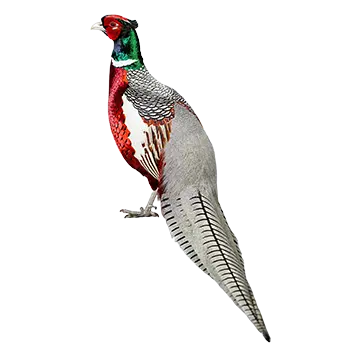

Lady Amherst's Pheasant

Lady Amherst's Pheasant
📸 Photo Gallery Coming Soon

Furry Critter Network Etsy Shop

Quick Facts

🔬 Scientific Name
Chrysolophus amherstiae
🦜 Bird Type
Pheasant
📊 Care Level
Intermediate to Advanced
😊 Temperament
Shy, Nervous, Territorial (males)
📏 Adult Size
Male: 48+ inches (incl. tail), Female: 24-28 inches
⏱️ Lifespan
15-20 years
🔊 Noise Level
Low to Moderate
🗣️ Talking Ability
None
🍽️ Diet Type
Grain/Seed with Insects
🌍 Origin
China, Myanmar (Southwest Asia)
🏠 Min Cage Size
Large aviary (minimum 12x6x6 feet)
📐 Size
Large

Lady Amherst's Pheasant - Names & Recognition

Lady Amherst's Pheasant, scientifically classified as Chrysolophus amherstiae, derives its common name from Sarah Countess Amherst (1762-1838), wife of William Pitt Amherst, Earl Amherst and Governor-General of India. The species was introduced to Western ornithology through specimens collected during British diplomatic and scientific expeditions to Asia in the early 19th century, with the name honoring Lady Amherst's patronage of natural history. This naming tradition was common during the colonial period, with many spectacular bird species being named for European nobility and their wives. The species is occasionally referred to as Amherst's Pheasant or Lady Amherst Pheasant (without the possessive apostrophe) in some literature, though Lady Amherst's Pheasant remains the standard common name recognized by ornithological authorities.

Taxonomically, Lady Amherst's Pheasant belongs to the family Phasianidae, which includes all pheasants, partridges, quail, peafowl, and related gamebirds - a large diverse family of ground-dwelling birds distributed across Eurasia, Africa, and introduced worldwide. Within this family, the genus Chrysolophus contains only two species: Chrysolophus amherstiae (Lady Amherst's Pheasant) and Chrysolophus pictus (Golden Pheasant), both spectacular Asian ornamental pheasants popular in aviculture. The two species are closely related, showing similar body structures and ecological requirements though with distinct plumage patterns and coloration. They can hybridize in captivity producing fertile offspring, though responsible breeders avoid this to maintain pure species. The order is Galliformes, containing all chickenlike birds including chickens, turkeys, pheasants, grouse, and quail, characterized by ground-dwelling habits, strong scratching feet, and predominantly seed-based diets.

The scientific name Chrysolophus amherstiae has Greek and Latin origins. "Chrysolophus" derives from Greek "chrysos" meaning gold and "lophos" meaning crest, referencing the golden-yellow crest on the crown, though this name fits the Golden Pheasant more obviously. "Amherstiae" is the Latinized genitive form of Amherst, honoring Lady Amherst. The species was formally described by Leadbeater in 1828 based on specimens from China.

Within Chrysolophus amherstiae, no subspecies are currently recognized, with the species showing relatively consistent appearance across its range. However, minor individual variation exists in exact plumage tones, extent of white areas, tail length, and overall size. Captive-bred birds may show slightly different characteristics than wild birds due to selective breeding, though breeders generally maintain wild-type appearance rather than developing color mutations as with domestic chickens or ducks. Occasional color variations including darker or paler individuals have been reported but are not formally recognized as subspecies or established color morphs.

The relationship between Lady Amherst's Pheasant and the closely related Golden Pheasant is significant in aviculture. Both species are kept under similar conditions, share similar care requirements, and are often maintained by the same breeders in separate aviaries. Golden Pheasants show predominantly golden-yellow body plumage with red underparts and distinctive golden-yellow and red cape, while Lady Amherst's display more subdued but arguably more elegant coloration with white cape, green crown, and longer tail. Both are considered among the most beautiful pheasants, with preference being subjective. Hybrids between the species show intermediate characteristics and are fertile, though ethical breeders avoid hybridization maintaining species purity.

In aviculture, Lady Amherst's Pheasant has been kept since the mid-19th century following introduction to European zoos and private collections. They quickly became popular among wealthy bird keepers who could provide the extensive aviaries these large birds require. By the late 19th and early 20th centuries, captive breeding was well-established, with numerous private breeders, zoos, and estates maintaining breeding populations. Today, Lady Amherst's Pheasant is one of the most commonly kept ornamental pheasants globally, with substantial captive-bred populations in Europe, North America, and elsewhere. Some feral populations have established in England and other locations where escaped or released birds found suitable habitat, though these are small and localized.

The introduction of pheasants to Britain for hunting and ornamental purposes has a long history, with various Asiatic pheasant species including Ring-necked Pheasants, Golden Pheasants, and Lady Amherst's Pheasants being released or escaping. While Ring-necked Pheasants are extensively naturalized and hunted, Lady Amherst's Pheasant remains primarily an avicultural species with limited established wild populations outside native range.

The common name confusion sometimes occurs between Lady Amherst's Pheasant and other ornamental pheasants, particularly the Golden Pheasant due to their relationship, or various other Chrysolophus or Asian pheasant species. Proper identification is straightforward - adult males are unmistakable with their long barred tails, white cape with black edging, and distinctive coloration. Females are more challenging, showing cryptic brown plumage similar to many female pheasants, though experienced observers can distinguish species through subtle plumage details and proportions.

Lady Amherst's Pheasant Physical Description

Lady Amherst's Pheasant exhibits extreme sexual dimorphism, with males and females appearing completely different. Adult males are among the most spectacular birds in existence, measuring approximately 40 to 48+ inches total length with the majority (28-40+ inches) being the extraordinarily long, elegant tail. The body itself measures approximately 18-20 inches, with the graduated tail feathers extending dramatically beyond. Males typically weigh 550-750 grams (1.2-1.6 pounds), being relatively lightweight despite impressive size due to the tail length. The overall silhouette shows a medium-sized gamebird body with an extraordinarily long, flowing, barred tail creating dramatic proportions.

The male's plumage is breathtakingly beautiful, featuring a complex palette of colors arranged in distinctive patterns. The head displays an iridescent green crown and crest creating a metallic jewel-like appearance, with feathers that shimmer green, blue, and purple depending on light angle. The face shows bare red facial skin around the eyes creating contrast with the green crown. A small tuft of yellow feathers appears at the base of the bill.

The neck and cape feature the species' most distinctive characteristic - a magnificent white cape or collar composed of white feathers heavily edged with iridescent blue-black creating a scaled or scalloped appearance. When males display, they erect this cape creating a spectacular fan around the head, appearing like an elaborate ruff or collar dramatically enlarging the apparent head and neck size. This displaying behavior, where males face females while spreading the cape, ranks among the most impressive courtship displays in the bird world.

The upper breast and throat show iridescent blue-green coloration similar to the crown creating a metallic bib. The breast and belly display predominantly white plumage with some red and yellow feathering on the sides and flanks. The back shows a combination of yellow, green, and dark feathers creating complex patterning. The rump displays brilliant yellow to golden-yellow coloration, particularly visible when birds are moving or displaying.

The wings show dark coloration with blue and green iridescent feathers on the wing coverts, while the primary and secondary flight feathers are dark brown to black. The wings are relatively short and rounded compared to body size, adapted for burst flight through forest rather than sustained soaring.

The tail is the male's most remarkable feature - extraordinarily long, graduated, and strikingly patterned with alternating black and white barring creating a ladder or zebra-striped appearance. The central tail feathers are longest, with outer feathers progressively shorter creating an elegant graduated taper. The tail is arched and flowing, held elevated at an angle showing the beautiful barring pattern. During display, males position the tail to maximize visual impact. The tail requires years to reach full length, with young males showing progressively longer tails through successive molts until achieving full adult plumage by 2-3 years of age.

The legs are gray to blue-gray, relatively long and strong adapted for ground walking and scratching. Males develop spurs on the legs - sharp bony projections used in fighting with rival males. The feet show four toes with strong claws for scratching substrate.

Females contrast dramatically with males, showing cryptic mottled brown plumage providing camouflage. Adult females measure approximately 24 to 28 inches total length including tail, substantially smaller than males. They typically weigh 500-650 grams (1.1-1.4 pounds). The overall coloration is brown, buff, and black creating intricate barring and mottling throughout the plumage. The pattern consists of dark brown to blackish feathers edged and barred with buff and lighter brown, creating a complex camouflaged appearance similar to many female gamebirds. The face shows a gray-blue facial skin patch though less prominent than males. The tail is much shorter than males, showing barred pattern but proportionally normal gamebird length rather than the extreme elongation of males. Females lack the cape, metallic colors, and elaborate ornamentation of males, being entirely functional camouflage birds designed to sit inconspicuously on nests.

Juvenile birds resemble females regardless of sex, showing cryptic brown plumage. Young males begin developing adult characteristics during their first year, with the cape, green crown, and colorful body plumage gradually appearing through successive molts. The tail lengthens progressively, with full adult tail length achieved by 2-3 years. First-year males often show mixed juvenile and adult plumage, appearing patchy during transition. Females retain similar appearance throughout life with slight maturation of plumage tones.

The eyes in both sexes are brown to dark brown. The bill is relatively short, slightly curved, and pale gray to horn-colored, adapted for pecking seeds and insects.

Color variations in wild-type birds are minimal, with the species maintaining consistent appearance across the range and in captivity. Unlike domestic chickens or ducks, color mutations have not been extensively developed or maintained, with breeders preferring to maintain the spectacular natural wild-type coloration. Occasional aberrations including leucistic or darker individuals have been reported but are rare and not selectively bred.

The overall impression of male Lady Amherst's Pheasant is one of supreme elegance and exotic beauty, with the long flowing tail, brilliant colors, and distinctive cape creating one of nature's most visually stunning birds. Observing a male in full display with cape erected facing a female represents a pinnacle experience in ornamental aviculture, justifying the substantial space and care requirements these magnificent birds demand.

Affection Level
Lady Amherst's Pheasants show minimal to no affection toward humans, being shy, nervous birds that view people as potential threats rather than companions. Males are often wary and flighty even when captive-bred, while females are somewhat calmer but still avoid interaction. They do not bond with keepers, seek attention, or enjoy handling. Hand-raised birds may tolerate human presence better than parent-raised birds but never become affectionate or interactive. They are purely ornamental display birds appropriate for observation and appreciation of their spectacular beauty, not companionship or bonding.
Sociability
Lady Amherst's Pheasants have low to moderate sociability, being semi-solitary birds in the wild and territorial in captivity. Males are highly territorial toward other males particularly during breeding season, fighting viciously and requiring separate housing. Breeding pairs form seasonal bonds during spring and summer, with males displaying for females, though pairs do not show the constant companionship of truly social species. Outside breeding season, birds may tolerate others at distances. They are typically kept as single males with harems of 2-4 females or as individual pairs, not in flocks like social species.
Vocalization
Lady Amherst's Pheasants are relatively quiet compared to many pheasant species, producing low to moderate vocalizations that are generally acceptable in residential areas. Males produce soft whistling calls and occasional crowing during breeding season, substantially quieter than peacocks or guinea fowl. Females produce soft clucking contact calls. Alarm calls when startled include sharp yelps but are infrequent. Overall noise level is low to moderate, with Lady Amherst's being among the quieter ornamental pheasants making them suitable for suburban settings where extremely loud birds would be problematic. They cannot talk or mimic speech.
Intelligence
Lady Amherst's Pheasants demonstrate basic intelligence typical of gamebirds, showing ability to recognize food sources, learn routines, navigate complex aviary environments, remember dangerous situations, and display basic problem-solving for accessing food or shelter. However, they lack the cognitive complexity of parrots or corvids, showing minimal capacity for training beyond simple habituation. Their intelligence is sufficient for their ecology as forest-floor foragers but does not extend to complex interactions, making them straightforward birds requiring minimal mental enrichment beyond naturalistic aviaries.
Exercise Needs
Lady Amherst's Pheasants have high exercise needs requiring large aviaries allowing walking, running, and flying. They are active ground foragers spending hours daily walking through substrate scratching for food, capable of sustained running when alarmed, and strong fliers requiring space for short flights between ground and perches. Males with extremely long tails need substantial horizontal space preventing tail damage. Inadequate space causes stress, feather damage, obesity, and behavioral problems. Aviaries must be genuinely large - minimum 12+ feet long allowing natural behaviors and adequate exercise maintaining physical and psychological health.
Maintenance Level
Lady Amherst's Pheasants require high maintenance due to their need for large specialized aviaries, specific substrate and environmental requirements, careful health monitoring, protective measures against predators and weather, and management of breeding behaviors. Daily tasks include feeding, watering, and observation, while regular aviary maintenance, substrate management, and seasonal adjustments add complexity. Their care is substantially more involved than chickens or domestic ducks, requiring knowledge of pheasant husbandry, adequate space and facilities, and consistent attention. However, the birds themselves are relatively hardy once proper housing and care are established.
Trainability
Lady Amherst's Pheasants have essentially no trainability, being nervous, instinct-driven birds completely inappropriate for training attempts. They cannot be tamed to accept handling without stress, do not respond to commands, show no capacity for learning tricks, and remain perpetually wary regardless of handling frequency. Even long-term captive birds hatched and raised in aviaries maintain their wild, nervous temperament. The best outcome is habituation where birds tolerate keeper presence during routine care without panicking, but this is not true taming. They are meant purely for ornamental observation, not interaction or training.
Independence
Lady Amherst's Pheasants are extremely independent from humans, requiring absolutely no social interaction beyond basic care and management. They entertain themselves through natural behaviors including foraging, dust bathing, preening, sunbathing, and perching, showing zero interest in human companionship. Males focus on territorial behaviors and displaying for females during breeding season. This extreme independence makes them ideal for people wanting spectacular ornamental birds for observation without any interactive demands. Their complete lack of need for human bonding combined with their stunning appearance creates rewarding ornamental aviculture for keepers appreciating beauty over interaction.

Natural Habitat & Range

Lady Amherst's Pheasant is native to a relatively restricted range in the mountainous regions of southwestern China and northern Myanmar, inhabiting temperate and subtropical forests at moderate to high elevations. The native range includes portions of Tibet, Yunnan, Guizhou, and Sichuan provinces in China, extending into Kachin State in northern Myanmar. This distribution centers on the eastern Himalayas and associated mountain ranges, placing the species in mountainous terrain characterized by steep slopes, dense vegetation, and seasonal climate variation. The total native range is relatively small compared to many widespread pheasant species, making Lady Amherst's a regional specialist rather than broadly distributed species.

Within their native range, Lady Amherst's Pheasants show strong preferences for dense montane forests and bamboo thickets at elevations typically ranging from 6,000 to 14,000 feet, though they may occur at lower elevations in some areas. Preferred habitats include rhododendron and bamboo forests providing dense understory cover, mixed temperate forests with substantial ground vegetation, forest edges and clearings within predominantly forested landscapes, scrubby hillsides with scattered trees and thick undergrowth, and areas with dense ground cover including ferns, grasses, and low shrubs. They avoid completely open grasslands lacking cover, dense primary forests with minimal understory, and heavily degraded areas. Their ecology requires combination of dense cover for security and protection, adequate ground vegetation for foraging, and proximity to forest providing roosting sites and escape cover.

Lady Amherst's Pheasants are ground-dwelling birds spending the majority of their time walking through forest understory and scrubland, though they are capable fliers and roost in trees at night for protection from ground-dwelling predators. They navigate steep mountain terrain with ease, walking along slopes and through dense vegetation with characteristic pheasant gait. When threatened, they prefer to run rapidly through cover rather than fly, though they will take explosive vertical flight when directly threatened, flying to tree branches where they perch until danger passes.

The climate throughout the native range is temperate to subtropical mountain climate characterized by significant seasonal variation. Summers are warm to mild with temperatures typically 60-75°F at the elevations they inhabit, substantial rainfall particularly during monsoon season (June-September) bringing 40-80+ inches annually in many areas, and high humidity typical of forested mountain environments. Winters are cold with temperatures frequently dropping below freezing at higher elevations, reduced precipitation often falling as snow at high elevations, and drier conditions compared to summer. These seasonal extremes mean wild birds experience substantial temperature variation, cold winters, and wet summers, adaptations that contribute to their hardiness in captivity when properly housed.

In their natural habitat, Lady Amherst's Pheasants are generally solitary or found in pairs outside breeding season, with individual birds or pairs maintaining territories though not rigidly defended except during breeding. Males establish breeding territories in spring, defending areas against rival males through vocalizations, displays, and occasionally fighting. Females move through male territories, with males attempting to attract females through elaborate displays.

The daily activity pattern begins at dawn when birds descend from nighttime roosting trees to begin foraging. Morning hours are spent actively walking through forest floor and scrubland scratching and pecking for food. The diet consists of seeds from grasses, bamboo, and various forest plants (comprising 60-70% of diet year-round), insects including beetles, grasshoppers, caterpillars, and other invertebrates particularly important during breeding season, fresh plant material including shoots, leaves, buds, and flowers, berries and other fruits when available seasonally, and grain spilled in agricultural areas near forests. They forage methodically, walking slowly while scanning for food items, scratching substrate with both feet simultaneously to expose buried seeds, and pecking at items on the ground or from low plants. Midday hours are often spent resting in dense cover, preening, and dust bathing if appropriate substrate is available. Late afternoon brings renewed foraging before birds return to roosting trees at dusk, flying up into branches where they spend the night protected from ground predators.

Water requirements are met through moisture in food, dew, and drinking from streams, puddles, or other water sources when available. Mountain streams and seeps provide drinking water in native habitat.

Breeding behavior begins in early spring (typically March-April) when lengthening photoperiod triggers reproductive hormones. Males establish territories through calling and displaying, with the spectacular cape-spreading display where males position themselves facing females, erect the white and black cape creating a fan around the head, spread the tail to show barring, and perform ritualized posturing and stepping movements. Multiple females may visit displaying males, with females selecting mates based on display quality, territory quality, and male health. After mating, females nest alone without male assistance.

The nest is a simple scrape in the ground concealed under dense vegetation, rocks, or fallen logs, lined with leaves, grass, and feathers. Females lay clutches of 6-12 eggs, typically 8-10, with creamy to buff coloration. Incubation by female alone lasts approximately 22-23 days. Males do not participate in incubation or chick rearing. Chicks hatch precocial, fully mobile with eyes open and able to walk and feed themselves within hours. The female provides protection, guidance, and warmth but chicks forage independently from hatching. Young reach independence by 8-12 weeks and sexual maturity by 1 year for females and 2 years for males when plumage is fully developed.

Predators of wild Lady Amherst's Pheasant include raptors (eagles, hawks, owls), mammalian carnivores (leopards, foxes, martens, civets), and snakes. Chicks and eggs are particularly vulnerable to a wide range of predators. Their cryptic female and juvenile plumage, males' ability to fly to tree branches when threatened, and use of dense cover provide anti-predator defenses.

The conservation status of wild Lady Amherst's Pheasant is currently listed as Least Concern by the IUCN, though populations have declined in parts of their range due to habitat loss from deforestation and agricultural expansion, hunting pressure in some regions, and collection for the bird trade historically though this has largely ceased. However, populations remain substantial in protected areas and remote mountains, and the restricted range creates vulnerability to range-wide threats. Continued habitat protection and monitoring are important for long-term conservation. The substantial captive-bred population has no direct conservation relevance as captive birds cannot contribute to wild populations, though they ensure the species' survival in human care and provide education and appreciation opportunities reducing pressure on wild populations.

Temperament

Lady Amherst's Pheasants possess shy, nervous, wary, non-interactive temperaments fundamentally different from companion birds, being essentially wild birds maintained in captivity for ornamental purposes rather than domesticated species shaped by generations of selection for docility. These beautiful but skittish birds combine spectacular visual appeal creating showpiece aviaries with complete independence from humans, making them appropriate for experienced aviculturists seeking stunning display species rather than interactive pets. Understanding Lady Amherst's temperament prevents disappointment from unrealistic expectations while allowing proper appreciation for their extraordinary beauty and natural behaviors.

The nervous, flighty nature of Lady Amherst's Pheasants is profound, with both sexes showing strong fear responses to human presence though males may be slightly bolder particularly during breeding season when displaying. They respond to approach with alarm including freezing motionless, running rapidly through cover, explosive vertical flight to perches, and alarm vocalizations. Even captive-bred birds raised entirely in aviaries maintain this wariness, viewing humans as potential threats throughout their lives. Hand-raising attempts may produce birds somewhat less panicked by routine care but never truly tame or comfortable with handling. This is fundamental wild animal behavior appropriate for species that are prey to numerous predators, not poor socialization. They are appropriate only for people understanding and accepting this lack of tamability, wanting spectacular ornamental birds for observation and appreciation rather than interaction.

The activity level varies by sex and season. Males during breeding season (spring through summer) are quite active, spending hours displaying, patrolling territories, vocalizing, and interacting with females. During non-breeding season, males are less active though still spend time foraging and moving through aviaries. Females are consistently moderately active year-round, spending hours foraging methodically through substrate. Both sexes show characteristic pheasant walking behavior - deliberate head-bobbing walking with frequent pauses to peck for food, punctuated by scratching with both feet simultaneously to expose buried seeds. Activity peaks during morning and late afternoon hours with midday rest periods.

The territorial nature of males is pronounced during breeding season, with males becoming aggressive toward other males, fighting viciously if housed together. Male combat can cause serious injuries or death, making separate housing essential. Males display for females through elaborate cape-spreading rituals creating spectacular visual displays justifying the space and care these birds require. The male positions himself facing the female, erects the magnificent white cape with black edging creating a dramatic fan around the head, spreads and raises the barred tail to maximum effect, and performs ritualized stepping and turning movements while maintaining the display. Observing this display represents a pinnacle of ornamental aviculture, though it occurs primarily during breeding season with reduced frequency outside this period.

Pair bonds during breeding are seasonal, with males and females forming functional pairs for breeding but not showing the constant companionship of truly social species. Outside breeding season, birds tolerate each other but don't actively seek proximity. Females nest and raise chicks alone without male participation, typical of most pheasant species where males provide only genetic contribution. In aviary settings, compatible pairs can be housed year-round in sufficiently large spaces, though male aggression toward females can occur requiring monitoring.

Vocalization in Lady Amherst's is relatively quiet compared to many pheasants and ornamental birds. Males produce soft whistling calls and occasional crowing during breeding season, substantially quieter than peacocks or guinea fowl though audible. The calls are not particularly harsh or annoying, generally acceptable in residential areas. Females produce soft clucking contact calls. Alarm calls when startled include sharp yelps, though these are infrequent. Overall, Lady Amherst's are among the quieter ornamental pheasants, making them more suitable for suburban settings than loud species though they are not silent.

Curiosity is minimal and focused on food-seeking and environmental awareness for safety. They investigate substrate through scratching and pecking but show little interest in novel objects, environmental changes, or exploration beyond finding food and monitoring for threats. This simplicity makes enrichment straightforward - providing naturalistic aviaries with appropriate substrate, vegetation for cover, and perches satisfies their needs without requiring toys or complexity.

Aggression beyond male-male territoriality is generally low. Females show minimal aggression toward each other, often coexisting peacefully in harems with one male. However, male aggression toward females during breeding can occur if females are unreceptive or if males are overly aggressive, requiring monitoring and potentially separating birds if issues arise.

Messiness is moderate to high, typical of ground-dwelling gamebirds. They produce substantial droppings that accumulate on substrate requiring regular changes, scratch vigorously scattering substrate and food, and create dust when dust bathing. Large aviaries require regular maintenance including substrate changes, dropping removal, and cleaning. The maintenance is significant though manageable for keepers accustomed to gamebird care.

Hardiness is good in Lady Amherst's Pheasant once established in proper housing. They tolerate cold temperatures well given their mountain origin, handling winter conditions to freezing and below if provided shelter. Heat tolerance is moderate, requiring shade and potentially cooling during extreme heat. They resist diseases reasonably well with proper care though are susceptible to common gamebird ailments without good management. Overall, they are relatively robust ornamental birds when housing and care are appropriate.

Lady Amherst's Pheasants require owners who appreciate spectacular ornamental birds for visual enjoyment rather than interaction, can provide large aviaries meeting space requirements, commit to daily care and regular maintenance, understand and accept nervous non-tame temperament, ensure proper shelter from weather extremes and predators, potentially manage breeding including egg collection and incubation, and appreciate natural wild behaviors rather than seeking bonding. They are appropriate for experienced aviculturists with adequate facilities, ornamental bird enthusiasts, people with large properties allowing proper aviaries, those seeking stunning display species, and anyone appreciating the pinnacle of pheasant beauty. However, they are inappropriate for people seeking interactive pets, those wanting birds bonding with humans, anyone unable to provide large aviaries (minimum 12+ feet long), beginners without pheasant experience, those wanting quiet low-maintenance birds (though quieter than some ornamentals, care is demanding), and people uncomfortable with wild temperament. For appropriate owners with realistic expectations and proper facilities - Lady Amherst's Pheasants provide years of spectacular visual displays, fascinating breeding behaviors, and the satisfaction of maintaining one of nature's most beautiful birds in naturalistic aviaries creating showpiece exhibits rivaling professional zoological collections.

Care Requirements

Lady Amherst's Pheasants require large, specialized aviaries designed specifically for ornamental pheasants, emphasizing horizontal space for ground foraging and running while providing adequate height for flying to perches and preventing tail damage in males. Unlike chickens manageable in coops or quail in compact cages, Lady Amherst's need genuinely spacious aviaries reflecting their natural habitat and providing room for their long tails and active behaviors. The minimum aviary dimensions for a breeding pair are approximately 12 feet long by 6 feet wide by 6 feet tall, though substantially larger is strongly preferred - 20+ feet long by 8-10+ feet wide by 6-8+ feet tall provides significantly better quality of life, reduces stress, prevents tail damage, and allows more natural behaviors. For multiple females with one male (harems of 1 male with 2-4 females), provide proportionally larger space. Multiple males require separate aviaries as they fight viciously.

Aviary construction requires sturdy predator-proof materials. Framing using treated wood, metal, or composite materials provides structure. Walls and ceilings typically use welded wire mesh (1 inch or smaller spacing) preventing escape while excluding predators including raccoons, foxes, cats, and raptors. Bury wire 12-18 inches underground or install buried barriers preventing digging predators from tunneling under. Hardware cloth (1/4 to 1/2 inch mesh) on lower portions provides additional protection from weasels and rats. Roofing must prevent rain entry using solid roofing materials (metal, shingles, polycarbonate panels) covering most of the aviary, with sections of wire-covered areas allowing natural light while maintaining predator protection. Adequate covered shelter is critical as dampness causes respiratory disease in pheasants.

Flooring and substrate significantly affect health and welfare. Appropriate options include natural earth floor with good drainage allowing natural behaviors though requiring more maintenance, sand or pea gravel providing excellent drainage, dust bathing opportunities, and relatively easy maintenance, bark chips or wood chips creating naturalistic appearance though requiring replacement when soiled, or concrete floors (less ideal) that can be hosed and disinfected but require substantial substrate covering for bird comfort. Avoid pure wire mesh flooring causing foot problems. Deep substrate of 3-6+ inches allows natural scratching and foraging behaviors. Good drainage is essential preventing mud and standing water breeding parasites and bacteria.

Perches at varying heights allow roosting behaviors. Natural branches 2-4 inches diameter positioned at various heights (2-6 feet high) provide roosting sites where birds sleep at night. Ensure adequate clearance above highest perches allowing males' long tails to hang without touching ground or obstacles. Space perches adequately preventing overcrowding. Position some perches protected under covered sections providing sheltered roosting during rain.

Vegetation and cover within aviaries provide security and environmental enrichment. Live plants including bamboo, shrubs, grasses, or other pheasant-safe plants create naturalistic appearance and provide hiding spots reducing stress. However, ensure adequate open ground space for foraging and running. Combination of planted areas and open substrate works well. Artificial plants can substitute if maintaining live plants is impractical though natural vegetation is preferred.

Nest boxes or sheltered areas for breeding provide privacy for laying hens. Enclosed boxes approximately 18 inches square by 18 inches tall with entrance holes, positioned on the ground in secluded areas, filled with straw or wood shavings work well. Alternatively, dense vegetation or brush piles allow hens to create natural nests though this makes egg collection difficult if artificial incubation is desired.

Feeding and watering stations should be positioned under covered sections protecting from rain. Use elevated feeders preventing contamination by droppings or ground scattering feeders encouraging natural foraging. Heavy ceramic dishes, automatic feeders, or commercial pheasant feeders work well. Scatter some grain on clean substrate daily providing foraging activity. Water sources using automatic waterers, heated waterers in winter preventing freezing, or heavy dishes changed daily provide clean fresh water. Position multiple stations in large aviaries.

Dust bathing areas with fine dry sand, dust, or wood ash allow natural maintenance behaviors. Pheasants dust bathe enthusiastically, fluffing feathers and rubbing dust into plumage for feather conditioning and parasite control. Provide shallow depressions or trays filled with appropriate substrate in sheltered areas remaining dry.

Environmental protection from weather includes covered shelter protecting from rain (critical for preventing respiratory disease), windbreaks on sides exposed to prevailing winds using solid panels, shade during summer from natural trees, shade cloth, or solid roof sections, and potentially supplemental heat in extreme cold though Lady Amherst's tolerate cold well if dry and draft-free. Ensure excellent ventilation without creating drafts directly on birds.

Cleaning routines maintain health. Daily tasks include removing droppings from heavily used areas particularly under perches, refreshing water, refilling feed, collecting eggs if breeding, observing birds for health issues. Weekly rake and turn substrate in solid floor aviaries, clean and disinfect feeders and waterers, remove soiled wet substrate from problem areas, inspect for damage or security issues. Monthly to quarterly depending on stocking density completely replace substrate, thoroughly clean all surfaces, disinfect with appropriate gamebird-safe products, and assess overall aviary condition. Annual comprehensive maintenance including repairs, complete substrate replacement, deep cleaning prepares for breeding season.

Safety and security require predator-proof construction with secure wire, buried barriers, robust latches, regular inspection and repair of damage, protection from domestic pets (dogs and cats must never access aviaries), double-door entry systems preventing bird escapes during keeper entry, and awareness of aerial predators including hawks requiring overhead protection.

Location considerations include quiet areas away from excessive human activity reducing stress, level well-drained ground preventing flooding, protection from extreme weather with natural or artificial windbreaks, convenient access for daily care and maintenance, and compliance with local regulations regarding keeping ornamental birds or pheasants.

Feeding & Nutrition

Proper nutrition for Lady Amherst's Pheasant requires balanced gamebird feed formulated for ornamental pheasants, supplemented with whole grains, fresh greens, and occasional insects replicating their natural varied diet. Commercial pheasant feeds are readily available from agricultural suppliers, formulated specifically for ornamental gamebirds with appropriate protein levels, vitamins, and minerals supporting maintenance, breeding, and molting.

High-protein gamebird or pheasant feed with 18-24% protein forms the dietary foundation, offered as the primary feed source. Higher protein (22-24%) supports breeding birds during spring and summer when egg production and chick rearing occur, while maintenance protein (18-20%) suffices during non-breeding seasons. Feed comes as pellets or crumbles sized appropriately for pheasants. Offer free-choice in feeders allowing constant access or provide twice daily in amounts consumed within several hours. Average adult Lady Amherst's consumes approximately 2-3 ounces (roughly 1/4 to 1/2 cup) of feed daily depending on size, activity level, season, and breeding status. Breeding hens and growing young birds consume more than resting adults.

Whole grains supplementing complete feed include wheat, corn (cracked or whole), milo (grain sorghum), barley, oats, and mixed scratch grains. Scatter grain on clean substrate daily encouraging natural scratching and foraging behaviors providing exercise and enrichment. Grain should comprise 20-40% of total diet with complete feed providing the majority ensuring balanced nutrition. Avoid feeding only grain without complete feed as nutritional deficiencies result.

Fresh greens and vegetables comprising 10-20% of diet provide vitamins, minerals, and variety. Appropriate items include romaine lettuce, leaf lettuce, kale, cabbage, spinach (in moderation), Swiss chard, chopped vegetables (carrot, bell peppers, broccoli, cucumber), and other pheasant-safe produce. Offer daily in amounts consumed within several hours. Some pheasants resist greens requiring gradual introduction and persistence. Finely chopping greens sometimes improves acceptance.

Insects and mealworms particularly during breeding season provide animal protein supporting egg production and chick rearing. Offer mealworms, crickets, waxworms, or other commercially available insects 2-3 times weekly in moderate amounts (10-20 per bird). Increase insect offerings during breeding season when protein requirements increase. Wild insects gleaned while foraging in naturalistic aviaries supplement diet.

Fruits in small amounts including berries, chopped apple (seeds removed), melon, grapes can be offered occasionally for variety though are not dietary necessities.

Grit including granite or quartz grit aids digestion by grinding food in the gizzard. Offer grit free-choice in separate containers allowing self-regulation. Pheasants eating whole grains particularly benefit from grit availability.

Calcium supplementation through crushed oyster shell or ground cuttlebone particularly for laying hens prevents egg binding and supports shell formation. Offer calcium free-choice with breeding hens consuming substantially more than non-breeding birds through self-selection.

Clean fresh water must be constantly available as pheasants drink regularly particularly after eating grain and during warm weather. Change water daily minimum, more frequently if soiled by droppings or debris. Use heavy dishes preventing tipping, automatic waterers maintaining clean supply, or heated waterers in winter preventing freezing. Position waterers under covered sections preventing rain dilution and keeping water clean.

Vitamin and mineral supplementation using commercial gamebird vitamins can support health particularly during breeding, molting, or stress periods. Add to drinking water or sprinkle on moistened feed following product directions. However, if feeding complete commercial pheasant feed, additional supplementation is typically unnecessary and over-supplementation can cause toxicities.

Treats in limited amounts (10% maximum of diet) include favorite whole grains, mealworms, or special items offered for training purposes or rewards though wild pheasants do not tame sufficiently for treat training to be effective.

Foods to avoid include avocado (toxic to all birds), chocolate, caffeine, alcohol, excessive salt, onions, garlic, apple seeds and stone fruit pits, and moldy or spoiled foods that can cause mycotoxin poisoning.

Feeding methods include free-choice feeding where complete feed is constantly available in covered feeders preventing rain damage, scatter feeding where whole grains are scattered on clean substrate daily encouraging foraging, timed feeding where specific amounts of complete feed are offered twice daily with grain scattered once daily, or combinations of methods. Most successful keepers provide free-choice complete feed with daily grain scattering.

Seasonal adjustments increase protein and calcium for breeding birds during spring/summer (22-24% protein feed, abundant calcium), increased overall feed volume during cold weather supporting thermoregulation, and possibly reduced protein during molt (September-November) though opinions vary with some breeders maintaining high protein supporting feather growth.

Monitor body condition regularly through visual observation. Healthy breeding pheasants maintain good weight with prominent breast muscles, active behavior, vibrant plumage, and consistent egg production in hens. Weight loss, lethargy, poor feathering, or reduced productivity may indicate nutritional deficiencies, health problems, or inadequate feed access requiring investigation. Obesity is less common in active pheasants with adequate space though can occur in over-fed confined birds, addressed through increased exercise opportunities and feed management.

Lady Amherst's Pheasant Health & Lifespan

Lady Amherst's Pheasants are relatively hardy, robust birds capable of living 15 to 20 years in captivity with proper care, occasionally reaching 22-25+ years in exceptional cases, making them reasonably long-lived ornamental birds. Their basic hardiness when properly housed and managed contributes to their success in aviculture, though specific health issues require attention. Common health issues affecting Lady Amherst's Pheasant include respiratory infections from bacteria, viruses, or fungi affecting birds kept in cold, damp, drafty, or poorly ventilated conditions, causing nasal discharge, labored breathing, wheezing, eye discharge, and requiring antibiotic or antifungal treatment with excellent ventilation and dry housing critical for prevention. Blackhead (histomoniasis), a protozoal disease particularly affecting gamebirds, causes liver and intestinal damage, lethargy, sulfur-yellow droppings, weight loss, and high mortality requiring antiprotozoal medications and preventive management including avoiding housing with turkeys or chickens that can carry the organism. Coccidiosis, a protozoal disease particularly affecting young birds, causes diarrhea, weight loss, lethargy, and potentially death requiring anticoccidial medications and improved hygiene. Worms including roundworms, cecal worms, and tapeworms affect pheasants requiring regular fecal testing and deworming programs. External parasites including lice, mites, and ticks cause feather damage, skin irritation, and stress requiring antiparasitic treatment. Bumblefoot (pododermatitis) develops in birds housed on rough or abrasive surfaces without soft substrate, causing infected foot lesions requiring treatment and improved flooring. Feather damage from flying into aviary walls or wire, fighting between males, or over-breeding where males damage hens during mating occurs in poorly designed aviaries or improperly managed birds, requiring improved housing design and breeding management. Tail damage in males particularly given the extremely long tail feathers can occur from inadequate aviary size, rough perches, or improper substrate, requiring large aviaries and appropriate perch design. Injuries from fighting when multiple males are housed together cause serious wounds requiring separation and veterinary treatment. Egg binding affects laying hens lacking adequate calcium, exercise, or having reproductive abnormalities, creating emergencies requiring immediate intervention. Nutritional deficiencies from inadequate diet cause poor feathering, reduced egg production, weak bones, requiring balanced gamebird nutrition. Heat stress during extreme temperatures causes panting, lethargy, and potentially death requiring shade and cooling. Predator stress from predators accessing or being visible near aviaries causes chronic stress affecting health and productivity requiring secure predator-proof construction. Regular health monitoring involves observing birds for signs of illness as individual examination is stressful for these nervous birds. Many gamebird health issues can be managed by experienced keepers using established pheasant and gamebird medications though serious cases require veterinary attention from avian or gamebird veterinarians. Quarantine of new birds for 30 days minimum before introducing to existing aviaries prevents disease transmission. Proper diet and nutrition requires balanced gamebird feed. High-protein gamebird or pheasant feed (18-24% protein) forms the dietary foundation, offered free-choice or twice daily. Commercial pheasant feeds are widely available from agricultural suppliers formulated for ornamental gamebirds. Whole grains including wheat, corn, milo, barley, oats supplementing complete feed provide variety and foraging enrichment, scattered on substrate encouraging natural scratching behaviors. Fresh greens and vegetables including lettuce, kale, cabbage, chopped vegetables providing vitamins and variety, offered daily. Insects and mealworms particularly during breeding season providing protein for egg production and chick rearing, offered 2-3 times weekly. Grit including granite or oyster shell grit aiding digestion, offered free-choice. Calcium supplementation through crushed oyster shell or cuttlebone particularly for laying hens preventing egg binding, offered free-choice. Clean fresh water must be constantly available, changed daily or more frequently if soiled. Environmental management prevents disease through large aviaries providing adequate space (minimum 12 feet long by 6 feet wide by 6 feet tall for pair, larger preferred), excellent ventilation reducing moisture and ammonia without creating drafts, dry housing protecting from rain and dampness critical for preventing respiratory disease, appropriate substrate including sand, pea gravel, or bark chips allowing natural scratching and dust bathing, regular substrate changes preventing disease accumulation, predator-proof construction preventing access by dogs, cats, raccoons, foxes, raptors, rodents, and other predators, shelter from temperature extremes providing shade in summer and windbreaks in winter, and varied perching heights allowing roosting behaviors. Appropriate housing for breeding pairs or harems (1 male with 2-4 females) in separate aviaries for each group preventing male fighting. Breeding management includes providing nest boxes or dense cover for nesting, collecting eggs for artificial incubation if maximum productivity is desired (otherwise hens may sit), and managing breeding intensity preventing male over-breeding hens causing feather damage and stress.

Common Health Issues

  • Common health issues affecting Lady Amherst's Pheasant include respiratory infections from bacteria, viruses, or fungi affecting birds kept in cold, damp, drafty, or poorly ventilated conditions, causing nasal discharge, labored breathing, wheezing, eye discharge, and requiring antibiotic or antifungal treatment with excellent ventilation and dry housing critical for prevention.
  • Egg binding affects laying hens lacking adequate calcium, exercise, or having reproductive abnormalities, creating emergencies requiring immediate intervention.
  • Calcium supplementation through crushed oyster shell or cuttlebone particularly for laying hens preventing egg binding, offered free-choice.
  • Environmental management prevents disease through large aviaries providing adequate space (minimum 12 feet long by 6 feet wide by 6 feet tall for pair, larger preferred), excellent ventilation reducing moisture and ammonia without creating drafts, dry housing protecting from rain and dampness critical for preventing respiratory disease, appropriate substrate including sand, pea gravel, or bark chips allowing natural scratching and dust bathing, regular substrate changes preventing disease accumulation, predator-proof construction preventing access by dogs, cats, raccoons, foxes, raptors, rodents, and other predators, shelter from temperature extremes providing shade in summer and windbreaks in winter, and varied perching heights allowing roosting behaviors.
  • Breeding management includes providing nest boxes or dense cover for nesting, collecting eggs for artificial incubation if maximum productivity is desired (otherwise hens may sit), and managing breeding intensity preventing male over-breeding hens causing feather damage and stress.\n\nOwners must recognize illness signs including lethargy or huddled posture, loss of appetite or reduced activity, respiratory sounds or discharge, diarrhea or abnormal droppings, limping or favoring one leg, damaged or broken tail feathers, wounds from fighting, reduced egg production in laying hens, and sudden behavior changes.
  • With appropriate gamebird feed providing balanced nutrition, clean water preventing disease transmission, large aviaries allowing natural behaviors and reducing stress, excellent ventilation and dry housing preventing respiratory disease, predator protection ensuring security, and attentive health monitoring, Lady Amherst's Pheasants can live their full 15-20+ year lifespan as spectacular ornamental birds providing breathtaking visual displays and the satisfaction of maintaining one of the world's most beautiful pheasants with manageable care for experienced gamebird keepers having proper facilities while rewarding dedicated owners appreciating the pinnacle of ornamental aviculture..

Preventive Care & Health Monitoring

  • Egg binding affects laying hens lacking adequate calcium, exercise, or having reproductive abnormalities, creating emergencies requiring immediate intervention.
  • Nutritional deficiencies from inadequate diet cause poor feathering, reduced egg production, weak bones, requiring balanced gamebird nutrition.
  • Proper diet and nutrition requires balanced gamebird feed.
  • Fresh greens and vegetables including lettuce, kale, cabbage, chopped vegetables providing vitamins and variety, offered daily.
  • Calcium supplementation through crushed oyster shell or cuttlebone particularly for laying hens preventing egg binding, offered free-choice.
  • With appropriate gamebird feed providing balanced nutrition, clean water preventing disease transmission, large aviaries allowing natural behaviors and reducing stress, excellent ventilation and dry housing preventing respiratory disease, predator protection ensuring security, and attentive health monitoring, Lady Amherst's Pheasants can live their full 15-20+ year lifespan as spectacular ornamental birds providing breathtaking visual displays and the satisfaction of maintaining one of the world's most beautiful pheasants with manageable care for experienced gamebird keepers having proper facilities while rewarding dedicated owners appreciating the pinnacle of ornamental aviculture..

Regular health monitoring involves observing birds for signs of illness as individual examination is stressful for these nervous birds. Many gamebird health issues can be managed by experienced keepers using established pheasant and gamebird medications though serious cases require veterinary attention from avian or gamebird veterinarians. Quarantine of new birds for 30 days minimum before introducing to existing aviaries prevents disease transmission. Proper diet and nutrition requires balanced gamebird feed. High-protein gamebird or pheasant feed (18-24% protein) forms the dietary foundation, offered free-choice or twice daily. Commercial pheasant feeds are widely available from agricultural suppliers formulated for ornamental gamebirds. Whole grains including wheat, corn, milo, barley, oats supplementing complete feed provide variety and foraging enrichment, scattered on substrate encouraging natural scratching behaviors. Fresh greens and vegetables including lettuce, kale, cabbage, chopped vegetables providing vitamins and variety, offered daily. Insects and mealworms particularly during breeding season providing protein for egg production and chick rearing, offered 2-3 times weekly. Grit including granite or oyster shell grit aiding digestion, offered free-choice. Calcium supplementation through crushed oyster shell or cuttlebone particularly for laying hens preventing egg binding, offered free-choice. Clean fresh water must be constantly available, changed daily or more frequently if soiled. Environmental management prevents disease through large aviaries providing adequate space (minimum 12 feet long by 6 feet wide by 6 feet tall for pair, larger preferred), excellent ventilation reducing moisture and ammonia without creating drafts, dry housing protecting from rain and dampness critical for preventing respiratory disease, appropriate substrate including sand, pea gravel, or bark chips allowing natural scratching and dust bathing, regular substrate changes preventing disease accumulation, predator-proof construction preventing access by dogs, cats, raccoons, foxes, raptors, rodents, and other predators, shelter from temperature extremes providing shade in summer and windbreaks in winter, and varied perching heights allowing roosting behaviors. Appropriate housing for breeding pairs or harems (1 male with 2-4 females) in separate aviaries for each group preventing male fighting. Breeding management includes providing nest boxes or dense cover for nesting, collecting eggs for artificial incubation if maximum productivity is desired (otherwise hens may sit), and managing breeding intensity preventing male over-breeding hens causing feather damage and stress. Owners must recognize illness signs including lethargy or huddled posture, loss of appetite or reduced activity, respiratory sounds or discharge, diarrhea or abnormal droppings, limping or favoring one leg, damaged or broken tail feathers, wounds from fighting, reduced egg production in laying hens, and sudden behavior changes. Acting promptly improves outcomes. With appropriate gamebird feed providing balanced nutrition, clean water preventing disease transmission, large aviaries allowing natural behaviors and reducing stress, excellent ventilation and dry housing preventing respiratory disease, predator protection ensuring security, and attentive health monitoring, Lady Amherst's Pheasants can live their full 15-20+ year lifespan as spectacular ornamental birds providing breathtaking visual displays and the satisfaction of maintaining one of the world's most beautiful pheasants with manageable care for experienced gamebird keepers having proper facilities while rewarding dedicated owners appreciating the pinnacle of ornamental aviculture.

Training & Vocalization

Lady Amherst's Pheasants have essentially zero trainability, being nervous, instinct-driven birds completely inappropriate for training attempts. Their wild nature, strong fear responses, and lack of motivation for human interaction make them among the least trainable of all commonly kept ornamental birds. Understanding these fundamental limitations prevents frustration and inappropriate expectations while allowing proper appreciation for their actual characteristics - spectacular beauty and natural behaviors rather than trainability or bonding.

Habituation attempts, which represent the only realistic goal rather than true training, can produce birds that panic slightly less during routine care but never achieve calmness or trust. The best achievable outcome is birds that tolerate regular keeper presence during feeding, watering, and maintenance without explosive panic flights, though they remain wary and stressed by any approach. This minimal habituation requires patient, consistent care over months to years, moving slowly, speaking softly, establishing predictable routines, minimizing unnecessary disturbances, and accepting that birds will never become tame. Even captive-bred birds hatched and raised in aviaries maintain wild temperament throughout their lives.

Handling should be minimized to only when absolutely necessary for health checks, treating injuries, moving birds, or other unavoidable situations. Capture and handling cause extreme stress, potentially resulting in injuries as birds thrash and panic. Use techniques minimizing stress including dim lighting during catching sessions calming birds somewhat, gentle but secure restraint preventing escape and self-injury, minimal handling duration, and working calmly and efficiently. Never chase birds extensively causing exhaustion and potentially fatal stress. Have catching equipment (nets) ready before beginning.

Step-up training, recall training, trick training, or any form of interactive training attempted with parrots is completely impossible with Lady Amherst's Pheasant. They lack the cognitive capacity, motivation, and temperament for such activities, making attempts inappropriate and stressful.

Realistic expectations recognize Lady Amherst's as purely ornamental display birds for visual enjoyment and observation of natural behaviors rather than interactive companions. Their spectacular appearance, elegant movements, and fascinating breeding displays provide the rewards of keeping these birds, not bonding or training.

Vocalization in Lady Amherst's Pheasant is relatively quiet compared to many ornamental birds and other pheasant species, contributing to their suitability for residential settings. Males produce soft whistling calls described as melodious or musical, quite different from harsh pheasant crowing. During breeding season, males vocalize more frequently though never approaching the volume of peacocks, guinea fowl, or even domestic roosters. The calls are clearly audible if nearby but do not carry long distances, generally acceptable in suburban areas. Individual males vary in calling frequency, with some relatively quiet and others more vocal.

Females produce soft clucking contact calls used for communication, barely audible beyond immediate vicinity. Mother hens with chicks produce soft calls maintaining contact with young.

Alarm calls when birds are startled include sharp yelps or screeches, louder than routine vocalizations but infrequent. These typically occur only when genuinely alarmed by predators, sudden movements, or major disturbances.

The overall noise level is low to moderate, with Lady Amherst's being among the quieter ornamental pheasants. They are substantially quieter than peacocks (which can be prohibitively loud for many settings), guinea fowl, or most waterfowl, making them more suitable for residential areas. However, they are not silent, and male calling during breeding season should be considered when selecting housing locations.

Lady Amherst's Pheasants absolutely cannot learn to talk, mimic speech, or produce any vocalizations beyond their innate species-typical calls. They lack both the vocal apparatus and cognitive capacity for vocal learning. Their vocalizations remain strictly limited to natural pheasant calls throughout their lives.

Owners should appreciate Lady Amherst's Pheasant for their breathtaking visual beauty creating living art in aviaries, elegant movements and natural behaviors fascinating to observe, spectacular male breeding displays representing pinnacles of avian courtship, relatively quiet nature compared to many ornamental birds, and the satisfaction of successfully maintaining challenging ornamental species rather than expecting training, interaction, taming, or vocal abilities. The reward is visual and observational, not interactive.

Children & Other Pets

Integrating Lady Amherst's Pheasants into households with children or other pets requires careful consideration of the birds' extreme nervousness, need for large specialized aviaries, and appropriate role as ornamental display birds rather than interactive pets. These are wild-tempered birds appropriate for observation not handling, making family situations workable only with proper education, appropriate facilities, and realistic expectations.

Regarding children, Lady Amherst's Pheasants can be appropriate for families if children understand these are hands-off ornamental birds meant for observation and appreciation not interaction. The birds' nervous temperament means they become extremely stressed by chasing, attempts to touch or catch them, or loud noises, making supervision essential. However, pheasants cannot inflict serious bites - while males have sharp spurs that could potentially cause scratches during defensive struggling if handled, the birds avoid contact and do not attack, making them safe from bite perspective. The primary concerns are children causing extreme stress to birds through inappropriate interaction or children being disappointed expecting interactive pets rather than ornamental displays.

The appeal to children includes observing spectacular male plumage and courtship displays teaching about natural beauty and animal behavior, learning about ornamental aviculture and gamebird keeping, developing responsibility through helping with feeding and maintenance under supervision, understanding conservation and wildlife appreciation, potentially participating in breeding programs learning about reproduction and chick rearing, and appreciating that not all animals are pets - some are wild creatures we enjoy through respectful observation. Many children fascinated by natural beauty and wildlife find pheasants captivating.

Families should establish clear rules including no attempting to touch, catch, or chase pheasants causing severe stress, quiet calm behavior around aviaries preventing panic, washing hands after any contact with aviaries or equipment due to potential disease transmission, immediate adult notification of health problems, escapes, or damage, understanding these are ornamental birds not pets, and helping with feeding and observation under supervision. The care requires daily commitment though tasks are relatively straightforward for experienced keepers. Adults must maintain ultimate responsibility throughout the 15-20+ year lifespan.

Older children and teenagers interested in aviculture, natural history, or agriculture can successfully participate in pheasant keeping learning valuable lessons about specialized animal husbandry, wildlife management, and the rewards of maintaining challenging species. Daily feeding, watering, observation, and assisting with aviary maintenance teach important skills. Some youth develop serious interests in ornamental aviculture through pheasant keeping.

Young children under 8-10 years typically lack the understanding for appropriate pheasant interaction, potentially wanting to chase or touch birds. Supervision must be constant. However, even young children can observe from outside aviaries and participate in feeding under direct supervision, beginning wildlife appreciation education.

Integrating Lady Amherst's Pheasants with other household pets requires strict precautions. Cats and dogs represent serious threats requiring absolute separation. Cats are natural predators capable of killing pheasants through aviary wire or if birds escape. Dogs vary by breed and individual - some completely ignore pheasants while others show intense prey drive. Secure aviary construction preventing any pet access is essential. Never allow cats or dogs near aviaries even with supervision as attacks can occur suddenly.

Small mammals should be housed separately. Rodents including rats pose threats to eggs and chicks requiring rodent-proof construction.

Regarding other birds, Lady Amherst's Pheasants can coexist with various species in very large aviaries if properly managed. Compatible species include doves and pigeons if adequate ground space prevents competition, finches occupying different strata (finches perch while pheasants remain on ground), waterfowl in ponds within large aviaries if space is genuinely extensive, other pheasant species particularly hens or non-competing species though careful introduction and monitoring required, and various other peaceful species if space allows. The key requirements are genuinely large aviaries providing adequate space for all species, multiple feeding stations preventing competition, compatibility monitoring ensuring no aggression, and understanding that male pheasants are territorial particularly during breeding season potentially showing aggression toward other ground birds. Never house male Lady Amherst's with male Golden Pheasants or other Chrysolophus species as they hybridize if allowed to interbreed, or with other male pheasants due to fighting.

Successful households with Lady Amherst's Pheasants include those with adequate property for large aviaries, family members interested in ornamental aviculture and natural beauty, commitment to daily care and regular maintenance, understanding these are ornamental display birds not interactive pets, financial resources for proper housing construction and maintenance (aviaries are expensive), compliance with local regulations regarding keeping pheasant species, and realistic expectations about space requirements, care complexity, and bird temperament. The spectacular beauty, fascinating behaviors, and satisfaction of maintaining pinnacle ornamental species make Lady Amherst's rewarding for appropriate families where proper education, facilities, and commitment are present. Many families successfully enjoy pheasant keeping, with the stunning displays creating lasting memories and teaching valuable lessons about wildlife appreciation, specialized husbandry, and respecting wild nature while families benefit from living art in their aviaries creating showpiece exhibits.