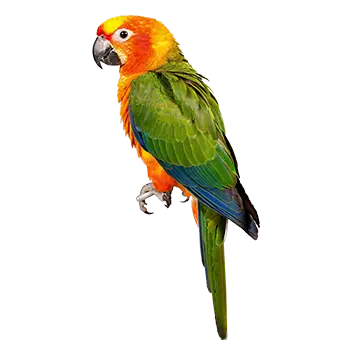
Jenday Conures possess bold, outgoing, affectionate temperaments that make them simultaneously endearing and challenging companion birds. These spirited parrots are renowned for their playful, clownish personalities, intense bonding with their owners, and seemingly boundless energy. Their temperament represents classic conure characteristics amplified—extremely social, highly vocal, wonderfully affectionate, and demanding of attention. Understanding their personality is essential before committing to ownership, as they require dedicated, experienced owners prepared for high-maintenance, high-reward companions.
The affectionate nature of Jenday Conures is one of their most beloved traits among devoted owners. These birds form incredibly strong bonds with their chosen people, often becoming 'velcro birds' that want constant physical contact. They express affection through extensive cuddling, burrowing under clothing or in hair, gentle (and sometimes not-so-gentle) nibbling, preening their person's hair, eyebrows, or clothing, staying physically attached to their person whenever possible, and soft vocalizations when content. Well-bonded Jenday Conures show genuine excitement when their favorite person enters the room, often dancing, bobbing, and calling enthusiastically. Their capacity for affection is immense, making them deeply rewarding for owners who appreciate highly interactive, cuddly birds.
Social requirements for Jenday Conures are extreme and absolutely non-negotiable. These are among the neediest parrot species, requiring several hours of direct interaction daily—not just being in the same room, but active engagement including out-of-cage time, play sessions, training, and physical contact. Single Jenday Conures kept as companions need minimum 3-4 hours of hands-on interaction, and even then may vocalize loudly when attention isn't forthcoming. They want to participate in everything their person does, from cooking to watching television to working on the computer. Isolation or insufficient attention causes severe behavioral problems including excessive screaming, feather plucking, aggression, and depression. These birds are completely unsuitable for people working long hours, frequently traveling, or wanting independent pets.
Vocalization patterns represent one of the most challenging aspects of Jenday Conure ownership. These birds are phenomenally loud—among the loudest of all small to medium parrots. Their screams are piercing, ear-splitting, and carry extraordinary distances. They vocalize frequently throughout the day, with particularly intense calling sessions at dawn and dusk when flock calling behavior is triggered. A Jenday Conure's scream can easily exceed 120 decibels, comparable to rock concerts or chainsaws in intensity. This extreme noise level makes them completely inappropriate for apartments, condominiums, close neighbors, or anyone sensitive to loud sounds. Potential owners must honestly assess their noise tolerance and living situation before acquiring a Jenday, as noise complaints and rehoming due to vocalizations are common.
Talking and mimicry ability in Jenday Conures is limited compared to species like African Greys or Amazons. Some individuals learn a few words or short phrases, typically with poor clarity and squeaky, mechanical voices. Their vocabulary rarely exceeds 10-15 words at most, and many never develop clear speech. However, they excel at learning household sounds, mimicking microwaves, doorbells, phones, and other common noises with impressive accuracy. Most Jenday Conure vocalizations consist of loud screams, contact calls, and natural conure sounds rather than human speech.
Behaviorally, Jenday Conures are endlessly entertaining, playful, and active. They approach life with enthusiasm and curiosity, investigating everything with their beaks and feet. They're acrobatic, hanging upside down, climbing vigorously, and engaging in aerial gymnastics when given flight opportunities. They love toys, particularly those they can destroy—shredding paper and wood brings them obvious joy. They're also known for their comical antics, often developing funny behaviors like rolling on their backs, hanging from one foot, or dancing to music. Their playful nature makes them perpetually amusing to watch and interact with.
The biting tendency of Jenday Conures is moderate and highly individual. Well-socialized, properly trained birds can be gentle and rarely bite aggressively. However, they have strong beaks capable of inflicting painful, bleeding bites. Hormonal individuals, poorly socialized birds, or those not respecting boundaries can become nippy or aggressive. Common biting triggers include hormonal behavior during breeding season, territorial defense of cage or favorite perches, over-stimulation during play, fear or startlement, and attention-seeking. Preventing biting requires understanding body language, maintaining boundaries, ensuring adequate sleep, and using positive training methods.
Possessiveness and jealousy can occur in Jenday Conures, particularly those strongly bonded to one person. They may become aggressive toward other people or pets approaching their chosen person, attempting to chase away perceived rivals. Some become cage-territorial, lunging at hands during cage cleaning or food changes. Managing these behaviors requires exposing birds to multiple handlers, not allowing shoulder privileges during interactions with others, and maintaining consistent boundaries.
Mood and health indicators are expressed through vocalizations, body language, and activity levels. Content Jenday Conures are active, vocal, playful, and engaged. Soft chirping and grinding beaks indicate happiness. Excessive screaming may signal boredom, loneliness, or attention-seeking. Fluffed feathers with closed eyes suggest illness unless the bird is just waking or relaxed. Aggression, withdrawal, reduced appetite, or decreased activity warrant veterinary evaluation. Overall, the Jenday Conure's temperament—intensely affectionate, extremely social, phenomenally loud, endlessly playful, and highly demanding—makes them wonderful companions for experienced owners prepared for high-maintenance birds, but completely inappropriate for beginners, noise-sensitive individuals, or those unable to provide the extensive time and attention these spirited parrots require.