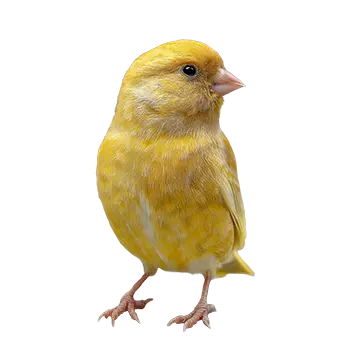

Fife Fancy Canary

Fife Fancy Canary
📸 Photo Gallery Coming Soon

Furry Critter Network Etsy Shop

Quick Facts

🔬 Scientific Name
Serinus canaria domestica
🦜 Bird Type
Canary
📊 Care Level
Moderate
😊 Temperament
Cheerful, Active, Independent
📏 Adult Size
4.25-4.5 inches
⏱️ Lifespan
8-12 years
🔊 Noise Level
Quiet to Moderate
🗣️ Talking Ability
None (sings)
🍽️ Diet Type
Seed-based
🌍 Origin
Domesticated (Scotland, 1950s)
🏠 Min Cage Size
18x12x12 inches minimum
📐 Size
Small

Fife Fancy Canary - Names & Recognition

The Fife Fancy Canary is a domesticated variety of the species Serinus canaria domestica, which encompasses all domestic canaries regardless of breed type. Like all pet and exhibition canaries, Fife Fancy Canaries descend from the wild canary (Serinus canaria), a small finch native to the Macaronesian islands including the Canary Islands, Azores, and Madeira. The Fife Fancy belongs to the type canary category, specifically bred for body conformation, shape, and overall appearance rather than color or song, though males do sing pleasantly. The breed represents one of the most recent type canary developments, created during the 1950s with a specific, deliberate goal—producing a miniature version of the popular Border Canary.

The name Fife Fancy references the breed's geographic origin in Fife, Scotland, where the breed was developed during the 1950s by Scottish fanciers seeking to create a smaller type canary. The term 'Fancy' in bird breeding historically refers to the practice of breeding animals for specific aesthetic or exhibition characteristics rather than practical purposes, and 'fancy' has been used in bird breeding terminology for centuries to denote selectively bred varieties. The Fife Fancy Canary was deliberately created through selective breeding of the smallest Border Canaries, carefully selecting for reduced size while maintaining the breed's characteristic rounded conformation, smooth plumage, and good type. The development process took several years of careful selection, with breeders rejecting birds that showed poor type, excessive size, or undesirable characteristics while breeding only the smallest, best-typed individuals.

The breed received formal recognition as a distinct variety separate from Border Canaries in the early 1960s when dedicated breed clubs formed and official breed standards were established. The Fife Fancy was initially somewhat controversial among Border Canary enthusiasts, with debates about whether it represented a truly distinct breed or simply undersized Borders. However, through consistent breeding and establishment of clear size standards differentiating Fife from Border, the breed gained acceptance and recognition from major canary organizations. The Fife Fancy standard specifies maximum size of 4.5 inches (11.4 cm) compared to the Border's 5.75 inches, with judges penalizing oversized birds in shows. This clear size distinction, combined with breed-specific characteristics, established the Fife Fancy as a distinct, recognized breed rather than simply small Borders.

Alternate names are relatively limited for this breed, as Fife Fancy or simply Fife has been the standard name since the breed's development. Some sources use Fife Canary as a shortened form, and occasionally the breed is called Miniature Border in reference to its development history, though this name is considered outdated and imprecise since the Fife has developed its own breed characteristics beyond simply being a scaled-down Border. In early development before formal standardization, various local names may have been used, but Fife Fancy quickly became universally accepted.

The scientific classification Serinus canaria domestica applies to all domestic canaries regardless of breed, with 'domestica' denoting domesticated status. All domestic canary breeds can interbreed and are considered the same species taxonomically, with breed differences representing human-selected variations in size, shape, color, or song rather than distinct species or subspecies. Recent molecular studies have suggested canaries might be more appropriately placed in the genus Crithagra rather than Serinus, leading to ongoing taxonomic discussions, though Serinus remains widely used in avicultural contexts.

As a type canary, the Fife Fancy is judged in shows and exhibitions based on adherence to specific breed standards defining ideal physical characteristics. These standards, maintained by national and international canary organizations, specify requirements including size (small and compact, maximum 4.5 inches), body shape (well-rounded with smooth curves similar to Border but in miniature), head shape (rounded and proportional to small body), posture (semi-erect, balanced, and alert), plumage (smooth and tight without frills), and overall balance and proportion appropriate to diminutive size. The breed standard emphasizes that Fife Fancy Canaries should not simply be small Borders but should possess their own characteristic 'type' including slightly more compact proportions, distinctive head shape, and overall impression of being a perfectly proportioned miniature canary rather than an undersized larger breed.

Fife Fancy Canaries are shown in numerous color varieties identical to those seen in Border and other type canaries, including clear yellows (pure yellow without dark pigments), clear buffs (softer coloring with frosted appearance), variegated (yellow or buff with dark melanin patches in various patterns), green (yellow with dark overlay), cinnamon (brown melanin instead of black), and numerous other recognized color combinations and mutations. However, like all type canaries, Fifes are judged primarily on conformation, body shape, and adherence to breed standards rather than color, with color being a secondary consideration. This distinguishes them from color breeds where color is the primary judging criterion.

The breed has gained substantial popularity since its development, particularly in Europe and increasingly in North America and other regions with active canary fancy communities. Fife Fancy Canaries rank among the most popular small type canaries, prized for their diminutive size making them particularly manageable for those with limited space, excellent type and conformation in miniature form, hardy constitution inherited from Border ancestry, pleasant singing ability in males, and suitability for both beginners attracted to their small size and ease of management and experienced exhibitors appreciating their breeding challenges and show potential. The breed's enduring popularity reflects successful achievement of breeders' goals—creating a perfectly proportioned miniature type canary that maintains all the positive qualities of larger breeds while offering advantages of reduced space requirements and charming diminutive appeal.

Fife Fancy Canary Physical Description

The Fife Fancy Canary is a diminutive, beautifully proportioned canary measuring approximately 4.25 to 4.5 inches (10.8-11.4 centimeters) in length from beak to tail tip, making it one of the smallest type canaries and indeed one of the smallest commonly kept domestic canaries of any category. This small size represents the breed's defining characteristic and primary distinction from its Border Canary ancestor. Adult Fife Fancy Canaries typically weigh between 12 and 16 grams (0.4-0.6 ounces), making them truly tiny birds, yet despite their diminutive size they are perfectly proportioned miniatures rather than appearing stunted or poorly developed. The breed's ideal appearance has been described as resembling a 'tennis ball'—perfectly rounded, compact, and balanced without angular or elongated features.

The body structure of the ideal Fife Fancy Canary features a nicely rounded head that flows smoothly into a full neck without harsh angles, creating gentle curves characteristic of the breed, a rounded back forming a smooth arc from neck to tail, a full, well-rounded chest creating a prominent breast appropriate to overall small size, and a compact, well-filled body that tapers gently toward the proportionally sized tail. The overall silhouette should appear as a miniature version of ideal type canary conformation—compact, balanced, and harmonious with all body parts in pleasing proportion despite reduced scale. The wings should be carried tightly against the body without drooping or crossing at tips. The tail is short and proportional to the diminutive body size, carried in line with the body rather than raised or drooped excessively.

Posture in Fife Fancy Canaries is characteristically semi-erect similar to Borders, striking a balance between upright and horizontal positions. The ideal Fife stands at approximately 60 degrees from horizontal, alert and lively but not tense or excessively upright. This posture combined with the rounded, compact body creates the breed's characteristic cheerful, jaunty appearance that fanciers prize. When perched, Fife Fancy Canaries appear like tiny, perfectly formed miniature canaries, compact, balanced, alert, and engaging despite—or perhaps because of—their diminutive size.

The plumage of Fife Fancy Canaries is smooth and tight-feathered without frills, crests, or elaborate feather structures seen in some other breeds. The feathers lie sleek and close against the body, creating clean lines that emphasize the rounded body contours and small size. This smooth, tight plumage is essential to the breed standard, with loose or fluffy plumage considered a fault. The plumage should show good sheen and condition, reflecting proper care, diet, and overall health. The tight, smooth feathering makes the bird's small size even more apparent and contributes to the breed's characteristic neat, compact appearance.

Color varieties in Fife Fancy Canaries are as extensive as in any type canary breed, with birds shown in virtually all recognized canary colors and patterns. The primary color divisions include clear birds showing pure color without dark melanin pigments—either clear yellow with intense, rich yellow coloring throughout the entire body or clear buff with softer, lighter yellow overlaid with white-tipped feathers creating a frosted, more subtle appearance. Variegated birds show combinations of clear areas and areas with dark melanin pigments in patterns that may range from lightly variegated with small amounts of dark markings to heavily variegated with substantial dark areas or ticked with fine dark spots throughout. Self-colored birds show even color distribution without clear areas, including green (yellow ground color with dark overlay creating greenish appearance), cinnamon (brown melanin replacing black creating softer appearance), blue (white ground with dark overlay), and fawn (white ground with brown overlay). Additionally, Fife Fancy Canaries are bred in various modified colors including white, isabel, agate, and numerous other mutations recognized in modern canary genetics.

The distinction between yellow and buff feathering is fundamental to canary breeding and applies equally to Fife Fancy as to other canary breeds. Yellow birds possess narrow feathers producing intense, rich, saturated color. Buff birds have broader feathers with white tips creating a softer, lighter, more frosted appearance. Standard breeding practice involves pairing yellow to buff, which typically produces offspring with ideal feather quality and texture—breeding yellow to yellow tends to produce overly tight, hard feathering that can lead to feather cysts and other problems, while breeding buff to buff produces excessively loose, soft, fluffy plumage inappropriate for type canaries. This yellow-buff pairing strategy has been practiced for generations and is considered essential for maintaining proper feather quality in Fife and other type canaries.

The beak is very small, neat, and proportional to the tiny head size, typically horn-colored or pale flesh-colored. Despite its small size, the beak is fully functional for seed hulling and all natural canary behaviors. The eyes are dark and bright, creating an alert, lively, engaged expression that contributes to the breed's cheerful appearance. The legs and feet are flesh-colored to pinkish-grey, very small and delicate but strong and capable, proportional to body size. Good leg placement, natural comfortable stance, and clean, healthy feet and legs are important breed characteristics evaluated in shows.

Sexual dimorphism in Fife Fancy Canaries, as in all canaries, relates primarily to behavior and vocalization rather than physical appearance, making visual sexing extremely difficult or impossible, particularly outside breeding season. Males sing elaborate, melodious songs particularly during breeding season and when in breeding condition, establishing territories and attracting mates through sustained vocal displays. Females typically do not sing or produce only very soft, simple chirps and occasional brief, quiet calls. Males may show marginally more compact, rounded builds in some cases, though this is subtle, variable, and completely unreliable for sexing. During breeding season, females may show behavioral differences including nesting behaviors, collecting and carrying nesting material, and specific solicitation displays when paired with males. DNA sexing through blood or feather samples provides the only reliable method for determining sex in visually identical birds, particularly valuable when acquiring young birds before males begin singing.

Juvenile Fife Fancy Canaries show duller, less defined plumage than adults with softer feather texture, less refined body shape and type, and generally less polished appearance. Young birds are noticeably smaller than adults, which can make already-tiny Fife chicks appear incredibly minute. Young birds undergo their first adult molt typically around 8-12 weeks of age, gradually developing full adult plumage, refined body conformation, proper feather texture, and mature coloring over several months. Young males may begin attempting song during this period, with song quality and complexity improving steadily with maturity, practice, and potentially learning from other singing males. Full adult plumage, optimal body conformation meeting breed standards, and peak condition are typically achieved by 8-12 months of age, with continued refinement possible in the second year.

The overall appearance of the Fife Fancy Canary combines diminutive size with perfect proportion, creating what many fanciers consider one of the most charming and appealing canary breeds. Their tiny size makes them remarkably manageable, requiring less space than larger breeds while maintaining all the positive qualities of type canaries including good conformation, smooth plumage, and pleasant temperament. Despite their small size, they possess substantial presence and personality, with males singing enthusiastically and all birds displaying active, engaging behaviors. The breed's combination of miniature proportions, attractive conformation available in numerous color varieties, pleasant singing ability in males, hardy constitution, and general suitability for both casual keepers appreciating their small size and dedicated exhibitors breeding for show quality has established the Fife Fancy as one of the most popular and widely kept small canary breeds worldwide.

Affection Level
Fife Fancy Canaries do not form bonds with humans and are not affectionate companion birds. They are observational cage birds that remain independent and somewhat wary regardless of captive breeding or daily interaction. They become stressed by handling attempts and should only be observed from outside their cages. Their appeal lies in their diminutive beauty, lively activity, and melodious singing in males.
Sociability
Fife Fancy Canaries can be kept singly or in same-sex groups. Males are typically housed individually as they become territorial, particularly during breeding season. Females can sometimes be housed together successfully in appropriate cages. While not as intensely social as some finch species, they appreciate the presence of other canaries nearby and respond to hearing other males sing.
Vocalization
Male Fife Fancy Canaries are pleasant singers with melodious, cheerful songs. While not bred specifically for song like specialized song breeds, Fife males produce delightful warbling and trilling similar to Border canaries but often slightly softer due to smaller size. Their songs are moderate in volume, pleasant to most listeners, and never overwhelming. Females typically don't sing or produce only soft chirps.
Intelligence
Fife Fancy Canaries demonstrate moderate intelligence typical of canaries. They learn daily routines, recognize their caretakers, and can distinguish between different people and situations. While intelligent within their behavioral repertoire, they lack the problem-solving abilities of parrots and are not trainable for tricks. Their intelligence is expressed through song learning and environmental awareness.
Exercise Needs
Despite their small size, Fife Fancy Canaries are active birds requiring daily flight exercise and movement. They benefit from cages allowing short flights between perches and appreciate out-of-cage flight opportunities in bird-safe rooms. Active movement and flight are essential for maintaining muscle tone, cardiovascular health, and preventing obesity despite their diminutive size.
Maintenance Level
Fife Fancy Canaries require moderate maintenance including daily feeding, fresh water, and cage cleaning. They are relatively messy eaters that scatter seed hulls requiring regular cleanup. While less demanding than parrots, they need proper housing, balanced diet, regular bathing opportunities, and health monitoring. Their smaller size makes some care tasks easier but doesn't reduce fundamental care requirements.
Trainability
Fife Fancy Canaries are not trainable in traditional senses and should not be regularly handled. They are observational cage birds that remain naturally wary. They can learn to recognize feeding times and may become less nervous around familiar caretakers, but this represents habituation rather than training. They cannot learn tricks or commands and handling causes stress.
Independence
These canaries are extremely independent and neither require nor desire human interaction beyond basic care provision. Males particularly are content alone, entertained by singing, foraging, bathing, and observing their environment. Their independence combined with small size makes them ideal for people who appreciate beautiful diminutive birds with pleasant songs without demands of interactive pets.

Natural Habitat & Range

As a fully domesticated breed developed in the 1950s through selective breeding, Fife Fancy Canaries have no natural habitat in the wild, existing exclusively in captivity as human-created variants of domestic canaries. However, understanding the ancestry and wild origins of all domestic canaries provides important context for proper care and understanding of their needs. All domestic canaries, including Fife Fancy Canaries, ultimately descend from the wild canary (Serinus canaria), a small finch endemic to the Macaronesian islands of the Atlantic Ocean including the Canary Islands (from which all canaries derive their common name), the Azores, and Madeira, located off the northwestern coast of Africa roughly 60-250 miles west of Morocco and Western Sahara.

These volcanic islands feature varied topography ranging from coastal lowlands to mountainous interiors, with climates ranging from subtropical at lower elevations to more temperate Mediterranean conditions at higher altitudes. Wild canaries in their native habitats occupy diverse environments including laurel forests providing dense canopy and undergrowth at mid-elevations, pine forests at higher elevations, scrubland and maquis vegetation typical of Mediterranean climates, agricultural areas including orchards, vineyards, and cultivated lands, gardens and parks in inhabited areas where they thrive alongside human activity, and edge habitats where forests meet clearings or open areas. They demonstrate remarkable adaptability to various elevations from sea level to mountainous regions exceeding 5,000 feet, though they are most abundant at lower to moderate elevations where food sources are most plentiful and climate most favorable.

The climate throughout the wild canary's native range is predominantly Mediterranean to subtropical, characterized by mild, wet winters and warm, dry summers with year-round moderate temperatures that rarely reach extremes. Winter temperatures seldom drop below 50°F (10°C) even at night, while summer temperatures typically range from 70-85°F (21-29°C), occasionally exceeding 90°F (32°C) during heat waves but moderated by maritime influences. Rainfall concentrates in winter months with extended dry summer periods. This relatively benign, stable climate allows nearly year-round activity with breeding concentrated in spring following winter rains when seed production peaks and food availability is optimal. This evolutionary history in mild, stable conditions influences captive care requirements, as dramatic temperature fluctuations or prolonged cold can stress domestic canaries unaccustomed to extreme conditions.

Wild canaries are social birds forming flocks ranging from small groups to large aggregations numbering hundreds of individuals outside breeding season. Social behaviors include constant vocal communication maintaining flock cohesion, complex territorial songs by males, coordinated foraging and movement patterns, and communal roosting in dense vegetation providing protection from weather and predators. During breeding season, males establish and defend territories through elaborate song and visual displays, though pairs may nest in loose colonies with multiple pairs nesting in proximity while still maintaining individual territories.

The wild diet consists predominantly of small seeds from diverse plant species including grass seeds, seeds from numerous herbaceous plants and weeds, small fruits and berries, occasional buds and soft plant material particularly in spring, and during breeding season, small insects and aphids fed to rapidly growing chicks requiring protein. Wild canaries are primarily granivorous seed-eaters, foraging on the ground in open areas or climbing seed-bearing plant stems to extract seeds directly from ripening seed heads. Their generalist seed-eating strategy and ability to exploit diverse food sources contribute to their success across varied habitats.

The domestication history of canaries dates back approximately 500 years to the early 16th century when Spanish sailors and conquistadors first brought wild canaries from the Canary Islands to Europe. Initially kept and valued primarily for their beautiful songs, canaries quickly became popular across European aristocracy and eventually among broader populations as breeding populations established and birds became more available. Over centuries of captive breeding, fanciers developed numerous distinct breeds through careful selective breeding for desired characteristics including song quality and complexity, specific body shapes and conformations, vibrant colors and color patterns, and various feather types and structures. This selective breeding process, extending across 500 years and countless generations, has produced the remarkable diversity of modern canary breeds.

The Border Canary, from which the Fife Fancy was directly developed, emerged as a distinct breed in the mid-19th century in the border regions between England and Scotland. The Fife Fancy Canary was then deliberately created during the 1950s by Scottish fanciers in Fife who specifically sought to produce a miniature version of the Border Canary. This relatively recent development makes the Fife Fancy one of the newest established type canary breeds. Development involved carefully selecting the smallest Border Canaries with the best type and conformation, breeding these miniatures together, and consistently culling birds that showed excessive size, poor type, or undesirable characteristics. Through persistent selective breeding over several years, the Fife Fancy became established as a distinct, breeding-true miniature type canary.

Modern Fife Fancy Canaries are completely domesticated, having been bred exclusively in captivity throughout their entire existence as a breed. They are even further removed from wild canary ancestors than older breeds, being derived from already-domesticated Border Canaries rather than directly from wild stock. They retain none of the survival adaptations or wariness of wild birds, are utterly dependent on human care for all aspects of survival, cannot survive if released into the wild, and have been dramatically modified in body size, structure, and behavior to suit human preferences and breeding standards. While they retain fundamental canary behaviors including singing in males, seed foraging patterns, and basic social responses, they are fundamentally domestic animals bearing the same relationship to wild canaries that highly bred domestic dog breeds bear to wolves—descended from but dramatically different through intensive human selection and completely dependent on continued human care and management for survival and wellbeing. The Fife Fancy's extreme miniaturization represents an advanced example of human influence on domestic animal development, producing a viable, healthy, breeding population of birds substantially smaller than either their wild ancestors or even their immediate Border Canary predecessors.

Temperament

The Fife Fancy Canary possesses a temperament characteristic of canaries—active, cheerful, independent from human interaction, and appreciated primarily for observation, beauty, and the melodious songs produced by males rather than for companionship or handling. Despite their diminutive size, Fife Fancy Canaries possess substantial personality and vitality, with many fanciers noting that these tiny birds seem to have personalities as large as bigger canary breeds. These are quintessential observational cage birds valued for their miniature beauty, engaging activity patterns, and particularly for the surprisingly full, melodious songs produced by males despite their small size. Understanding this fundamental independent nature is essential for prospective owners, as expecting or attempting to create interactive pet-like relationships with canaries leads to stress for the birds and disappointment for owners with inappropriate expectations.

Fife Fancy Canaries do not form bonds with humans, do not seek or desire human attention or physical contact, and do not become tame or handleable regardless of hand-raising, extensive daily exposure, or generations of captive breeding. They retain their naturally independent, somewhat wary disposition characteristic of canaries, viewing close human approach with nervousness and handling attempts with fear and stress. Regular handling attempts cause distress, panic responses, potential injury from frantic escape efforts, and chronic stress that can suppress singing in males and compromise overall health. They do not enjoy or tolerate being touched, held, or closely approached beyond what's absolutely necessary for essential care procedures. Their value and appeal lie entirely in observation and auditory enjoyment—watching their active movements, appreciating their tiny, perfectly proportioned appearance, and most importantly for males, listening to their melodious, cheerful songs that are remarkably full and complex considering the singer's diminutive size.

Male Fife Fancy Canaries are particularly valued for their singing ability, which is one of the breed's most delightful characteristics. While not bred specifically for song complexity or particular tonal qualities like specialized song breeds (Roller, Waterslager, American Singer), Fife males produce genuinely delightful, melodious songs consisting of varied trills, warbles, rolls, and whistled phrases delivered in sequences that vary between individuals. Their songs are similar in complexity and pleasantness to Border Canary songs, though often described as slightly softer or more delicate in tone befitting their smaller size, though volume and projection are still quite adequate for a bird of such diminutive proportions. Many fanciers express surprise and delight that such small birds can produce such full, complex, sustained songs, with males singing enthusiastically particularly during morning and evening hours when in good health and breeding condition.

Male song serves multiple functions including establishing and defending territory, attracting potential mates during breeding season, and expressing general vitality, health, and contentment with their environment and care. A male Fife Fancy in good condition with proper diet, appropriate housing, and minimal stress will sing regularly and enthusiastically, providing daily musical entertainment that many owners find genuinely pleasurable and relaxing. Song typically begins with males reaching sexual maturity around 6-12 months of age, with song quality and complexity improving over the first year or two as males practice, refine their repertoires, and potentially learn elements from other singing males if housed within hearing of good singers during development.

Female Fife Fancy Canaries typically do not sing or produce only very soft, simple chirps and occasional quiet calls. For those specifically seeking singing ability—which represents much of the appeal of keeping canaries—acquiring males is essential. However, visual sexing of Fife Fancy Canaries is unreliable until males begin singing, so many purchasers must wait until young birds mature and males reveal themselves through song. Some suppliers offer sexed birds through DNA testing or guaranteed singing males, though these typically command premium prices reflecting the added certainty and value.

Social structure in Fife Fancy Canaries follows typical canary patterns. Males are generally housed individually as they become territorial particularly during breeding season, establishing their cage space as territory defended through song and displays toward perceived rivals. Individual housing causes no distress in males, who appear perfectly content alone, occupied with singing, foraging, bathing, preening, and observing their environment. Females can sometimes be housed together successfully in appropriately sized cages providing adequate space and multiple feeding stations, though individual temperaments vary and some females show aggression requiring separation. Mixed-sex housing is generally only appropriate during controlled breeding setups, as year-round mixed housing can lead to constant breeding attempts causing female stress, feather plucking, aggression, and health problems from excessive egg laying.

However, even when housed individually, Fife Fancy Canaries benefit from the presence of other canaries nearby. Males housed within sight or hearing of other males often sing more enthusiastically and persistently, engaging in competitive vocal displays trying to out-sing their rivals. This social stimulation, even without physical contact, provides enrichment and encourages natural behaviors. Some owners keep multiple males in separate cages positioned where they can hear each other, stimulating song without physical conflict or stress.

Interaction style with humans is characterized by wariness and nervousness, though Fife Fancy Canaries are generally calmer and less panicky than some wild-caught finches or extremely nervous species. When humans approach, they typically hop to far perches, becoming alert and watchful, resuming normal activities once the person moves away or remains still at appropriate distance. With patient, consistent care involving slow, deliberate movements, quiet voices, and predictable daily routines, Fife Fancy Canaries become habituated to their caretaker's presence enough to continue feeding, singing, and moving about normally rather than freezing in fear or panic-flying around the cage. However, this habituation represents reduced fear rather than trust, affection, or desire for interaction. They remain fundamentally independent birds that neither seek nor desire human contact beyond provision of proper food, water, clean housing, and general care.

Vocalization patterns beyond song include various soft chirps and contact calls used for communication. Both sexes produce soft, quiet chirps with slightly different calls for contentment, mild alarm, hunger, and social communication. These vocalizations are very quiet and unobtrusive, never problematic even in the most noise-sensitive situations. The real vocal feature of Fife Fancy Canaries is the male's song—enthusiastic, melodious, surprisingly full-bodied for such a small bird, and highly variable between individuals with some males developing extensive, complex repertoires while others sing simpler though still pleasant songs. Song quality can be influenced by genetics with some bloodlines producing superior singers, exposure to good singing role models during development, overall health and condition with well-maintained birds singing more enthusiastically, breeding condition influenced by photoperiod and hormonal status, and individual variation with some males naturally more vocal and talented than others.

Mood indicators in Fife Fancy Canaries are similar to other canaries. Active, constantly moving birds indicate contentment and good health. Regular feeding behavior throughout the day is normal and healthy. Enthusiastic singing in males indicates good health and breeding condition. Alert, upright posture indicates normal condition. Smooth, well-maintained plumage indicates good health and proper diet. Signs of stress or illness include persistently fluffed feathers, lethargy and reduced activity, loss of appetite or changed feeding patterns, males stopping singing or singing less frequently, labored breathing, and behavioral changes. One distinctive behavior in Fife Fancy Canaries, as in other canaries, is their characteristic hopping and climbing activity, constantly moving between perches, exploring their environment, and maintaining nearly perpetual motion during waking hours.

Daily activity patterns include dawn activity peaks when males begin singing vigorously and all birds become active and alert, mid-morning continued activity including foraging, singing, and social behaviors, midday rest periods particularly during warm weather when birds may nap or preen quietly, afternoon resumption of activity, and evening activity before roosting with males often singing enthusiastically again before settling for the night. Maintaining consistent photoperiod of 12-14 hours light and 10-12 hours darkness helps regulate breeding condition and prevents stress from disrupted circadian rhythms, with extended light periods bringing males into breeding condition increasing song frequency and intensity while shortened photoperiod helps birds out of breeding condition for rest periods.

Behavioral quirks characteristic of Fife Fancy Canaries include enthusiastic bathing with most birds loving bathing and splashing vigorously in shallow water, seed tossing and foraging behaviors during feeding, territorial displays in males including raising crown feathers, spreading wings, and aggressive posturing toward perceived rivals (including reflections), the male's characteristic head-thrown-back posture while singing delivering powerful song phrases, and general busy, constantly-active demeanor despite tiny size. Many owners comment that Fife Fancy Canaries seem unaware of their diminutive size, behaving as confidently and assertively as much larger canaries.

Training is not applicable to Fife Fancy Canaries. They cannot learn tricks or commands and do not respond to training beyond basic habituation to daily routines and caretaker presence. They can learn to anticipate feeding times, recognize their caretaker's approach patterns, and adjust their behavior around predictable daily activities, but this represents learned association and routine recognition rather than training. The appropriate approach involves providing proper care, appropriate housing, balanced nutrition, and clean environment while respecting their independent nature and appreciating them for what they offer—diminutive beauty, engaging activity, and particularly in males, melodious song that brightens homes and provides genuine daily pleasure to observant, respectful keepers.

Care Requirements

Providing appropriate housing for Fife Fancy Canaries requires understanding their need for flight space despite their tiny size, proper perching, environmental conditions supporting their health, and recognition that while they are smaller than other canaries, their fundamental care requirements remain similar. The absolute minimum cage size for a single Fife Fancy Canary is 18 inches long by 12 inches deep by 12 inches tall, though larger cages are strongly preferred and significantly improve quality of life. Despite their diminutive size, Fife Fancy Canaries are active fliers and benefit substantially from cages measuring 24-30 inches or more in length providing better flight opportunities essential for exercise, cardiovascular health, and mental stimulation. Horizontal space remains more important than height, as these birds fly between perches more than they climb vertically, making long, rectangular cages preferable to tall, narrow configurations.

Cage construction should feature predominantly horizontal bars facilitating climbing and providing better security than vertical bars. Bar spacing is critically important for these extremely small birds—bars must be spaced no more than 1/4 to 3/8 inches apart maximum to prevent escape through gaps or head entrapment. Given their tiny size, Fife Fancy Canaries can squeeze through surprisingly small openings, making appropriate bar spacing absolutely essential. The cage should be constructed from powder-coated metal or stainless steel, avoiding galvanized wire that can potentially cause zinc toxicity if birds chew on it, though canaries are not particularly destructive chewers. All cage doors must feature secure closures that these clever birds cannot manipulate, as canaries can learn to open simple latches.

Cage location should provide bright natural light ideally near windows, as canaries benefit from natural photoperiod cues helping regulate breeding condition, molt timing, and maintaining healthy circadian rhythms. However, avoid locations with direct intense afternoon sunlight causing overheating in small cages, drafty areas near doors, windows, or air conditioning vents creating temperature fluctuations, or areas with temperature extremes. Position cages at comfortable viewing height allowing easy observation of these tiny birds while providing them with security. Maintain consistent ambient temperatures between 60-75°F, avoiding dramatic fluctuations that stress small birds with limited thermoregulatory capacity. Keep cages away from kitchens to avoid toxic fumes from non-stick cookware and other cooking hazards.

Perch variety and strategic placement are critical for maintaining foot health and providing exercise. Provide multiple perches of varying diameters appropriate for their tiny feet (approximately 1/4 to 3/8 inches thick) positioned at different heights encouraging hopping and short flights between perches. Natural wood perches from safe tree species like apple, willow, or manzanita provide varied diameter, texture, and slight give that's better for feet than rigid dowels. Avoid sandpaper perches that abrade feet or uniform dowels contributing to pressure sores and foot problems. Position perches strategically to create flight corridors along cage length while leaving adequate open space in the middle for unobstructed flight. Place some perches near cage top for roosting, as canaries naturally prefer elevated sleeping positions. Avoid placing perches directly over food or water dishes preventing fecal contamination.

Enrichment items appropriate for Fife Fancy Canaries are minimal but important. Provide a shallow bathing dish or attach a commercial bird bath to cage bars, as most Fife Fancy Canaries love bathing enthusiastically despite their tiny size, often creating impressive splashing displays. Some birds prefer bathing under gentle spray or dripping water. Provide cuttlebone permanently attached to cage bars supplying essential calcium and serving as beak conditioning surface. Offer occasional millet sprays as treats hung from cage bars. Small mirrors may interest some canaries though should be used judiciously as some birds become overly fixated. Avoid bells, complex toys, or items creating potential hazards for such small birds. Their primary enrichment comes from adequate flight space, bathing opportunities, and for males, the act of singing itself.

Substrate and cage bottom management involves options including plain white paper allowing easy monitoring of droppings appearance and color for health assessment, newspaper or brown paper, or commercial cage liners all changed daily. Avoid sand, corn cob substrates, walnut shells, or cedar/pine shavings releasing harmful aromatic compounds. Seed hulls and droppings accumulate rapidly requiring daily removal to maintain hygiene.

Food and water containers should be appropriately sized for such tiny birds—very small, shallow dishes that cannot tip easily work best. Use separate containers for seed mix, fresh foods, and water. Place dishes away from perches preventing contamination from droppings. Change water at least once daily, more often if soiled, as these tiny birds have high metabolic rates and must drink regularly. Clean all dishes thoroughly daily preventing bacterial growth that can quickly cause illness in small birds.

Cage cleaning routines should include daily tasks: removing and replacing substrate, cleaning food and water dishes thoroughly, removing any uneaten fresh foods after 4-6 hours to prevent spoilage, and spot-cleaning any obviously soiled areas. Weekly tasks include thorough cage cleaning using bird-safe disinfectants, replacing all substrate, washing all perches, scrubbing cage bars thoroughly, and inspecting equipment for wear or damage. Monthly tasks include deep cleaning of entire setup and assessing overall arrangement effectiveness.

Lighting and photoperiod management are important for regulating breeding condition, supporting healthy molt timing, and maintaining normal behavior patterns. Provide 12-14 hours of light during spring/summer if breeding is desired, reducing to 10-12 hours during fall/winter to allow birds out of breeding condition for rest and recovery. Natural daylight variation works well, or use timers for consistency if natural light is inadequate. Avoid abrupt photoperiod changes that can disrupt hormonal regulation and cause stress or health problems.

Out-of-cage flight time in bird-safe rooms provides valuable exercise and mental stimulation even for these tiny birds. Allow supervised flight time several times weekly in rooms with closed windows and doors, no ceiling fans, no other pets, and minimal hazards. Close all gaps, cover mirrors to prevent collision injuries, and ensure the room is truly safe for such small birds that can hide in surprisingly tiny spaces. This free flight exercise helps maintain cardiovascular fitness, prevents obesity, exercises wing muscles, and provides enrichment beyond what even spacious cages can offer.

Breeding setups for those interested require specific accommodations despite the birds' small size including breeding cages (minimum 20-24 inches long for such small birds), appropriately sized nest pans or cups (small, open or half-open styles), suitable nesting material (soft grass, burlap fibers, cotton wool all in small pieces), enhanced nutrition including increased protein through egg food and calcium supplementation, appropriate photoperiod (14 hours light bringing birds into condition), compatible pairs with breeding yellow to buff strongly recommended, and experience or mentorship as breeding such small canaries presents unique challenges. Breeding should only be undertaken with proper knowledge, appropriate facilities, and realistic plans for managing and placing offspring.

Environmental enrichment beyond basic housing includes regular bathing opportunities which most Fifes enjoy enthusiastically, varied natural perching materials rotated periodically, food variety and varied presentation methods, positioning near windows for visual interest and natural light, and some owners report their birds respond positively to soft classical music or nature sounds.

Safety considerations include secure latches preventing escapes (particularly important for such tiny birds that might squeeze through small gaps), eliminating any gaps or hazards, avoiding toxic plants if considering planted cages, maintaining proper temperatures without extremes, ensuring excellent ventilation without drafts, and protecting from household hazards including non-stick cookware fumes (instantly fatal), aerosols, scented products, and toxic cleaning chemicals. Given their extremely small size, Fife Fancy Canaries require extra vigilance to prevent escapes, as they can fit through surprisingly small openings and once escaped are extremely difficult to catch.

While their small size might suggest they require less space or care than larger canaries, appropriate housing for Fife Fancy Canaries actually requires the same commitment to adequate flight space, proper environment, good hygiene, and appropriate enrichment as any canary breed. With proper housing providing adequate flight opportunity despite their tiny size, appropriate environmental conditions, excellent hygiene, and suitable enrichment, Fife Fancy Canaries thrive, sing enthusiastically (males), and display their full repertoire of engaging, cheerful behaviors, providing years of enjoyment in remarkably small packages.

Feeding & Nutrition

Proper nutrition for Fife Fancy Canaries is fundamental to maintaining health, supporting the demanding annual molt, enabling enthusiastic singing in males, and ensuring longevity. Despite their extremely small size—indeed because of it—these diminutive canaries have high metabolic rates and specific dietary requirements that, when properly met, support vibrant plumage, robust immune function, and overall vitality throughout their 8-12+ year lifespans. Understanding and providing appropriate nutrition prevents many common health problems and allows these tiny birds to thrive.

The foundation of a captive Fife Fancy Canary diet should consist of high-quality canary seed mix specifically formulated for canaries, comprising approximately 60-70% of daily food intake. Quality canary seed mixes appropriate for Fifes should include canary seed (canary grass seed) as the primary component providing good baseline nutrition, rape seed (rapeseed or colza) offering additional protein and nutrients, niger seed (nyjer) providing healthy oils and nutrients, small amounts of hemp seed which is nutritious but high in fat so must be limited, linseed (flaxseed) in small amounts, and small amounts of other appropriate small seeds. Premium canary seed mixes from reputable suppliers specializing in bird food provide balanced variety and appropriate proportions. Avoid cheap seed mixes with excessive filler seeds, mixes dominated by millet (less nutritionally complete for canaries than for finches), old or stale seed that may be rancid or pest-infested, or mixes containing large inappropriate seeds. Given their tiny size, Fife Fancy Canaries consume relatively small amounts of seed daily, making quality particularly important as poor seed provides inadequate nutrition.

Fresh foods supplement the seed-based diet, providing essential vitamins, minerals, and dietary variety. Offer daily small amounts appropriate to their tiny size of dark leafy greens including chickweed (a particular favorite), dandelion leaves, romaine lettuce, spinach in moderation, and finely chopped kale; vegetables including finely grated carrot (highly palatable for most canaries), finely chopped broccoli, corn, and zucchini; fresh fruits including tiny pieces of apple (seeds removed), pear, grapes cut into very small pieces, berries, and orange segments; and fresh herbs including parsley and cilantro. Fife Fancy Canaries generally accept fresh foods readily, though individual preferences vary. Introduce variety gradually and persist with offerings even if initially ignored. Given their small size, offer appropriate portions—a slice of apple or small sprig of greens is adequate, with excess removed after 4-6 hours to prevent spoilage.

Egg food is essential during certain periods and beneficial year-round. Commercial egg food (dry or soft formulations designed for canaries) provides concentrated protein and nutrients supporting feather growth during molt and chick development during breeding. Homemade egg food can be prepared using finely chopped hard-boiled eggs mixed with breadcrumbs or commercial bases. During annual molt (typically late summer through autumn), provide egg food 2-3 times weekly supporting the demanding process of replacing all feathers. During breeding season, provide egg food daily when pairs are raising chicks, as protein requirements increase substantially. Some experienced keepers provide small amounts of egg food weekly year-round for general health support, though this is optional outside molt and breeding periods.

Grit and mineral supplementation practices vary among canary keepers. Unlike some birds, canaries hull their seeds before swallowing, removing the hard outer shell, so insoluble grit is less essential for digestion than for birds swallowing seeds whole. However, providing very small amounts of fine mineralized grit or oyster shell grit occasionally may aid digestion and provide trace minerals. Cuttlebone should be permanently available attached to cage bars, providing readily accessible calcium essential for bone health, eggshell formation in breeding females, and serving as a beak conditioning surface. Mineral blocks formulated specifically for canaries offer additional minerals and trace elements supporting overall health.

Molting supplements specifically formulated for canaries provide valuable support during the demanding annual molt period. These supplements typically contain increased protein supporting feather development, B-complex vitamins and biotin specifically supporting feather growth and quality, minerals including calcium and phosphorus, and amino acids essential for keratin production. Following label directions, mix these supplements into drinking water or sprinkle on food during the molt period ensuring complete, healthy feather replacement and reducing stress during this physiologically demanding time.

Foods to avoid are identical for Fifes as for all canaries and include avocado in any form (highly toxic causing rapid death), chocolate and caffeine (toxic), salt and salty foods (harmful to small birds), sugar and sugary foods (contributing to obesity and health problems), apple seeds and fruit pits containing cyanide compounds, onions and garlic (toxic), alcohol (extremely dangerous), rhubarb leaves (toxic), and any spoiled or moldy food. While canaries naturally eat various seeds, avoid seeds from ornamental plants potentially treated with pesticides or from toxic plant species.

Water requirements are straightforward but absolutely critical, particularly for such small birds with rapid metabolic rates. Provide fresh, clean water daily in very small, shallow dishes appropriate for tiny birds, changed at least once daily, more often if soiled. Fife Fancy Canaries must drink regularly throughout the day given their high metabolism and small body size providing minimal water reserves. Many keepers prefer filtered or bottled water eliminating chlorine and potential contaminants, though clean municipal water is generally safe. Monitor consumption closely, as changes in drinking patterns can indicate health problems requiring investigation.

Supplementation with vitamins can be beneficial particularly during molt, breeding season, or periods of stress or illness. Water-soluble vitamin supplements designed specifically for canaries can be added to drinking water following label directions, though should be changed daily as they promote bacterial growth in water. Powder supplements can be sprinkled on dampened greens or mixed with egg food. However, avoid over-supplementation which can cause toxicity, particularly with fat-soluble vitamins (A, D, E, K) that accumulate in body tissues rather than being excreted.

Foraging enrichment makes feeding more engaging and provides mental stimulation. Scatter very small amounts of seed on clean cage bottoms encouraging natural ground foraging behaviors, hang small pieces of millet spray requiring birds to work to access seeds, provide fresh seeding grasses when available allowing natural seed extraction, rotate food presentation methods and locations preventing predictability, and offer variety in foods presented. These activities provide essential mental stimulation while feeding natural foraging instincts, helping prevent boredom particularly important for intelligent, active canaries.

Feeding schedules should provide dry seed mix available constantly throughout daylight hours in appropriate small quantities (these tiny birds don't consume large amounts daily), as canaries have high metabolic rates requiring frequent small meals rather than large, infrequent feeding. Offer fresh foods once daily in morning, removing unconsumed items after 4-6 hours preventing bacterial growth and spoilage. Provide egg food and molting supplements during appropriate periods (molt, breeding) following recommended schedules.

Monitoring food consumption and body condition ensures adequate nutrition. Fife Fancy Canaries should be active, bright-eyed, and alert, maintaining good body condition with smooth, well-maintained plumage and healthy appearance despite their tiny size. Prominent keel bones indicate underweight condition requiring increased food quantity, improved quality, or veterinary examination to identify underlying problems. Inability to feel keel bone suggests obesity. Regular weighing on highly accurate gram scales (ideally accurate to 0.1 grams given their 12-16 gram typical weight) tracks trends and detects gradual changes. Adjust feeding amounts based on individual requirements, activity levels, molt status, breeding condition, and seasonal factors.

With appropriate high-quality seed-based diet, fresh food supplementation, egg food during critical periods, mineral provision, molt support through specialized supplements, and engaging foraging-based feeding methods, Fife Fancy Canaries maintain excellent health, develop and maintain beautiful plumage despite their diminutive size, sing enthusiastically (males), breed successfully if desired, and thrive throughout their 8-12+ year captive lifespan providing years of beauty, cheerful activity, and melodious song to appreciative keepers who respect their specialized dietary needs.

Fife Fancy Canary Health & Lifespan

Fife Fancy Canaries are generally hardy, robust birds when provided with proper care, despite their extremely small size. With optimal conditions including appropriate diet, proper housing, good hygiene, and minimal stress, they typically live 8-12 years, with some individuals documented living 15+ years under exceptional care. Their hardiness reflects their Border Canary ancestry, as Borders are known for robust constitution and the Fife inherited this positive characteristic. However, their tiny size and rapid metabolism mean they can deteriorate very quickly when health problems occur, potentially even faster than larger canaries due to their minimal body reserves. Vigilant daily observation and prompt intervention when concerns develop are absolutely essential for these diminutive birds. Respiratory infections represent significant health concerns in all canaries including Fifes, particularly birds housed in environments with inadequate ventilation, drafts, temperature extremes, or exposure to airborne irritants including tobacco smoke, aerosol products, scented candles, or cooking fumes. Clinical signs include labored breathing, open-mouth breathing, tail bobbing with each breath indicating respiratory distress, nasal discharge, sneezing or coughing sounds, reduced or completely lost song in males (often an early indicator of illness), fluffed feathers indicating discomfort, lethargy and reduced activity, and loss of appetite. Air sac mites (Sternostoma tracheacolum) can infest respiratory passages causing breathing difficulties, altered or lost voice in singing males, and characteristic clicking sounds during breathing. These microscopic parasites can spread rapidly through collections and require veterinary diagnosis and treatment with appropriate antiparasitic medications. Aspergillosis, a potentially fatal fungal infection, can develop from moldy seed or excessively humid environments, causing chronic, progressive respiratory disease requiring aggressive antifungal treatment that may not be successful in advanced cases.

Common Health Issues

  • Vigilant daily observation and prompt intervention when concerns develop are absolutely essential for these diminutive birds.\n\nRespiratory infections represent significant health concerns in all canaries including Fifes, particularly birds housed in environments with inadequate ventilation, drafts, temperature extremes, or exposure to airborne irritants including tobacco smoke, aerosol products, scented candles, or cooking fumes.
  • Clinical signs include labored breathing, open-mouth breathing, tail bobbing with each breath indicating respiratory distress, nasal discharge, sneezing or coughing sounds, reduced or completely lost song in males (often an early indicator of illness), fluffed feathers indicating discomfort, lethargy and reduced activity, and loss of appetite.
  • Air sac mites (Sternostoma tracheacolum) can infest respiratory passages causing breathing difficulties, altered or lost voice in singing males, and characteristic clicking sounds during breathing.
  • Aspergillosis, a potentially fatal fungal infection, can develop from moldy seed or excessively humid environments, causing chronic, progressive respiratory disease requiring aggressive antifungal treatment that may not be successful in advanced cases.\n\nFeather cysts occur in canaries including Fifes, particularly in yellow-feathered birds.
  • The incidence of feather cysts can be reduced through proper breeding practices, particularly breeding yellow birds to buff birds rather than yellow-to-yellow pairings that produce overly tight, hard feathering predisposing to cyst formation.\n\nFeather plucking and abnormal feather loss can occur in Fife Fancy Canaries, though less commonly than in parrots.
  • Vitamin A deficiency causes respiratory problems, poor feather quality, eye problems including crusting or swelling, and reduced immune function increasing susceptibility to infections.
  • Calcium deficiency particularly affects breeding females, leading to egg binding, production of soft-shelled eggs, and poor bone health.
  • Obesity can develop in sedentary birds housed in small cages without adequate flight exercise, leading to fatty liver disease, reduced fertility, and shortened lifespans, though active Fifes given appropriate housing are generally less prone to obesity than some larger, less active breeds.\n\nEgg binding represents a serious, potentially fatal emergency affecting breeding female Fife Fancy Canaries.

Preventive Care & Health Monitoring

  • Causes include mite infestations, nutritional deficiencies particularly during the demanding molt period, excessive breeding in females causing feather damage and poor condition, stress from inappropriate housing or excessive disturbance, and occasionally habit formation particularly in breeding pairs where males may over-pluck females' heads.
  • The annual molt typically occurring in late summer through autumn is a demanding period requiring increased nutritional support including enhanced protein, vitamins particularly B-complex, minerals, and calories to support the replacement of virtually all feathers over several weeks.
  • Inadequate nutrition during molt can result in incomplete feather replacement leaving bare patches, poor quality new feathers that are weak or malformed, prolonged molt extending over many months rather than completing in 6-8 weeks, and increased stress and vulnerability to illness during this physiologically demanding period.
  • Supporting molt through enhanced diet including egg food, commercial molting supplements, and ensuring birds aren't breeding during molt ensures healthy feather replacement and return to full condition.\n\nNutritional deficiencies can develop in canaries fed inadequate diets lacking variety, fresh foods, and appropriate supplementation.
  • Vitamin A deficiency causes respiratory problems, poor feather quality, eye problems including crusting or swelling, and reduced immune function increasing susceptibility to infections.
  • Calcium deficiency particularly affects breeding females, leading to egg binding, production of soft-shelled eggs, and poor bone health.

Regular health monitoring is absolutely essential for these tiny birds. Daily observation should carefully note activity level and overall behavior patterns, appetite and feeding behaviors, droppings appearance (normal droppings have dark fecal matter with white urates), breathing pattern and rate, singing in males with changes often indicating problems, posture and feather condition, and any behavioral changes from normal patterns. Weight monitoring through regular weighing on highly accurate gram scales (preferably accurate to 0.1 grams given their tiny size) helps detect gradual changes indicating problems before they become obvious. Healthy adult Fife Fancy Canaries typically weigh only 12-16 grams, meaning losses of even 1-2 grams represent significant percentages of body weight requiring immediate investigation. Given their tiny size and limited reserves, Fife Fancy Canaries can deteriorate from apparently healthy to seriously ill within hours, making daily vigilant observation critically important. Proper diet, clean housing, appropriate environmental conditions, and stress minimization form the foundation of preventive health care. Prompt veterinary attention with avian veterinarians experienced with small birds when any concerns arise is critical, as delay of even 12-24 hours can be fatal in birds this small. With diligent preventive care, vigilant daily monitoring, appropriate immediate response to any concerns, and decades-long commitment to their specialized needs, Fife Fancy Canaries can enjoy healthy, active lives with years of beautiful singing throughout their 8-12+ year captive lifespan.

Training & Vocalization

Training and taming are not applicable concepts for Fife Fancy Canaries, as these birds are exclusively observational cage birds that remain independent and wary of humans regardless of hand-raising attempts, daily interaction, or generations of captive breeding. Like all canaries, Fifes are appreciated and valued for their beauty, engaging activity, and particularly for the melodious songs produced by males rather than for any bonding, interaction, or handling. Understanding and accepting this fundamental independent nature is essential for setting appropriate expectations and providing respectful, appropriate care. These diminutive birds offer genuine rewards through observation and listening rather than through physical interaction.

Fife Fancy Canaries remain naturally nervous around close human approach, though they are generally calmer and more adaptable than some extremely nervous species. When humans approach cages, they typically hop quickly to far perches, becoming alert and watchful, resuming normal activities once the perceived threat passes or remains at respectful distance. With patient, consistent care involving slow, deliberate movements, quiet voices, predictable daily routines, and handling only when absolutely essential for health checks or medical care, Fife Fancy Canaries become habituated to their caretaker's presence enough to continue feeding, singing, bathing, and moving about normally rather than panicking or freezing in terror. However, this habituation represents reduced fear rather than trust, affection, or desire for proximity. They remain fundamentally independent birds that neither seek nor enjoy human contact beyond the provision of proper care.

Handling should be limited to essential situations including necessary health examinations, weighing, nail trimming if needed, or medical procedures, using proper gentle technique supporting their tiny, delicate bodies. Given their extremely small size and fragility, handling requires particular care and skill. Frequent handling causes chronic stress, can suppress singing in males, and should be avoided. Most daily care including feeding, water changes, cage maintenance, and general monitoring can be accomplished without handling birds at all.

Vocalization patterns and song in male Fife Fancy Canaries represent one of their most delightful and appealing characteristics. Despite their diminutive size—indeed, remarkably given their tiny size—Fife males are pleasant, enthusiastic singers producing melodious, surprisingly full songs. While not bred specifically for song complexity or particular tonal qualities like specialized song breeds, Fife males produce genuinely delightful songs consisting of numerous phrases including varied trills, warbles, rolls, and whistled notes delivered in complex sequences that vary individually between males. Their songs are similar in complexity and pleasantness to Border Canary songs from which they were developed, though often described as having a slightly softer, more delicate tonal quality befitting their smaller size. However, their songs are still delivered with remarkable volume and projection for such tiny birds, easily filling rooms and providing genuine musical pleasure.

Many fanciers express surprise and delight that such tiny birds—often weighing only 12-15 grams—can produce such sustained, complex, full-bodied songs. Males sing enthusiastically particularly during morning and evening periods when in good health, proper condition, and breeding readiness, with song serving to establish territory, attract potential mates, and express general vitality and contentment. A male Fife Fancy in optimal condition with proper diet, appropriate spacious housing, and minimal stress will sing regularly and enthusiastically, providing daily entertainment that owners find genuinely pleasurable and relaxing. Song typically begins as males reach sexual maturity around 6-12 months of age, with quality and complexity improving over the first year or two as males practice, refine their repertoires, and potentially learn elements from other singing males if housed within hearing of good singers during developmental periods.

Song quality in male Fife Fancy Canaries can be influenced by several factors including genetics with some bloodlines producing superior singers, early exposure to good singing role models during development with young males learning partly through listening to adult males and potentially incorporating heard elements into their songs, overall health and condition with well-maintained birds in optimal condition singing more enthusiastically and persistently, breeding condition influenced by photoperiod with longer days bringing males into breeding readiness triggering increased song, environmental factors including stress levels and housing quality with stressed birds singing less, and individual variation with some males naturally more vocal, talented, and persistent singers than others. Breeders can selectively breed for enhanced song quality, and some Fife Fancy lines are known for particularly fine singing ability.

Female Fife Fancy Canaries typically do not sing or produce only very soft, simple chirps and occasional quiet calls. For those specifically wanting singing ability—which represents much of the appeal and enjoyment of keeping canaries—acquiring males is essential. However, visual sexing of Fife Fancy Canaries is extremely unreliable until males begin singing around 6-12 months of age, so many purchasers must wait patiently until young birds mature and males reveal themselves through song development. Some specialized suppliers offer sexed birds through DNA testing performed on blood or feather samples or guaranteed singing males based on early song development, though these typically command significant premium prices reflecting the added certainty and value.

Encouraging song in male Fife Fancy Canaries involves maintaining appropriate photoperiod with 12-14 hours light during spring/summer bringing males into breeding condition when song is most intense and persistent, providing optimal nutrition including high-quality seed, fresh foods, and supplements supporting energy expenditure for sustained singing, ensuring appropriate spacious housing with adequate flight space and minimal stress allowing confident, relaxed behavior, positioning males where they can hear though not necessarily see other males which stimulates competitive singing through vocal rivalry, minimizing stress and disturbance from excessive handling or environmental disruption, and appreciating rather than attempting to artificially manipulate or control natural song patterns. Some males housed within hearing of other males sing more enthusiastically through competitive stimulation, while others may reduce singing if intimidated by more dominant singers nearby.

Beyond male song, Fife Fancy Canaries produce various soft chirps and contact calls. Both sexes chirp quietly with slightly different calls for contentment, mild alarm, hunger, and social communication. These vocalizations are very quiet and completely unobtrusive, never problematic even in extremely noise-sensitive situations like apartments with thin walls or shared housing. The real vocal feature is the male's song—enthusiastic, melodious, surprisingly powerful for such small birds, and highly variable between individuals.

Vocalization levels overall are moderate and suitable for virtually any living situation. Male song, while clear and carrying well throughout rooms, is not loud or disruptive compared to parrot vocalizations or even some other pet bird species. Most people find canary song genuinely pleasant, melodious, cheerful, and relaxing rather than annoying, grating, or disturbing. The moderate volume combined with musical, pleasing quality makes Fife Fancy Canaries excellent choices for those wanting beautiful birds with pleasant vocalizations without the noise levels, mess, or intensive care demands of larger, louder species like parrots. They are particularly well-suited for apartments, condominiums, or any noise-sensitive living situation where loud birds would be completely inappropriate.

While Fife Fancy Canaries cannot be trained for tricks or commands and should not be handled regularly, they can learn to recognize and respond to daily routines, feeding times, and regular activities through association and habituation. Some birds learn to anticipate bath time, becoming noticeably excited and vocal when bathing dishes appear. Males may sing more enthusiastically when their favorite caretaker appears or during certain times recognized through routine as 'singing times.' These learned associations represent habituation and routine recognition rather than training, but demonstrate the birds' awareness, intelligence, and ability to adapt to their captive environments. The overall temperament and behavior of Fife Fancy Canaries—active, cheerful, independent, tiny yet full of personality, and melodiously vocal in males—makes them ideal for people who appreciate beautiful, engaging diminutive birds that provide substantial visual and auditory pleasure without intensive interaction demands. Their miniature size, combined with pleasant song and relatively straightforward care, has established Fife Fancy Canaries as highly popular among both beginners appreciating their manageable size and experienced fanciers valuing their breeding challenges and exhibition potential.

Children & Other Pets

Fife Fancy Canaries can be appropriate for families with children when proper education, supervision, and realistic expectations are established and maintained consistently throughout the birds' lives. Their extremely small size—even smaller than most other commonly kept cage birds—requires extra care and vigilance to prevent accidents or mishandling. Unlike parrots that may bite or demand extensive interaction, Fife Fancy Canaries present different considerations centered on their extreme delicacy, tiny size making them particularly fragile, independent temperament, and appreciation through observation and listening rather than any form of handling or interaction.

Age recommendations suggest children under eight years old should only observe Fife Fancy Canaries under constant, direct adult supervision without approaching cages independently, handling birds, or participating in care tasks unsupervised. Young children's sudden movements, loud voices, limited understanding of extreme fragility, and inability to handle such tiny birds safely create substantial risks. Children aged eight to twelve can begin learning appropriate bird care responsibilities including daily food and water provision under close adult supervision, basic observation and health monitoring skills, proper calm behavior around birds, and simple maintenance tasks. Children over twelve with clearly demonstrated maturity, responsibility, gentle nature, and genuine interest can gradually take on more significant care responsibilities including cage cleaning, diet preparation, detailed health monitoring, and deeper learning about canary care, though adults must maintain oversight of overall welfare and make final care decisions.

Education is absolutely essential for successful Fife Fancy Canary keeping in families with children. Teach children from the beginning that these are observational birds for watching and listening to, never pets for handling, playing with, or interactive games. Explain that Fife Fancy Canaries are extraordinarily delicate—among the smallest, most fragile commonly kept birds—and are easily stressed, injured, or even killed by rough handling, squeezing, dropping, or frightening. Demonstrate proper behavior including approaching slowly and quietly, speaking in gentle voices, moving smoothly without sudden gestures, and observing from appropriate respectful distances allowing birds their space. Show children how to watch for signs of health including active behavior, normal feeding patterns, and signs of stress or illness. Involve children in age-appropriate care tasks that build responsibility and understanding while ensuring the birds' specialized needs are properly met under adult supervision.

Supervision requirements include adults ensuring children consistently follow established rules without exception, intervening immediately when behavior becomes too loud, active, or inappropriate near the birds, monitoring that feeding and water changes are completed properly and on schedule with appropriate portions for such tiny birds, verifying cage cleaning is thorough and safe, and taking ultimate responsibility for the birds' health, welfare, and safety throughout their 8-12+ year lifespans. Cage location should allow comfortable observation and appropriate access for supervised care while preventing children from constantly disturbing birds through tapping on cages, trying to touch birds through bars, putting fingers or objects into cages, or creating constant commotion causing chronic stress.

Safety considerations run almost entirely toward protecting these extraordinarily delicate, tiny birds rather than protecting children. Fife Fancy Canaries pose virtually no danger to children of any age—their tiny beaks cannot inflict any meaningful bites, they never voluntarily approach for contact, and they completely lack size or strength to cause physical harm. The risks run entirely opposite, with careless handling potentially fatal for such fragile birds, rough cage maintenance, doors left open allowing escapes (particularly dangerous given their tiny size making them extremely difficult to locate and recapture), introduction of toxic substances, or environmental hazards posing serious threats. Teach children never to open cage doors unsupervised, never to attempt catching or handling birds under any circumstances, never to feed unauthorized items, and to immediately report any concerns to responsible adults.

Interactions with other household pets require extremely careful management. Fife Fancy Canaries are prey animals, and virtually all common household pets pose serious or lethal threats, with their extreme small size making them particularly vulnerable. Cats represent the most significant danger. Even gentle cats' hunting instincts are triggered by tiny moving birds, and given the Fife's diminutive size, even minor cat interaction can be instantly fatal. Never allow cats and Fife Fancy Canaries in the same room under any circumstances. Ensure cages are in rooms with doors that can be securely closed, and position cages where cats absolutely cannot reach even if they somehow enter.

Dogs pose serious risks. Even gentle dogs' curiosity or excitement can terrify these tiny, nervous birds causing potentially fatal stress. Barking can severely stress them. Any dog breeds with prey drive are extremely dangerous. If dogs are present, ensure cages are positioned in rooms where dogs can be completely excluded, that all family members understand and follow safety protocols without exception, and that dogs never have any opportunity to interact with or even closely observe the birds.

Other household pets including ferrets, rats, mice, and reptiles should never have any access to rooms containing Fife Fancy Canaries. Their tiny size makes them vulnerable to virtually any other animal.

Interactions between Fife Fancy Canaries and other bird species depend on species compatibility and housing. Male Fifes should generally be housed individually due to territorial behavior. Females can sometimes be housed with other female canaries in appropriate cages. Mixed-species housing with finches or other small birds is possible in large aviaries but requires careful consideration.

With appropriate precautions, comprehensive education, vigilant supervision, and realistic expectations about their nature as observational rather than interactive pets, Fife Fancy Canaries can thrive in family households. Their diminutive beauty, pleasant song (males), and manageable care requirements make them appealing for families seeking pet birds, provided everyone understands and respects their specialized needs throughout their 8-12+ year lifespans.