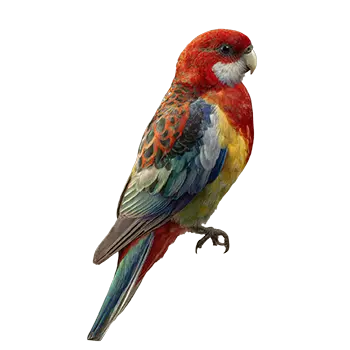
Proper nutrition is fundamental to maintaining the health, vitality, and longevity of Eastern Rosellas. Understanding their natural dietary habits and translating those into appropriate captive nutrition ensures these birds thrive in human care. In the wild, Eastern Rosellas are primarily granivorous, meaning their diet consists largely of seeds, particularly grass seeds and eucalyptus seeds collected from the ground. They supplement this seed-based diet with fruits, berries, native blossoms, nectar, leaf buds, and occasional insects and insect larvae, which provide essential protein and nutrients.
Translating this natural diet into captive care requires careful balance to prevent nutritional deficiencies and obesity-related health issues. The foundation of a captive Eastern Rosella's diet should consist of high-quality pellets specifically formulated for small to medium parrots or Australian parrots. These pellets should comprise approximately 60-70% of the daily food intake, providing balanced nutrition with essential vitamins, minerals, and amino acids. Choose pellets without artificial colors, flavors, or excessive sugar content, and select brands recommended by avian veterinarians.
The seeds versus pellets debate has been ongoing in avian nutrition, with most experts now recommending pellets as the primary diet component. However, Eastern Rosellas, being natural seed-eaters, benefit from a measured amount of seeds in their diet. Offer a high-quality seed mix designed for small parrots, comprising about 20-25% of the diet. Appropriate seeds include millet, canary seed, small amounts of sunflower and safflower seeds, and various grass seeds. Avoid seed mixes with excessive sunflower seeds, peanuts, or artificial coloring. Seeds should be viewed as part of a balanced diet rather than the sole food source, as all-seed diets lead to nutritional deficiencies and fatty liver disease.
Fresh foods form the remaining 10-15% of the diet and provide essential vitamins, minerals, and dietary variety. Vegetables should be offered daily and can include dark leafy greens like kale, collard greens, and dandelion greens, orange vegetables like carrots, sweet potato, and butternut squash, cruciferous vegetables like broccoli and cauliflower, peppers of various colors, green beans, and peas. Chop vegetables into appropriate sizes or offer them whole for foraging enrichment. Some Eastern Rosellas can be finicky with vegetables initially, so patience and persistence are necessary when introducing new items.
Fruits can be offered several times weekly but should be limited due to high sugar content. Appropriate fruits include apples (seeds removed), berries like strawberries and blueberries, pomegranate, grapes (cut in half), melons, papaya, and mango. Native Australian fruits like native figs or bottlebrush flowers can be particularly appealing if available. Always wash produce thoroughly to remove pesticides, and remove any uneaten fresh foods within a few hours to prevent spoilage and bacterial growth.
Foods to avoid are critical knowledge for any Eastern Rosella owner, as several common human foods are toxic to birds. Never feed avocado in any form, as it is highly toxic to parrots. Chocolate, caffeine, and alcohol are extremely dangerous. Onions, garlic, and members of the allium family cause digestive issues. High-salt, high-sugar, and high-fat foods like chips, candy, and processed snacks should be avoided. Raw or dried beans contain toxins unless thoroughly cooked. Apple seeds, cherry pits, and fruit pits contain cyanide compounds. Also avoid moldy or spoiled foods, which can cause aspergillosis.
Treats and supplements should be used judiciously to maintain nutritional balance. Appropriate treats include millet spray, small amounts of nuts like almonds or walnuts, sprouted seeds, and favorite vegetables or fruits. Use treats for training reinforcement and bonding but limit quantities to prevent displacing nutritious foods. Most Eastern Rosellas on a balanced pellet and fresh food diet do not require vitamin supplementation. However, birds on predominantly seed-based diets may benefit from vitamin and mineral supplements added to water or sprinkled on food as directed by an avian veterinarian.
Calcium and mineral needs are particularly important, especially for breeding females at risk of egg binding. Provide a cuttlebone or mineral block in the cage for birds to self-regulate calcium intake. Calcium-rich foods like dark leafy greens contribute to adequate calcium levels. Avoid excessive spinach, which contains oxalates that bind calcium and prevent absorption. Proper vitamin D levels, obtained through full-spectrum lighting or controlled sunlight exposure, are necessary for calcium metabolism.
Vitamin supplementation beyond a balanced diet is typically unnecessary and can be harmful if overdone, as fat-soluble vitamins accumulate in the body. If supplementation is deemed necessary by a veterinarian, use products specifically designed for birds and follow dosing instructions carefully. Signs of nutritional deficiencies include poor feather quality, lethargy, decreased immune function, beak and nail abnormalities, and reproductive issues in breeding birds.
Water requirements are straightforward but critical. Provide fresh, clean water daily in sturdy dishes that cannot be easily tipped. Change water at least once daily, more often if soiled. Some owners prefer filtered or bottled water to avoid chlorine and contaminants in tap water, though most municipal water supplies are safe. Never add vitamins to water for extended periods, as this creates bacterial growth, and most birds dislike the taste, leading to decreased water consumption. Ensure water dishes are cleaned thoroughly to prevent biofilm and bacterial accumulation.
Foraging opportunities can be incorporated into feeding routines to provide mental stimulation and satisfy natural behaviors. Hide food items in puzzle feeders, wrap treats in paper for the bird to unwrap, scatter food at the cage bottom for ground foraging, or stuff treats into bird-safe materials for the bird to extract. Foraging activities prevent boredom, encourage natural behaviors, and slow down eating, which can benefit birds prone to obesity. Rotate foraging techniques to maintain interest and provide varied challenges that engage the bird's problem-solving abilities.