Citron-Crested Cockatoo

Citron-Crested Cockatoo
📸 Photo Gallery Coming Soon

Furry Critter Network Etsy Shop

Quick Facts

🔬 Scientific Name
Cacatua sulphurea citrinocristata
🦜 Bird Type
Parrot
📊 Care Level
Expert
😊 Temperament
Affectionate, Needy, Sensitive
📏 Adult Size
13-14 inches
⏱️ Lifespan
40-60 years
🔊 Noise Level
Very Loud
🗣️ Talking Ability
Limited
🍽️ Diet Type
Pellet-based
🌍 Origin
Indonesia (Sumba Island)
🏠 Min Cage Size
36x24x48 inches
📐 Size
Medium

Citron-Crested Cockatoo - Names & Recognition

The Citron-Crested Cockatoo, scientifically classified as Cacatua sulphurea citrinocristata, derives its common name from the distinctive bright orange-yellow (citron-colored) crest that distinguishes it from other subspecies of the Yellow-Crested Cockatoo complex. This subspecies is also known by several alternate names including Sumba Cockatoo, referencing its endemic origin on Sumba Island in Indonesia, and Orange-Crested Cockatoo, emphasizing the vibrant crest coloration. In Indonesia, it may be called "Kakatua-kecil Jambul-kuning" though local names vary by region and language.

Taxonomically, the Citron-Crested Cockatoo is classified as a subspecies of the Lesser Sulphur-Crested Cockatoo (Cacatua sulphurea), belonging to the family Cacatuidae within the order Psittaciformes. The species Cacatua sulphurea comprises several recognized subspecies distributed across different Indonesian islands, with citrinocristata being one of the most distinctive due to its deeper orange crest coloration. Other subspecies include the nominate sulphurea, parvula, abbotti, and djampeana, each showing subtle differences in size, crest color, and morphology corresponding to their island origins.

The scientific name citrinocristata derives from Latin, with "citrino" referring to citron or lemon-yellow color and "cristata" meaning crested, directly describing the bird's most distinctive physical feature. The subspecies was formally described in 1862, though indigenous peoples of Sumba Island had known these cockatoos for countless generations. The taxonomic classification has remained relatively stable, though some authorities have debated whether certain island populations warrant subspecies or full species status based on morphological and genetic differences.

Historically, the entire Yellow-Crested Cockatoo complex was considered a single species, but modern taxonomy recognizes the significant differences between island populations. Some taxonomic authorities have proposed elevating certain subspecies including citrinocristata to full species status based on distinctive characteristics and geographic isolation, though this remains debated. The Citron-Crested Cockatoo's restricted range, distinctive coloration, and unique behavioral characteristics support recognition as a distinct taxon regardless of whether classified as subspecies or species level.

The common name "Citron-Crested" is widely used in aviculture to distinguish this subspecies from other Yellow-Crested varieties, particularly those with paler yellow crests. In the pet trade and among cockatoo enthusiasts, the distinction is important as different subspecies show subtle behavioral differences and the Citron-Crested variety is particularly prized for its vibrant crest coloration and slightly smaller size compared to some other sulphurea subspecies. However, all Yellow-Crested Cockatoo subspecies share fundamentally similar care requirements, temperaments, and the extreme neediness characteristic of this cockatoo group.

Citron-Crested Cockatoo Physical Description

The Citron-Crested Cockatoo is a medium-sized cockatoo measuring approximately 13 to 14 inches in length from beak to tail tip, making it one of the smaller cockatoo species though still substantially larger than many companion parrots. Adults typically weigh between 300 to 425 grams (approximately 10.5 to 15 ounces), with individual variation and males occasionally averaging slightly heavier than females, though this difference is subtle and unreliable for visual sexing. The body structure is compact and stocky with relatively short, rounded tail, powerful curved beak, and the prominent erectile crest characteristic of all cockatoos.

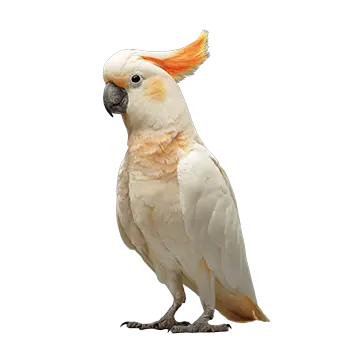
The most striking and diagnostic feature of the Citron-Crested Cockatoo is its brilliant orange crest. When raised, the crest displays vibrant orange-yellow coloration significantly deeper and richer than other Yellow-Crested subspecies, ranging from bright orange to deep golden-orange. The crest feathers are long, narrow, and recurved, creating a dramatic fan shape when fully erected during displays of excitement, alarm, or courtship. When relaxed and laid back, the crest appears as a subtle raised ridge along the head. Individual variation exists in crest color intensity, with some birds showing exceptionally vibrant deep orange while others display slightly paler golden-orange, but all are noticeably more orange than yellow compared to other subspecies.

The body plumage is predominantly pure white, creating a stunning contrast with the orange crest. In healthy, well-maintained birds, the white feathers appear brilliant and clean, almost luminescent. The feathers have a distinctive soft, silky texture characteristic of cockatoos, produced by abundant powder down that continuously generates fine white dust coating everything in the environment. This powder down serves to waterproof and condition feathers but creates substantial dust requiring frequent cleaning and making cockatoos problematic for people with allergies or respiratory sensitivities.

Subtle yellow or orange washing may appear on the undersides of the wings and tail, particularly visible during flight or when wings are spread. The ear coverts (feathers covering the ear openings) often show pale yellow tingeing. These subtle color variations are most visible in good lighting and add depth to the otherwise white plumage. The overall effect is an elegant, pristine white bird crowned with a spectacular orange crest creating one of the most beautiful appearances in the cockatoo family.

The bare facial skin is distinctive, with naked pale blue-gray to white skin surrounding the eyes in a characteristic eye ring pattern typical of cockatoos. This bare skin can flush pink or red when birds are excited, displaying emotion, or during hormonal periods, providing visual indicators of mood and arousal level. The amount and intensity of facial flushing varies between individuals and situations, with some birds showing dramatic color changes while others display subtle shifts.

The beak is large, powerful, and characteristic of cockatoos - broad at the base, strongly curved, and colored pale gray to black. The upper mandible is notably larger and more curved than the lower, meeting in a sharp point. Cockatoo beaks are extraordinarily powerful, capable of exerting tremendous crushing force sufficient to crack extremely hard nuts, break wooden toys instantly, and inflict serious injuries through bites. The beak continues growing throughout life, requiring appropriate materials for natural wear through chewing and manipulation activities.

The eyes are dark brown to black with relatively small dark pupils, giving cockatoos their characteristic intense, penetrating gaze. Unlike many parrots, cockatoos show less dramatic eye color variation with age, maintaining dark eyes throughout life. However, pupil dilation (eye pinning) is readily visible and serves as an important indicator of excitement, arousal, or agitation. Rapid eye pinning often precedes bites or screaming, making it a critical warning signal for handlers to recognize and respect.

The legs and feet are gray, powerful and zygodactyl (two toes forward, two back) like all parrots. Cockatoo feet are notably strong and dexterous, frequently used as hands to hold food, manipulate objects, and grasp during climbing. The nails are dark gray to black, continuously growing and requiring periodic trimming in captive birds. Citron-Crested Cockatoos are excellent climbers, using both beak and feet to navigate with agility.

Sexual dimorphism is minimal in Citron-Crested Cockatoos, with males and females appearing virtually identical in size, coloration, and structure. Visual sexing is unreliable even for experienced aviculturists and breeders. The only subtle difference sometimes noted is eye color, with females occasionally showing slightly reddish-brown irises while males maintain darker brown to black, but this difference is inconsistent and unreliable. DNA testing through blood sample or feather analysis provides the only definitive method for gender determination in this subspecies.

Juvenile Citron-Crested Cockatoos closely resemble adults in overall appearance but may display slightly duller crest coloration that intensifies over the first few years. Young birds can sometimes be identified by lighter-colored beaks that darken with age, and they may show slightly less developed crests that achieve full adult length and density through successive molts. Juveniles often display more grayish tones in the beak compared to adults. Behavioral differences are more reliable indicators of age, with young birds showing less developed vocalizations and more exploratory, playful behavior compared to the more set behavioral patterns of adults.

Citron-Crested Cockatoos do not exhibit established color mutations in the captive breeding population, maintaining their natural white plumage with the characteristic orange crest. All birds display the species-typical coloration, though individual variation exists in the exact intensity and shade of the orange crest ranging from bright golden-orange to deeper reddish-orange. The lack of color mutations helps maintain species recognition and ensures all birds display the stunning natural appearance that makes this subspecies particularly desirable among cockatoo enthusiasts. The pristine white plumage contrasted with the brilliant orange crest creates one of the most visually striking appearances in the parrot world.

Affection Level
Citron-Crested Cockatoos display affection levels unmatched by any other parrot species, forming bonds of almost pathological intensity with their chosen people. They crave constant physical contact, cuddling for hours, and demand to be with their person every possible moment. This extreme attachment creates profoundly close relationships but also leads to severe separation anxiety, screaming, and self-destructive behaviors when needs aren't met, making them extraordinarily challenging companions.
Sociability
Despite being highly social within their bonded relationship, Citron-Crested Cockatoos often show poor sociability with others outside their chosen person. They typically bond intensely with one individual while rejecting, ignoring, or aggressively attacking everyone else including family members. This extreme selectivity creates serious household challenges. They are not flock birds in captivity but rather obsessive one-person companions requiring their favorite human's undivided attention constantly.
Vocalization
Citron-Crested Cockatoos possess ear-splitting voices producing sustained screaming exceeding 120 decibels, ranking among the absolute loudest parrots in existence. They engage in extended screaming sessions lasting hours when seeking attention, bored, or experiencing separation anxiety. Their piercing cockatoo screams are physically painful at close range and can be heard for miles. This extreme vocalization makes them completely inappropriate for virtually all residential situations.
Intelligence
Intelligent birds demonstrating good problem-solving abilities, understanding of routines, and capacity for learning behaviors. However, their intelligence is often overshadowed by extreme emotional neediness and sensitivity. Citron-Crested Cockatoos use their intelligence primarily to manipulate owners for attention, learn which behaviors elicit responses, and find ways to remain constantly near their bonded person. Without adequate enrichment, their intelligence contributes to neurotic, obsessive behaviors.
Exercise Needs
Active birds requiring several hours of daily out-of-cage time for flight, climbing, and physical play. Citron-Crested Cockatoos need substantial exercise to maintain health and reduce anxiety-driven behaviors. However, they often prefer remaining on their person rather than independent exercise, making it challenging to ensure adequate physical activity. Their exercise needs must be balanced with their extreme attachment behaviors through structured play sessions and environmental enrichment.
Maintenance Level
Citron-Crested Cockatoos demand the highest maintenance level of any companion parrot, requiring 4-6+ hours of direct hands-on interaction daily, constant emotional management of their neediness and anxiety, extensive cleaning due to abundant powder down creating pervasive dust, daily fresh food preparation, continuous toy replacement, and management of chronic behavioral problems. The time, emotional energy, and patience required exceeds virtually all other pets, making them appropriate only for people with unlimited availability and commitment.
Trainability
Moderately trainable when properly motivated, though their extreme neediness and emotional sensitivity can interfere with training. Citron-Crested Cockatoos can learn tricks and commands but may refuse participation if not receiving sufficient attention or if training is perceived as reducing cuddle time. Their sensitive nature means they respond poorly to any perceived corrections or lack of enthusiasm. Training success requires patient, positive approaches accommodating their intense emotional needs.
Independence
Citron-Crested Cockatoos have virtually zero independence, representing the least independent companion parrot species. They cannot tolerate being alone for even short periods, becoming severely distressed when their bonded person is out of sight. They demand constant physical contact, screaming persistently when not receiving adequate attention. This extreme dependency makes them completely inappropriate for anyone who works, has other commitments, or cannot provide literally constant companionship throughout every day.

Natural Habitat & Range

Citron-Crested Cockatoos are endemic to Sumba Island in Indonesia's Lesser Sunda Islands, making them one of the most geographically restricted cockatoo subspecies in existence. Sumba is a relatively small island measuring approximately 4,300 square miles located in the Indonesian archipelago between Java and Timor. The entire global population of wild Citron-Crested Cockatoos is confined to this single island, making them extremely vulnerable to extinction through habitat loss, natural disasters, or other localized threats. This restricted distribution is shared by the nominate subspecies which occurs on nearby islands, but citrinocristata is found nowhere else in the world except Sumba.

Within Sumba, Citron-Crested Cockatoos historically occupied various habitats including tropical dry deciduous forests, forest edges, secondary growth forests, agricultural areas with scattered trees, coconut plantations, and coastal woodlands. They show adaptability to human-modified landscapes and can persist in areas with substantial agricultural development provided sufficient trees remain for feeding and nesting. However, they require mature trees with suitable cavities for nesting, limiting their ability to colonize completely deforested areas. The species typically inhabits lowland areas from sea level to approximately 2,400 feet elevation, occasionally ranging into foothill regions where suitable habitat exists.

The climate on Sumba is tropical with distinct wet and dry seasons typical of the Lesser Sunda Islands. Temperatures are warm to hot year-round, typically ranging from 75-90°F, with relatively little seasonal temperature variation. The wet season generally extends from December to March, with the dry season from April to November. Annual rainfall averages 40-60 inches depending on location and elevation, supporting the mix of forest and savanna habitats the species occupies. The dry season is particularly pronounced on Sumba compared to wetter Indonesian islands, influencing vegetation patterns and cockatoo behavior including breeding timing.

In their natural habitat, Citron-Crested Cockatoos are social birds typically encountered in pairs, small family groups of 3-5 birds, or flocks of 10-30 individuals at abundant food sources or communal roosting sites. They are less gregarious than some large white cockatoo species, with flocks generally remaining moderate in size. Bonded pairs maintain close contact throughout the year, frequently observed flying together in synchronized flight patterns and engaging in mutual preening and affectionate behaviors. Pairs remain together year-round rather than only during breeding season, displaying the strong pair bonds characteristic of cockatoos.

The daily activity pattern begins at dawn when birds leave roosting sites amid loud, raucous vocalizations characteristic of cockatoos. Citron-Crested Cockatoos are relatively strong fliers capable of direct flight between feeding areas and roosting sites, though they are not as powerful or long-distance fliers as large macaws. Morning hours are spent foraging in tree canopies for seeds, nuts, fruits, flowers, and buds. Their diet in the wild includes seeds from various native trees, palm fruits and nuts, grain crops when available, corn, flowers, nectar, and occasionally insects. They can cause significant damage to agricultural crops, leading to conflict with farmers in some areas.

Wild Citron-Crested Cockatoos feed primarily in tree canopies, using their powerful beaks to crack hard nuts and extract seeds from tough fruits and pods. They are often observed hanging upside down or adopting acrobatic positions to reach food items. Foraging flocks can be noisy and conspicuous, with birds maintaining contact through frequent vocalizations while feeding. During midday heat, birds rest quietly in shaded trees, engaging in preening, social interactions, and quiet vocalizations. Feeding activity resumes in late afternoon before birds return to traditional roosting sites at dusk with considerable vocalization.

Breeding typically occurs during the dry season from April to September when food availability is predictable and cavity conditions are optimal, avoiding the wettest months when nests might flood. Citron-Crested Cockatoos nest exclusively in natural tree cavities, showing strong preferences for cavities in large, old trees. Competition for suitable nest sites can be intense, as appropriate cavities are limited resources. Pairs may defend traditional nest sites year after year if successful breeding occurs. Both adults participate in nest site selection, preparation, and defense.

The female typically lays 2-3 eggs which both parents incubate for approximately 28-30 days. Both parents share incubation duties and feed chicks after hatching. Young fledge at approximately 75-85 days of age but remain dependent on parents for several additional weeks, learning foraging skills and appropriate social behaviors. Family groups may remain together for extended periods before young birds become fully independent and eventually disperse to find mates.

The conservation status of Citron-Crested Cockatoos is dire, with the subspecies listed as Critically Endangered by the IUCN Red List, facing imminent risk of extinction in the wild. Population estimates are extremely concerning, with current wild population estimated at only 2,500-7,000 individuals and declining rapidly. The species faces multiple severe, ongoing threats that have caused catastrophic population decline over recent decades. Primary threats include extensive habitat loss from deforestation for agriculture, logging, and human settlement destroying nesting and feeding habitat across Sumba, devastating illegal trapping for the international pet trade with thousands of birds captured annually despite legal protections, nest poaching where chicks are stolen for sale, and persecution by farmers due to crop damage causing retaliatory killing.

The restricted range makes the subspecies particularly vulnerable, as threats affecting Sumba impact the entire global population. Historical pet trade was particularly devastating, with massive numbers exported before Indonesia implemented export bans. Despite current legal protections under Indonesian law and CITES Appendix I (prohibiting international commercial trade), illegal trapping continues driven by high black market prices for cockatoos. Conservation efforts including protected areas on Sumba, community education programs, nest protection initiatives, captive breeding programs to reduce wild capture pressure, and enforcement of anti-poaching laws are underway but face substantial challenges including limited resources, poverty driving local involvement in illegal trade, and continued habitat destruction. The captive population is better established than some critically endangered species, providing potential insurance against extinction and potential source for future reintroduction efforts if wild habitats can be protected and restored. However, the wild population continues declining, making the Citron-Crested Cockatoo one of the world's most endangered cockatoo subspecies requiring urgent conservation action to prevent extinction.

Temperament

Citron-Crested Cockatoos possess temperaments that can only be described as extraordinarily intense, emotionally needy beyond any other companion parrot species, and so demanding that they are genuinely appropriate only for an extremely small subset of potential owners with unlimited time, infinite patience, and complete understanding of what cockatoo ownership truly entails. These birds represent the absolute extreme of companion parrot neediness, forming bonds of almost pathological intensity that create both profoundly close relationships and simultaneously catastrophic behavioral problems when their extreme needs cannot be met. Understanding Citron-Crested Cockatoo temperament is absolutely essential before considering these birds, as the vast majority of owners are completely unprepared for the reality of cockatoo ownership despite warnings from experienced keepers and avian professionals.

The defining characteristic of Citron-Crested Cockatoo temperament is their extraordinary, almost obsessive neediness and desire for constant physical contact with their bonded person. These birds form attachments of an intensity unmatched by any other parrot species, wanting to be physically on or touching their favorite person every possible moment of every day. They are often called "velcro birds" because they want to be literally stuck to their owner constantly - sitting on shoulders, cuddling inside clothing, pressed against their person's body, and following their owner everywhere including bathrooms. This extreme attachment creates deeply intimate relationships for people who can provide constant companionship, but it also creates severe separation anxiety, relentless screaming, and self-destructive behaviors when the bird's needs for contact are not met.

Citron-Crested Cockatoos cannot tolerate being alone or away from their bonded person for even brief periods. Leaving the room triggers immediate distressed screaming that continues until the person returns. Going to work, running errands, or engaging in activities that exclude the bird causes severe psychological distress manifesting as hours of non-stop screaming, aggressive behaviors, and often self-mutilation through feather plucking. This extreme dependency makes Citron-Crested Cockatoos completely inappropriate for anyone who works outside the home, has school or job commitments, maintains active social lives, or has any regular activities that prevent them from being home providing constant interaction. They require owners who are home literally all day, every day, with unlimited time to hold, cuddle, and interact with the bird continuously.

The intensity of the bonding typically focuses on a single chosen person, with Citron-Crested Cockatoos becoming one-person birds who reject, ignore, or actively attack everyone else including spouses, children, and other family members. This extreme favoritism creates serious household problems, relationship conflicts, and dangerous situations when the bird aggressively defends their claim on their favorite person against perceived competitors. Once a Citron-Crested Cockatoo bonds to someone, changing this preference is virtually impossible, and the chosen person essentially commits to being this bird's sole companion for the next 40-60 years with no breaks, vacations, or respite from the bird's relentless demands.

Vocalization represents one of the most challenging and often deal-breaking aspects of Citron-Crested Cockatoo ownership. These birds possess ear-splitting voices producing sustained screaming exceeding 120 decibels, among the loudest sounds produced by any creature on Earth. Their piercing cockatoo screams are physically painful at close range, can cause permanent hearing damage with prolonged exposure, and can be clearly heard for literally miles outdoors. Natural contact calling occurs at dawn and dusk, with birds screaming for 15-45 minutes during these periods, but Citron-Crested Cockatoos frequently scream for hours throughout the day when seeking attention, experiencing separation anxiety, feeling bored, or simply because they enjoy screaming.

The screaming is not occasional or manageable - it is constant, relentless, and will drive most people and all neighbors to the brink of insanity. Citron-Crested Cockatoos scream when their person leaves the room, when they want attention, when they hear noises, when they're excited, when they're upset, and often for no apparent reason at all. The screaming cannot be eliminated through training, management, or meeting the bird's needs, though frequency and duration may be somewhat reduced. Prospective owners must accept that their life will include hours of daily ear-splitting screaming that will strain relationships, cause neighbor complaints, and potentially result in eviction or legal problems. They are completely inappropriate for apartments, townhomes, condominiums, or any residential situation with nearby neighbors, and even in isolated single-family homes on large properties, the screaming creates serious quality of life issues.

Talking ability in Citron-Crested Cockatoos is limited compared to species renowned for speech. Most individuals learn only 5-15 words and phrases at best, with many showing minimal interest in talking. Their natural vocalizations are primarily screams, squawks, and harsh calls rather than melodious sounds. While some birds learn to mimic words with reasonable clarity, talking ability is generally poor and should absolutely not be a consideration when choosing this species. Their limited talking does nothing to compensate for the extreme screaming and emotional demands.

Feather plucking and self-mutilation are epidemic in captive Citron-Crested Cockatoos, with estimates suggesting 75% or more develop these devastating problems at some point in their lives. The combination of extreme neediness, separation anxiety, boredom, and inappropriate captive conditions leads these sensitive birds to pluck out their feathers, mutilate their skin, and engage in other self-destructive behaviors. Once established, feather plucking is extremely difficult to resolve and often persists for life despite extensive intervention efforts. Many Citron-Crested Cockatoos in captivity are partially or completely bald from chronic plucking, a visible testament to the species' unsuitability for most captive situations.

Hormonal behavior profoundly affects Citron-Crested Cockatoo temperament, particularly during breeding season (typically spring but often year-round in captivity). Hormonal birds become increasingly aggressive, territorial, and unpredictable. They may attack formerly accepted family members, become extremely protective of their bonded person or cage territory, engage in excessive regurgitation behavior, and display increased screaming and demanding behaviors. Females may become broody, seeking dark enclosed spaces and becoming aggressive when disturbed. Males may become sexually frustrated and aggressive. Managing hormonal cockatoos requires extreme patience, consistent routines, environmental modifications, and often professional behavioral intervention, yet problems typically persist or recur despite best efforts.

Despite their extreme challenges, Citron-Crested Cockatoos do possess genuinely positive qualities for the tiny minority of people who can appropriately meet their needs. They are extraordinarily affectionate, cuddly, and devoted to their bonded person in ways that create profound emotional connections. They display genuine joy when with their favorite person, obvious contentment during cuddling sessions, and show their love through gentle preening, soft vocalizations, and complete trust. For people who are home constantly, can tolerate extreme noise levels without frustration, can handle the bird's neediness without feeling overwhelmed, and can commit to decades of intensive care, Citron-Crested Cockatoos provide unmatched companionship and devotion.

Playfulness exists in Citron-Crested Cockatoos, though it is often secondary to their desire for physical contact. They enjoy playing with toys, particularly destructible items they can shred, and show interest in foraging activities. They can be entertaining with their acrobatic abilities, hanging upside down and adopting comical positions. However, their play is often interrupted by demands for attention, and they prefer interactive play with their person over independent toy play.

Intelligence is evident but often overshadowed by emotional issues. Citron-Crested Cockatoos can learn tricks and commands, solve puzzle toys, and understand routines and patterns. However, their intelligence manifests primarily in learning how to manipulate their owners for attention, which behaviors produce responses, and how to maintain constant contact with their bonded person. Their emotional sensitivity means they perceive and react to subtle changes in their owner's mood, schedule, or attention levels, often becoming distressed by changes they detect.

Citron-Crested Cockatoos require owners with extraordinarily specific qualifications including being home literally all day every day with unlimited time for interaction, ability to tolerate extreme noise levels including hours of daily screaming without becoming angry or frustrated, infinite patience and emotional stability to handle relentless neediness without resentment, substantial financial resources for purchase, housing, veterinary care, and behavioral intervention, appropriate housing situation isolated from neighbors, no children or other household members who might trigger jealousy or compete for attention, extensive prior experience with demanding parrots and realistic understanding of cockatoo challenges, and commitment to 40-60 years of intensive daily care without breaks. They are completely inappropriate for first-time bird owners, anyone with jobs or commitments outside the home, families with children, people living in attached housing, anyone without substantial cockatoo experience, or people seeking independent or low-maintenance companions. The reality is that the vast majority of Citron-Crested Cockatoos end up rehomed multiple times, spending their lives moving between homes as successive owners cannot cope with their extreme demands, creating trauma and worsening behavioral problems with each rehoming. Prospective owners must approach this species with extraordinary caution and complete honesty about whether they can truly meet these birds' extreme, lifelong needs.

Care Requirements

Citron-Crested Cockatoos require spacious, extremely durable housing appropriate for their medium size, high activity level, powerful destructive beaks, and the reality that they will spend relatively little time actually in their cages given their extreme need to be constantly with their person. The absolute minimum cage dimensions are 36 inches wide by 24 inches deep by 48 inches tall, though larger cages are strongly preferred and provide better quality of life during the limited times these birds consent to being caged. Ideally, cages should measure at least 48 inches wide by 30 inches deep by 60 inches tall or larger, providing sufficient space for wing extension, climbing, and accommodating the substantial toy collection these intelligent birds require. Bar spacing should measure 5/8 to 3/4 inch to prevent head entrapment while being narrow enough to prevent escape, and bars must be extremely thick and durable to withstand the tremendous beak strength of cockatoos who systematically test and damage inadequate caging.

Cage material selection is critical for safety and longevity. Stainless steel cages represent the only truly appropriate choice for cockatoos, being virtually indestructible even to their powerful beaks, completely free from toxic coatings, resistant to rust and corrosion even with decades of use, and easy to thoroughly clean and sanitize. Powder-coated cages are generally inappropriate for cockatoos, as these birds will systematically chip away coating potentially ingesting toxic materials. Never use zinc-coated or galvanized cages, as zinc toxicity can cause serious illness or death in parrots. The cage must feature extremely secure, robust locks that intelligent cockatoos cannot manipulate - heavy-duty barrel locks, padlocks, or combination locks work well, as cockatoos are notorious escape artists who quickly learn to open simple latches, clips, and inadequately secured doors.

Cage location significantly influences wellbeing though realistically Citron-Crested Cockatoos will demand to be out of their cages on their person most of the time. Position the cage in the primary living area where the bird's favorite person spends most time, as these birds become severely distressed when unable to see and be near their bonded human. However, avoid direct window placement where temperature fluctuations, drafts, and predator views cause stress. Position one side against a wall providing security. The harsh reality is that appropriate cage location matters less than acknowledging these birds will scream relentlessly until removed from cages to be with their person, making cages more sleeping quarters than daytime housing.

Kitchen placement is absolutely forbidden due to deadly toxic fume risks from heated non-stick cookware (Teflon/PTFE releases invisible fumes instantly fatal to birds above 350°F), self-cleaning ovens, and other cooking hazards that kill birds within minutes of exposure.

Perch variety is important for foot health during the limited time spent on perches. Provide perches of varying diameters ranging from approximately 3/4 inch to 1.5 inches. Natural wood branches from safe tree species including manzanita, java wood, and fruit tree branches make excellent perches satisfying the intense chewing instinct. Rope perches add variety though require monitoring for fraying. Provide minimum 4-5 perches at different heights, though recognize these birds prefer perching on their person's shoulder or hand to any cage perch.

Toys are essential for the brief periods when Citron-Crested Cockatoos can be convinced to entertain themselves independently. These intelligent birds require extensive, constantly varied environmental enrichment. Provide substantial variety including large wooden blocks and branches for intensive destruction (cockatoos will demolish wooden toys within hours), rope toys for climbing and shredding, foraging toys hiding treats, puzzle toys, bells and noise-making toys they can manipulate, swings, and leather items for shredding. Rotate toys every few days maintaining novelty. Budget substantial funds for continuous toy replacement as destruction is rapid and relentless. However, realistic expectations are essential - these birds prefer their person's attention over any toy and will scream until they receive it.

Out-of-cage time is not optional but rather represents the majority of waking hours for properly cared-for Citron-Crested Cockatoos. Expect these birds to be physically on your person 4-6+ hours daily minimum, preferably more. Provide large, sturdy play stands or tree stands where birds can occasionally spend supervised time near their person when not directly on them. However, most time will be spent with the bird on shoulders, arms, or cuddled against their owner's body. The reality of Citron-Crested Cockatoo ownership is having a bird physically attached to you constantly, which must be completely acceptable before acquiring these species.

Bird-proofing is critical for safety during the extensive out-of-cage time. Remove or secure ceiling fans, ensure windows and doors are closed or screened, remove toxic plants, secure electrical cords, remove small objects, prevent toilet access, cover mirrors and windows, eliminate kitchen access, and address household-specific hazards. Never allow unsupervised out-of-cage time, though supervision is inherent given these birds refuse to be anywhere except directly on their person.

Environmental conditions affect comfort and health. These Indonesian birds tolerate temperatures between 65-85°F comfortably, preferring warmth. Avoid sudden temperature changes and drafts. Maintain humidity 40-60% though cockatoo powder down creates perpetual dust regardless of humidity levels. Full-spectrum avian lighting for 10-12 hours daily regulates circadian rhythms, supports mood, and enables vitamin D synthesis. Natural sunlight through screened openings provides ideal lighting when safe.

Cage cleaning requires extensive daily and weekly maintenance, complicated by cockatoo powder down creating pervasive dust coating everything. Daily tasks include removing cage tray liners, removing uneaten fresh foods, washing food and water bowls thoroughly, spot-cleaning heavily soiled areas, and vacuuming dust around the cage. Weekly, perform thorough cage cleaning including scrubbing all bars and surfaces to remove dust accumulation, cleaning all perches, washing or replacing soiled toys, and thorough tray washing. Air filtration through HEPA filters is strongly recommended to manage airborne powder down dust that coats furniture, floors, walls, and lungs, causing respiratory problems in sensitive individuals. Monthly deep cleaning and structural inspection are essential. The dust production is constant and substantial, requiring owners to accept that white powder down dust will coat their home, clothing, and everything they own.

Bathing opportunities should be provided multiple times weekly, as Citron-Crested Cockatoos generally enjoy water and benefit from regular bathing for feather maintenance and dust reduction. Some birds enthusiastically enjoy shower perches in human showers (lukewarm water only, no soaps), while others prefer spray baths from clean spray bottles or gentle misting. Many cockatoos enjoy bathing in sinks or large dishes. Regular bathing helps reduce powder down dust production somewhat while maintaining feather condition and skin health. However, bathing does not eliminate dust production, which continues regardless of bathing frequency.

Feeding & Nutrition

Proper nutrition forms the foundation of Citron-Crested Cockatoo health, feather quality, immune function, and plays a significant role in behavior and emotional stability throughout their 40-60 year lifespans. In their natural Indonesian habitat, these cockatoos consume varied diets of seeds, nuts, fruits, flowers, nectar, buds, and occasionally insects. Replicating appropriate dietary diversity in captivity requires substantial commitment to daily fresh food preparation and understanding of cockatoo-specific nutritional requirements, which differ somewhat from other parrot groups.

High-quality, scientifically formulated pellets designed specifically for cockatoos should comprise approximately 60-70% of the Citron-Crested Cockatoo's daily diet, providing balanced nutrition with appropriate protein levels (typically 12-14% for non-breeding adults), healthy fats, essential vitamins including critical vitamin A often deficient in cockatoos, and minerals preventing selective eating and nutritional deficiencies common in seed-fed birds. Choose pellets from reputable manufacturers including Harrison's Bird Foods (their cockatoo-specific formulas work excellently), TOPS Parrot Food, Roudybush, or similar research-based brands, selecting pellet sizes appropriate for medium cockatoos. Avoid artificially colored pellets and those containing excessive sugar.

Citron-Crested Cockatoos raised on seed-based diets often stubbornly resist pellets, requiring patient gradual conversion over weeks to months. Begin by mixing very small pellet amounts with familiar foods, extremely gradually increasing proportions while decreasing seeds. Offer pellets when birds are hungriest, typically early morning. Some owners moisten pellets slightly or warm them enhancing palatability during conversion. Persistence and consistency prove essential, as cockatoos can be particularly stubborn about dietary changes, sometimes resisting for months before accepting pellets.

Fresh vegetables should constitute approximately 20-25% of daily intake, providing essential vitamins, minerals, antioxidants, and beneficial phytonutrients. Strongly prioritize dark leafy greens rich in vitamin A and calcium including kale, collard greens, mustard greens, dandelion greens, and Swiss chard, as vitamin A deficiency is particularly common and problematic in cockatoos. Orange vegetables including carrots, sweet potatoes, butternut squash, and pumpkin provide beta-carotene converted to vitamin A. Offer cruciferous vegetables including broccoli, cauliflower, and Brussels sprouts for immune support and cancer-fighting compounds. Bell peppers of all colors, green beans, snap peas, sprouted legumes, corn, and fresh herbs provide additional variety. Chop vegetables into appropriate pieces or offer chunks for manipulation. Some birds prefer vegetables lightly steamed while others consume only raw produce. Rotate vegetables daily providing varied nutrition and preventing boredom.

Fruits should comprise approximately 10-15% of diet due to natural sugar content. Appropriate fruits include berries (blueberries, strawberries, blackberries), pomegranate, papaya, mango, cantaloupe, honeydew, apples, pears, oranges, grapes (halved), kiwi, and banana (limited). Remove toxic apple seeds and stone fruit pits containing cyanide compounds. Wash all produce thoroughly removing pesticide residues or choose organic options when possible.

Healthy whole grains and properly cooked legumes supplement the diet beneficially. Offer cooked quinoa, brown rice, oats, barley, whole wheat pasta, and millet. Properly cooked beans including black beans, kidney beans, and chickpeas provide protein and fiber (never offer raw beans containing toxic lectins requiring cooking to neutralize). Many Citron-Crested Cockatoos enjoy warm grain and vegetable mixtures prepared in batches and frozen in portions for convenience.

Nuts serve as excellent treats and training rewards but must be strictly limited due to extremely high fat content. Appropriate nuts include almonds, walnuts, pecans, pine nuts, and hazelnuts. Offer maximum 2-3 small nuts daily to prevent obesity common in captive cockatoos. In-shell nuts provide excellent foraging enrichment and beak exercise. Always choose unsalted, unflavored nuts from reputable sources, discarding any showing mold or rancidity indicating aflatoxin contamination dangerous to birds.

Seed-based diets should be completely avoided as primary nutrition sources, though very small amounts of seeds can supplement pellet-based diets as occasional treats without causing problems. Historical seed-only diets caused severe nutritional deficiencies particularly vitamin A and calcium deficiency, obesity, fatty liver disease, and dramatically shortened lifespans in countless captive cockatoos. Seeds are inherently extremely high in fat while profoundly deficient in vitamin A, calcium, and numerous essential nutrients. If offering seeds, choose very limited varieties including safflower, strictly limited sunflower (extremely high fat), and pumpkin seeds as occasional treats rather than dietary staples.

Certain foods are strictly toxic to Citron-Crested Cockatoos and must never be offered under any circumstances. Absolute prohibitions include chocolate and cocoa products (theobromine is extremely toxic causing seizures and death), avocado in any form (persin causes acute heart failure), caffeine in any form including coffee, tea, and energy drinks, any alcohol, excessive salt, onions and garlic (cause hemolytic anemia), rhubarb leaves, apple seeds and stone fruit pits (contain cyanide), raw beans (contain toxic lectins), and any foods containing xylitol artificial sweetener (causes severe hypoglycemia and liver failure). Additionally, strictly avoid sharing food directly from human mouths due to bacterial contamination from human saliva potentially harmful to birds, and never feed birds anything containing added salt, sugar, artificial colors, artificial flavors, preservatives, or other additives intended for human consumption.

Calcium supplementation deserves particular attention for Citron-Crested Cockatoos, especially females who may lay eggs spontaneously even without mates. Provide a cuttlebone or mineral block securely attached to cage bars for voluntary calcium intake allowing birds to self-regulate consumption according to physiological needs. Dark leafy greens consumed daily also provide excellent dietary calcium. Some birds may benefit from calcium supplements added to drinking water or sprinkled on foods, though always consult an experienced avian veterinarian before supplementing calcium to avoid dangerous hypercalcemia from excessive intake causing kidney damage and other serious problems.

Vitamin supplementation through powders sprinkled on food or drops added to water is generally unnecessary and potentially harmful when birds consume balanced pelleted diets with fresh vegetables and appropriate fruits. Over-supplementation causes toxicity, particularly with fat-soluble vitamins A, D, E, and K that accumulate in body tissues and liver rather than being excreted, causing serious health problems including organ damage. If your Citron-Crested Cockatoo eats an extremely limited diet refusing pellets and vegetables or if blood testing reveals specific confirmed deficiencies, targeted supplementation under direct veterinary guidance may be appropriate and necessary.

Fresh, clean water must be constantly available in clean bowls changed at least twice daily, more frequently if birds drop food particles in water creating bacterial growth medium. Some owners prefer water bottles that keep water significantly cleaner, though ensure birds learn to properly use bottle systems before removing open water dishes. Avoid water additives including vitamins, probiotics, or other supplements unless specifically prescribed by avian veterinarians for documented health conditions, as these additives can alter water taste discouraging adequate drinking or promote bacterial growth creating health hazards rather than benefits.

Foraging opportunities transform routine feeding time into enriching, mentally stimulating activities mimicking natural food-seeking behaviors essential for psychological wellbeing. Hide portions of daily vegetables in complex foraging toys requiring problem-solving, wrap foods in paper or palm leaves requiring unwrapping, stuff vegetables into cardboard tubes or paper bags requiring destruction to access, scatter chopped produce among crinkled paper for searching and discovering, or use commercially available puzzle feeders requiring manipulation to access rewards. Vary foraging difficulty and presentation methods maintaining appropriate challenge levels and sustained interest. This natural foraging behavior helps keep intelligent Citron-Crested Cockatoos mentally engaged, significantly slows eating helping prevent obesity through extended meal times, and provides substantial entertainment and enrichment supporting psychological health, potentially reducing some behavioral problems though foraging alone cannot compensate for inadequate social interaction.

Monitor your Citron-Crested Cockatoo's weight meticulously using an accurate gram scale, weighing at consistent times daily (typically early morning before eating for most accurate baseline weights). Adult Citron-Crested Cockatoos typically weigh 300-425 grams though considerable individual variation exists based on sex, age, and body frame. Sudden weight loss of more than 10% body weight suggests serious illness requiring immediate emergency veterinary attention, while gradual progressive weight gain indicates dietary adjustment needs including reduced caloric intake and substantially increased exercise. Work closely with your experienced avian veterinarian determining your individual bird's optimal healthy weight range and adjusting diet portions and food choices accordingly. Strict portion control, strong emphasis on low-calorie vegetables over high-fat treats, and maintaining high activity levels prove essential for achieving and maintaining healthy weight throughout their 40-60 year lifespans, as obesity is common in captive cockatoos and leads to serious secondary health problems including fatty liver disease and cardiovascular disease dramatically shortening lifespans.

Citron-Crested Cockatoo Health & Lifespan

Citron-Crested Cockatoos are generally hardy birds capable of living 40 to 60 years or more with proper care, though their extreme emotional sensitivity and prevalence of behavioral problems often compromise their physical health and longevity in captivity. Despite their fundamental physical robustness when well-maintained, these cockatoos are susceptible to various health conditions requiring vigilant monitoring and comprehensive preventive care throughout their exceptionally long lifespans. Psittacosis (chlamydiosis), caused by Chlamydia psittaci bacteria, can affect Citron-Crested Cockatoos and poses significant zoonotic risk to humans, producing respiratory symptoms, lethargy, lime-green droppings, and digestive problems in birds while potentially causing severe flu-like illness in people, requiring prompt antibiotic treatment for both birds and exposed individuals when infection is diagnosed. Aspergillosis, a fungal respiratory infection caused by Aspergillus species in moldy environments, represents a serious threat to cockatoos kept in conditions with poor ventilation, high humidity, dusty environments, or contaminated food, producing respiratory distress that proves notoriously difficult to treat once established and often requires prolonged antifungal medication with guarded prognosis. Psittacine Beak and Feather Disease (PBFD) affects cockatoo species and causes this viral infection to progressively destroy the immune system, produce abnormal feather growth, beak deformities, and has no cure, making prevention through testing breeding birds and avoiding exposure to infected birds absolutely critical. Feather plucking and self-mutilation are epidemic in captive Citron-Crested Cockatoos, with estimates suggesting 75% or more develop these devastating problems due to inadequate mental stimulation, insufficient social interaction, separation anxiety, boredom, poor nutrition, hormonal issues, or underlying medical conditions including skin infections, requiring comprehensive veterinary examination, extensive behavioral modification, environmental changes, and often lifelong management as plucking typically persists despite intervention efforts. Proventricular Dilatation Disease (PDD), a viral infection affecting digestive and nervous systems, can occur in cockatoos causing progressive weight loss despite maintained appetite, regurgitation, undigested seeds in droppings, neurological symptoms, and eventual death without cure, making prevention through careful sourcing and quarantine essential. Heavy metal toxicity from zinc, lead, or other metals in galvanized caging, certain toys, hardware, jewelry, or household items can cause serious neurological symptoms including seizures and ataxia, digestive upset, and potentially fatal organ damage requiring immediate chelation therapy under intensive veterinary supervision. Vitamin A deficiency can develop in cockatoos fed inadequate diets lacking fresh vegetables, leading to respiratory infections, poor immune function, oral abscesses, thickened mucous membranes, and increased susceptibility to other diseases requiring dietary correction and potential veterinary-supervised supplementation. Obesity affects many captive Citron-Crested Cockatoos who receive excessive treats, inadequate exercise opportunities, or seed-heavy diets, leading to secondary problems including fatty liver disease (hepatic lipidosis), cardiovascular disease, and reduced lifespan without proper weight management through appropriate pelleted diets and substantially increased activity levels. Giardiasis, a parasitic infection, can affect cockatoos causing chronic diarrhea, weight loss, feather quality deterioration, and malabsorption requiring antiprotozoal medication and environmental decontamination to eliminate infection and prevent reinfection. Regular veterinary checkups with experienced avian veterinarians specializing in cockatoos form the essential foundation of preventive health care for Citron-Crested Cockatoos, with annual wellness examinations recommended for young and middle-aged adults and twice-yearly exams advisable for senior birds over 30-35 years old to monitor for age-related changes and detect disease early when treatment is most effective. During wellness visits, veterinarians perform thorough physical examinations including weight assessment, body condition scoring, plumage evaluation (particularly important given feather plucking prevalence), respiratory assessment, beak and nail examination, and may recommend diagnostic testing including complete blood counts, comprehensive blood chemistry panels, radiographs, crop cultures, fecal testing for parasites, and disease screening including PBFD and psittacosis testing appropriate for individual birds based on age, health history, symptoms, and risk factors. Proper diet and nutrition prove absolutely critical for maintaining Citron-Crested Cockatoo health and reducing behavioral problems, with high-quality pelleted diets formulated specifically for cockatoos supplemented by fresh vegetables, moderate fruits, very limited nuts as treats, and complete avoidance of seed-based diets providing essential nutrients for strong immune function, healthy feather production, and prevention of obesity and nutritional diseases that commonly affect captive cockatoos. Environmental enrichment through constantly varied toys, extensive foraging activities requiring problem-solving, puzzle feeders, substantial out-of-cage time, training sessions, and intensive social interaction helps prevent stress-related health problems, reduces behavioral issues that compromise physical health, and supports psychological wellbeing essential for these extraordinarily intelligent, emotionally complex, and incredibly sensitive birds requiring constant mental stimulation and emotional engagement. Cage cleanliness and dust management are particularly critical for cockatoos due to their abundant powder down production creating pervasive fine white dust coating everything in the environment, requiring daily removal of droppings and food debris, frequent vacuuming of surrounding areas, regular air filtration, weekly thorough cage sanitization with bird-safe disinfectants, and prompt replacement of contaminated items preventing respiratory problems from dust accumulation and reducing exposure to bacterial and fungal pathogens. UV lighting exposure supports vitamin D3 synthesis essential for calcium absorption and bone health, with full-spectrum avian lights providing necessary wavelengths for 10-12 hours daily or supervised access to natural unfiltered sunlight through screened openings when weather safely permits, particularly important for cockatoos who may receive less outdoor exposure than some other species. Annual wellness exams establish baseline health parameters including normal weight ranges, typical blood chemistry values, and expected physical examination findings, allowing veterinarians to detect subtle changes indicating disease development before obvious clinical symptoms appear, dramatically improving treatment success rates through early intervention critical for cockatoos who hide illness until advanced stages. Fresh, clean water changed twice daily minimum prevents bacterial growth, ensures adequate hydration supporting all body systems, and helps flush metabolic wastes, with appropriately-sized bowls required for these medium-sized cockatoos who may enjoy dunking food in water necessitating more frequent changes. Exercise through several hours of daily out-of-cage flight time, vigorous climbing opportunities, and active play maintains healthy cardiovascular function, prevents obesity through substantial calorie expenditure, strengthens muscles and bones, and provides essential physical and mental stimulation supporting overall wellness.

Common Health Issues

  • Psittacosis (chlamydiosis), caused by Chlamydia psittaci bacteria, can affect Citron-Crested Cockatoos and poses significant zoonotic risk to humans, producing respiratory symptoms, lethargy, lime-green droppings, and digestive problems in birds while potentially causing severe flu-like illness in people, requiring prompt antibiotic treatment for both birds and exposed individuals when infection is diagnosed.
  • Aspergillosis, a fungal respiratory infection caused by Aspergillus species in moldy environments, represents a serious threat to cockatoos kept in conditions with poor ventilation, high humidity, dusty environments, or contaminated food, producing respiratory distress that proves notoriously difficult to treat once established and often requires prolonged antifungal medication with guarded prognosis.
  • Psittacine Beak and Feather Disease (PBFD) affects cockatoo species and causes this viral infection to progressively destroy the immune system, produce abnormal feather growth, beak deformities, and has no cure, making prevention through testing breeding birds and avoiding exposure to infected birds absolutely critical.
  • Feather plucking and self-mutilation are epidemic in captive Citron-Crested Cockatoos, with estimates suggesting 75% or more develop these devastating problems due to inadequate mental stimulation, insufficient social interaction, separation anxiety, boredom, poor nutrition, hormonal issues, or underlying medical conditions including skin infections, requiring comprehensive veterinary examination, extensive behavioral modification, environmental changes, and often lifelong management as plucking typically persists despite intervention efforts.
  • Vitamin A deficiency can develop in cockatoos fed inadequate diets lacking fresh vegetables, leading to respiratory infections, poor immune function, oral abscesses, thickened mucous membranes, and increased susceptibility to other diseases requiring dietary correction and potential veterinary-supervised supplementation.
  • Obesity affects many captive Citron-Crested Cockatoos who receive excessive treats, inadequate exercise opportunities, or seed-heavy diets, leading to secondary problems including fatty liver disease (hepatic lipidosis), cardiovascular disease, and reduced lifespan without proper weight management through appropriate pelleted diets and substantially increased activity levels.
  • During wellness visits, veterinarians perform thorough physical examinations including weight assessment, body condition scoring, plumage evaluation (particularly important given feather plucking prevalence), respiratory assessment, beak and nail examination, and may recommend diagnostic testing including complete blood counts, comprehensive blood chemistry panels, radiographs, crop cultures, fecal testing for parasites, and disease screening including PBFD and psittacosis testing appropriate for individual birds based on age, health history, symptoms, and risk factors.
  • Cage cleanliness and dust management are particularly critical for cockatoos due to their abundant powder down production creating pervasive fine white dust coating everything in the environment, requiring daily removal of droppings and food debris, frequent vacuuming of surrounding areas, regular air filtration, weekly thorough cage sanitization with bird-safe disinfectants, and prompt replacement of contaminated items preventing respiratory problems from dust accumulation and reducing exposure to bacterial and fungal pathogens.

Preventive Care & Health Monitoring

  • Feather plucking and self-mutilation are epidemic in captive Citron-Crested Cockatoos, with estimates suggesting 75% or more develop these devastating problems due to inadequate mental stimulation, insufficient social interaction, separation anxiety, boredom, poor nutrition, hormonal issues, or underlying medical conditions including skin infections, requiring comprehensive veterinary examination, extensive behavioral modification, environmental changes, and often lifelong management as plucking typically persists despite intervention efforts.
  • Vitamin A deficiency can develop in cockatoos fed inadequate diets lacking fresh vegetables, leading to respiratory infections, poor immune function, oral abscesses, thickened mucous membranes, and increased susceptibility to other diseases requiring dietary correction and potential veterinary-supervised supplementation.
  • Giardiasis, a parasitic infection, can affect cockatoos causing chronic diarrhea, weight loss, feather quality deterioration, and malabsorption requiring antiprotozoal medication and environmental decontamination to eliminate infection and prevent reinfection.\n\nRegular veterinary checkups with experienced avian veterinarians specializing in cockatoos form the essential foundation of preventive health care for Citron-Crested Cockatoos, with annual wellness examinations recommended for young and middle-aged adults and twice-yearly exams advisable for senior birds over 30-35 years old to monitor for age-related changes and detect disease early when treatment is most effective.
  • Proper diet and nutrition prove absolutely critical for maintaining Citron-Crested Cockatoo health and reducing behavioral problems, with high-quality pelleted diets formulated specifically for cockatoos supplemented by fresh vegetables, moderate fruits, very limited nuts as treats, and complete avoidance of seed-based diets providing essential nutrients for strong immune function, healthy feather production, and prevention of obesity and nutritional diseases that commonly affect captive cockatoos.
  • Environmental enrichment through constantly varied toys, extensive foraging activities requiring problem-solving, puzzle feeders, substantial out-of-cage time, training sessions, and intensive social interaction helps prevent stress-related health problems, reduces behavioral issues that compromise physical health, and supports psychological wellbeing essential for these extraordinarily intelligent, emotionally complex, and incredibly sensitive birds requiring constant mental stimulation and emotional engagement.
  • Cage cleanliness and dust management are particularly critical for cockatoos due to their abundant powder down production creating pervasive fine white dust coating everything in the environment, requiring daily removal of droppings and food debris, frequent vacuuming of surrounding areas, regular air filtration, weekly thorough cage sanitization with bird-safe disinfectants, and prompt replacement of contaminated items preventing respiratory problems from dust accumulation and reducing exposure to bacterial and fungal pathogens.

Regular veterinary checkups with experienced avian veterinarians specializing in cockatoos form the essential foundation of preventive health care for Citron-Crested Cockatoos, with annual wellness examinations recommended for young and middle-aged adults and twice-yearly exams advisable for senior birds over 30-35 years old to monitor for age-related changes and detect disease early when treatment is most effective. During wellness visits, veterinarians perform thorough physical examinations including weight assessment, body condition scoring, plumage evaluation (particularly important given feather plucking prevalence), respiratory assessment, beak and nail examination, and may recommend diagnostic testing including complete blood counts, comprehensive blood chemistry panels, radiographs, crop cultures, fecal testing for parasites, and disease screening including PBFD and psittacosis testing appropriate for individual birds based on age, health history, symptoms, and risk factors. Proper diet and nutrition prove absolutely critical for maintaining Citron-Crested Cockatoo health and reducing behavioral problems, with high-quality pelleted diets formulated specifically for cockatoos supplemented by fresh vegetables, moderate fruits, very limited nuts as treats, and complete avoidance of seed-based diets providing essential nutrients for strong immune function, healthy feather production, and prevention of obesity and nutritional diseases that commonly affect captive cockatoos. Environmental enrichment through constantly varied toys, extensive foraging activities requiring problem-solving, puzzle feeders, substantial out-of-cage time, training sessions, and intensive social interaction helps prevent stress-related health problems, reduces behavioral issues that compromise physical health, and supports psychological wellbeing essential for these extraordinarily intelligent, emotionally complex, and incredibly sensitive birds requiring constant mental stimulation and emotional engagement. Cage cleanliness and dust management are particularly critical for cockatoos due to their abundant powder down production creating pervasive fine white dust coating everything in the environment, requiring daily removal of droppings and food debris, frequent vacuuming of surrounding areas, regular air filtration, weekly thorough cage sanitization with bird-safe disinfectants, and prompt replacement of contaminated items preventing respiratory problems from dust accumulation and reducing exposure to bacterial and fungal pathogens. UV lighting exposure supports vitamin D3 synthesis essential for calcium absorption and bone health, with full-spectrum avian lights providing necessary wavelengths for 10-12 hours daily or supervised access to natural unfiltered sunlight through screened openings when weather safely permits, particularly important for cockatoos who may receive less outdoor exposure than some other species. Annual wellness exams establish baseline health parameters including normal weight ranges, typical blood chemistry values, and expected physical examination findings, allowing veterinarians to detect subtle changes indicating disease development before obvious clinical symptoms appear, dramatically improving treatment success rates through early intervention critical for cockatoos who hide illness until advanced stages. Fresh, clean water changed twice daily minimum prevents bacterial growth, ensures adequate hydration supporting all body systems, and helps flush metabolic wastes, with appropriately-sized bowls required for these medium-sized cockatoos who may enjoy dunking food in water necessitating more frequent changes. Exercise through several hours of daily out-of-cage flight time, vigorous climbing opportunities, and active play maintains healthy cardiovascular function, prevents obesity through substantial calorie expenditure, strengthens muscles and bones, and provides essential physical and mental stimulation supporting overall wellness. Owners must familiarize themselves thoroughly with normal Citron-Crested Cockatoo appearance, behavior, droppings, vocalizations, and activity patterns to recognize subtle changes indicating illness, as birds instinctively hide symptoms until disease becomes quite advanced, making early detection challenging but absolutely critical for successful treatment outcomes. Warning signs requiring immediate veterinary attention include any changes in droppings including altered color (particularly lime-green suggesting psittacosis), consistency, frequency, or presence of blood or undigested food, decreased appetite or refusal to eat suggesting digestive problems or systemic illness, unexplained weight loss or gain detected through regular weighing, fluffed feathers, feather loss beyond normal molting, or abnormal feather appearance indicating illness or nutritional problems, lethargy or decreased activity levels suggesting serious disease, labored breathing, tail bobbing with respiration, clicking sounds during breathing, or open-mouth breathing indicating respiratory distress, nasal or ocular discharge suggesting upper respiratory infection or sinusitis, changes in voice or loss of voice potentially indicating respiratory disease or syrinx problems, swellings or lumps anywhere on the body requiring immediate evaluation, limping or favoring limbs indicating injury or infection, regurgitation outside of normal hormonal behavior potentially indicating crop problems or PDD, seizures or neurological symptoms including loss of balance or inability to perch properly indicating neurological disease or heavy metal toxicity, and behavioral changes including increased aggression, severe depression, or sudden increase in feather plucking potentially indicating significant physical or psychological distress. Establishing relationships with qualified, board-certified avian veterinarians before emergencies occur ensures immediate access to appropriate specialized care when needed, as finding experienced cockatoo specialists during crisis situations proves extremely difficult and treatment delays significantly worsen outcomes for cockatoos whose conditions can deteriorate rapidly. With conscientious preventive care, appropriate high-quality nutrition, regular veterinary monitoring, extensive daily exercise, substantial enrichment, intensive social interaction meeting their extreme emotional needs, and attentive observation for early health changes, Citron-Crested Cockatoos can enjoy long, healthy lives spanning four to six decades as beloved but extraordinarily demanding companions, making provisions in estate planning for their continued appropriate care after original owners' deaths an absolutely essential consideration for responsible guardians of these critically endangered, extraordinarily long-lived, and intensely needy birds whose extreme requirements make finding appropriate placement extremely difficult should circumstances require rehoming.

Training & Vocalization

Citron-Crested Cockatoos are moderately intelligent birds capable of learning basic behaviors, tricks, and commands through positive reinforcement training, though their extreme emotional neediness and sensitivity often interfere with training success. These cockatoos can demonstrate reasonable capacity for learning when properly motivated, showing ability to master step-up commands, simple tricks, and basic routines. However, their training is frequently complicated by their obsessive focus on physical contact with their bonded person, refusal to participate if they perceive training as reducing cuddle time, extreme sensitivity to any perceived corrections or lack of enthusiasm, and tendency to become distracted by their intense desire to be touching their owner rather than performing requested behaviors.

The foundation of all Citron-Crested Cockatoo training must be exclusively positive reinforcement using rewards the individual bird values, which for these birds often means social rewards like cuddles, head scratches, and physical affection are more motivating than food treats. While small food treats including tiny pieces of favorite nuts, preferred fruits, or special seeds can work as training rewards, many Citron-Crested Cockatoos value physical contact and verbal praise more highly than food. Understanding what motivates individual birds is essential for training success. Clicker training can be effective with some Citron-Crested Cockatoos, using a distinct click sound to mark desired behaviors followed immediately by rewards, though some birds find the clicker sound startling or stressful requiring gentler marking methods.

Basic foundational behaviors every Citron-Crested Cockatoo should ideally master include the step-up command where birds step onto offered hands or perches on verbal cue, though realistically most Citron-Crested Cockatoos prefer to remain on their person rather than stepping anywhere else. Teaching reliable step-up requires patience, consistency, and acceptance that these birds may resist stepping away from their favorite person. Reward attempts and partial compliance generously, maintaining positive associations even when full compliance isn't achieved.

Recall training has limited applicability for Citron-Crested Cockatoos, as these birds typically refuse to fly away from their person in the first place, preferring to remain physically attached. However, teaching recall from a short distance can provide some mental stimulation and strengthen bonds. Keep distances very short initially and reward enthusiastically for even slight movement toward the caller.

Trick training is possible with Citron-Crested Cockatoos but often proves frustrating for both bird and trainer. These birds can learn to wave, turn in circles, or perform other simple tricks when sufficiently motivated. However, training sessions must be very brief (3-5 minutes maximum), conducted when the bird is receptive rather than demanding attention, and ended before frustration develops. Many Citron-Crested Cockatoos show limited interest in trick training, preferring simply to cuddle rather than perform behaviors. Owners must accept limited training success as normal and avoid frustration when birds refuse participation.

The talking ability of Citron-Crested Cockatoos is decidedly limited compared to species renowned for speech like Amazon parrots, African Greys, or even some other cockatoo species. Most individuals learn only 5-15 words and phrases at best, with many showing minimal interest in talking and some never learning to speak at all. Their pronunciation tends to be somewhat garbled and unclear compared to top talking species. Their natural vocalizations are primarily ear-splitting screams, harsh squawks, and typical cockatoo calls rather than melodious or speech-like sounds.

Teaching Citron-Crested Cockatoos to talk requires patient, consistent interaction with no guarantee of success. Talk to your bird frequently throughout daily activities, clearly enunciating words you hope they'll learn. Use words consistently in relevant contexts. Most birds who will talk begin between 6 months to 2 years of age, though some never develop speech regardless of exposure and encouragement. Prospective owners must absolutely not choose Citron-Crested Cockatoos for talking ability, as disappointment is virtually guaranteed. These birds offer other qualities but speech is not among them.

The overwhelming challenge of Citron-Crested Cockatoo vocalization is their extreme, relentless screaming representing one of the primary reasons these birds are rehomed repeatedly. These cockatoos possess ear-splitting voices producing sustained screaming exceeding 120 decibels, among the loudest sounds produced by any living creature on Earth. Their piercing cockatoo screams are physically painful at close range, can cause permanent hearing damage with prolonged exposure, and can be clearly heard for literally miles outdoors. The screaming is not occasional or manageable - it is constant, relentless, and will drive most people to desperation.

Citron-Crested Cockatoos scream for hours daily when their extreme social needs aren't met, when their bonded person leaves the room, when they want attention, when they hear noises, when they're excited, when they're upset, when they wake up, and often for no apparent reason at all. Natural contact calling occurs at dawn and dusk with birds screaming for 15-45 minutes during these periods, but most Citron-Crested Cockatoos scream far beyond natural calling times, producing hours of non-stop ear-splitting vocalizations throughout the day. The screaming cannot be eliminated through training, meeting the bird's needs, or management strategies, though frequency and duration may be somewhat reduced with proper care. However, even well-cared-for Citron-Crested Cockatoos receiving adequate attention still scream extensively.

Never shout at screaming cockatoos, as this provides the vocal social interaction they desperately seek and dramatically increases rather than decreases screaming behavior by rewarding it with attention. Instead, completely ignore all screaming while heavily rewarding quiet behavior and acceptable vocalizations, though this approach shows limited success with cockatoos compared to other species. Ensure birds receive truly adequate daily interaction (minimum 4-6 hours direct physical contact), though even meeting their extreme needs will not eliminate screaming. The harsh reality is that Citron-Crested Cockatoo screaming is largely unmanageable and must be completely accepted as part of ownership or these birds should not be acquired.

The extreme volume makes Citron-Crested Cockatoos completely inappropriate for apartments, townhomes, condominiums, or any attached housing with shared walls. Even in single-family homes on large properties, the screaming creates serious quality of life issues for owners and neighbors, often resulting in complaints, strained relationships, and sometimes legal problems. Prospective owners must honestly assess their tolerance for extreme, persistent noise and their living situation before committing to these birds. The vast majority of people vastly underestimate the screaming despite warnings, leading to rehoming when the reality becomes unbearable.

Socialization throughout life is important though challenging given these birds' tendency toward extreme one-person bonding. Expose young birds to varied people and experiences during critical early periods while monitoring for stress. Continue attempting positive interactions with multiple family members, though accept that most Citron-Crested Cockatoos will select one favorite and reject others regardless of socialization efforts. The extreme favoritism is largely innate rather than learned and cannot be prevented through socialization.

Boundary setting is essential but difficult with these emotionally manipulative birds. Citron-Crested Cockatoos quickly learn which behaviors elicit responses and will scream, bite, or engage in attention-seeking behaviors relentlessly until they get what they want. Establish clear rules including no biting and appropriate behavior expectations, though enforcement proves challenging when birds become severely distressed by boundaries. Use brief calm time-outs for inappropriate behaviors, though these often trigger increased screaming. Never physically punish cockatoos, as this severely damages trust and dramatically worsens behavioral problems. The reality is that traditional training and behavior modification show limited success with these extremely needy birds whose emotional demands often override training principles.

Children & Other Pets

Integrating Citron-Crested Cockatoos into households with children or other pets is strongly not recommended due to serious safety concerns, the bird's extreme one-person bonding tendency, intense jealousy toward anyone competing for their favorite person's attention, and the reality that these birds are completely inappropriate for family situations. Citron-Crested Cockatoos represent genuinely dangerous birds for children, possess temperaments fundamentally incompatible with family dynamics, and create household conflicts that destroy relationships and traumatize both birds and family members.

Regarding children, Citron-Crested Cockatoos are absolutely not recommended for families with children of any age. These medium-sized cockatoos possess powerful beaks capable of delivering extremely painful, deep bites causing significant bleeding, tissue damage, and requiring emergency medical attention and stitches in many cases. Their bites can be particularly severe and damaging despite their medium size. More critically, Citron-Crested Cockatoos typically bond intensely with one adult and become aggressively jealous and territorial toward children competing for their bonded person's attention, creating extremely dangerous situations.

Children represent direct competition for the attention these birds demand constantly, triggering intense jealousy and aggressive attacks. Citron-Crested Cockatoos will viciously attack children who approach their bonded person, attempt to interact with the bird, or simply exist in the household. The attacks are not warning nips but serious, sustained attacks causing severe injuries. Additionally, children's naturally loud voices, quick movements, and normal childhood activities stress these extremely sensitive birds, worsening behavioral problems including screaming and aggression.

The extreme screaming typical of Citron-Crested Cockatoos creates additional problems in households with children. The ear-splitting, hours-long screaming disturbs children's sleep, homework, activities, and creates stressful, chaotic environments damaging to children's wellbeing. The noise levels exceed what children should be exposed to and can cause anxiety, distress, and hearing damage in young people.

Families with teenagers face similar severe problems. Citron-Crested Cockatoos do not distinguish between young children and teenagers in their jealous responses. The bird will attack adolescents competing for their bonded person's attention with equal ferocity as younger children. Additionally, the emotional needs of teenagers combined with the bird's extreme demands create impossible situations where neither the child's nor bird's needs can be adequately met.

The fundamental reality is that Citron-Crested Cockatoos require their chosen person's undivided attention constantly, which is completely incompatible with parenting responsibilities. Parents cannot provide adequate care to children while simultaneously meeting a cockatoo's demands for constant physical contact. The bird becomes increasingly distressed, aggressive, and destructive when their person must attend to children, while children suffer from inadequate parental attention and exposure to dangerous, aggressive birds and extreme noise. This creates no-win situations destroying family harmony and forcing impossible choices between the bird's welfare and children's needs.

Citron-Crested Cockatoos are fundamentally appropriate only for single individuals without children, other family members, or significant others competing for attention. The birds typically attack spouses or partners as aggressively as they attack children, making them incompatible with relationships as well as families. Countless relationships have been destroyed by Citron-Crested Cockatoos attacking partners and creating impossible household dynamics.

Integrating Citron-Crested Cockatoos with other household pets is equally problematic and dangerous. Dogs, even gentle ones, pose threats to cockatoos while simultaneously triggering the cockatoo's aggressive responses and stress. Cockatoos will scream relentlessly at dogs, stressing both animals. Dog saliva contains bacteria potentially fatal to birds, meaning even minor injuries from interactions can introduce deadly infections. Never allow dogs and cockatoos any contact.

Cats present even greater risks due to prey drives and deadly bacteria in saliva. Cats and cockatoos should never be in the same household given the extreme dangers. Even with complete separation, the stress of knowing a predator is present affects sensitive cockatoos' behavior and wellbeing.

Small mammals including rabbits, guinea pigs, hamsters, and ferrets should never coexist with Citron-Crested Cockatoos. The cockatoo's powerful beak can instantly kill small animals, while their presence stresses the extremely sensitive cockatoo. Keep these species in completely separate living spaces with no contact.

Regarding other birds, Citron-Crested Cockatoos can sometimes coexist with other parrots in the same household, though significant risks exist. Never house different species together in cages. The cockatoo's extreme neediness and jealousy may extend to other birds, causing attacks on perceived competitors for attention. Additionally, the cockatoo's relentless screaming stresses other birds significantly.

The harsh reality is that Citron-Crested Cockatoos are appropriate only for single individuals living alone with no children, no romantic partners, no other pets, and unlimited time to devote entirely to the bird's extreme needs. Any other household situation creates dangerous, stressful conditions for everyone involved and inevitably leads to serious problems including injuries, destroyed relationships, rehoming trauma, and worsened behavioral problems in birds who experience repeated disruptions. Prospective owners with children, partners, other pets, or anyone else in their household should absolutely not acquire Citron-Crested Cockatoos regardless of their confidence in managing the situation, as the reality virtually always exceeds even experienced owners' worst expectations, creating tragedy for all involved.