The Call Duck is a bantam breed of domestic duck scientifically classified as Anas platyrhynchos domesticus, sharing ancestry with the Mallard. The name 'Call Duck' derives from their historical purpose in the Netherlands, where they were bred to 'call' or lure wild ducks into traps for hunters. These diminutive waterfowl are sometimes referred to as 'Coy Ducks' in historical texts, though this term is rarely used today. In various regions, Call Ducks may be known by descriptive names that highlight their small stature, such as 'Miniature Duck' or 'Bantam Duck,' though 'Call Duck' remains the universally recognized breed name. The breed comes in numerous color varieties recognized by poultry standards organizations, including White, Gray, Snowy, Blue Fawn, Apricot, Bibbed, Magpie, and many others. Each color variety maintains the same compact body structure and endearing proportions. The American Poultry Association recognized Call Ducks in the Standard of Perfection, and they are exhibited at poultry shows worldwide. British Call Ducks and American Call Ducks have slight standard differences, with British birds often being smaller and more compact. These variations in naming and standards reflect the breed's international popularity and the dedication of breeders to preserving specific characteristics across different breeding programs.
Quick Facts
Call Duck - Names & Recognition
Call Duck Physical Description
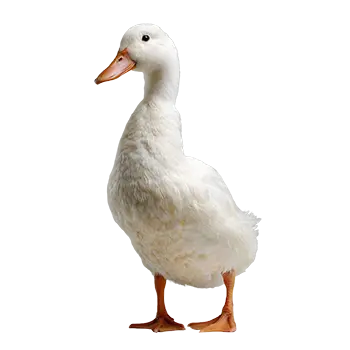
The Call Duck is remarkably diminutive, weighing only 1.25 to 1.75 pounds for drakes and 1 to 1.5 pounds for hens, making them among the smallest domestic duck breeds. They stand approximately 12 to 14 inches in length with a compact, rounded body structure that emphasizes their bantam characteristics. Their proportions differ significantly from standard ducks, featuring a short, rounded head, full cheeks, and a distinctly short, wide bill that gives them an adorable, baby-like appearance throughout their lives. The breed's body is broad and full when viewed from above, with a wide breast and smoothly rounded back. Their wings are relatively short and carried tightly against the body. The legs are set well back on the body, typical of diving duck ancestry, though Call Ducks are actually dabbling ducks in behavior. Drakes typically exhibit more upright posture than hens, contributing to their alert, perky appearance. Call Ducks come in an impressive array of color varieties, with the White Call Duck being the most iconic and popular. The pristine white plumage, paired with a bright orange bill and feet, creates a striking appearance. Gray Call Ducks display the classic mallard pattern in miniature, with drakes showing iridescent green heads, white neck rings, and rich chestnut breasts during breeding season. The Snowy variety features white plumage with a yellow bill, while Blue Fawn combines soft blue-gray tones with fawn accents. Other recognized varieties include Apricot, Butterscotch, Black, Chocolate, Lavender, Silver, and numerous patterned varieties such as Magpie, Bibbed, and Pied. Each variety maintains the breed's characteristic compact build and rounded features. The plumage is tight and smooth, with drakes developing curled tail feathers during maturity. Sexual dimorphism is present in many varieties, with drakes showing more vibrant coloration and distinctive features during breeding season, while hens maintain more subdued, practical plumage year-round for nesting camouflage.
Natural Habitat & Range
Call Ducks are entirely domestic birds with no wild counterpart, though they descend from wild Mallard ducks (Anas platyrhynchos) native to the Northern Hemisphere. The breed was developed in the Netherlands during the 19th century, possibly earlier, through selective breeding for small size and loud vocalizations. Dutch hunters used these diminutive ducks as living decoys, placing them in traps or on ponds to attract wild ducks within shooting range. Their distinctive calls proved effective for this purpose, leading to their English name. The breed's development occurred in the low-lying, water-rich regions of the Netherlands, where duck hunting was both sport and sustenance. Breeders selected for increasingly smaller size while maintaining the ducks' vigor and calling ability. By the mid-1800s, Call Ducks had been imported to England, where they quickly gained popularity among aviculturists and poultry fanciers. British breeders further refined the breed, selecting for even smaller size and more compact body type, creating what became known as the exhibition Call Duck. In their domestic setting, Call Ducks adapt to various climates and environments, though they require protection from extreme weather and predators. They thrive in temperate zones with access to clean water for swimming, secure shelter for nighttime protection, and adequate space for foraging. Unlike their wild Mallard ancestors that migrate seasonally and inhabit wetlands, marshes, and ponds across continents, Call Ducks are sedentary birds dependent on human care. The breed has spread globally through dedicated breeding programs, with strong populations in North America, Europe, Australia, and parts of Asia. They are exhibited at poultry shows internationally and maintained by conservation organizations focused on heritage waterfowl breeds. Their adaptability to various management systems, from backyard flocks to intensive breeding operations, has ensured their continued popularity. Conservation status is secure due to widespread domestic breeding, though maintaining pure bloodlines and breed standards requires careful management by dedicated breeders. The breed faces no wild population concerns as it exists solely in captive environments designed to meet their specific needs.
Temperament
Call Ducks possess delightful, friendly temperaments that make them popular among waterfowl enthusiasts and backyard poultry keepers. They are notably docile and approachable compared to larger duck breeds, especially when hand-raised from ducklings. These miniature ducks form strong bonds with their caretakers and will often follow their owners around the yard, seeking interaction and treats. Their gentle nature makes them suitable for families, though supervision is necessary with young children due to the ducks' small, delicate size. These ducks are highly social creatures that absolutely require companionship, preferably from other Call Ducks or compatible waterfowl. Keeping a single Call Duck is considered poor welfare, as isolation causes significant stress and behavioral problems. Pairs bond strongly and will spend their days swimming together, preening each other, and foraging side by side. Small flocks of three to six Call Ducks create dynamic social groups with established hierarchies and interactive behaviors. Drakes can be kept together peacefully if raised together and not competing for hens during breeding season. Call Ducks exhibit alert, active personalities throughout the day. They are naturally curious and will investigate new objects, environments, and situations with enthusiasm. Their foraging instinct is strong, and they spend considerable time dabbling in water, searching through grass, and exploring their environment for insects, plants, and other food items. This natural behavior provides them mental stimulation and physical exercise, essential for their wellbeing. Despite their name, Call Ducks are relatively quiet by duck standards, though they do vocalize when excited, alarmed, or during breeding displays. Hens produce the characteristic duck quack, higher-pitched than standard breeds, while drakes make a softer, raspy sound rather than a quack. They are most vocal during feeding times, when separated from flock members, or when potential threats appear. Their vocalizations are generally tolerated in suburban settings, though neighbors should be considered. The breed shows minimal aggression under proper management. Drakes may display territorial behavior during breeding season, particularly if the drake-to-hen ratio is imbalanced. Providing adequate space, multiple hens per drake, and environmental enrichment minimizes aggressive encounters. Call Ducks integrate well with other bantam duck breeds and can coexist peacefully with chickens, though they should have separate water access. Call Ducks are diurnal, most active during daylight hours with peaks of activity in morning and late afternoon. They enjoy basking in sunlight, particularly after swimming, and will rest quietly during midday heat. At dusk, they naturally seek shelter and roost together for warmth and security. Understanding these natural rhythms helps caretakers provide appropriate housing and management. Their temperament makes them suitable for exhibition, where calm, handleable birds are essential. Regular, gentle handling from a young age produces confident ducks comfortable with human interaction. However, they should never be treated as indoor pets or denied access to water and outdoor environments. Call Ducks thrive when their natural behaviors are accommodated while benefiting from the security and care of attentive owners.
Care Requirements
Proper housing for Call Ducks requires secure shelter protecting them from predators, weather extremes, and providing adequate space for their needs. A minimum enclosure of 6x6 feet per pair allows reasonable movement, though larger spaces are always better. Housing must include a covered coop for nighttime protection, as ducks are vulnerable to predators including raccoons, foxes, hawks, dogs, and even large rats. The coop should provide 3-4 square feet of floor space per duck with dry bedding such as straw, wood shavings, or rice hulls. Ventilation is critical in duck housing to prevent respiratory problems caused by ammonia buildup from droppings. Windows, vents, or gaps near the roof line provide air exchange while preventing drafts at duck level. The floor should be elevated or sloped for drainage, as ducks produce significant moisture. Predator-proofing requires hardware cloth (not chicken wire) on all openings, buried fencing to prevent digging predators, and secure latches that raccoons cannot manipulate. Call Ducks must have daily access to water deep enough to submerge their heads, ideally allowing full body swimming. While they can survive with only drinking water, this severely impacts their welfare. A small pond, large tub, or kiddie pool provides swimming opportunities essential for proper feather maintenance, eye health, and natural behaviors. Water should be changed frequently to prevent disease, with ducks naturally fouling water quickly through their feeding and defecation behaviors. The outdoor pen should include natural grass, dirt, or sand substrates allowing foraging behaviors. Concrete or hard surfaces cause foot problems and prevent natural dabbling activities. Shade structures protect ducks from summer heat, while windbreaks provide winter protection. Plants, logs, and varied terrain create environmental enrichment and hiding spots. However, toxic plants including azaleas, rhododendrons, foxglove, and nightshade family plants must be excluded. Nesting boxes for breeding pairs should measure 12x12x12 inches with dry, soft bedding. Hens prefer private, darkened areas for laying and may share nest boxes communally. Artificial lighting extending day length can increase laying but isn't necessary for pet ducks. Cleaning routines should include daily water changes, weekly bedding replacement in high-traffic areas, and monthly thorough coop cleaning. Droppings boards or easy-to-clean flooring simplify maintenance. Ducks are messier than chickens due to their water use and wet droppings, requiring more intensive cleaning schedules. Safety hazards to avoid include deep water sources without exit ramps where ducklings can drown, small wire openings that trap feet or heads, toxic substances like antifreeze or rodenticides accessible to ducks, and netting or fencing ducks can become entangled in. Dog interactions should be carefully supervised, even with well-trained dogs, as prey drive can emerge unexpectedly. Temperature management is important for these small ducks. They tolerate cold weather well with dry shelter and wind protection but suffer in extreme heat. Summer shade, fresh water, and pools for cooling are essential. Ducklings require supplemental heat until fully feathered, starting at 90°F and reducing weekly. Humidity from swimming and drinking requires adequate ventilation to prevent mold and respiratory issues year-round.
Feeding & Nutrition
Call Ducks are omnivorous foragers requiring a balanced diet of commercial waterfowl feed supplemented with fresh foods and natural foraging opportunities. In the wild, their Mallard ancestors consume aquatic plants, seeds, insects, crustaceans, and small fish. Captive Call Ducks need nutritionally complete diets meeting their needs through all life stages. Quality waterfowl or duck feed forms the foundation of proper nutrition. Starter crumbs with 18-20% protein support duckling growth, while grower rations with 14-16% protein maintain developing juveniles. Adult maintenance feed contains 14-16% protein for non-laying ducks and 16-18% protein for laying hens. Feeds formulated for chickens are acceptable if they are non-medicated, but waterfowl-specific feeds better match nutritional needs, particularly for niacin, an essential vitamin ducks require in higher amounts than chickens. Pellets are preferable to crumbles for adult ducks as they create less waste and prevent selective feeding. Ducks eat by scooping bills through feed, and pellets accommodate this behavior better than mash. Free-choice feeding works for most Call Ducks, though monitoring body condition prevents obesity in sedentary individuals. Each adult Call Duck consumes approximately 4-6 ounces of feed daily, varying with activity level, temperature, and breeding status. Fresh vegetables should comprise 10-20% of the diet, offering variety and enrichment. Excellent choices include chopped lettuce, kale, spinach, peas, corn, cucumbers, and squash. Ducks particularly enjoy greens torn into small pieces or floating in water. Root vegetables like carrots should be grated or cooked for easier consumption. Tomatoes are safe in moderation, but avoid green parts containing solanine. Fruits provide treats and variety but should be limited due to sugar content. Berries, melons, grapes cut in half, and small apple pieces are favorites. Excessive fruit can cause loose droppings and nutritional imbalances. Treats should never exceed 10% of total diet. Foods to strictly avoid include bread products, which provide minimal nutrition and can cause malnutrition if fed regularly; chocolate, avocado, and raw dried beans containing toxins; onions and garlic in large quantities; and salty or sugary human foods. Moldy or spoiled foods can cause botulism, a potentially fatal condition. Calcium and mineral supplementation is crucial for laying hens. Crushed oyster shell or limestone grit should be available free-choice, allowing hens to self-regulate calcium intake for eggshell production. Ducks have muscular gizzards requiring insoluble grit to grind food, particularly important for ducks eating whole grains. Granite grit serves this purpose, though ducks with access to dirt and small stones often ingest sufficient natural grit. Vitamin supplementation may be necessary for ducks without outdoor access or during winter when natural forage is limited. Niacin is particularly important, with deficiency causing leg problems in ducklings. Brewer's yeast added to feed provides supplemental niacin. Water-soluble poultry vitamins can be added to drinking water periodically. Fresh, clean water for drinking must be available at all times, separate from swimming water. Ducks drink frequently and must be able to submerge their entire bills to clear nostrils and eyes. Waterers should be deep enough for this behavior but designed to prevent excessive spillage. Ducks consume approximately one quart of water daily, more in hot weather. Foraging opportunities provide mental stimulation and nutritional benefits. Ducks eagerly hunt insects, slugs, snails, and worms. They consume grass, clover, and various plants. Supervised free-ranging in pesticide-free areas allows natural behaviors while supplementing diet. However, foraged foods should supplement, not replace, balanced commercial feeds ensuring complete nutrition.
Call Duck Health & Lifespan
Call Ducks are generally hardy and healthy birds when provided proper care, housing, and nutrition. Their small size can make them more vulnerable to certain health challenges compared to larger breeds, but attentive management ensures most live full, active lives. Respiratory infections are common health concerns in Call Ducks, particularly when housed in damp, poorly ventilated shelters or exposed to drafts and extreme temperature fluctuations. Aspergillosis, a fungal respiratory disease, can affect ducks kept on moldy bedding or in environments with poor air quality, making clean housing critical. Duck viral enteritis is a serious disease that can devastate flocks, though vaccination protocols exist for breeding operations. Bumblefoot, a bacterial infection of the foot pad, occurs when ducks walk on rough, abrasive surfaces or when cuts become contaminated in dirty water or bedding. Angel wing, a developmental deformity where flight feathers twist outward, affects young ducklings fed excessively high-protein diets, making controlled nutrition during growth phases essential. Botulism can occur when ducks consume spoiled food or water contaminated with Clostridium botulinum toxins, emphasizing the importance of fresh food and clean water sources. Wry neck, sometimes caused by vitamin deficiencies or genetic factors, causes neck twisting and balance problems. Egg binding in hens occurs when eggs become stuck in the reproductive tract, a particular concern for small breeds like Call Ducks, requiring calcium supplementation and proper nesting conditions. Obesity is common in pet Call Ducks given unlimited access to high-calorie feeds without adequate exercise, leading to fatty liver disease and reduced lifespan. Regular veterinary checkups with an avian or exotic animal veterinarian help catch issues early before they become serious. Finding a veterinarian experienced with waterfowl before acquiring Call Ducks ensures access to proper care when needed. Proper diet and nutrition form the foundation of health, with quality waterfowl feed supplemented with fresh greens, appropriate treats, and clean water for drinking and swimming. Environmental enrichment through swimming opportunities, foraging areas, and social interaction prevents behavioral stress and supports mental health. Cage cleanliness, or rather pen cleanliness for ducks, prevents parasitic infections, bacterial diseases, and respiratory problems, with regular bedding changes and water source maintenance being essential. Predator protection prevents injuries and stress-related health issues, as attacks, even unsuccessful ones, can cause fatal shock in small ducks. Annual wellness exams allow veterinarians to assess body condition, check for parasites, and address concerns before they become emergencies. With attentive care, proper housing, social companionship, and preventive health measures, Call Ducks typically live 8 to 12 years, with some individuals reaching 15 years in exceptional cases. Quality of life should always be prioritized, with owners monitoring for signs of illness such as lethargy, decreased appetite, abnormal droppings, respiratory distress, or behavioral changes. Early intervention dramatically improves outcomes for most health conditions, making knowledge of normal duck behavior and regular observation crucial for responsible Call Duck ownership.
Common Health Issues
- Respiratory infections are common health concerns in Call Ducks, particularly when housed in damp, poorly ventilated shelters or exposed to drafts and extreme temperature fluctuations.
- Aspergillosis, a fungal respiratory disease, can affect ducks kept on moldy bedding or in environments with poor air quality, making clean housing critical.
- Egg binding in hens occurs when eggs become stuck in the reproductive tract, a particular concern for small breeds like Call Ducks, requiring calcium supplementation and proper nesting conditions.
- Obesity is common in pet Call Ducks given unlimited access to high-calorie feeds without adequate exercise, leading to fatty liver disease and reduced lifespan.
- Cage cleanliness, or rather pen cleanliness for ducks, prevents parasitic infections, bacterial diseases, and respiratory problems, with regular bedding changes and water source maintenance being essential.
- Quality of life should always be prioritized, with owners monitoring for signs of illness such as lethargy, decreased appetite, abnormal droppings, respiratory distress, or behavioral changes.
Preventive Care & Health Monitoring
- Call Ducks are generally hardy and healthy birds when provided proper care, housing, and nutrition.
- Angel wing, a developmental deformity where flight feathers twist outward, affects young ducklings fed excessively high-protein diets, making controlled nutrition during growth phases essential.
- Wry neck, sometimes caused by vitamin deficiencies or genetic factors, causes neck twisting and balance problems.
- Egg binding in hens occurs when eggs become stuck in the reproductive tract, a particular concern for small breeds like Call Ducks, requiring calcium supplementation and proper nesting conditions.
- Regular veterinary checkups with an avian or exotic animal veterinarian help catch issues early before they become serious.
- Proper diet and nutrition form the foundation of health, with quality waterfowl feed supplemented with fresh greens, appropriate treats, and clean water for drinking and swimming.
Call Ducks are generally hardy and healthy birds when provided proper care, housing, and nutrition. Their small size can make them more vulnerable to certain health challenges compared to larger breeds, but attentive management ensures most live full, active lives. Respiratory infections are common health concerns in Call Ducks, particularly when housed in damp, poorly ventilated shelters or exposed to drafts and extreme temperature fluctuations. Aspergillosis, a fungal respiratory disease, can affect ducks kept on moldy bedding or in environments with poor air quality, making clean housing critical. Duck viral enteritis is a serious disease that can devastate flocks, though vaccination protocols exist for breeding operations. Bumblefoot, a bacterial infection of the foot pad, occurs when ducks walk on rough, abrasive surfaces or when cuts become contaminated in dirty water or bedding. Angel wing, a developmental deformity where flight feathers twist outward, affects young ducklings fed excessively high-protein diets, making controlled nutrition during growth phases essential. Botulism can occur when ducks consume spoiled food or water contaminated with Clostridium botulinum toxins, emphasizing the importance of fresh food and clean water sources. Wry neck, sometimes caused by vitamin deficiencies or genetic factors, causes neck twisting and balance problems. Egg binding in hens occurs when eggs become stuck in the reproductive tract, a particular concern for small breeds like Call Ducks, requiring calcium supplementation and proper nesting conditions. Obesity is common in pet Call Ducks given unlimited access to high-calorie feeds without adequate exercise, leading to fatty liver disease and reduced lifespan. Regular veterinary checkups with an avian or exotic animal veterinarian help catch issues early before they become serious. Finding a veterinarian experienced with waterfowl before acquiring Call Ducks ensures access to proper care when needed. Proper diet and nutrition form the foundation of health, with quality waterfowl feed supplemented with fresh greens, appropriate treats, and clean water for drinking and swimming. Environmental enrichment through swimming opportunities, foraging areas, and social interaction prevents behavioral stress and supports mental health. Cage cleanliness, or rather pen cleanliness for ducks, prevents parasitic infections, bacterial diseases, and respiratory problems, with regular bedding changes and water source maintenance being essential. Predator protection prevents injuries and stress-related health issues, as attacks, even unsuccessful ones, can cause fatal shock in small ducks. Annual wellness exams allow veterinarians to assess body condition, check for parasites, and address concerns before they become emergencies. With attentive care, proper housing, social companionship, and preventive health measures, Call Ducks typically live 8 to 12 years, with some individuals reaching 15 years in exceptional cases. Quality of life should always be prioritized, with owners monitoring for signs of illness such as lethargy, decreased appetite, abnormal droppings, respiratory distress, or behavioral changes. Early intervention dramatically improves outcomes for most health conditions, making knowledge of normal duck behavior and regular observation crucial for responsible Call Duck ownership.

Training & Vocalization
Training Call Ducks differs significantly from training parrots or other highly intelligent birds, as ducks possess limited trainability and respond primarily to routine and food motivation rather than complex cognitive training. However, they can learn simple behaviors and establish trust-based relationships with patient caretakers using positive reinforcement methods. Basic training focuses on establishing routines and trust. Call Ducks quickly learn feeding schedules and will gather eagerly when they recognize feeding time approaches. They can be conditioned to come when called using consistent verbal cues paired with food rewards. Using a specific call, whistle, or sound before each feeding teaches ducks to associate that sound with food availability. With repetition, many Call Ducks respond reliably to their feeding call, making management easier. Handling training requires gentle, consistent approach. Start by sitting near ducks during feeding, allowing them to eat from your hand. Progress to brief, calm touch and gradually work toward picking them up using proper technique: supporting the body with both hands, keeping wings contained against the body, and avoiding squeezing. Never grab ducks by wings, neck, or feet. Regular positive handling from ducklinghood produces confident adults comfortable with necessary husbandry procedures. Call Ducks cannot be house-trained and should not be kept as indoor pets. They lack sphincter control and defecate frequently, making indoor living inappropriate. Their need for water and outdoor behaviors makes outdoor housing essential for their welfare and household cleanliness. Trick training potential is extremely limited compared to parrots. Ducks lack the problem-solving abilities and desire to perform complex behaviors for humans. Some individuals learn to follow simple target training, where they follow a target stick for food rewards, useful for moving ducks between areas. Clicker training can mark desired behaviors, though applications are limited to basic movements and behaviors already in their natural repertoire. Vocalizations in Call Ducks serve communication purposes rather than entertainment. Despite the breed's name suggesting loud calling, Call Ducks are actually quieter than many standard duck breeds. The name derives from their historical use as hunting decoys, where their calls attracted wild ducks, not from being particularly loud. Hens produce the characteristic duck quack, a higher-pitched, softer version than large breeds. Their quacks communicate excitement, alarm, social bonding, and egg-laying announcements. Laying hens often vocalize before, during, and after producing eggs. Hens also quack to call ducklings or communicate with flock members. Drakes cannot quack. Instead, they produce a softer, raspy, wheezing sound. This vocalization occurs during courtship displays, territorial behavior, and general communication. The contrast between hen quacks and drake rasps makes sex determination easier once ducks mature beyond eight weeks of age. Noise levels throughout the day vary with activity and circumstances. Call Ducks are most vocal during feeding times, when alarmed by predators or unusual occurrences, during breeding season when drakes court hens, and when separated from flock members. Established flocks in secure environments generally maintain low to moderate noise levels acceptable for suburban settings. However, individual ducks vary in talkativeness, with some hens being notably more vocal than others. Socialization importance cannot be overstated. Call Ducks are flock animals requiring social interaction with other ducks for psychological health. Even hand-raised, human-bonded ducks need duck companionship. Single ducks become stressed, depressed, and may develop behavioral problems. Introducing new ducks requires gradual integration, allowing visual contact before physical interaction to prevent aggression. Behavioral challenges are minimal with proper care. Feather pecking can occur in overcrowded conditions or when nutritional needs aren't met. Egg eating may develop if nesting areas lack privacy or if calcium deficiency causes thin shells. Excessive vocalization usually indicates stress, predator threats, or unsatisfied needs. Aggressive breeding behavior from drakes requires managing drake-to-hen ratios at approximately 1:4-6. Positive reinforcement methods using food rewards, calm handling, and patience produce the best results with Call Ducks. Punishment-based training is ineffective and damages trust. Understanding their limitations and working within their natural behaviors creates harmonious relationships between Call Ducks and their caretakers.
Children & Other Pets
Call Ducks can be suitable for families with children when appropriate supervision, education, and management ensure both child and duck safety. Their small size and gentle temperament appeal to children, but their delicate bodies require careful handling that young children may not provide without guidance. Children aged eight and older who demonstrate responsibility and gentle behavior can interact successfully with Call Ducks under adult supervision. Educating children about proper duck care is essential before introducing Call Ducks to the family. Children should understand that ducks are not cuddly pets like cats or dogs but are observational pets requiring space and respect for their needs. Teaching children to sit quietly while ducks approach voluntarily, offer treats from flat palms, and watch duck behaviors without chasing creates positive interactions. Children must learn that ducks need water, outdoor access, and duck companionship rather than constant human interaction. Handling instruction for children emphasizes supporting the duck's entire body, keeping them close to the ground, and understanding when ducks want to be left alone. Call Ducks should never be squeezed, dropped, or handled roughly. Young children under eight years old should observe rather than handle without direct adult assistance, as their unpredictable movements and grip strength can injure small ducks. Supervision requirements are constant when young children interact with ducks. Adults must monitor all interactions to prevent accidental injury, ensure proper handling techniques, and intervene if ducks show stress signals such as rapid breathing, struggling to escape, or attempting to fly away. Children should be taught to recognize these signals and respond appropriately by giving ducks space. Teaching responsibility through duck care provides valuable lessons. Age-appropriate chores include refilling water under supervision, scattering feed, collecting eggs from nest boxes, and observing ducks for health changes. Children gain understanding of animal needs, commitment required for pet ownership, and respect for living creatures. However, adults remain ultimately responsible for ensuring proper care meets duck welfare standards. Call Ducks can coexist peacefully with other pets when introductions are managed carefully and species-appropriate boundaries maintained. Compatibility varies significantly based on individual animal temperaments and proper management. Dogs pose the most significant risk to Call Ducks due to prey drive present even in well-trained, gentle dogs. Breeds with strong hunting instincts such as terriers, retrievers, and herding dogs may view small ducks as prey regardless of training. Introducing dogs and ducks requires extreme caution with dogs on leash initially, allowing controlled visual exposure while preventing chasing. Some dogs with calm temperaments and proper training can coexist safely, but supervision must be constant. Secure fencing preventing dog access to duck areas provides essential protection. Never leave dogs and ducks unsupervised together, even with trustworthy dogs, as instinct can override training unexpectedly. Cats typically show less interest in adult Call Ducks than in chickens, as ducks are more aggressive in self-defense and prefer water habitats cats avoid. However, ducklings are vulnerable to cat predation and must be protected until reaching adult size. Outdoor cats may stalk or attack ducks, particularly during vulnerable periods like molting. Indoor cats viewing outdoor duck enclosures through windows generally pose minimal risk. Other waterfowl including chickens, guinea fowl, and other duck breeds can coexist successfully with Call Ducks in properly managed mixed flocks. Call Ducks integrate well with other bantam duck breeds and can live harmoniously with chickens when space allows species-specific needs. Larger duck breeds may bully smaller Call Ducks, particularly drakes during breeding season, making size-matched companions preferable. Geese generally coexist peacefully but may dominate food and water resources due to size advantage. Rabbits and Call Ducks can share outdoor spaces if housing provides species-specific needs. Both species appreciate grass, outdoor access, and foraging opportunities. However, rabbits require dry housing while ducks need swimming water, so separate but adjacent housing works best. Ground-dwelling rabbits and aquatic-focused ducks naturally occupy different niches, minimizing competition. Creating safe environments for mixed-species households requires secure fencing, species-appropriate housing with separate sleeping areas, multiple food and water stations preventing competition, escape routes allowing smaller animals to avoid larger ones, and regular monitoring for signs of stress or aggression. Predator protection must accommodate all species, with hardware cloth and secure latches protecting vulnerable ducks from climbing, digging, and aerial predators. Ultimately, adult supervision and responsible management determine success of Call Ducks in family environments. Their hardiness, charm, and manageable size make them rewarding pets for families committed to meeting their needs while ensuring safety for both children and ducks through education, boundaries, and appropriate housing.

