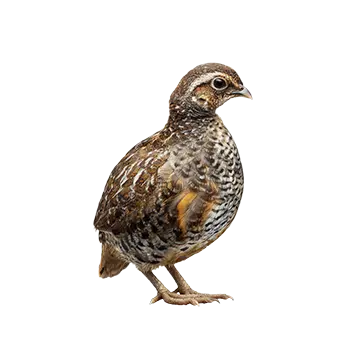
Proper nutrition is fundamental to Button Quail health, longevity, and breeding success. These tiny birds have exceptionally high metabolisms requiring frequent feeding and carefully balanced diets providing adequate protein, vitamins, minerals, and varied nutrients. Unlike seed-eating birds that can thrive on seeds alone, Button Quail are omnivores requiring animal protein, fresh vegetables, and specialized gamebird nutrition to maintain optimal health. Understanding and providing appropriate dietary components prevents the nutritional deficiencies that commonly afflict poorly fed quail.
The foundation of a proper Button Quail diet should be high-quality game bird crumble or pellets, which must comprise 60-70% of total food intake. Game bird starter crumble containing 20-30% protein is ideal, providing the high protein levels these fast-growing, productive little birds require. During breeding season, molting, or when raising chicks, protein requirements increase to 24-30%. Quality game bird feeds are specially formulated with the amino acids, vitamins, and minerals gamebirds need. Purchase fresh feed in small quantities, storing it in cool, dry, airtight containers to maintain nutritional quality.
Protein supplementation beyond base feed is essential for Button Quail health and reproduction. Animal protein sources include live or dried mealworms (limit to 5-6 per bird daily due to high fat content), crickets, fly larvae, waxworms, and other small insects. These protein sources are particularly important during breeding when females are producing eggs and pairs are feeding chicks. Hard-boiled eggs can be offered finely chopped with crushed shell included, providing excellent protein and calcium. Some breeders mix high-protein supplements like spirulina or algae into the diet.
Fresh vegetables and greens should be offered daily, comprising approximately 30-40% of the diet beyond the base game bird feed. Appropriate vegetables include finely chopped romaine lettuce, kale, endive, dandelion greens, carrots, peas, corn, and other bird-safe vegetables. Button Quail particularly enjoy romaine lettuce and tender greens. All vegetables should be washed thoroughly, chopped into small pieces appropriate for tiny beaks, and offered fresh in shallow dishes. Remove uneaten vegetables after several hours to prevent spoilage.
Fruits can be offered as treats in small quantities. Grapes (halved or quartered), berries, apple pieces (no seeds), and melon are enjoyed by most Button Quail. Fruits should be offered sparingly due to sugar content and always as supplements rather than dietary staples. Fresh fruits provide vitamins and variety but should not exceed 10% of total diet.
Seeds can supplement the diet but should not be the primary food source. Small finch seed mixes, millet sprays, and canary seed provide variety and foraging enrichment. Mix seeds with the game bird crumble or scatter them in substrate to encourage natural foraging behavior. However, all-seed diets are nutritionally incomplete and cause deficiencies.
Grit is absolutely essential for Button Quail digestion. These birds swallow food whole and require indigestible grit (small pebbles and stones) in their gizzards to grind and break down food mechanically. Provide a shallow dish of appropriately sized bird grit constantly available so birds can consume as needed. Grit dishes should be large enough for birds to stand in while selecting preferred sizes. Outdoor birds on natural soil may ingest adequate grit naturally, but indoor birds require supplemental grit provision.
Calcium supplementation is critical for Button Quail, particularly laying females who can produce an egg daily, rapidly depleting calcium stores. Crushed oyster shell, cuttlebone pieces, and finely crushed, boiled eggshell mixed with grit provide essential calcium. Some breeders offer separate calcium dishes allowing birds to self-regulate intake. Calcium deficiency causes soft-shelled eggs, egg binding, and bone problems, so adequate calcium cannot be overemphasized.
Vitamin supplementation depends on diet quality. Birds fed high-quality game bird crumble with varied fresh foods typically receive adequate vitamins. However, additional vitamin powder dusted on favorite foods (coating mealworms works well) provides insurance against deficiency. Use powdered rather than liquid supplements, as liquid vitamins in water quickly degrade, spoil water, and may cause birds to avoid drinking if they dislike the taste. Powder mixed with food ensures consumption and maintains water palatability.
Water is absolutely vital for Button Quail survival. Fresh, clean water must be available constantly without exception. These tiny birds with high metabolisms can dehydrate rapidly, particularly in warm weather or during egg production. Females laying eggs consume 50% more water than non-laying birds. Change water daily minimum, more frequently if soiled. Water dishes should be shallow to prevent chick drowning but deep enough for adults to drink comfortably. Specialized waterers designed for gamebird chicks prevent drowning while ensuring adequate hydration.
Feeding schedule and quantity require attention. Provide food free-choice, keeping feeders filled so birds can eat frequently throughout the day to support their high metabolism. Monitor consumption to ensure adequate intake and adjust quantities to prevent waste. Fresh vegetables should be offered daily, while live insects can be provided several times weekly or daily during breeding.
Chick nutrition is particularly critical. Baby Button Quail require high-protein chick starter crumble (28-30% protein) from hatch through 5 weeks of age. Finely chopped hard-boiled egg, tiny mealworms, and soft greens can supplement from first days. Chicks eat frequently and grow rapidly, requiring constant food and water access. Transition gradually to adult feed as they mature.
Foods to avoid include avocado (highly toxic to all birds), chocolate, caffeine, alcohol, salt, high-fat or high-sugar human foods, onions, garlic, raw beans, and anything moldy or spoiled. Never feed foods that could choke tiny birds. Monitor for individual sensitivities or allergies to specific foods.
Nutritional management impacts breeding success, egg quality, chick survival, and overall health. Well-nourished Button Quail produce strong-shelled eggs, raise healthy chicks, maintain excellent feather condition, and live longer, healthier lives than poorly fed birds. Investing in quality nutrition provides the best foundation for thriving Button Quail.