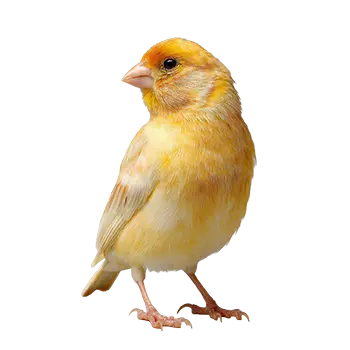

The Border Canary is a domesticated variety of the species Serinus canaria domestica, which encompasses all domestic canaries regardless of breed type. All canaries kept as pets or exhibition birds descend from the wild canary (Serinus canaria), a small finch native to the Macaronesian islands including the Canary Islands (from which canaries derive their common name), Azores, and Madeira off the northwestern coast of Africa. Centuries of selective breeding have produced numerous distinct canary breeds divided into three main categories: type canaries bred for body conformation and appearance, color canaries bred for specific plumage colors, and song canaries bred for vocal ability. The Border Canary belongs to the type canary category, specifically bred for its distinctive compact, rounded body shape, good posture, and overall pleasing appearance.
The name Border Canary references the breed's geographic origin in the border regions between England and Scotland, where the breed was developed during the mid-19th century. Early fanciers in this region selectively bred canaries for specific physical characteristics including small, compact size, rounded head and body, and smooth, tight plumage, establishing the foundation for what would become one of the most popular and widespread canary breeds. The breed's development centered particularly around the Scottish-English border counties, with early breed clubs and standards emerging in this region during the 1890s.
Alternate names and historical designations include Common Border, referencing its status as one of the most commonly kept type canaries, Border Fancy, emphasizing its breeding for exhibition and fancy (the historical term for selective animal breeding for aesthetic traits), and Wee Gem, a colloquial Scottish nickname referring to the breed's small size and gem-like qualities. In early development, various local names were used before standardization, but Border Canary has been the official, universally recognized breed name since formal recognition by canary societies in the late 19th century.
The scientific classification Serinus canaria domestica applies to all domestic canaries regardless of breed, with 'domestica' denoting their domesticated status distinguishing them from their wild ancestor Serinus canaria. All domestic canary breeds, including Borders, can technically interbreed and are considered the same species at the taxonomic level, with breed differences representing human-selected variations in appearance, song, or color rather than distinct species or subspecies. The genus Serinus encompasses various wild finch species, though recent molecular studies have suggested canaries may be more appropriately placed in the genus Crithagra, leading to ongoing taxonomic discussions, though Serinus remains widely used in avicultural contexts.
As a type canary, the Border Canary is judged in shows and exhibitions based on adherence to specific breed standards defining ideal physical characteristics. These standards, maintained by national and international canary organizations, specify requirements for size (small and compact), body shape (well-rounded with smooth curves), head shape (rounded and proportional), posture (alert and upright but not overly erect), plumage (smooth and tight without frills or excess), and overall balance and proportion. Border Canaries are shown in numerous color varieties including clear yellows (pure yellow without dark pigments), clear buffs (softer, lighter coloring with feather structure creating frosted appearance), variegated (yellow or buff with dark melanin patches), green (yellow with dark overlay), cinnamon (brown melanin instead of black), and numerous other recognized color combinations. However, they remain type canaries judged primarily on conformation rather than color, distinguishing them from color breeds like the Yorkshire or Norwich.
Border Canaries have been bred in captivity for over 150 years, with countless generations of selective breeding establishing stable breed characteristics. They rank among the most popular type canaries worldwide, prized for their ideal combination of attractive appearance, manageable size, pleasant song, relatively hardy constitution, and suitability for both beginners and serious exhibitors. The breed's popularity has resulted in large breeding populations, numerous dedicated breed clubs and societies, extensive literature and breeding guidance, and regular inclusion in bird shows and exhibitions worldwide. Their enduring appeal reflects the successful balance of aesthetic beauty, practical keeping qualities, and the engaging personality that makes them among the most satisfying canaries for both casual keepers and dedicated fanciers.