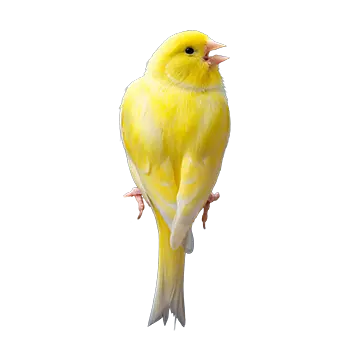
American Singer Canaries are generally hardy, robust songbirds capable of living 10 to 15 years with proper care, occasionally reaching 17-20 years in exceptional cases with optimal conditions, making them notably longer-lived than smaller finches like Zebra Finches or Star Finches. Despite their fundamental hardiness when well-maintained, these birds are susceptible to various health conditions requiring vigilant monitoring and appropriate preventive care throughout their lives. Air sac mites (Sternostoma tracheacolum) commonly affect canaries and other songbirds, with these microscopic parasitic mites infesting the respiratory system causing labored breathing, clicking or wheezing sounds during respiration, tail bobbing with each breath, open-mouth breathing in severe cases, and potentially fatal respiratory failure requiring immediate anti-parasitic medication under veterinary supervision. Scaly face and leg mites (Knemidocoptes species) affect canaries causing crusty, scaly growths on legs, feet, cere (area above beak), and around eyes, requiring anti-parasitic treatment and potentially causing permanent deformity if neglected long-term. Coccidiosis, a parasitic protozoal infection affecting the intestinal tract, occurs in canaries causing diarrhea, rapid weight loss, fluffed feathers, severe lethargy, and potentially death without treatment, requiring antiprotozoal medication and strict hygiene preventing transmission. Intestinal worms including roundworms and tapeworms can affect canaries particularly those housed outdoors or exposed to wild birds, causing weight loss despite good appetite, poor feather quality, and general poor condition, requiring fecal testing and appropriate deworming medication. Candidiasis (yeast infection) affects canaries particularly those stressed, immunocompromised, or receiving antibiotics, causing white lesions in mouth and throat, crop infections, difficulty swallowing, regurgitation, and digestive problems requiring antifungal medication. Egg binding affects female canaries who produce eggs without adequate calcium, appropriate environmental conditions, or optimal physical health, creating life-threatening emergencies where eggs cannot be expelled requiring immediate veterinary intervention including calcium injections, supportive care, manual manipulation, or surgical removal. Obesity commonly affects captive canaries fed unlimited seed without adequate exercise opportunities, leading to fatty liver disease (hepatic lipidosis), reduced lifespan, reduced singing in males, breeding problems in females, and general poor health, requiring dietary management and cages allowing substantial movement. Respiratory infections from bacteria, viruses, or fungi affect canaries kept in poor conditions with inadequate ventilation, exposure to drafts, stress, or poor nutrition, causing nasal discharge, breathing difficulties, reduced singing, and lethargy requiring prompt antibiotic or antifungal treatment. Feather cysts can develop in canaries particularly those bred for certain feather types, creating lumps where feathers fail to emerge properly, sometimes requiring surgical removal. Overgrown beaks and nails occur in birds lacking appropriate materials for natural wear, requiring periodic trimming maintaining proper length and function. Regular health monitoring by owners is essential as small birds instinctively mask illness until advanced stages, meaning by the time symptoms become obvious the bird may be critically ill. While many general practice veterinarians lack specialized avian knowledge, establishing relationships with avian veterinarians before emergencies occur ensures access to appropriate care when needed. Annual wellness examinations are ideal for canaries, allowing veterinarians to detect subtle problems early. During health checks, veterinarians perform thorough physical examinations including weight assessment on gram scales, body condition evaluation, examination for external parasites, respiratory assessment, and may recommend fecal testing for internal parasites, blood testing if indicated, and disease screening when appropriate. Proper diet and nutrition for American Singer Canaries follows seed-based principles appropriate for canaries and small finches. High-quality canary seed mix should comprise 60-70% of diet, containing canary seed (the primary component), white millet, red millet, niger seed, small amounts of hemp seed, and other appropriate small seeds. Choose fresh, high-quality mixes from reputable brands, avoiding dusty, moldy, or old seed. Daily removal of empty hulls is critical - canaries hull seeds leaving empty shells that pile up making dishes appear full when all accessible seed is gone. Fresh greens offered daily provide essential vitamins and variety, with appropriate options including lettuce (romaine, not iceberg), spinach, kale, dandelion greens, chickweed, and other safe greens. Many canaries readily accept greens unlike some finches. Fresh vegetables including grated carrot, broccoli, and others can be offered. Egg food (commercially prepared or homemade mixture of hard-boiled eggs, breadcrumbs, and other ingredients) provides protein particularly important during molt and breeding season. Commercial canary pellets can supplement diets though many birds resist pellets. Cuttlebone or mineral block provides essential calcium particularly for breeding females. Grit (soluble oyster shell grit or insoluble granite grit) is debated but many keepers provide it. Clean fresh water changed daily minimum is essential. Foods to avoid include avocado, chocolate, caffeine, alcohol, excessive salt, onions, garlic, and anything unsafe for birds. Environmental cleanliness prevents disease, requiring daily droppings removal and substrate changes, weekly thorough cage cleaning, and regular dish washing. Appropriate cage size allowing movement provides exercise maintaining health. Proper lighting using timers to control day length helps manage breeding condition, preventing chronic breeding stress in males causing health problems.
Regular health monitoring by owners is essential as small birds instinctively mask illness until advanced stages, meaning by the time symptoms become obvious the bird may be critically ill. While many general practice veterinarians lack specialized avian knowledge, establishing relationships with avian veterinarians before emergencies occur ensures access to appropriate care when needed. Annual wellness examinations are ideal for canaries, allowing veterinarians to detect subtle problems early. During health checks, veterinarians perform thorough physical examinations including weight assessment on gram scales, body condition evaluation, examination for external parasites, respiratory assessment, and may recommend fecal testing for internal parasites, blood testing if indicated, and disease screening when appropriate. Proper diet and nutrition for American Singer Canaries follows seed-based principles appropriate for canaries and small finches. High-quality canary seed mix should comprise 60-70% of diet, containing canary seed (the primary component), white millet, red millet, niger seed, small amounts of hemp seed, and other appropriate small seeds. Choose fresh, high-quality mixes from reputable brands, avoiding dusty, moldy, or old seed. Daily removal of empty hulls is critical - canaries hull seeds leaving empty shells that pile up making dishes appear full when all accessible seed is gone. Fresh greens offered daily provide essential vitamins and variety, with appropriate options including lettuce (romaine, not iceberg), spinach, kale, dandelion greens, chickweed, and other safe greens. Many canaries readily accept greens unlike some finches. Fresh vegetables including grated carrot, broccoli, and others can be offered. Egg food (commercially prepared or homemade mixture of hard-boiled eggs, breadcrumbs, and other ingredients) provides protein particularly important during molt and breeding season. Commercial canary pellets can supplement diets though many birds resist pellets. Cuttlebone or mineral block provides essential calcium particularly for breeding females. Grit (soluble oyster shell grit or insoluble granite grit) is debated but many keepers provide it. Clean fresh water changed daily minimum is essential. Foods to avoid include avocado, chocolate, caffeine, alcohol, excessive salt, onions, garlic, and anything unsafe for birds. Environmental cleanliness prevents disease, requiring daily droppings removal and substrate changes, weekly thorough cage cleaning, and regular dish washing. Appropriate cage size allowing movement provides exercise maintaining health. Proper lighting using timers to control day length helps manage breeding condition, preventing chronic breeding stress in males causing health problems. Owners must recognize illness signs requiring immediate attention including fluffed feathers maintained for extended periods, labored breathing or tail bobbing, sitting on cage bottom, loss of appetite or weight loss, diarrhea or abnormal droppings, severe lethargy, discharge from eyes or nostrils, swellings or lumps, limping or inability to perch, sudden cessation of singing in males who previously sang regularly indicating illness or distress, and sudden behavior changes. Small birds deteriorate rapidly, making immediate veterinary attention critical when problems are suspected. With appropriate care including proper seed-based nutrition with fresh foods, clean environment, adequate housing, appropriate lighting management, and attentive monitoring, American Singer Canaries can live their full 10-15+ year lifespan as delightful singing companions bringing daily musical joy to their keepers' lives.
Common Health Issues
- Air sac mites - Sternostoma tracheacolum, commonly affect canaries and other songbirds, with these microscopic parasitic mites infesting the respiratory system causing labored breathing, clicking or wheezing sounds during respiration, tail bobbing with each breath, open-mouth breathing in severe cases, and potentially fatal respiratory failure requiring immediate anti-parasitic medication under veterinary supervision.
- Scaly face and leg mites - Knemidocoptes species, affect canaries causing crusty, scaly growths on legs, feet, cere (area above beak), and around eyes, requiring anti-parasitic treatment and potentially causing permanent deformity if neglected long-term.
- Egg binding affects female canaries who produce eggs without adequate calcium - Appropriate environmental conditions, or optimal physical health, creating life-threatening emergencies where eggs cannot be expelled requiring immediate veterinary intervention including calcium injections, supportive care, manual manipulation, or surgical removal.
- Obesity commonly affects captive canaries fed unlimited seed without adequate exercise opportunities, leading to fatty liver disease - Hepatic lipidosis, , reduced lifespan, reduced singing in males, breeding problems in females, and general poor health, requiring dietary management and cages allowing substantial movement.
- Respiratory infections from bacteria - Viruses, or fungi affect canaries kept in poor conditions with inadequate ventilation, exposure to drafts, stress, or poor nutrition, causing nasal discharge, breathing difficulties, reduced singing, and lethargy requiring prompt antibiotic or antifungal treatment.
- During health checks - Veterinarians perform thorough physical examinations including weight assessment on gram scales, body condition evaluation, examination for external parasites, respiratory assessment, and may recommend fecal testing for internal parasites, blood testing if indicated, and disease screening when appropriate.
Preventive Care & Health Monitoring
- Egg binding affects female canaries who produce eggs without adequate calcium - Appropriate environmental conditions, or optimal physical health, creating life-threatening emergencies where eggs cannot be expelled requiring immediate veterinary intervention including calcium injections, supportive care, manual manipulation, or surgical removal.
- Respiratory infections from bacteria - Viruses, or fungi affect canaries kept in poor conditions with inadequate ventilation, exposure to drafts, stress, or poor nutrition, causing nasal discharge, breathing difficulties, reduced singing, and lethargy requiring prompt antibiotic or antifungal treatment.
- Annual wellness examinations are ideal for canaries - Allowing veterinarians to detect subtle problems early.
- Proper diet and nutrition for American Singer Canaries follows seed-based principles appropriate for canaries and small finches. - Proper diet and nutrition for American Singer Canaries follows seed-based principles appropriate for canaries and small finches.
- Fresh greens offered daily provide essential vitamins and variety, with appropriate options including lettuce - Romaine, not iceberg, , spinach, kale, dandelion greens, chickweed, and other safe greens.
- Cuttlebone or mineral block provides essential calcium particularly for breeding females. - Cuttlebone or mineral block provides essential calcium particularly for breeding females.