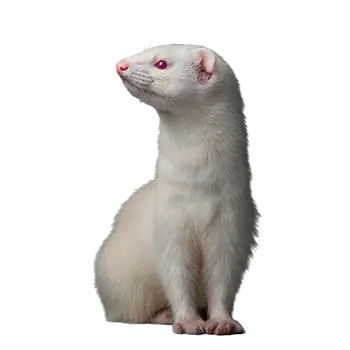

Successful travel with an albino ferret begins well before the day of departure, with preparation that addresses the animal's physical needs, behavioral tendencies, and the specific sensitivities associated with the albino phenotype. The absence of melanin pigmentation in albino ferrets means their eyes are significantly more sensitive to bright light than those of pigmented ferrets, a consideration that must be factored into carrier selection, vehicle placement, and the overall management of light exposure throughout the journey. Prolonged exposure to direct sunlight or intense artificial lighting can cause discomfort and stress in albino ferrets, and owners should plan routes, rest stops, and carrier positioning to minimize unnecessary light exposure.
Carrier selection is one of the most important practical decisions in travel preparation. A suitable ferret travel carrier should be well-ventilated, secure against escape, large enough for the ferret to turn around and lie down comfortably, and equipped with a spill-resistant water bottle or dish. Hard-sided carriers with secure latching mechanisms are generally preferred over soft-sided alternatives for their superior structural integrity and resistance to the ferret's persistent chewing and digging behaviors. The carrier should be lined with absorbent bedding material, and owners should pack additional bedding and cleaning supplies to manage inevitable soiling during extended journeys. Including a familiar item such as a worn sleep sack or a piece of the ferret's regular bedding can help reduce travel anxiety by providing reassuring scent cues.
Ferrets are obligate carnivores with high metabolic rates and relatively limited glycogen reserves, making them vulnerable to hypoglycemia during periods of stress or missed meals. Travel preparation should include packing an adequate supply of the ferret's regular food, fresh water, and high-calorie supplements such as salmon oil or a ferret-specific nutritional paste that can be administered during rest stops. Owners of ferrets with diagnosed insulinoma or other metabolic conditions should carry emergency glucose supplements and consult their veterinarian about adjusting medication schedules to accommodate the disruptions of travel. A travel-sized first aid kit containing styptic powder, antiseptic solution, bandaging materials, and the ferret's regular medications should also be assembled and kept readily accessible.
Before any significant journey, a veterinary wellness check is strongly recommended. The veterinarian can assess the ferret's overall health status, confirm that vaccinations are current, and provide any certificates or documentation required by the destination jurisdiction or transportation carrier. For albino ferrets, the wellness check also provides an opportunity to evaluate eye health and discuss any light-management strategies specific to the planned travel conditions. Owners should request printed copies of all vaccination records, health certificates, and any relevant permits, and should carry these documents in a waterproof folder that remains with the carrier at all times during transit.